

Short hair is the quickest way to get shape, volume and a fresh look without spending half your morning on styling. If you’re ready to cut it, start with one of these three: the Classic Pixie Cut for a clean, low-fuss change, the Textured Bob for movement that suits almost everyone, or the Bixie Cut for something soft and in between. This guide covers 46 of the best hairstyles for short hair in 2026, so whatever your face shape or hair type, there’s a cut here that will actually work on real hair.
What counts as a short hairstyle?
Anything chin-length or shorter generally counts as short hair, from a close crop right up to a jaw-skimming bob. The reason short cuts look so good on so many people is simple: taking weight off the ends lets the hair spring up, hold a shape and show off its natural texture instead of being dragged flat. Short hair has been in and out of fashion for a century, but the modern versions are softer and far more customisable than the one-size-fits-all crops of the past. Your stylist can adjust the length at the nape, the weight around the ears and the shape of the fringe to suit your face, so “short” covers a lot of ground. It also grows out more gracefully than people expect, as long as the shape is right from the start.
How to pick the right short hairstyle
| If you have… | Go for… | Maintenance |
|---|---|---|
| Round face | Height on top, longer front pieces, side part | Medium — needs a blow-dry or texture spray |
| Oval face | Almost anything — pixies, bobs, crops all work | Low to medium |
| Square face | Soft layers, side-swept fringe, wavy texture | Medium |
| Heart-shaped face | Chin-length bobs, curtain bangs, soft volume at the jaw | Low to medium |
| Fine hair | Blunt ends, stacked layers, textured pixies | Low — air-dries well with a little product |
| Thick hair | Thinned layers, shags, tapered cuts | Medium — needs thinning at the salon |
| Curly hair | Layered cuts that follow the curl pattern | Low — wash, scrunch, go |
| Low-maintenance lifestyle | Buzz cuts, wash-and-wear crops, blunt bobs | Very low — trims every 6–8 weeks |
The honest rule is this: pick the cut that matches how much time you actually want to spend on your hair, not the one that looks best in a photo. A cut that needs twenty minutes of styling every morning is a bad cut if you only have five.
The 46 best hairstyles for short hair
1. Classic Pixie Cut

The classic pixie is short at the back and sides with a longer, softer top that can be swept to one side or worn slightly forward. It’s the cut that made short hair feel chic rather than severe, and it still works because the proportions are so forgiving. It suits oval and heart-shaped faces best, and it looks particularly good on fine to medium hair, where short length makes hair feel thicker. Ask your stylist for a tapered nape, soft texture through the top and enough length on top to tuck behind one ear. Finish with a pea-sized amount of matte paste pushed through the top. You’ll need a trim every four to five weeks to keep the shape, but daily styling takes about two minutes.
2. Textured Bob
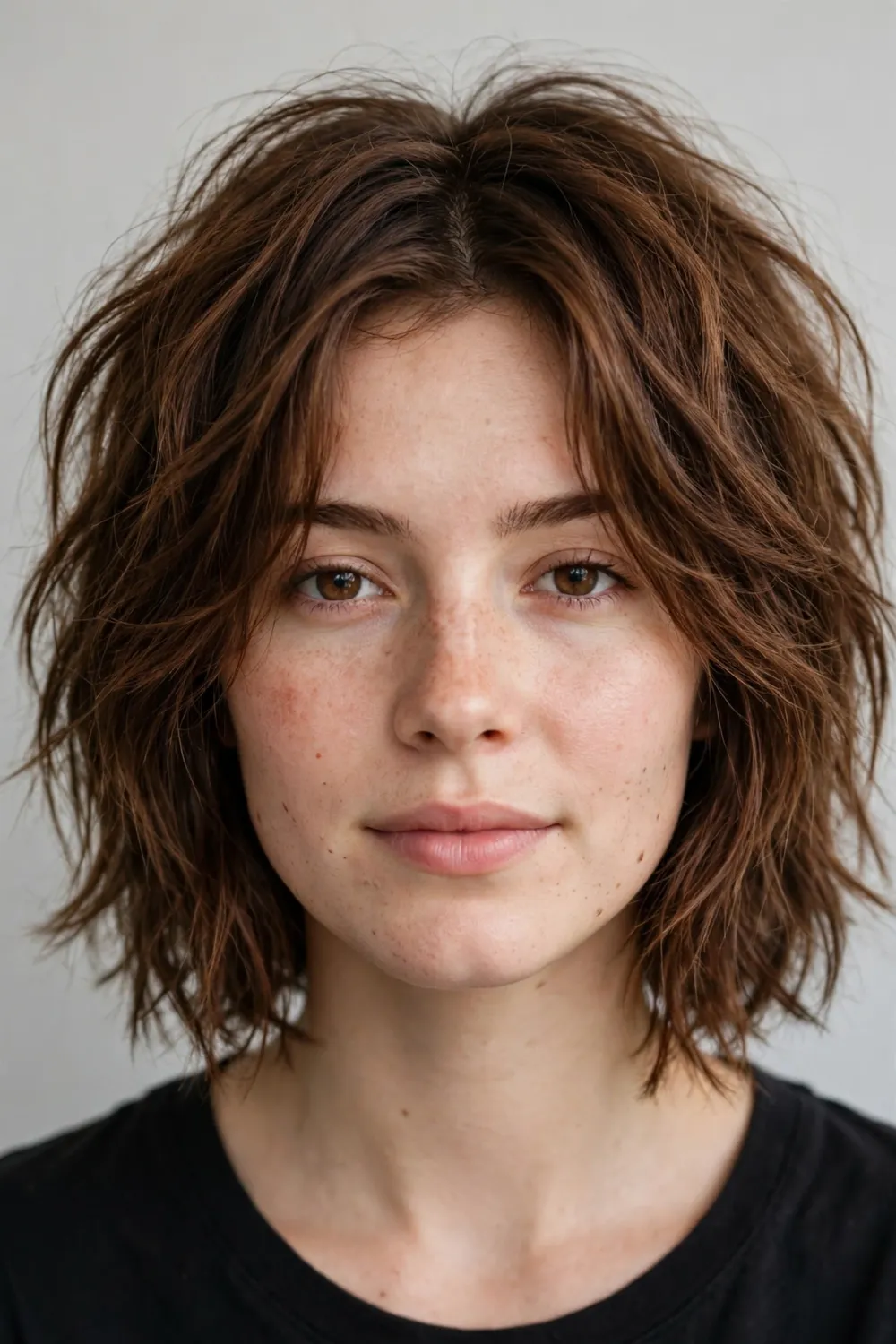
A textured bob takes the familiar chin-length shape and breaks it up with choppy, uneven layers so it moves instead of sitting like a helmet. It’s probably the most forgiving short cut there is — it suits round faces because the layers create vertical lines, and it gives fine hair the illusion of real thickness. If you’re weighing up bob styles, our full guide to bob hairstyles covers the longer and sleeker variations too. Ask for a bob that sits just below the jaw with internal layers cut in, not just sliced ends. A salt spray on damp hair, scrunched and left to air-dry, gives the best lived-in finish. It grows out well, so you can stretch trims to seven or eight weeks, and it looks good slightly messy too.
3. French Bob

The French bob is chin-length, slightly curved under at the ends and usually paired with a soft, straight-across fringe that hits just above the brows. It has an effortless, slightly undone feel that looks expensive without trying. Oval and heart-shaped faces carry it best, and it works beautifully on straight or slightly wavy hair that holds a bend. Ask your stylist for a bob that ends right at the jaw with the ends cut blunt but the fringe point-cut so it doesn’t look heavy. A round brush and a quick pass with the dryer gives it its signature curve; a flat iron can do the same in a pinch. Maintenance is moderate — the fringe needs trimming every three to four weeks, and the bob itself about every six.
4. Short Shag
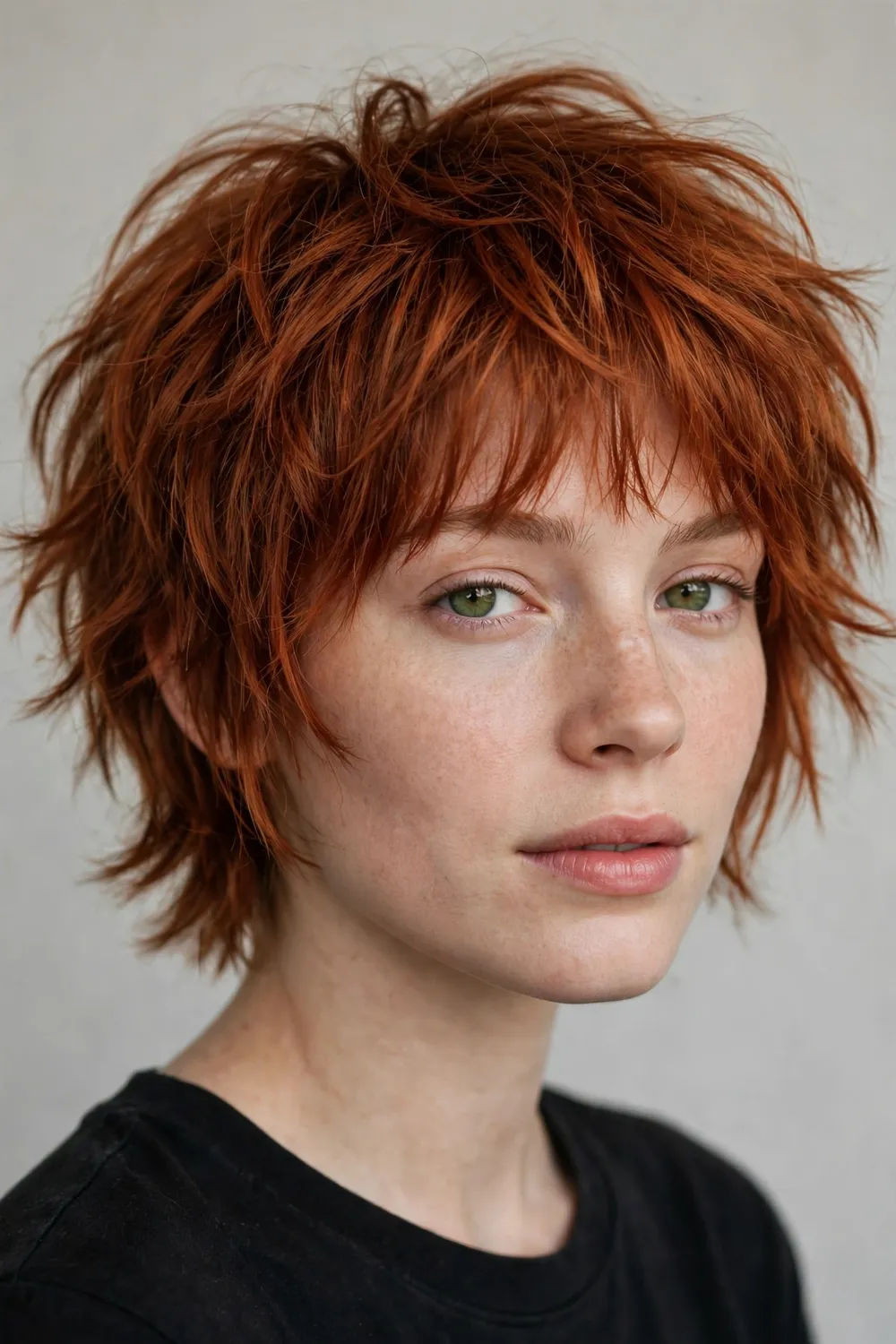
The short shag is all about choppy layers, volume at the crown and a finish that looks deliberately undone. It’s the cut for anyone who wants their hair to look like it has a personality — a bit rock and roll, a bit careless, but in a way that takes real skill to cut. It suits wavy and thick hair especially well, since the layers remove bulk and let the natural texture do the work, and it flatters square faces by softening the jawline. Ask for short layers through the crown, longer pieces around the face and a fringe that blends into the sides. A texturising spray and a rough blow-dry with your fingers is all it needs. Trims every six to eight weeks keep the layers from going stringy.
5. Blunt Bob

A blunt bob is cut to one even length with no visible layers, which is exactly what makes fine hair look so much thicker. The sharp ends create a solid, heavy line that reads as healthy and full, and the shape frames the face cleanly. It suits straight hair best — curls and strong waves will fight the blunt line — and it looks wonderful on oval and square faces. Ask for a bob cut to one length at the jaw or just below, with the ends cut clean rather than thinned. A flat iron pass and a drop of shine serum gives the polished finish this cut deserves. The blunt line shows growth fast, so book a trim every five to six weeks.
6. Curly Pixie
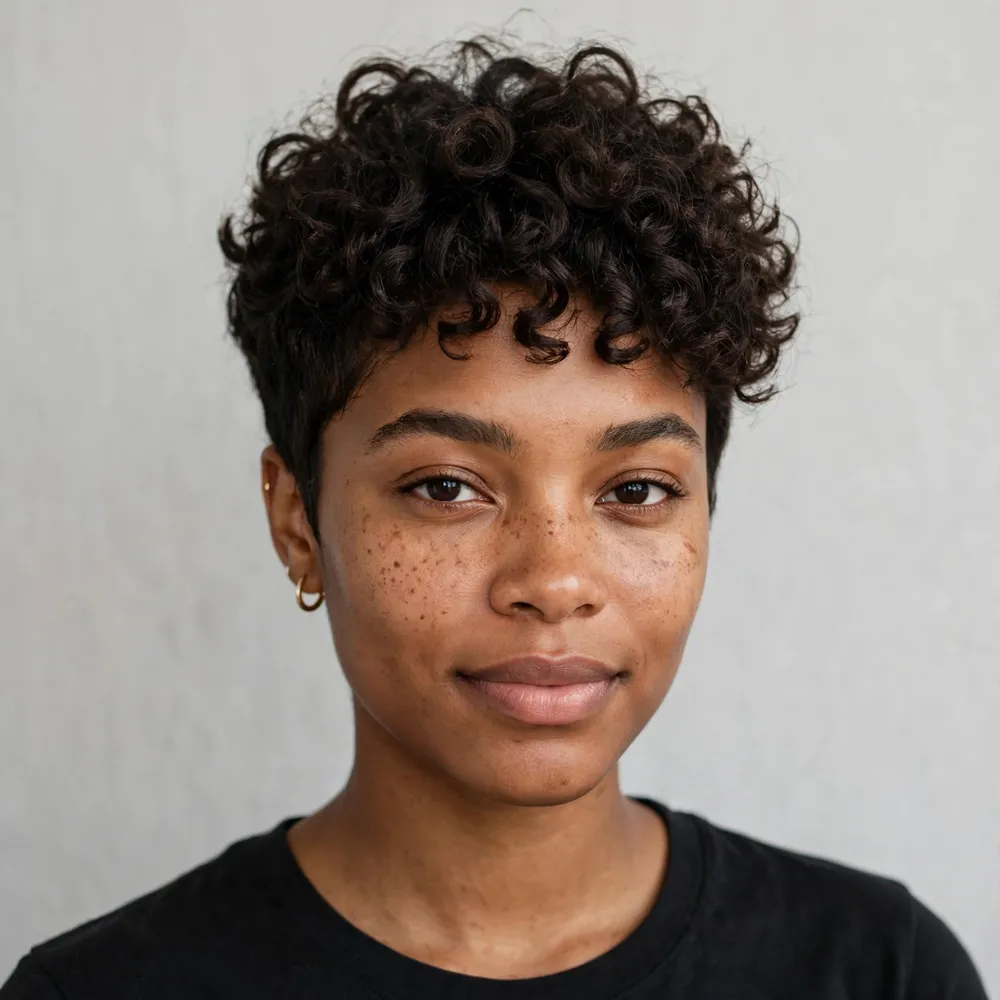
A curly pixie keeps the length on top long enough for curls to form properly while the sides and back are cut short and tapered. The result is all bounce and shape, with none of the weight that pulls curls flat. It suits tight curls and loose curls alike, and it works on round and oval faces because the height on top lengthens the face. Ask your stylist to cut it dry or on damp curls, following your natural curl pattern rather than cutting it like straight hair — this matters more than anything else. Curl cream scrunched into wet hair, left to air-dry or diffused on low heat, gives the best definition. Maintenance is genuinely low: wash, scrunch and go, with a shape-up every six to eight weeks.
7. Layered Lob

The layered lob sits between a bob and shoulder length, with soft layers that give it movement without losing the short-hair feel. It’s the safest first step into short hair — long enough to tie back, short enough to feel like a real change. It suits every face shape, which is rare, and it works on straight, wavy and thick hair. Ask for a cut that ends just above the shoulders with long layers through the mid-lengths and face-framing pieces at the front. A large-barrel curling iron or a round brush gives it a soft bend, and a texturising spray keeps it from falling flat. Maintenance is easy: trims every eight weeks, and it grows out into a longer bob gracefully if you decide to keep going.
8. Asymmetrical Bob
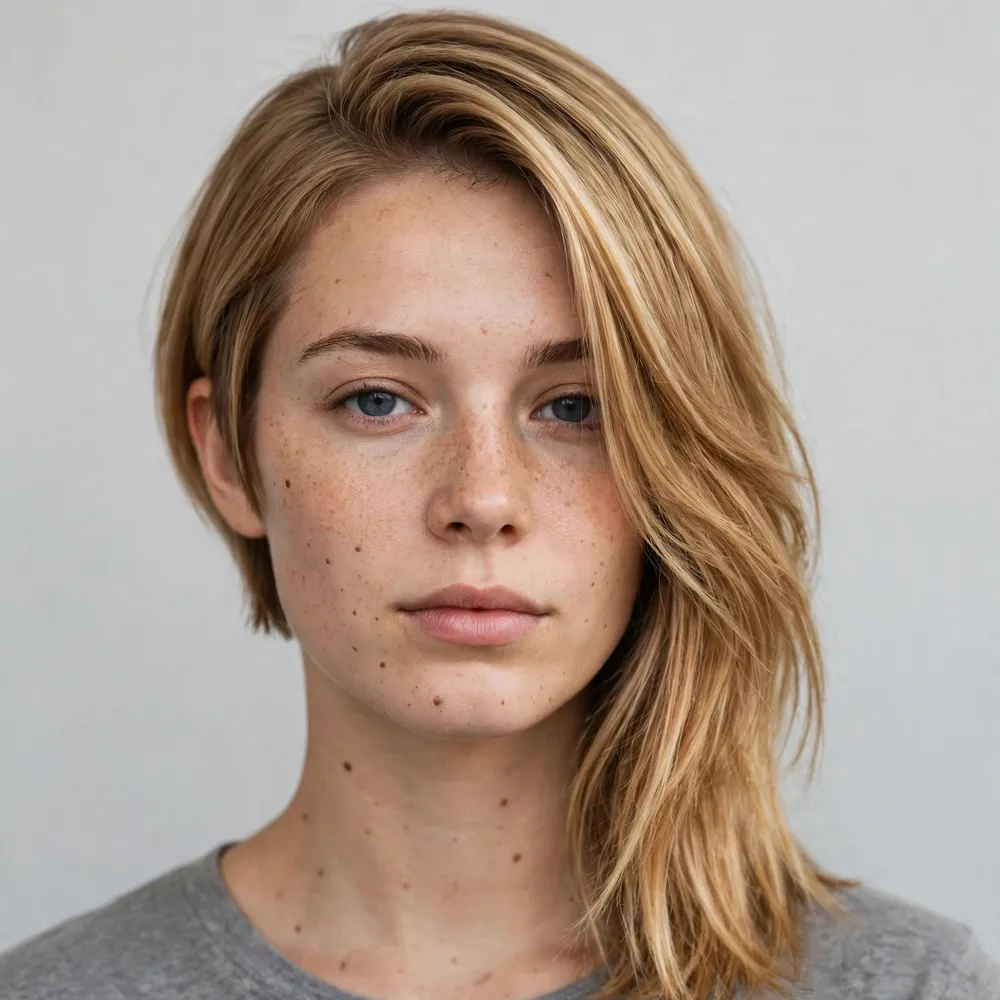
An asymmetrical bob is cut noticeably longer on one side than the other, which gives a classic shape a sharp, modern edge. It’s a bold choice, but it’s also surprisingly flattering — the diagonal line draws the eye across the face and can make a round face look longer. It suits straight hair best, since the asymmetry needs a clean line to read properly, and it looks striking on oval and heart-shaped faces. Ask for the longer side to sit at or just below the jaw and the shorter side tucked close to the ear. A flat iron keeps the line crisp, and a smoothing serum stops flyaways from ruining the effect. Maintenance is moderate: the asymmetry needs a trim every five weeks to stay intentional rather than accidental.
9. Short Wolf Cut
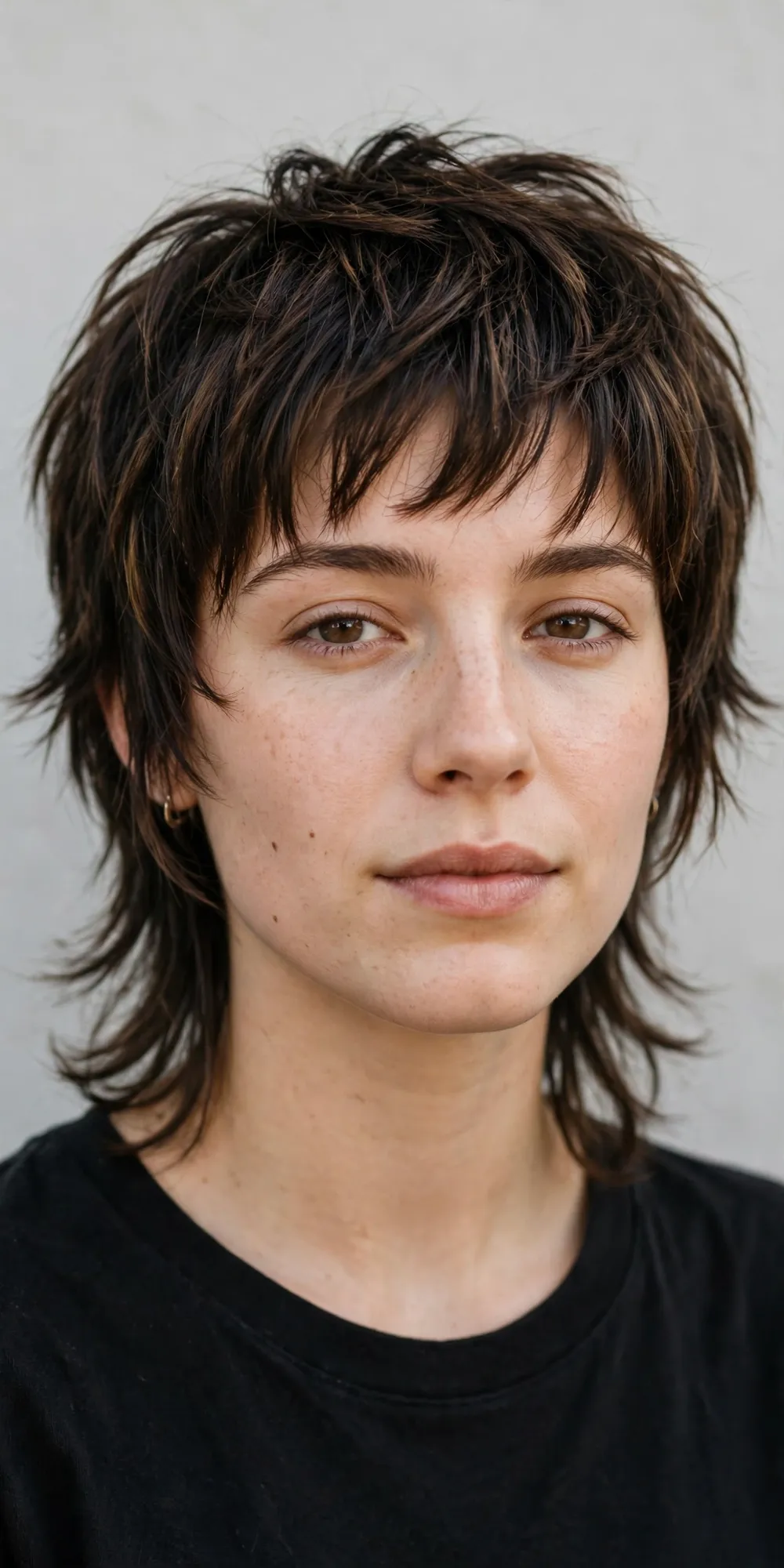
The short wolf cut borrows the shag’s choppy layers and adds a mullet-inspired shape — shorter on top, longer and piecey at the back. It’s the edgiest cut on this list, and it looks cool with almost no effort. It suits thick and wavy hair best, since the layers need some natural texture to hold their shape, and it flatters oval and heart-shaped faces. Ask for heavy layers through the crown, a fringe that blends into the sides and length left at the nape. A texturising spray and a scrunch is genuinely all it takes most mornings. Maintenance is low day to day, but the shape relies on the layers, so a trim every six weeks keeps it from turning into a regular shag.
10. Side-Parted Pixie
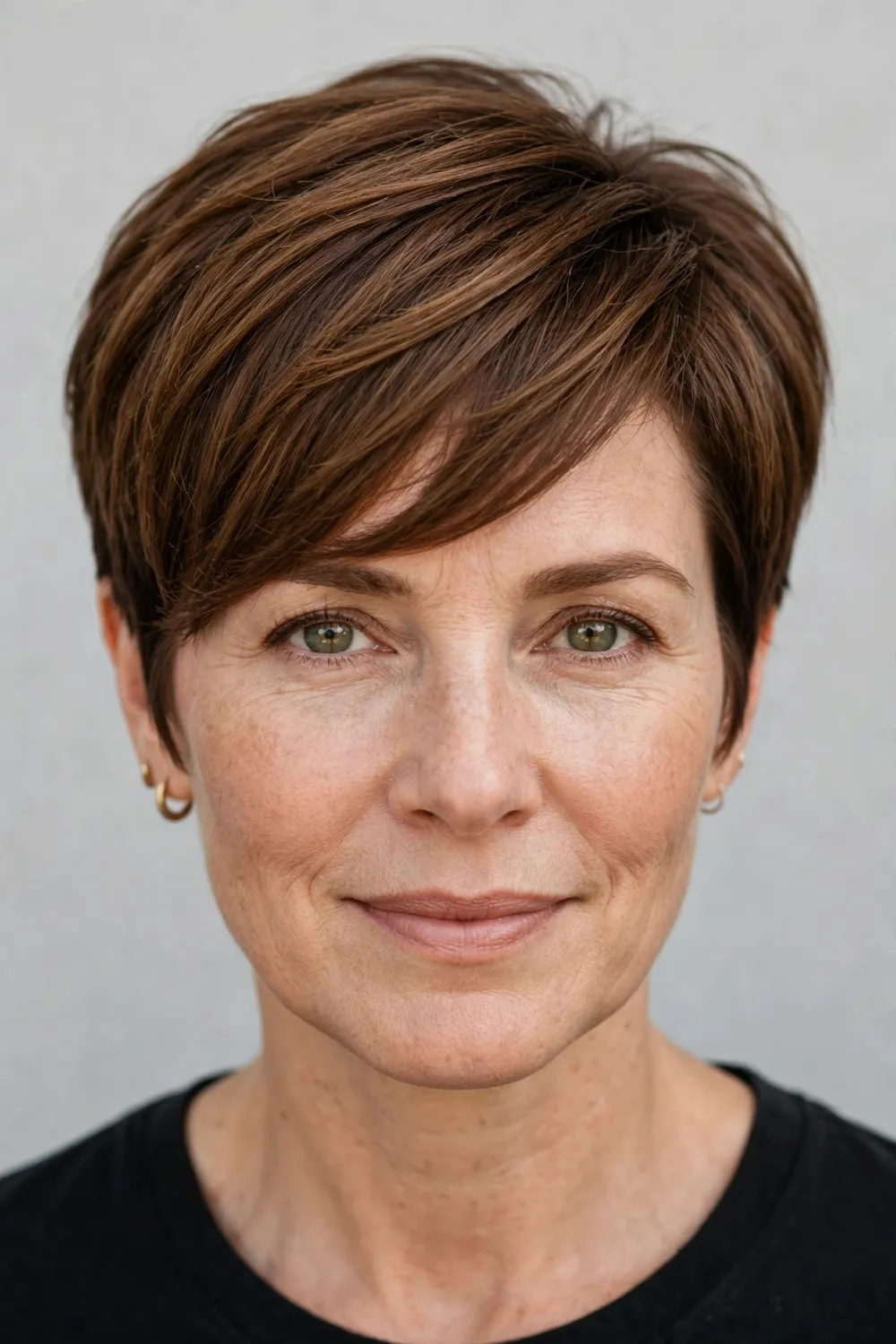
A side-parted pixie keeps the top long enough to sweep across the forehead while the sides stay short and neat. It’s a softer, more grown-up take on the pixie that works brilliantly if you want short hair without the androgynous edge of a classic crop. It suits oval, square and heart-shaped faces, and the side sweep is genuinely flattering on a round face too, since it breaks up the symmetry. Ask for a deep side part, a longer top that can be swept across and tapered sides that sit close to the head. A light styling cream gives it hold without stiffness, and a quick comb-through in the morning is often enough. Trims every four to five weeks keep the part and the taper looking deliberate.
11. Chin-Length Wavy Bob

A chin-length wavy bob is one of those cuts that looks good on nearly everyone, which is why it keeps coming back year after year. The soft waves at the jaw soften the face, add width where it’s needed and give fine hair a fuller look without any backcombing. It suits wavy hair naturally, but straight hair takes to it well with a little help from a curling iron. Ask for a bob cut to chin length with long, soft layers and the ends slightly texturised so the waves don’t look blocky. A sea-salt spray on damp hair, scrunched and air-dried, gives the easiest version of the look. Maintenance is low: trims every seven to eight weeks, and it grows out into a lob without an awkward stage.
12. Short Cut With Curtain Bangs

Curtain bangs parted in the middle and swept to each side soften a short cut in a way that almost nothing else does. They frame the eyes and make the whole style feel intentional rather than just short. This cut suits oval, heart-shaped and long faces, and it works on straight and wavy hair that can hold a soft bend. If you love the fringe, our guide to curtain bangs shows how they work on longer lengths too. Ask for bangs starting at the cheekbone, blending into the side layers, with the main cut kept short and textured. A round brush and quick blow-dry shapes the bangs; on lazy days, a clip while your hair dries does the same job. The bangs need a trim every three to four weeks.
13. Tapered Natural Cut
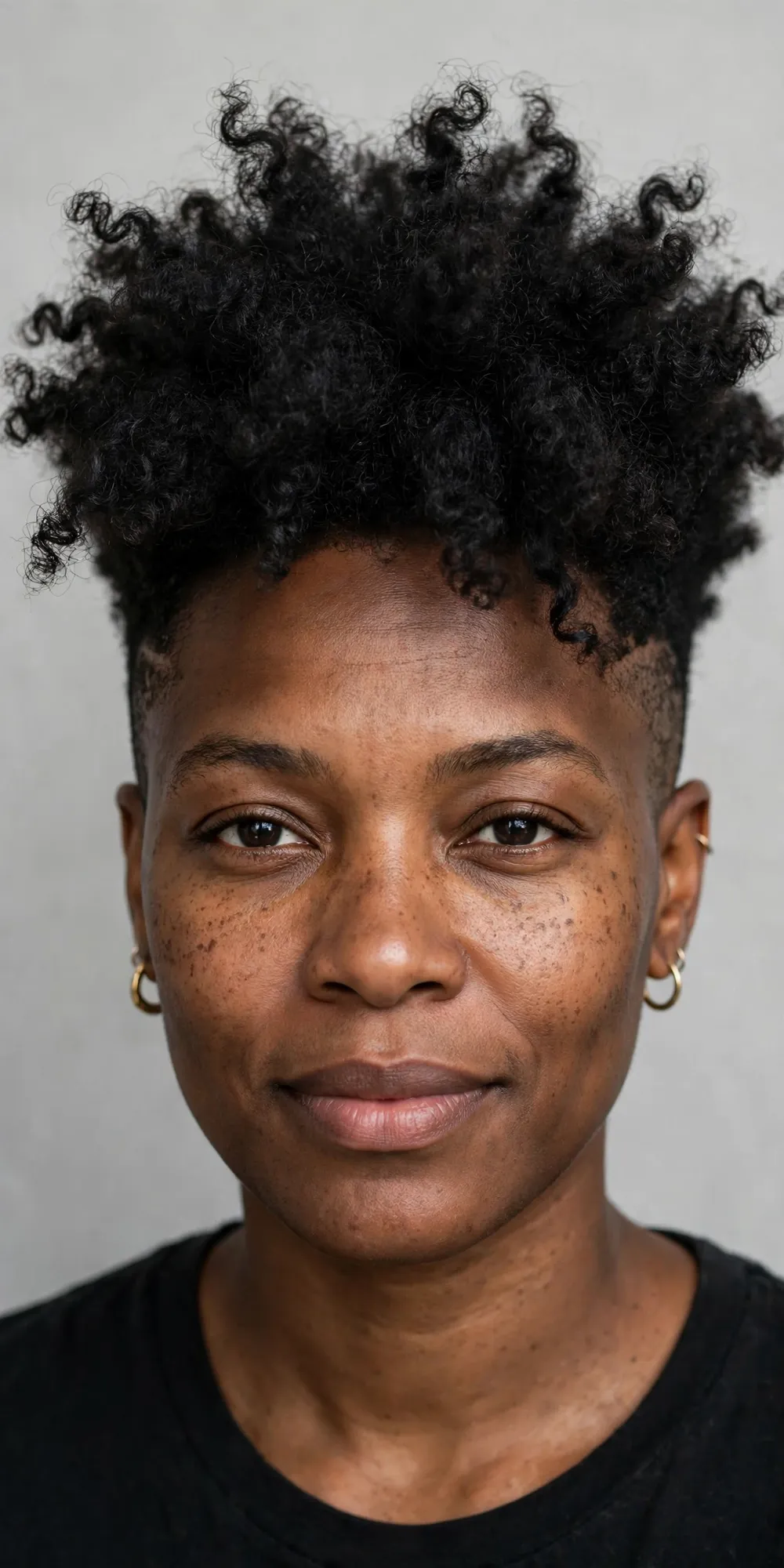
A tapered natural cut keeps the sides and back short and close while the curls on top are left long enough to show their full volume and pattern. It’s a shape that celebrates natural texture instead of fighting it, and the taper gives it a clean, finished outline. It suits coily and curly hair of all types and flatters round and square faces, since the height on top adds length to the face. Ask your stylist to taper the sides gradually and to cut the top to your curl pattern, leaving enough length for definition. A leave-in conditioner and a curl-defining cream, applied to damp hair, keep the curls soft and shaped. A silk scarf at night protects the shape, with a taper tidy-up every four to five weeks.
14. Short A-Line Bob
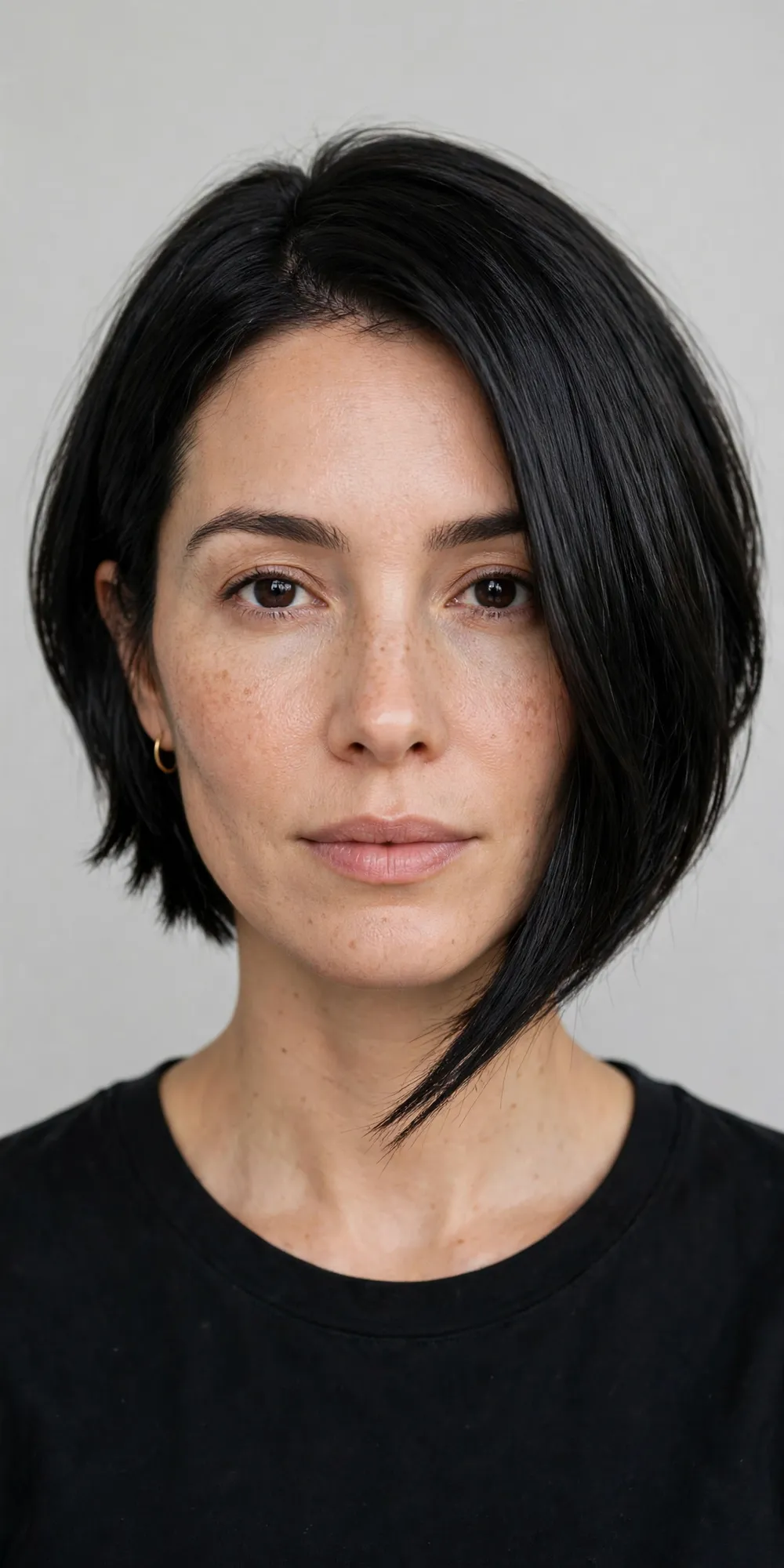
The A-line bob is shorter at the back and angles down to longer pieces at the front, creating a clean diagonal line that makes the neck look longer and the hair look thicker. It’s a polished, structured cut that still feels modern. It suits straight and slightly wavy hair best, and the angle is genuinely flattering on round faces because it draws the eye downward. Ask for a stacked, graduated back with the front pieces reaching the jaw or just below, and a clean, blunt line at the front. A flat iron and smoothing serum keep the angle sharp, though the cut also holds its shape air-dried. Maintenance is moderate: the graduation at the back needs a trim every five to six weeks to keep the angle from disappearing.
15. Bowl Cut With Texture
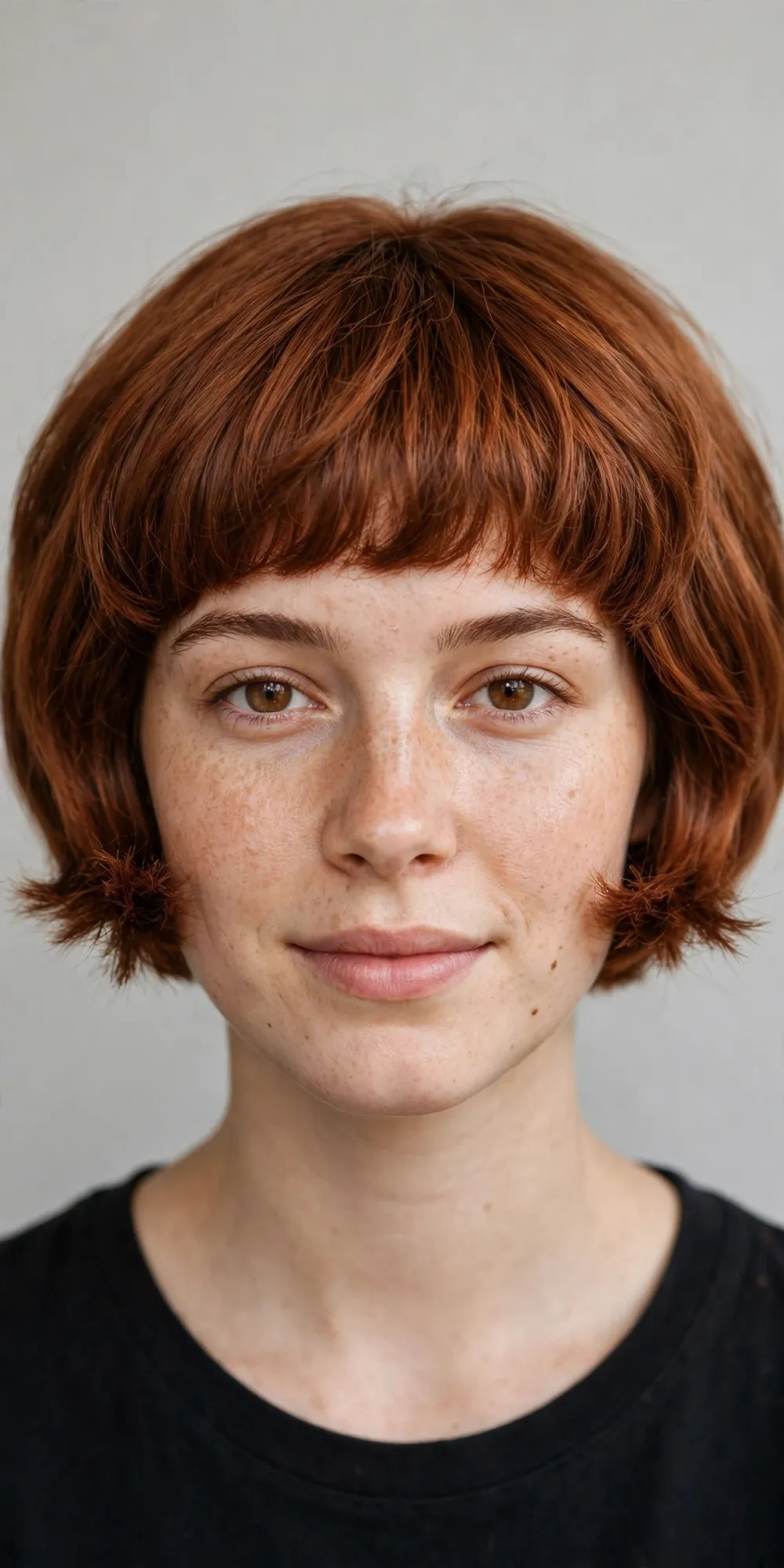
The modern bowl cut has nothing to do with the blunt childhood version — today’s is softened with textured ends, longer pieces at the front and a shape that sits naturally around the head. It’s a fashion-forward choice that looks surprisingly wearable once the texture is cut in. It suits straight and fine hair best, and it works well on oval and heart-shaped faces where the rounded shape frames the features. Ask for a rounded shape cut just above the ears, with the ends point-cut for texture and the front left slightly longer. A light texturising paste gives it separation and stops it looking too neat. The shape is the whole point, so a trim every four to five weeks keeps it from growing into a shapeless mop.
16. Short Layered Cut

A short layered cut is the workhorse of short hair — layers throughout that lift the roots, remove weight and give the hair natural movement. It doesn’t have the drama of a shag or the sharpness of a blunt bob, but it suits more people than either of them. Fine hair gets volume it never had, thick hair loses bulk, and wavy hair gets shape without effort. Ask for layers cut through the crown and sides with the length kept around the ears or just above. A volumising mousse at the roots and a quick blow-dry gives the best lift; on fine hair, a root spray does the same job. Trims every six to seven weeks keep the layers fresh and the shape from going flat.
17. Ear-Length Bob

An ear-length bob is short, neat and quietly confident — it sits right around the ears with a clean line and very little fuss. It’s a great choice if you want a proper short cut but aren’t ready for a pixie, and it suits straight and fine hair particularly well. Oval and heart-shaped faces carry it best, though a side part makes it work on rounder faces too. Ask for a bob cut to ear length with the ends left blunt or very lightly texturised. A smoothing cream and a quick pass with a flat iron gives the polished version; air-dried with a little texture spray, it looks softer and more casual. The length shows growth quickly, so plan a trim every five weeks.
18. Short Bob With Bangs
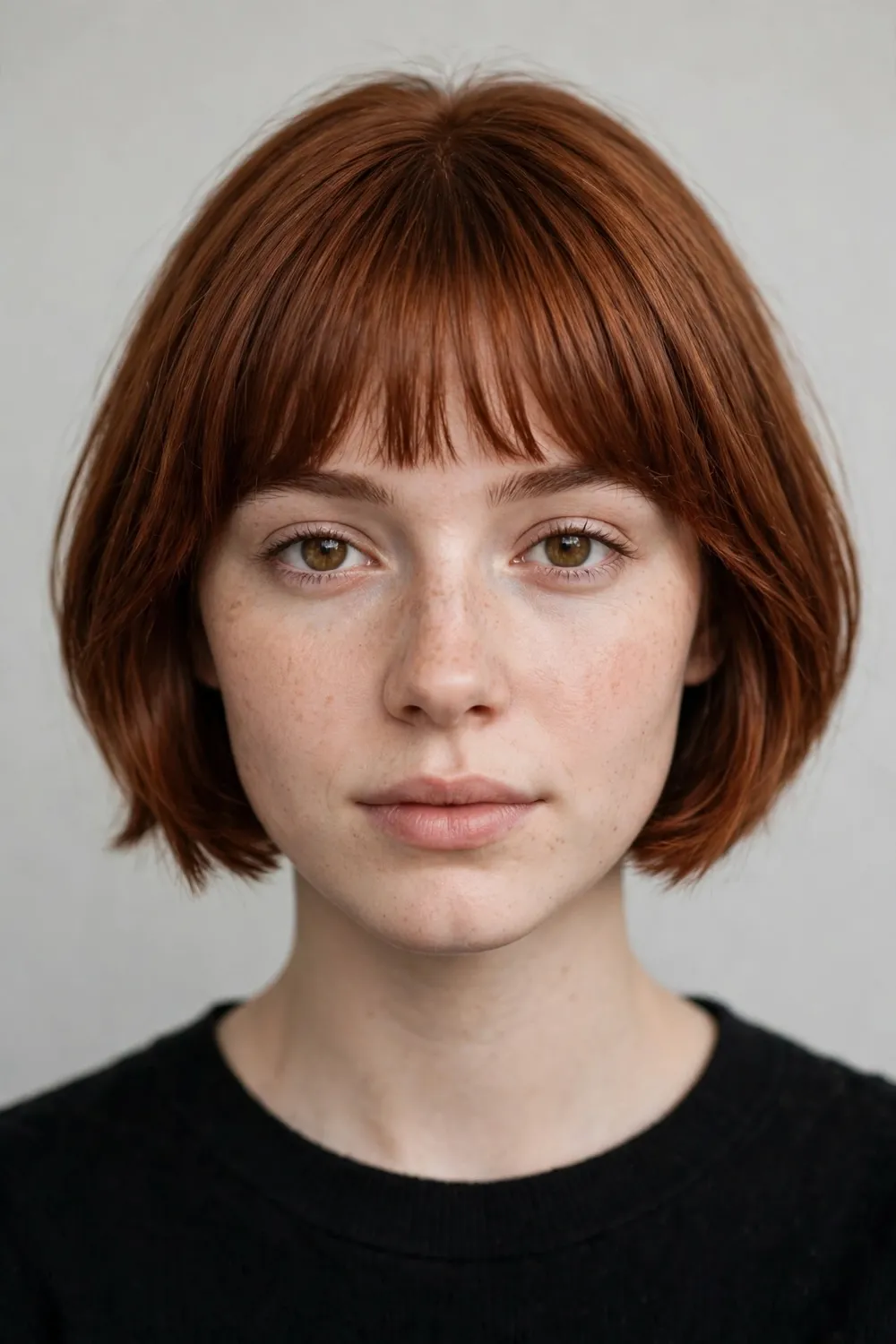
A short bob with bangs pairs a jaw-framing cut with a fringe that draws attention straight to the eyes. The combination is bold but balanced — the bob gives the shape, the bangs give the personality. It suits straight hair best, since the fringe needs to sit cleanly, and it flatters oval and long faces especially well. Ask for a bob that ends at the jaw with a fringe cut to just above the brows, point-cut at the ends so it doesn’t look heavy. A flat iron on the fringe and a round brush on the bob gives the classic finish, and dry shampoo at the roots keeps the fringe from going greasy. Maintenance is the honest trade-off: the fringe needs trimming every three weeks, and the bob every six.
19. Soft Crop Cut
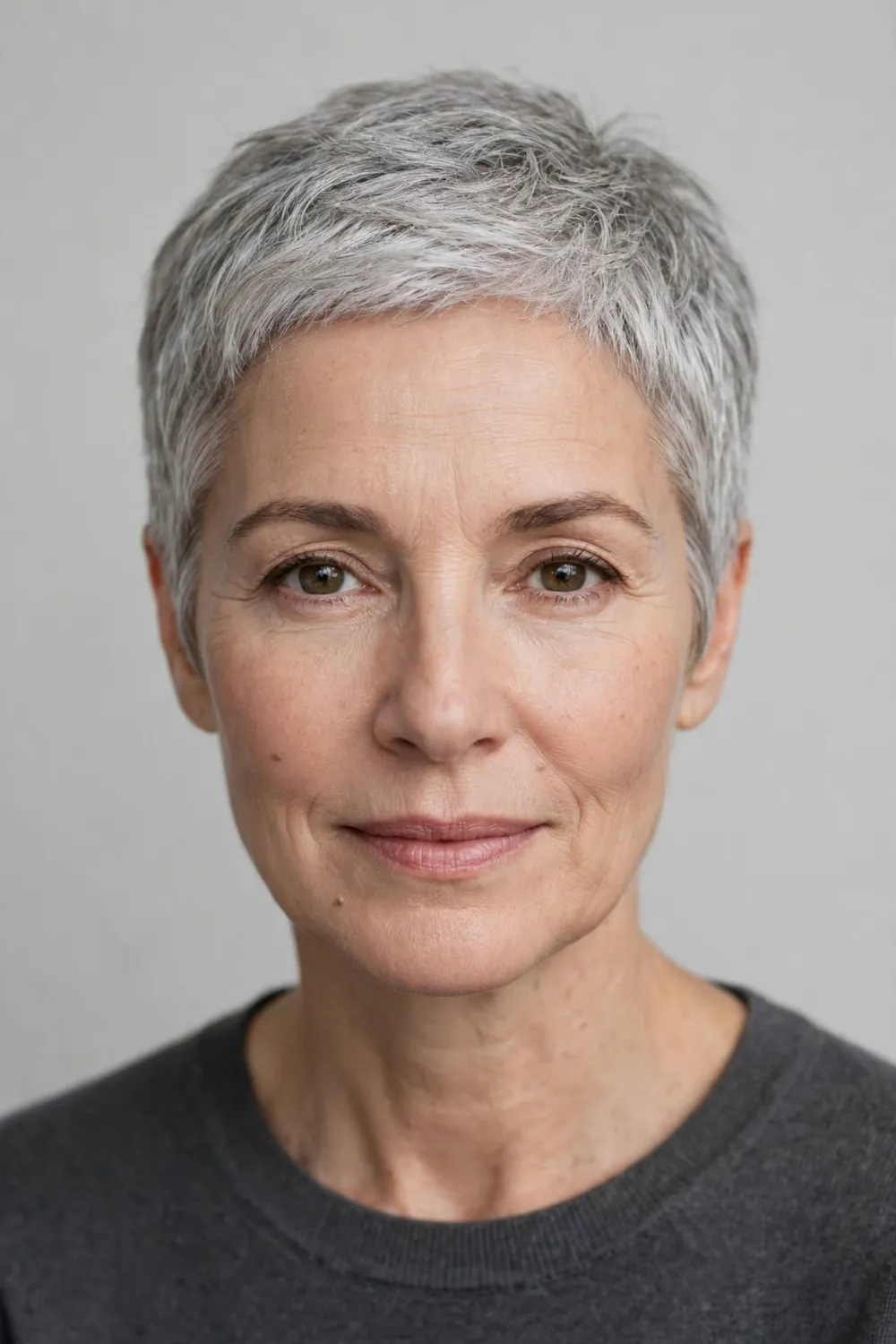
A soft crop is very short but gentle — the edges are textured rather than sharp, and there’s enough length on top to move it around. It’s the cut for anyone who wants the freedom of a pixie without the severity. It suits fine and straight hair well, and it looks lovely on oval and heart-shaped faces where the softness frames the features. Ask for a crop with a slightly longer top, textured ends and a nape that’s tapered rather than shaved. A tiny amount of styling cream gives it a soft, piecey finish, and most mornings it just needs a finger-comb and a shake. Maintenance is low day to day but the shape grows out fast, so a trim every four weeks keeps it looking intentional rather than overgrown.
20. Short Mullet
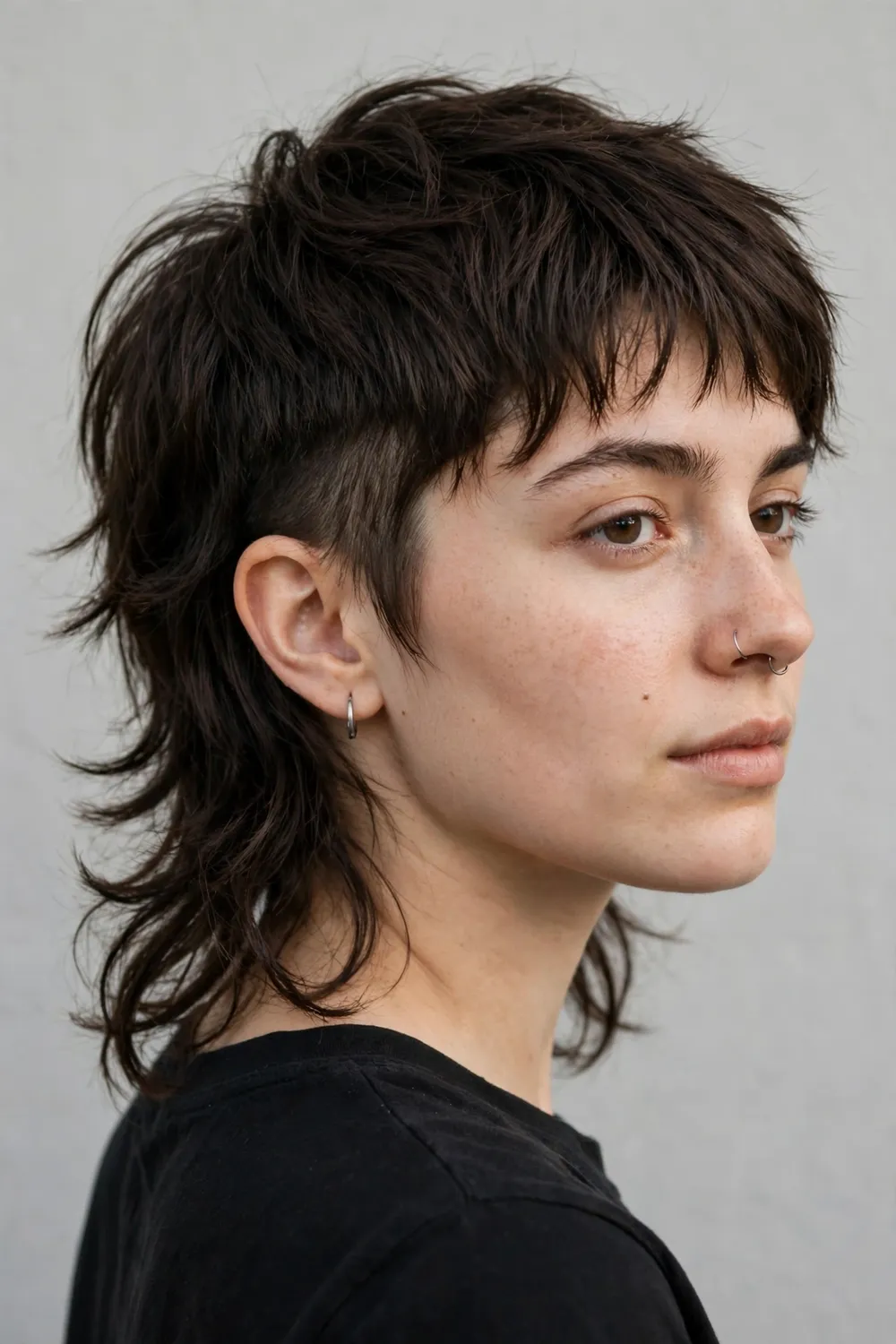
The short mullet keeps the front and sides short with layers, while the back is left longer and piecey. It’s a statement cut, but the short version reads as edgy and cool rather than costume. It suits thick and wavy hair best, since the layers need texture to hold their shape, and it flatters oval and square faces. Ask for short, layered pieces at the front, a fringe that blends into the sides and length left through the back, but kept neat rather than straggly. A texturising spray and a rough dry is all it needs, and it looks better slightly messy than perfectly styled. Trims every six weeks keep the back from getting too long and the front from losing its edge.
21. Buzz Cut
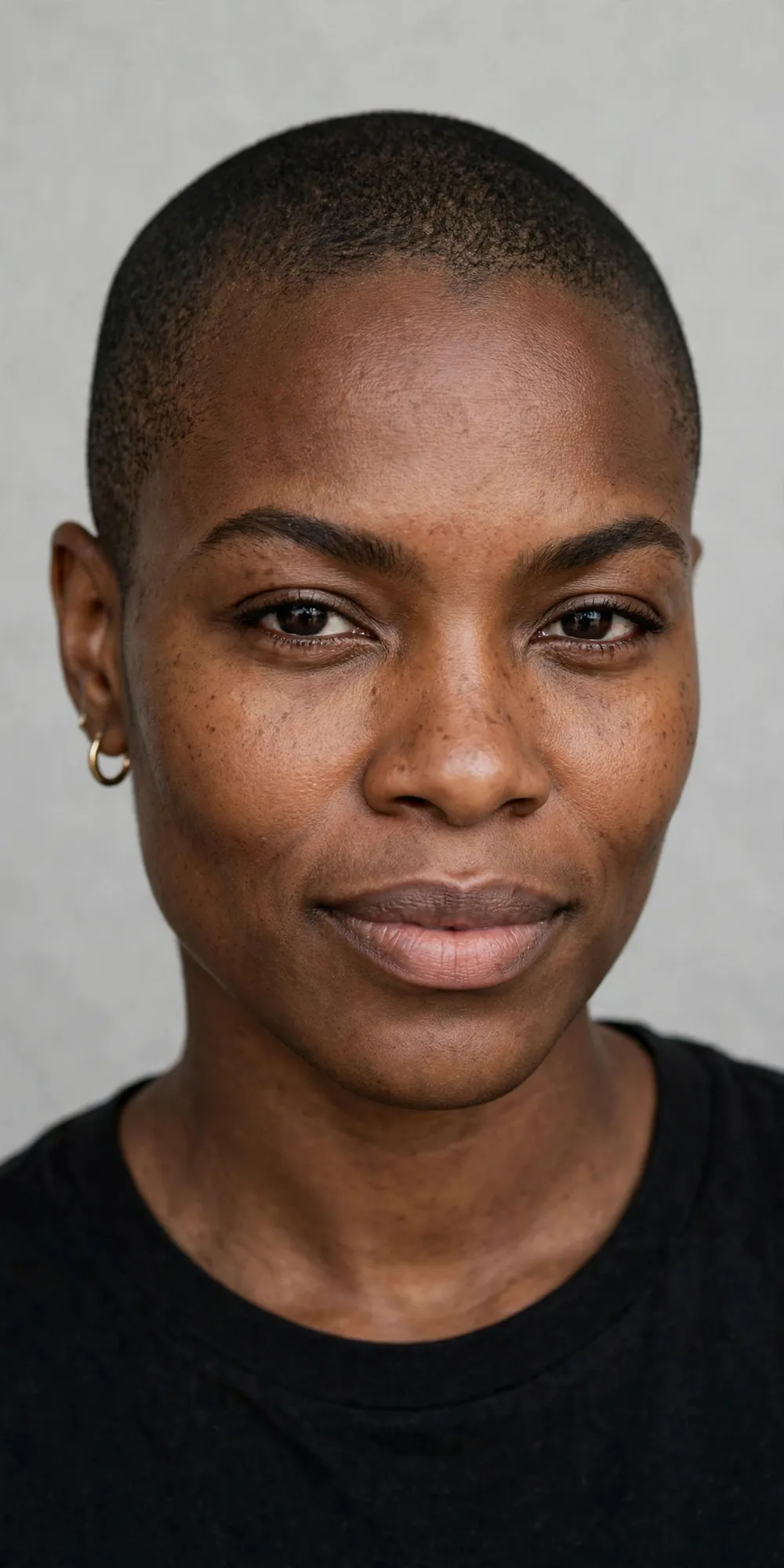
A buzz cut is the shortest cut on this list — one even length all over, usually a number one or two guard — and it is also the boldest. It puts your face and bone structure front and centre. It suits oval and heart-shaped faces best, and it works on every hair type because there’s barely any hair to fight with. Ask for a single guard length all over, with the edges cleaned up at the nape and around the ears. There’s no product and no styling to speak of — a little scalp oil keeps it looking healthy, and sunscreen on the scalp matters more than you’d think. Maintenance is a clipper pass every two to three weeks, which you can even do at home.
22. Short Feathered Cut
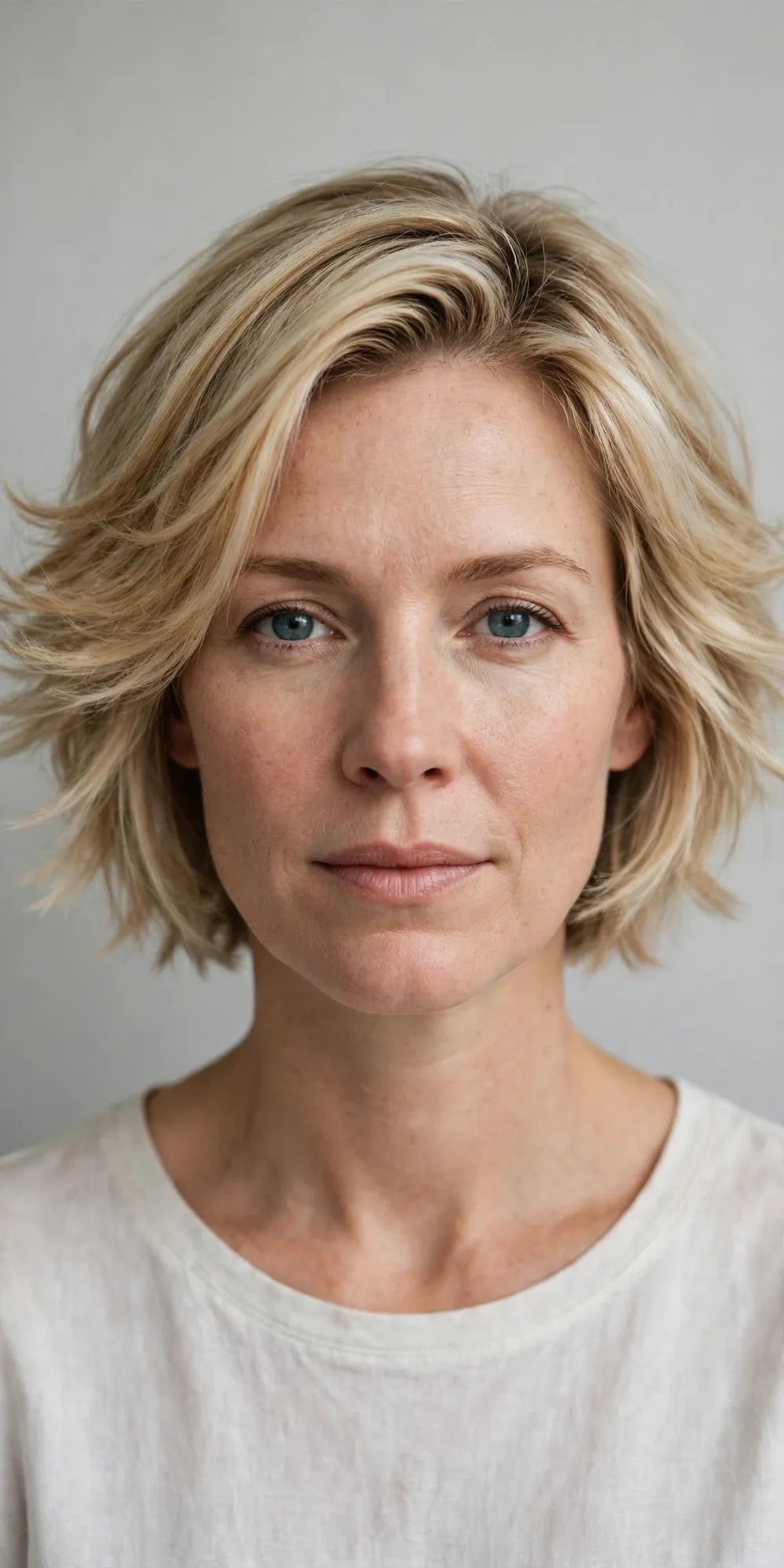
A short feathered cut uses light, wispy layers that sweep away from the face, giving the hair an airy, almost weightless feel. It’s a soft, feminine take on short hair that works beautifully on fine hair, since the feathering creates movement without removing the little volume that’s there. It suits oval and heart-shaped faces, and the layers are flattering on a long face too, because they add width at the sides. Ask for feathered layers cut with a razor or thinning shears, with the length kept around the ears and the front pieces swept back from the face. A light mousse and a round brush gives it lift, or a quick blow-dry with your fingers gives a softer finish. Trims every six weeks keep the feathering from going limp.
23. Stacked Bob
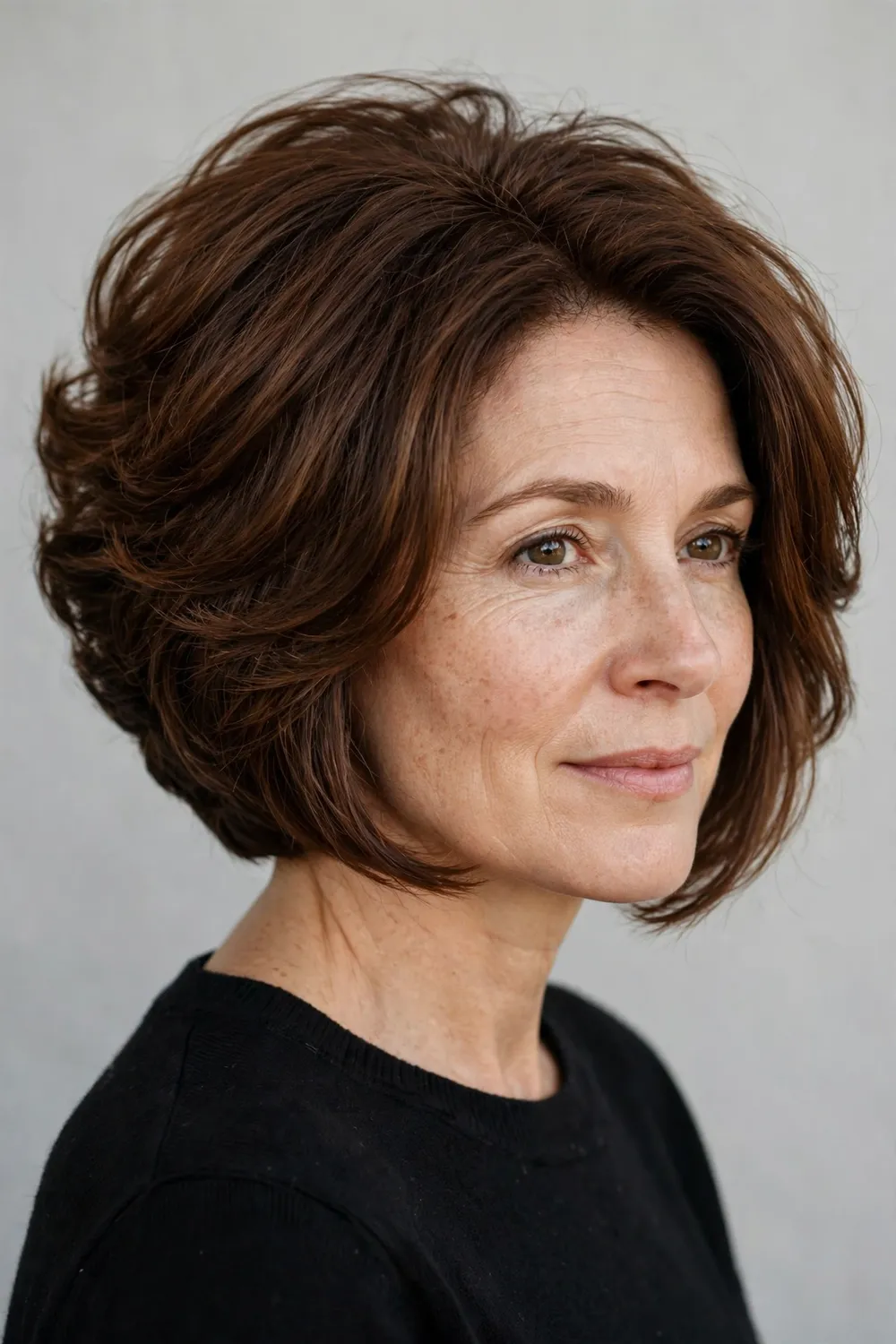
A stacked bob builds volume at the back with short, graduated layers while the front pieces stay longer, creating a rounded shape that’s full at the crown and sleek at the jaw. It’s the cut that gives fine hair the most volume of any bob, and it looks polished without much effort. It suits straight and slightly wavy hair best, and it flatters round and square faces because the height at the back lengthens the silhouette. Ask for stacked layers at the back, graduated from the nape, with the front cut to the jaw. A round brush and a blow-dryer gives the signature volume. Trims every five to six weeks keep the stack from collapsing.
The 46 best hairstyles for short hair (continued)
24. Short Choppy Bob
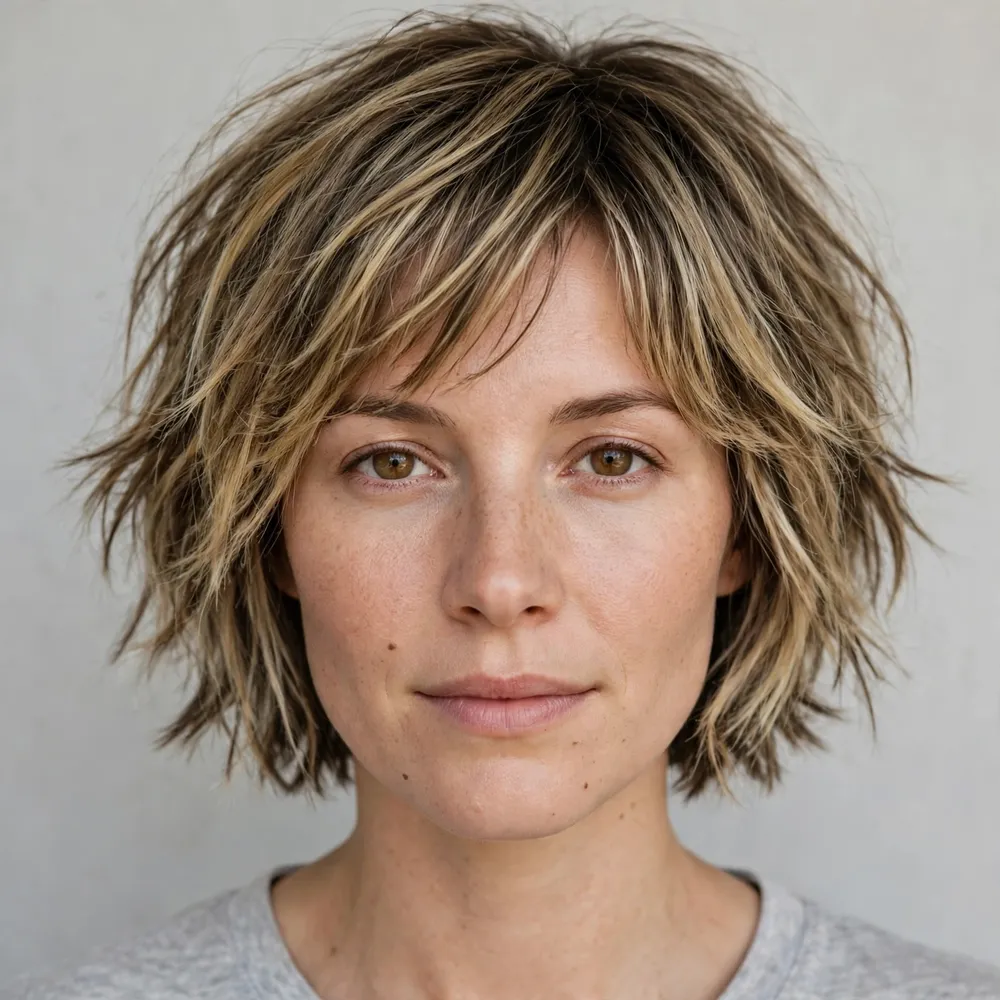
This is the bob for anyone who hates looking too polished. Uneven, piecey layers are cut all through the length, so the ends kick out in different directions and the whole shape feels lived-in from the first day. It suits straight to wavy hair best, and it’s one of the easiest bobs for round and square faces because the irregular ends break up the outline instead of boxing it in. Ask your stylist for a chin-length bob with point-cut, choppy layers and no blunt perimeter — you want the ends to look undone, not sheared. The trade-off is that it needs a trim every five to six weeks, because once the layers grow out unevenly in the wrong way, the shape collapses and it starts to look accidental rather than intentional.
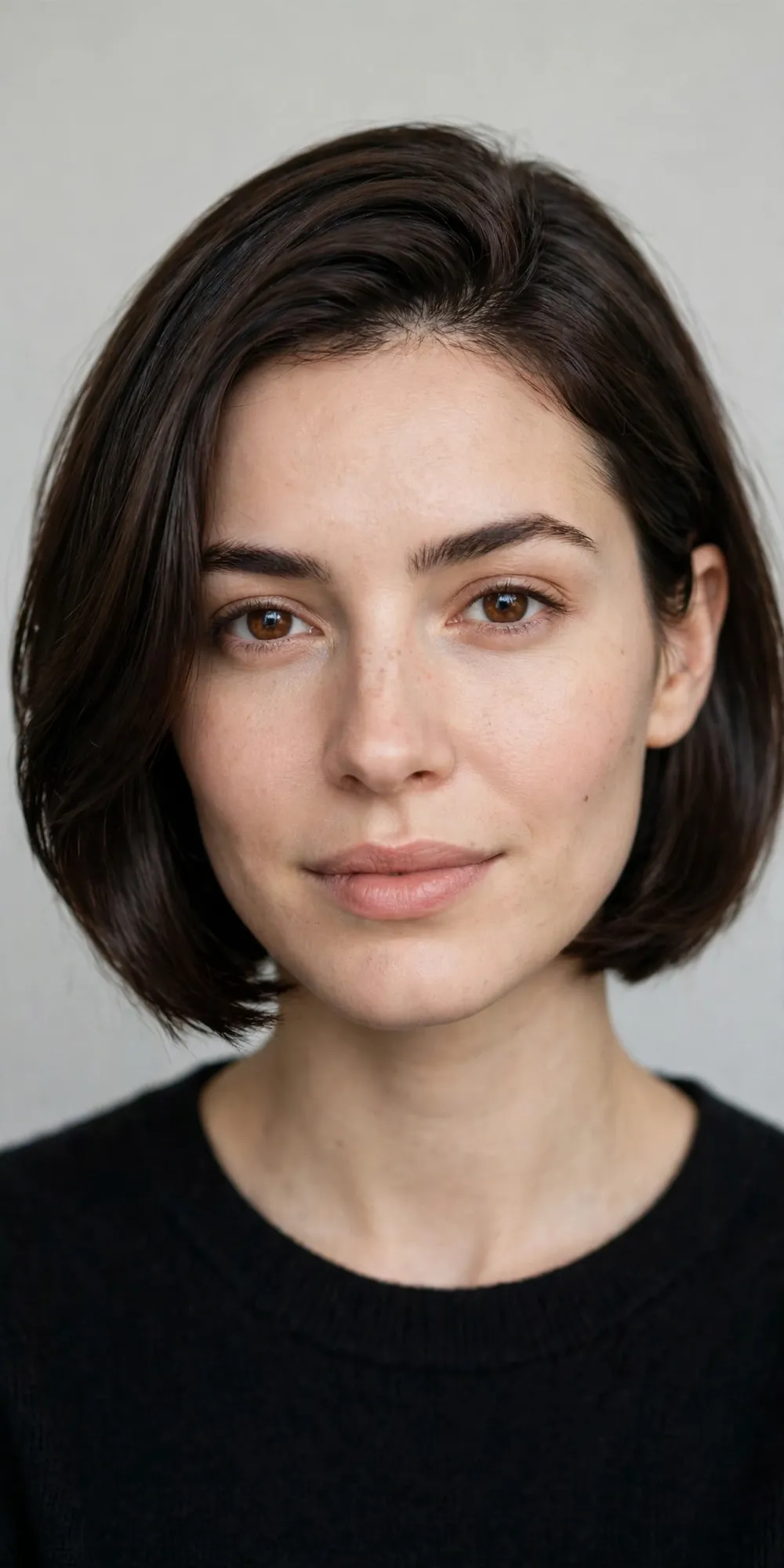
25. Sleek Short Bob
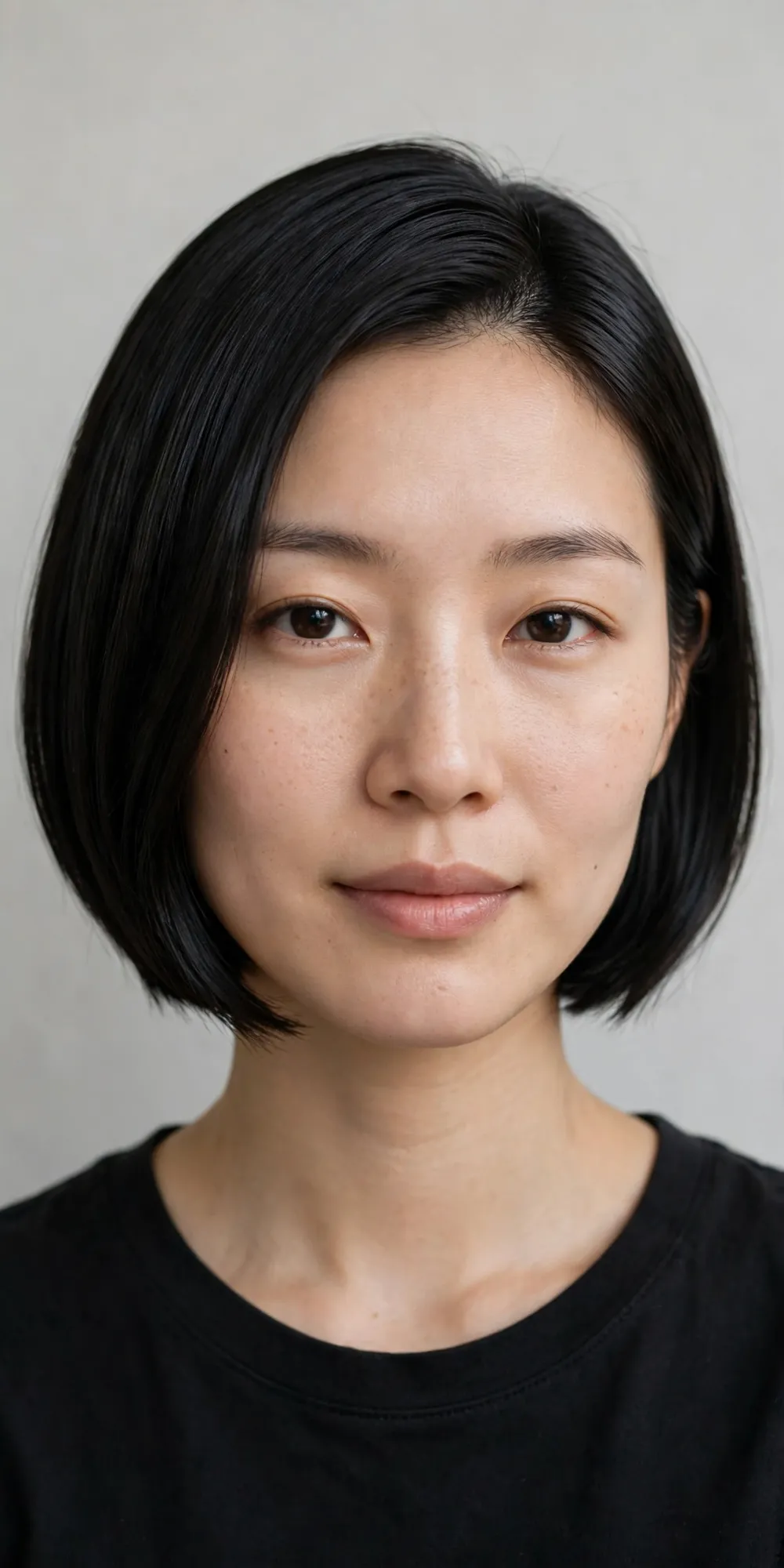
A sleek short bob is the opposite of the choppy one above — every strand sits where it should, the ends are razor-even, and the finish is smooth with a healthy shine. It flatters oval and heart-shaped faces particularly well, and it makes fine hair look far thicker than it is because the blunt edge creates one solid line of density. Ask for a jaw-length bob with zero layers and a clean, blunt baseline, then have it thinned only very slightly underneath so it sits flat rather than puffing out. Maintenance is honest work: flyaways show instantly on a sleek finish, so keep a smoothing balm in your bag and book a trim every four weeks to keep that edge crisp.
26. Short Wavy Pixie
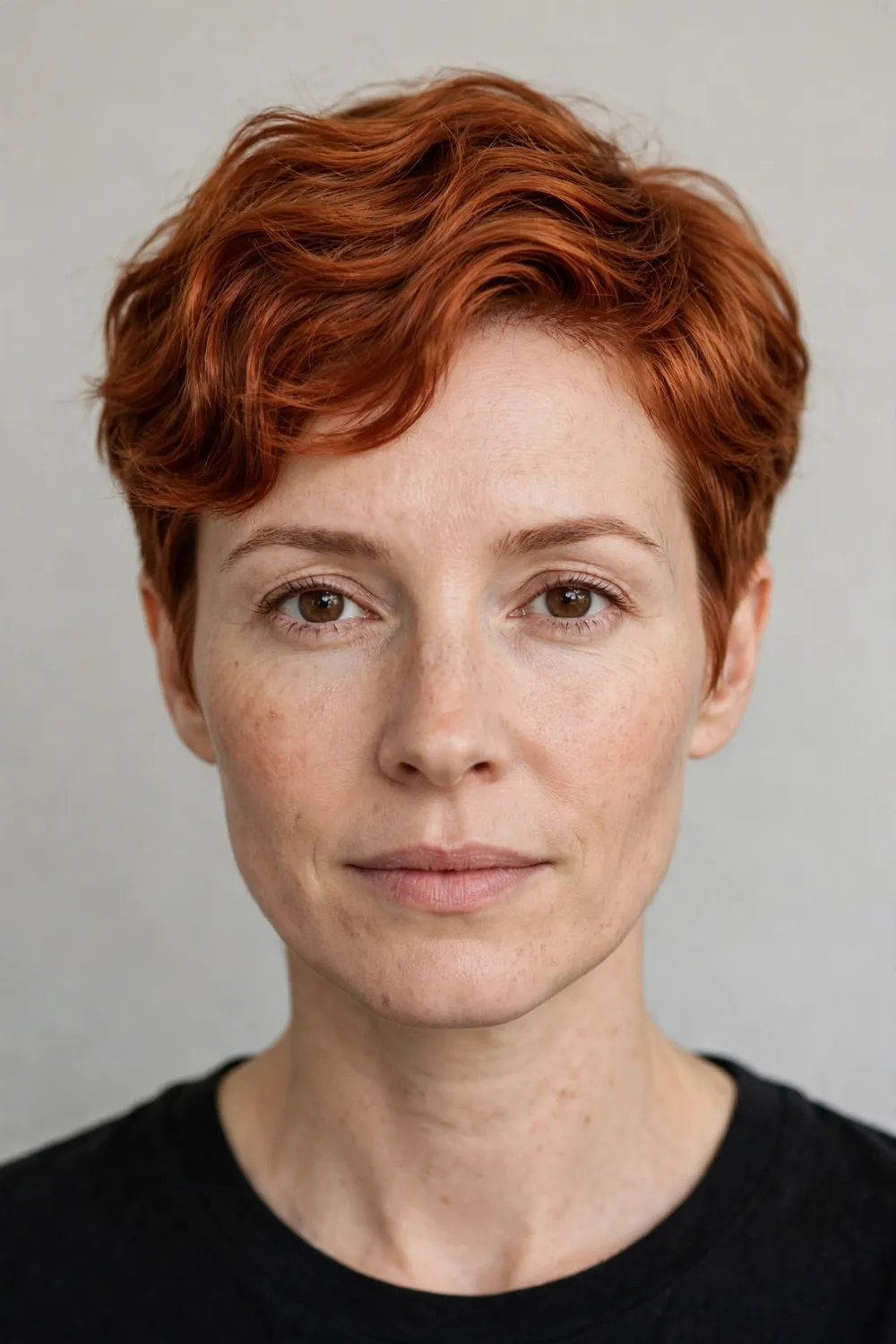
A short wavy pixie keeps the sides neat and short but lets the top keep its natural wave, so you get the ease of a pixie without the flat, helmet-like finish that straight pixies can give. It’s made for naturally wavy hair — the texture does most of the styling for you — and it suits oval, round and heart-shaped faces because the waves add width up top and balance a narrower jaw. Ask your stylist to keep the sides and back tapered short and leave length on top, then cut the waves with the curl in mind rather than combing them straight first. Grow-out is the catch: once the sides lose their taper, the shape goes boxy, so plan on a tidy-up every four to five weeks.
27. Rounded Bob

The rounded bob curves gently under at the ends, hugging the jawline and giving the whole cut a soft, polished silhouette. It’s one of the most forgiving bobs out there — it suits almost every face shape, but it’s especially kind to long and square faces because the curve adds width where it’s needed and softens a strong jaw. Fine to medium hair works best; very thick hair needs the under-layers thinned or the curve turns into a triangle. Ask for a chin-length bob with a curved, graduated undercut underneath so the ends roll under naturally instead of sticking out. It needs a trim every five weeks to hold the curve, and it does fall flat in humidity, so keep a light anti-frizz spray handy.
28. Bixie Cut
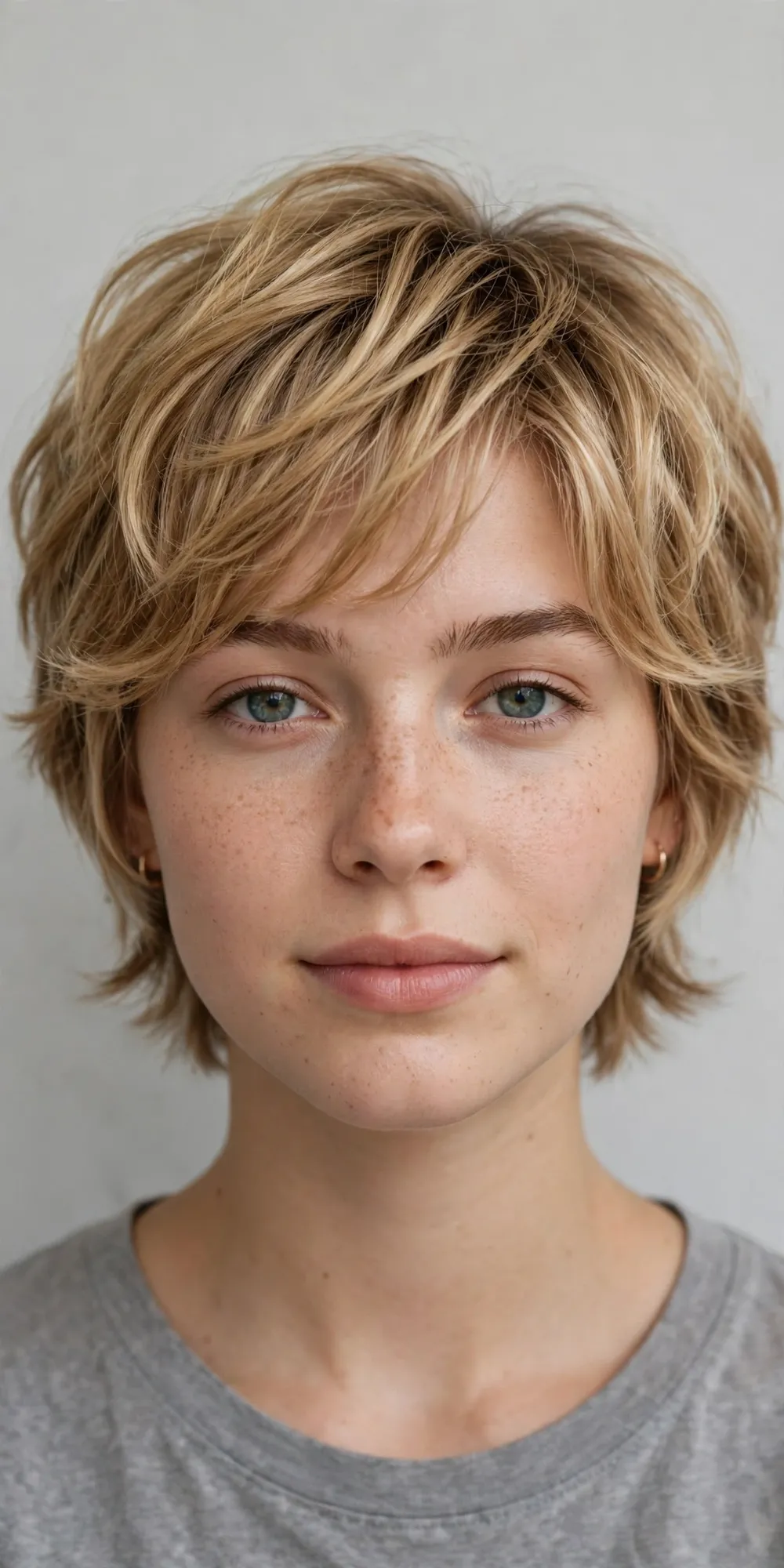
The bixie is exactly what it sounds like — a bob and a pixie had a baby, and the result is one of the most searched cuts of 2026. It’s longer than a pixie but shorter than a bob, with soft textured layers, volume on top and a little length around the ears and neck. It suits nearly everyone, and it’s a standout for fine hair and round faces — the layers add fullness and the longer front pieces elongate. Ask your stylist for a bixie with a tapered nape, textured layers on top and soft, face-framing pieces that fall just above the chin. Once it grows past the chin it’s a bob again, so expect a trim every five weeks if you want to keep the bixie identity.
29. Long Pixie
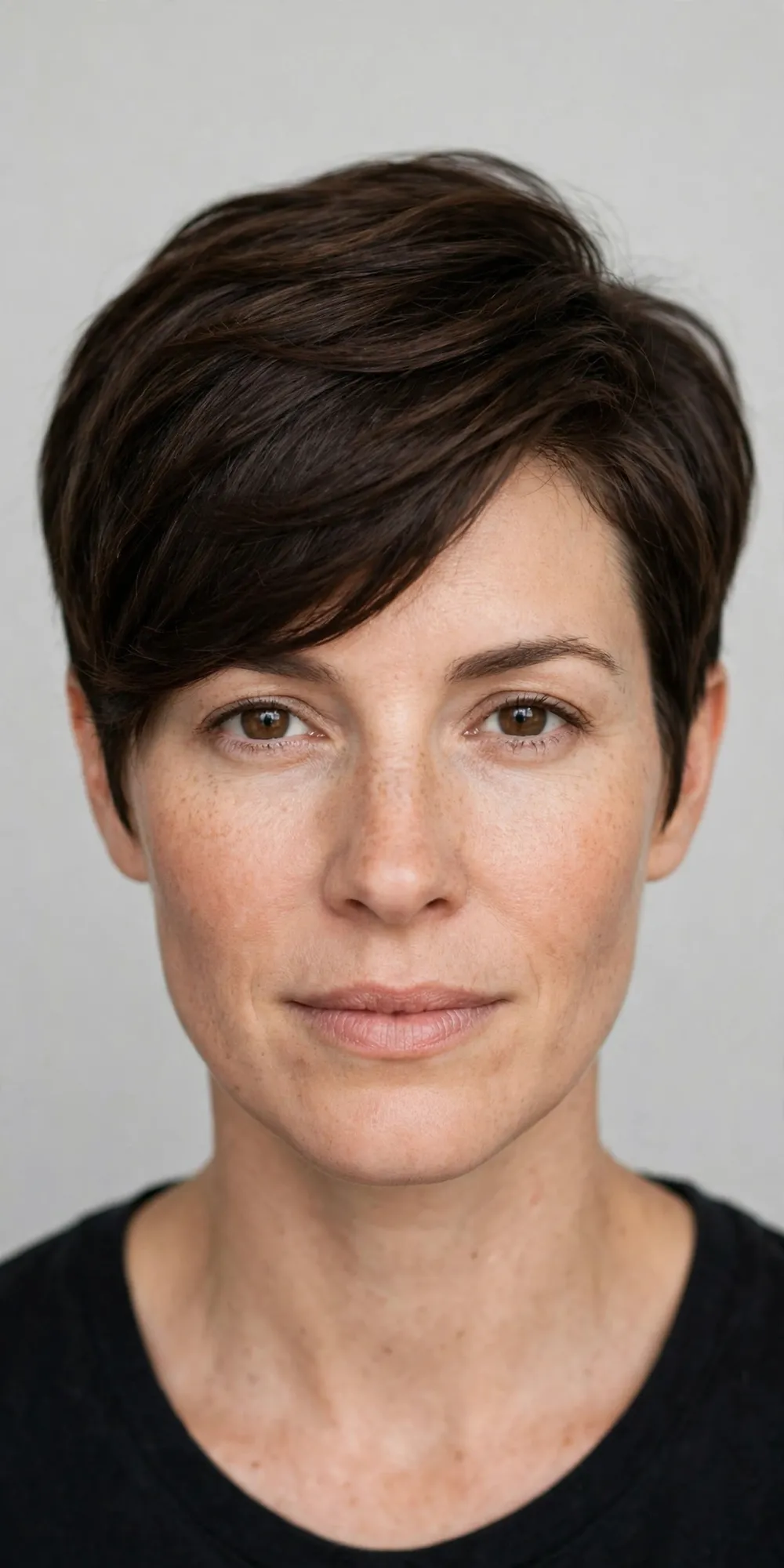
A long pixie keeps the back and sides short but gives you a generous sweep of length on top — enough to tuck behind one ear, push to the side, or even pin back when you want a change. It’s the safest pixie for anyone nervous about going very short, and it flatters oval, heart-shaped and square faces because the longer top can be styled to add height or soften angles. Ask for a pixie with a short tapered back, longer layers on top that reach the cheekbone or just past it, and soft, blended edges rather than harsh disconnects. Maintenance is lighter than a classic pixie — trims every six to seven weeks are usually enough — though the top does need reshaping before it starts falling into your eyes.
30. Piecey Pixie

A piecey pixie is all about separation. The ends are shattered and texturised so the hair falls in distinct, defined pieces instead of one solid sheet, which gives the cut movement and an edgy, modern feel. It works beautifully on straight to slightly wavy hair and suits oval and heart-shaped faces best — the separated texture stops the cut from looking severe and adds softness around the face. Ask your stylist for a pixie with point-cutting and razor work through the top, and make sure they show you how to piece it out. It needs regular trims every four to five weeks because once the piecey ends grow blunt, the whole effect disappears — and it’s not the best choice if your hair is very curly, since the pieces can frizz instead of separate.
31. Pixie with Undercut
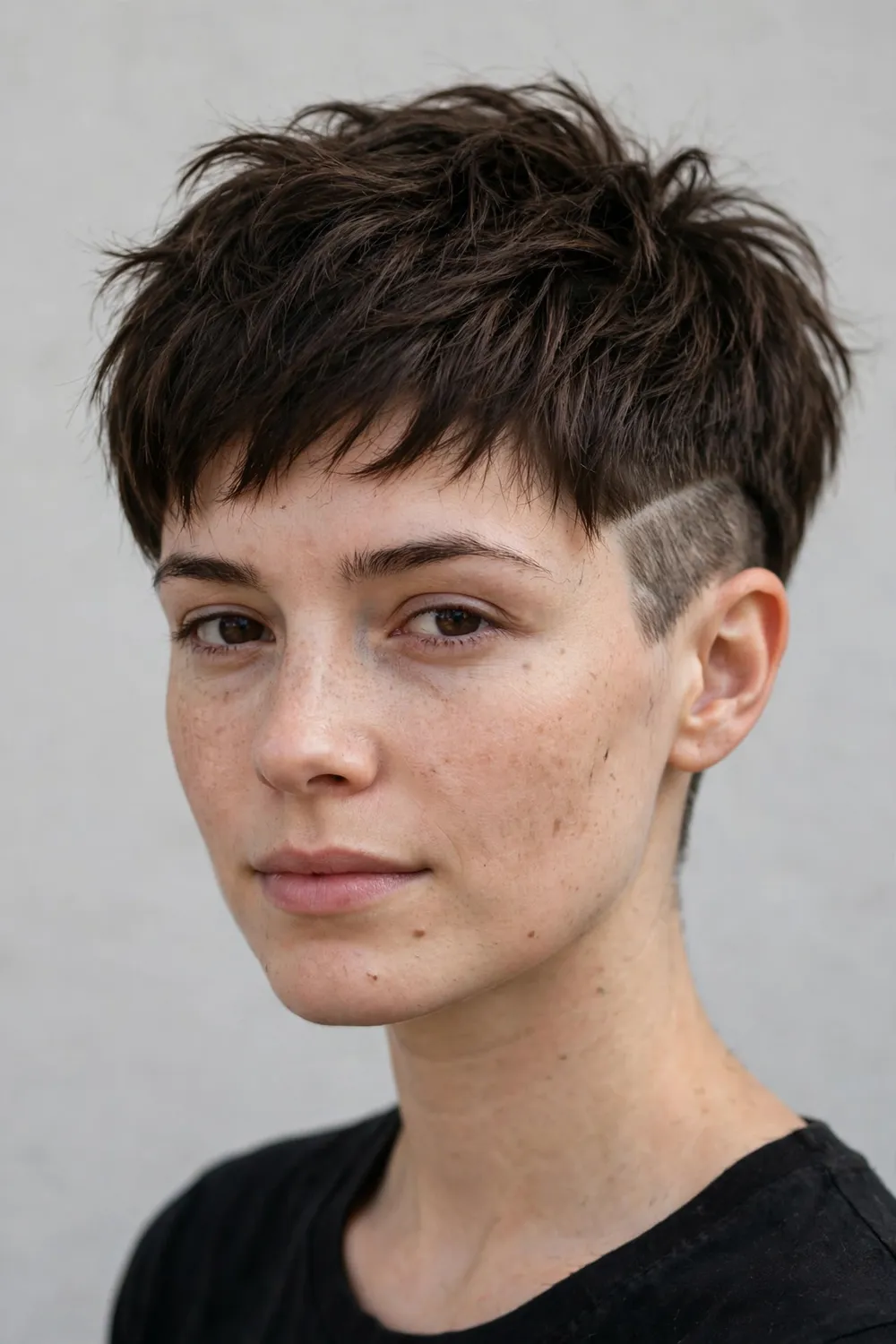
An undercut takes a pixie and gives it attitude: the sides (and sometimes the nape) are clipped short or shaved, while the top stays long and textured, creating a sharp contrast that turns heads. It suits oval and heart-shaped faces especially well, and it’s a brilliant option for thick hair because removing the bulk from the sides makes the top far easier to manage. Ask for an undercut on one or both sides with a textured, longer top that you can sweep across or spike up — and agree on the clipper length first, because a number-two guard and a skin fade are very different looks. The commitment is real, though — the undercut needs re-clipping every two to three weeks or the contrast fades, and growing it out means months of awkward blending.
32. Graduated Bob
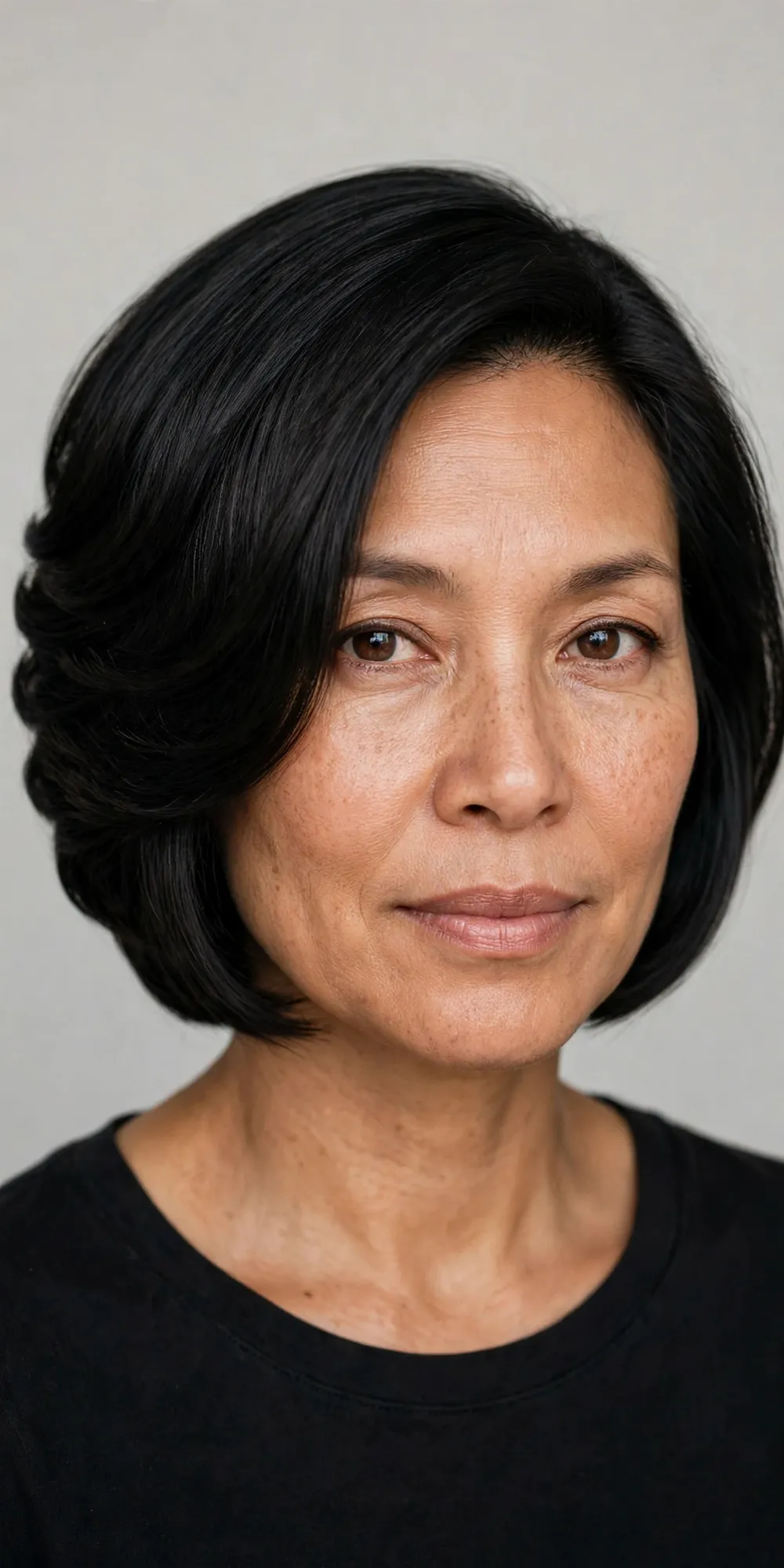
The graduated bob is the classic salon cut that never really goes away. Stacked layers are built up at the back, shorter underneath and longer on top, so the shape is full and rounded at the nape and falls forward into longer pieces at the front. It’s a great match for fine to medium hair because the stacking creates volume where there was none, and it flatters round and square faces because the longer front pieces slim the silhouette. Ask your stylist for a graduated bob with a stacked nape, a soft angle to the front, and no harsh lines where the layers meet. It holds its shape well — six weeks between trims is realistic — but the back needs to stay stacked or the whole cut goes flat and shapeless.
33. Curly Bob

A curly bob lets your natural curl pattern do the talking. The cut is shaped to enhance the curls rather than fight them, with length that sits around the chin and layers that keep the curls bouncy instead of weighed down. It’s made for anyone with natural waves or curls, and it suits round and heart-shaped faces beautifully because the curls add width at the right height and frame the face softly. The key ask is a dry cut that accounts for shrinkage — curly hair springs up several inches shorter than it looks wet, and a stylist who cuts it wet will take off too much. Maintenance is mostly about moisture: a good leave-in conditioner keeps the curls defined, and trims every eight to ten weeks are usually plenty.
34. Shaggy Bob with Wispy Bangs
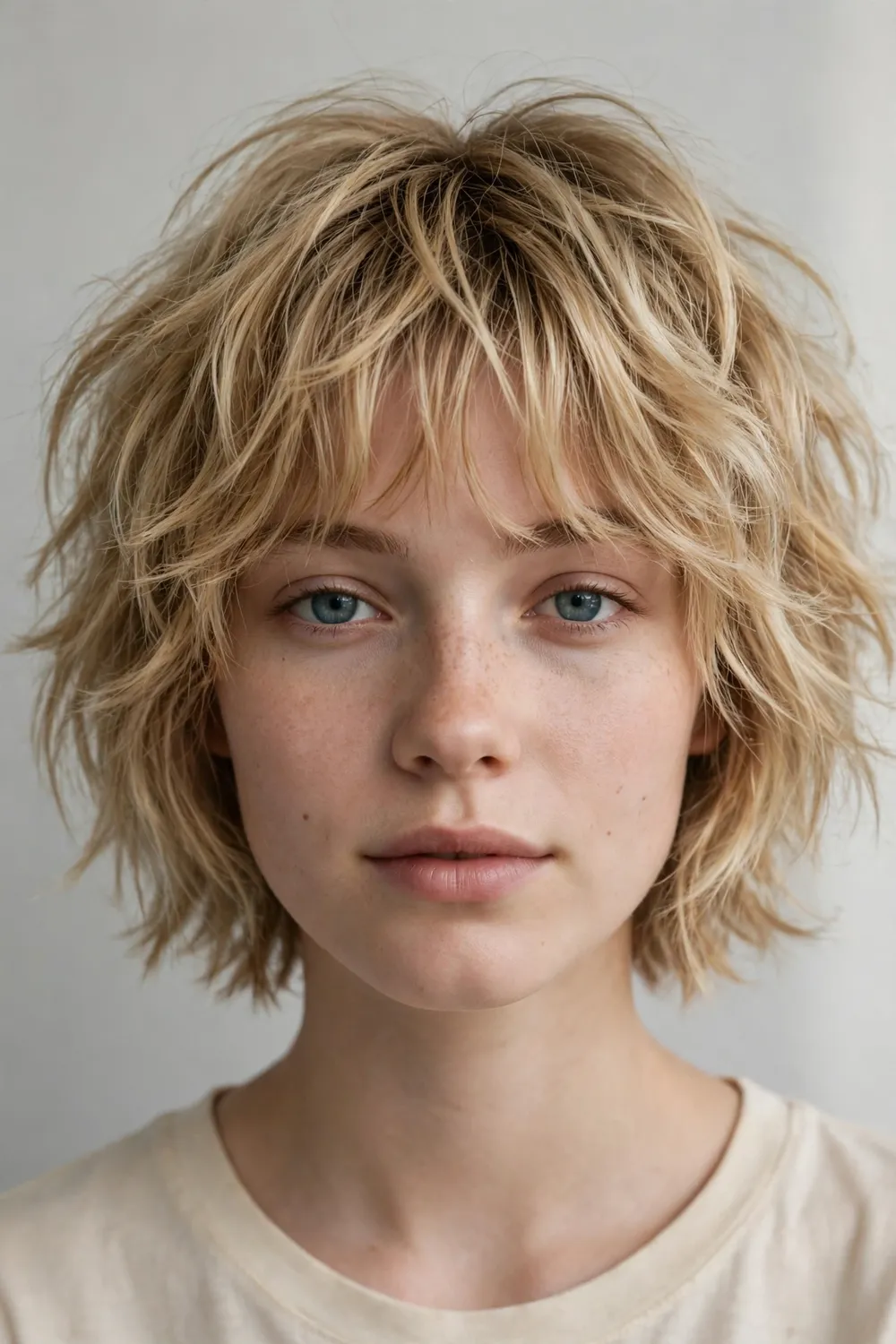
This is the soft, undone cousin of the classic bob. Tousled layers run through the whole cut and a light, feathery fringe sits across the forehead, giving you a look that feels effortless even when it isn’t. It suits straight to wavy hair and is especially flattering on long and oval faces, because the wispy bangs break up forehead length and the shaggy layers add width. If your face is round, ask for the bangs a little longer and side-swept so they don’t shorten things further. Ask your stylist for a chin-length shaggy bob with razor-cut layers and a wispy fringe that’s cut dry so it doesn’t end up too short. The bangs need a trim every three weeks or they start poking your eyes, but the rest of the cut grows out gracefully.
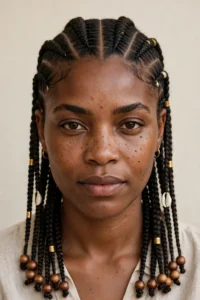
35. Short Tapered Afro
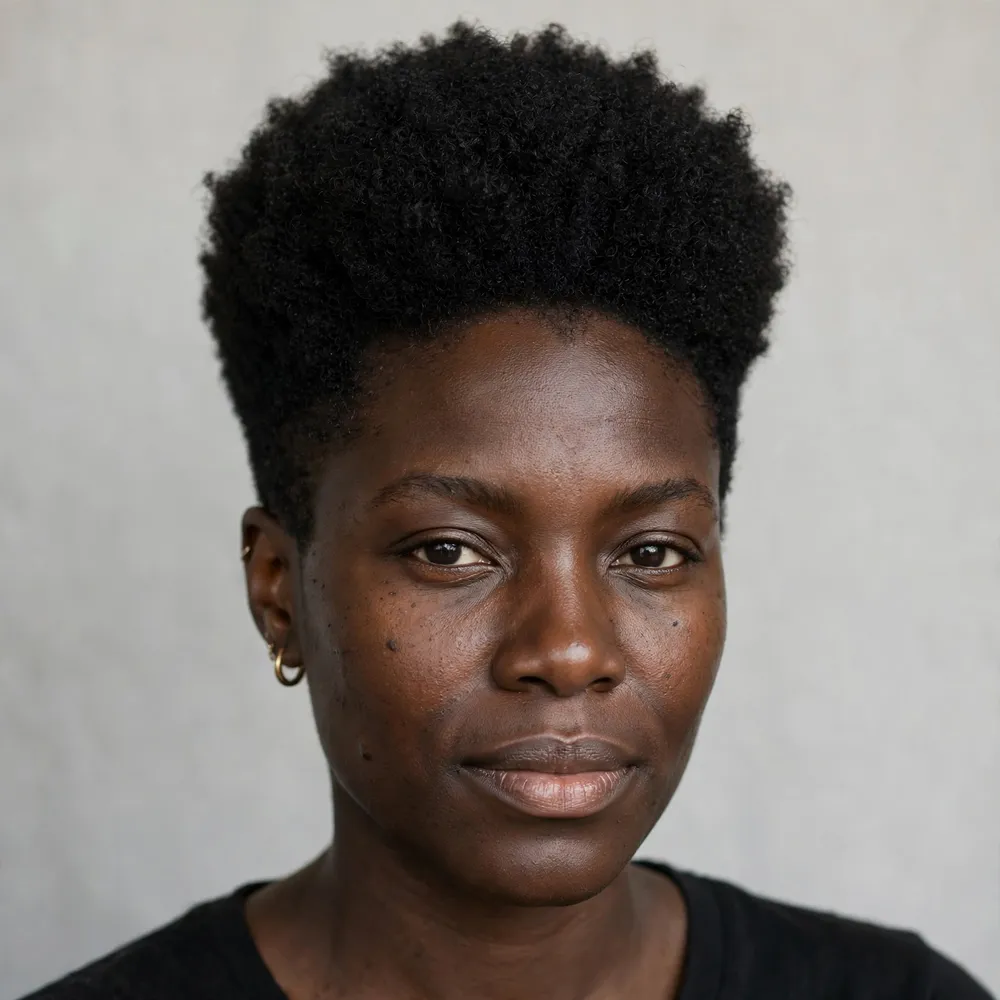
A short tapered afro is sculpted, not just cut — the sides taper close while the top keeps its natural volume, creating a clean, defined shape that shows off curl pattern and bone structure. It’s a stunning choice for coily and tight-curly hair, and it suits oval, round and heart-shaped faces because the tapered sides slim the silhouette while the rounded top adds height. Ask your barber or stylist for a tapered afro with a low fade on the sides, a rounded crown, and a shape-up along the hairline if you want the sharpest finish. Maintenance is a weekly wash-and-moisturise routine plus a shape-up every two to three weeks; skip the moisture and the cut loses its definition fast.
36. Wash-and-Wear Short Cut
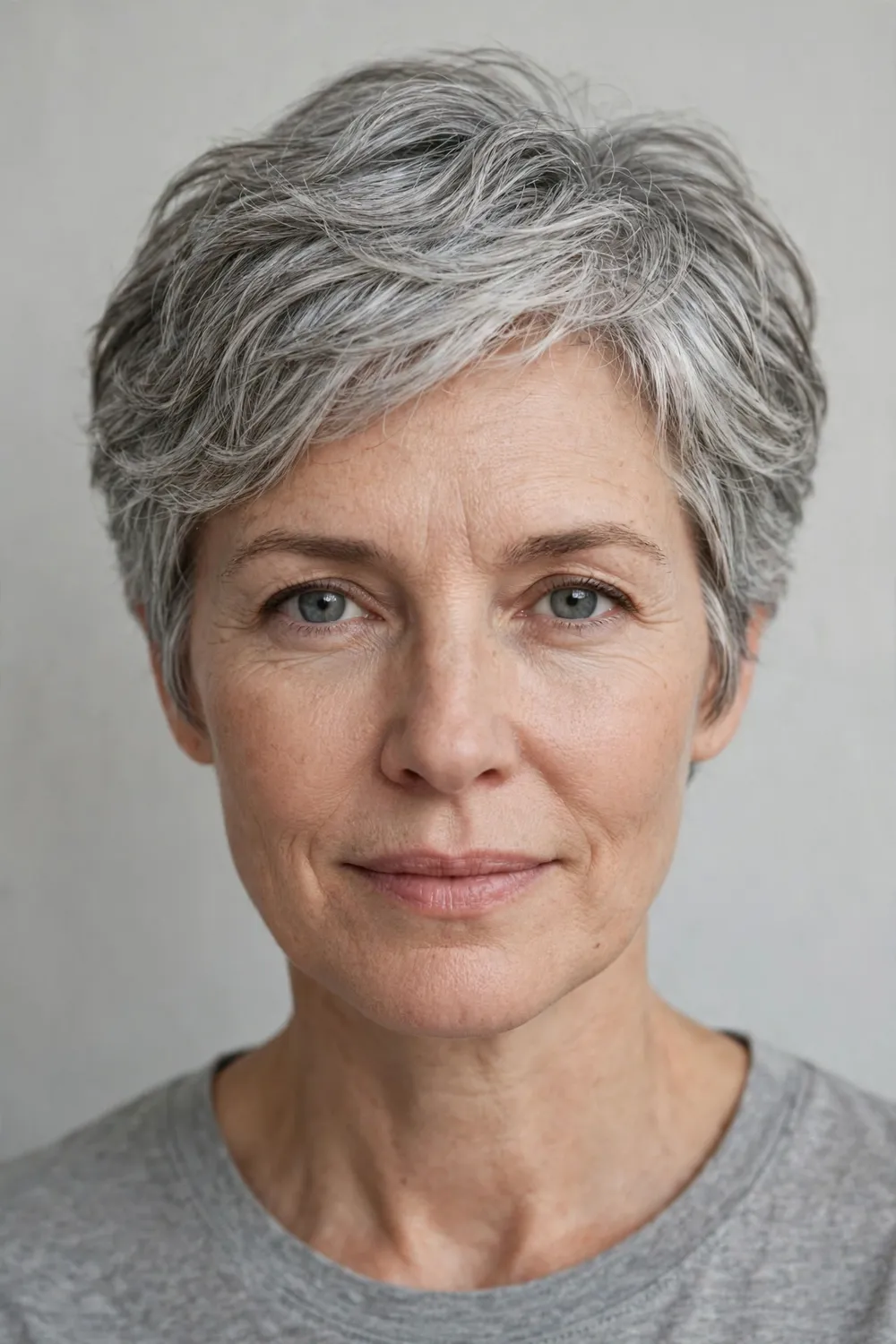
Some cuts demand effort every morning. This one doesn’t. A wash-and-wear short cut is designed around your natural texture, with layers placed so the hair falls into shape as it air-dries — no blow-dryer, no flat iron, no twenty-minute routine. It suits every hair type, but the stylist has to cut it with your air-dried texture in mind, so bring photos of how your hair dries on its own. Ask for a cut that follows your natural part and growth pattern, with layers that encourage movement rather than fighting it. Honestly, the cut itself is the hard part — find a stylist who understands air-dry cuts, because a bad one will leave you with a shape that only looks right when blown out. Trims every six to seven weeks keep it honest.
37. Flippy Bob

The flippy bob brings back a little retro fun: the ends are flipped outward instead of tucked under, giving the cut playful volume and a bouncy, sixties-inspired finish. It suits straight to slightly wavy hair best, and it’s a lovely option for round and heart-shaped faces because the outward flicks widen the jawline area in a flattering way rather than narrowing it. Ask your stylist for a chin-length bob with light layering and ends cut so they flip out naturally — some hair does this on its own, some needs a little help. It needs a trim every five weeks to keep the flip crisp, and it can look a bit dated if the flip is overdone, so keep the rest of the styling simple and modern.
38. Glass Bob

The glass bob is the sleek bob turned up to eleven — laser-sharp ends, a mirror-like shine, and not a single flyaway in sight. It’s a high-polish, fashion-forward cut that suits straight hair best; if your hair has any wave, you’ll be straightening it every time you wear it. Oval and heart-shaped faces carry it beautifully, and fine hair benefits most because the blunt edge makes it look dense and healthy. Ask for a jaw-length bob with a perfectly even baseline and absolutely no layers, then have your stylist check the symmetry from every angle. Maintenance is the honest part: the glass finish shows every split end and every bit of regrowth, so trims every four weeks and regular gloss treatments or shine masks are part of the deal.
39. Spiky Pixie
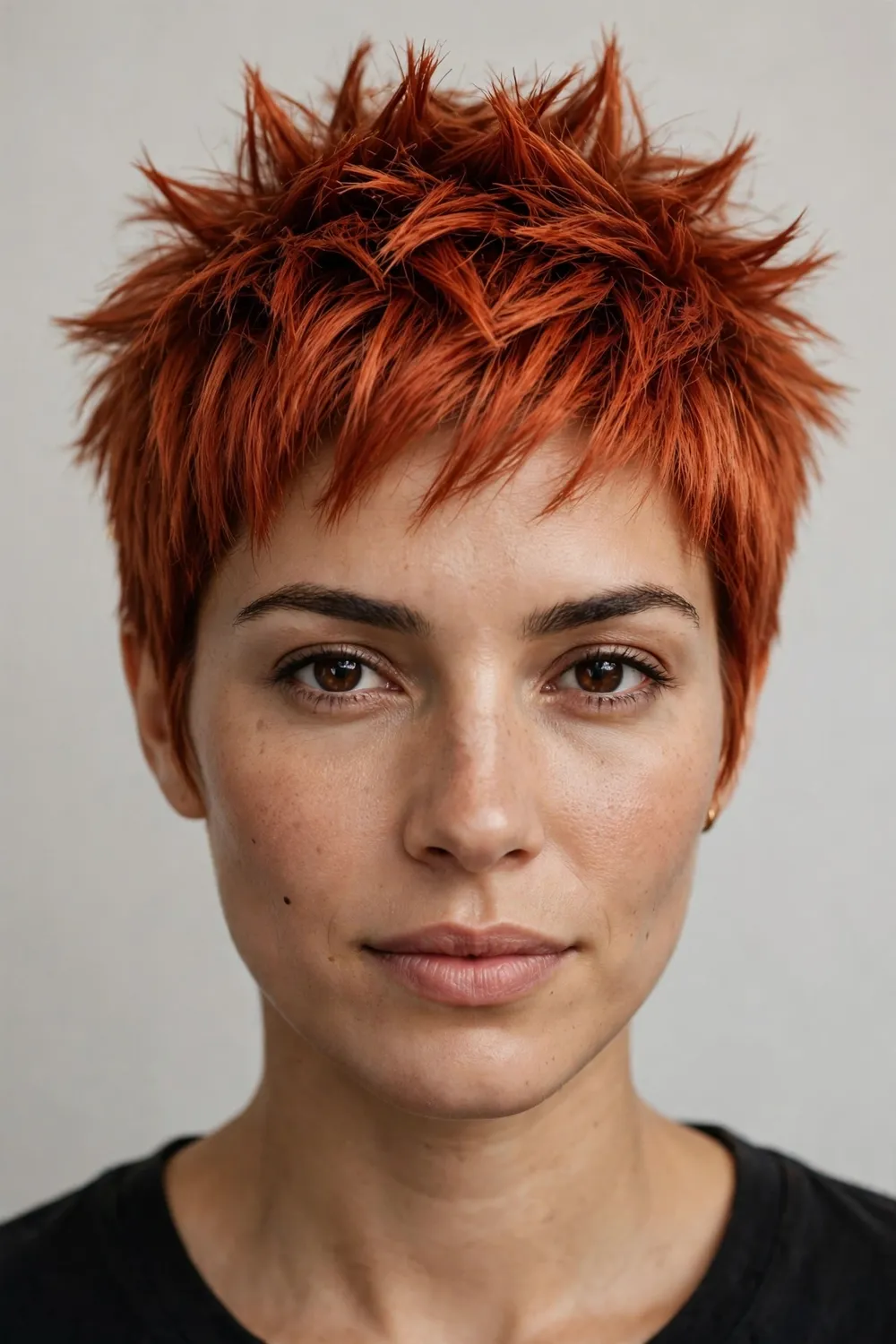
A spiky pixie is short, textured and unapologetically bold. The top is cut with plenty of texture so the pieces can be pushed up into soft spikes or tousled in every direction, while the sides stay neat and short. It suits straight hair best and flatters oval and heart-shaped faces — the height on top elongates the face, and the edgy texture adds personality that a smooth pixie can’t. Ask your stylist for a pixie with a longer textured crown, short tapered sides, and point-cutting throughout so the spikes have separation. It needs a trim every four weeks to keep the spikes standing up instead of flopping, and it does read as a statement cut — if your workplace is conservative, you may want to soften it with a side sweep on weekdays.
40. Short Bob with Side-Swept Bangs

A short bob with side-swept bangs is one of those cuts that quietly flatters almost everyone. The bob itself is a classic chin-length shape, and the fringe sweeps across the forehead from a deep side part, softening the face and drawing attention to the eyes. It suits every face shape, but it’s a particular win for round and square faces because the diagonal line of the bangs breaks up symmetry and adds length. Ask your stylist for a bob with soft layers through the ends and a side-swept fringe cut long enough to tuck behind the ear. The bangs need trimming every three to four weeks, but the bob itself is forgiving — six weeks between cuts is fine.
41. Dimensional Short Cut with Highlights
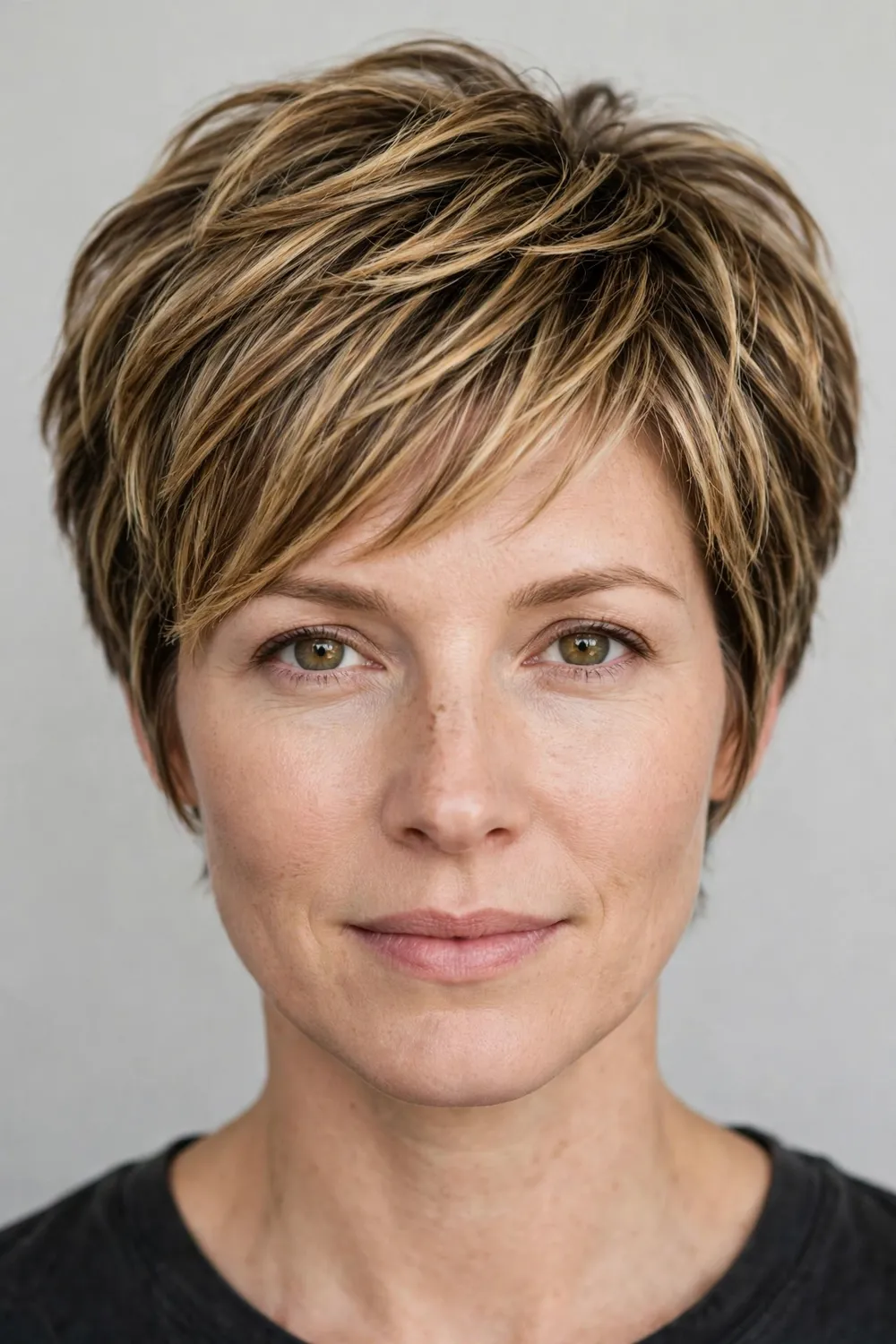
Short hair can look flat in one solid colour, and that’s exactly what dimensional highlights fix. Fine, blended highlights are woven through a short cut — think balayage, babylights or soft face-framing pieces — to add depth, movement and the illusion of thicker hair. It suits every short cut and every face shape, but it shines brightest on layered cuts like the bixie and textured bobs, where the highlights catch each layer separately. Ask your colourist for blended, low-contrast highlights rather than chunky stripes, and keep the lightest pieces around the face for a brightening effect. The honest cost is upkeep: roots show fast on short hair, so expect a colour refresh every six to eight weeks.
42. Short Razor Cut
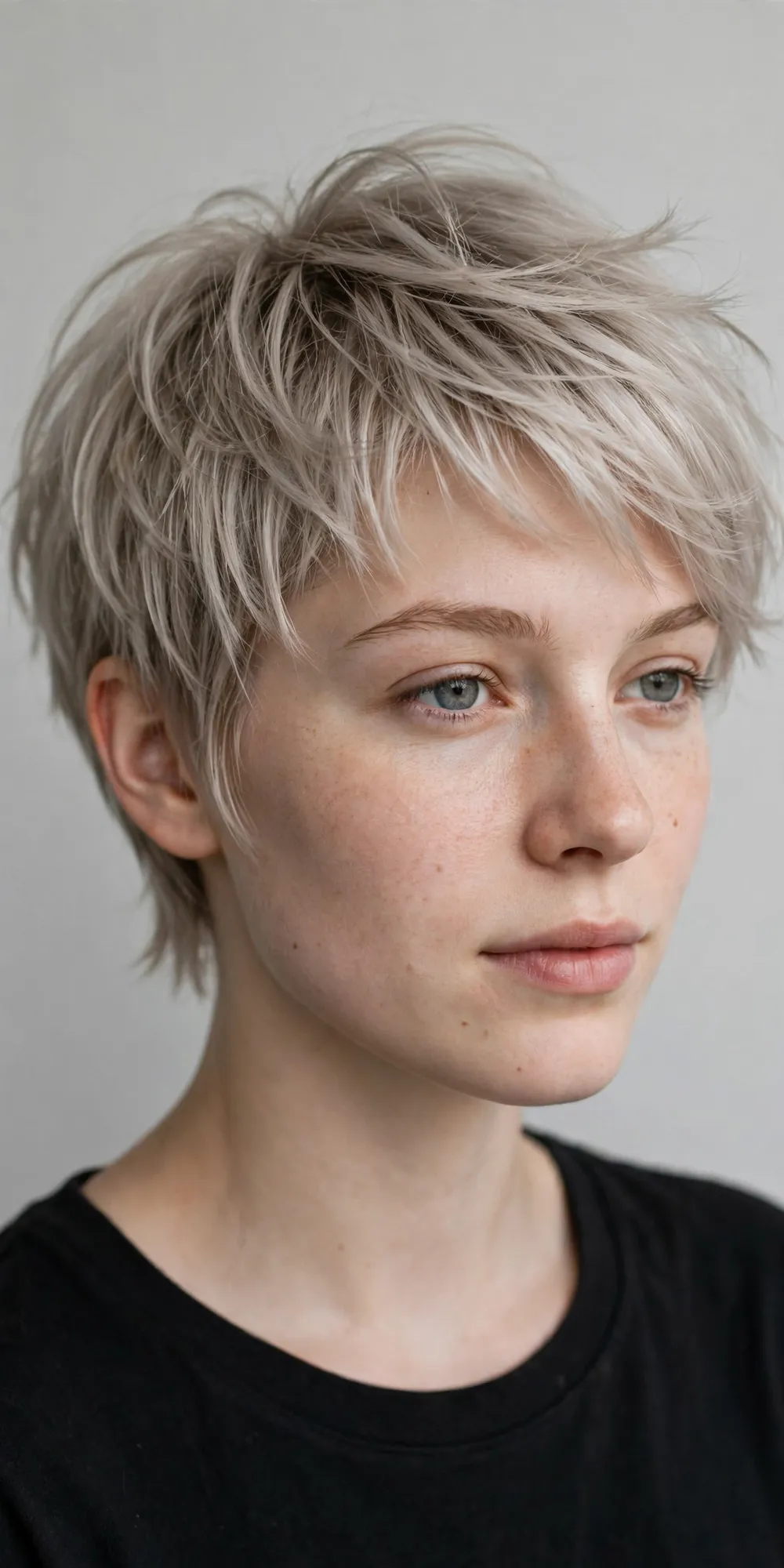
A razor cut uses a razor instead of scissors, and the difference is real: the ends come out feather-light and wispy rather than blunt, so the hair moves more and the cut feels softer and more modern. It suits fine to medium straight or wavy hair best, and it flatters oval, long and heart-shaped faces because the feathery texture softens the outline. Ask your stylist specifically for a razor cut with textured ends — not every stylist is comfortable with a razor, so check first. The catch is that razor cutting can rough up the cuticle on already-damaged or very curly hair, so it’s not ideal if your hair is fragile or heavily processed. Trims every five to six weeks keep the feathered ends from turning wispy into straggly.
43. Short Cut with Micro Fringe
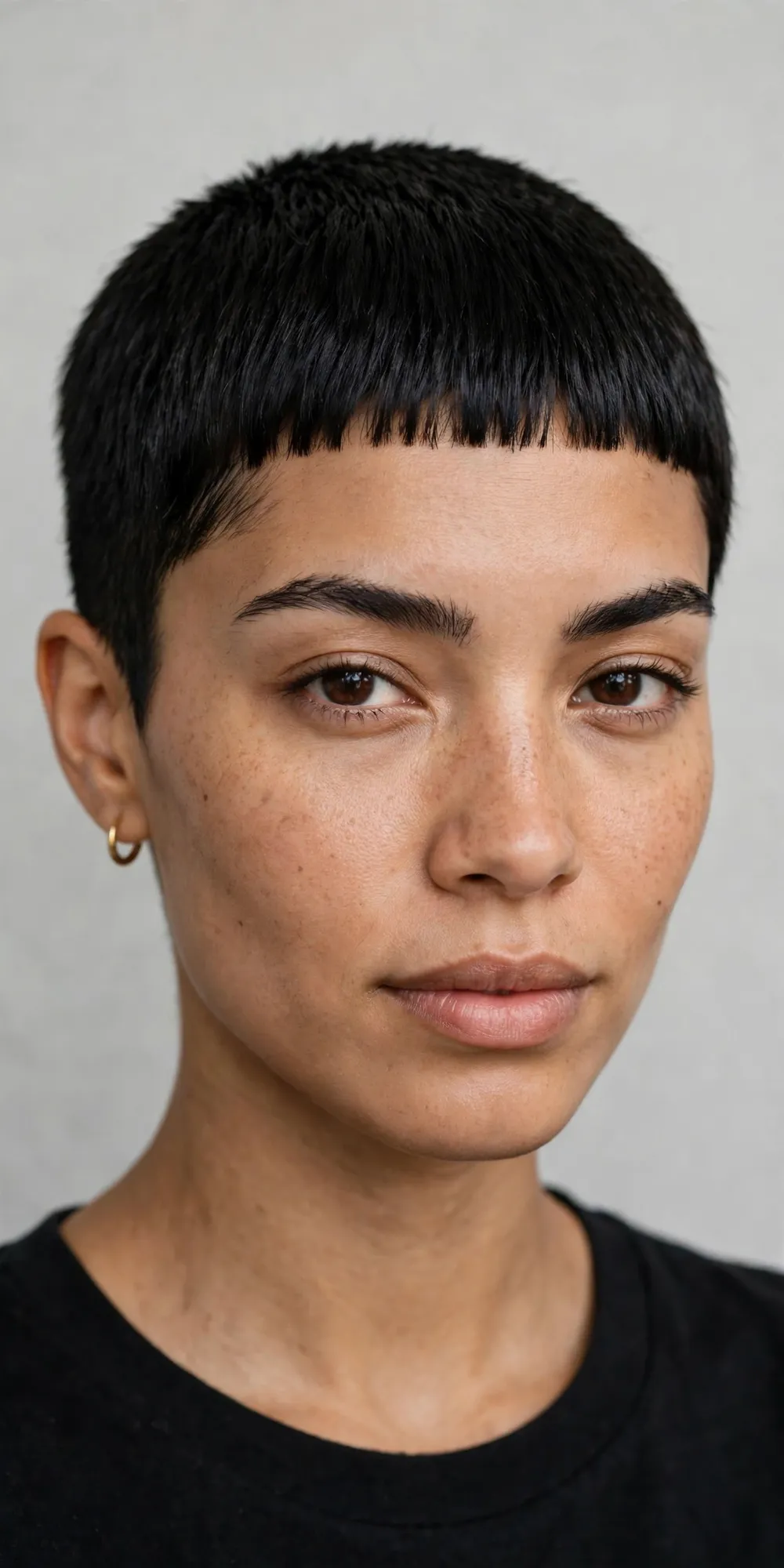
A micro fringe — sometimes called a baby bang — sits well above the eyebrows and turns any short cut into a fashion statement. Paired with a pixie or a short bob, it opens up the whole face and gives the cut an editorial, high-fashion edge. It suits oval and heart-shaped faces and works on straight to slightly wavy hair — curly hair needs the fringe cut longer to allow for shrinkage. Ask your stylist to cut the fringe dry and a touch longer than you think you want — you can always take more off. The maintenance is real, though — a micro fringe needs trimming every two to three weeks, and it grows out awkwardly, so commit to the upkeep before you commit to the cut.
44. Short Layered Pixie

A short layered pixie is the pixie for people who want volume without length. Layers are stacked through the crown so the top has lift and softness, while the sides and back stay short and neat. It’s a brilliant choice for fine hair — the layering creates the volume that fine hair usually lacks — and it suits oval, round and heart-shaped faces because the height on top balances the proportions. Ask your stylist for a pixie with short, blended layers through the crown and a tapered back, and tell them you want softness, not spikiness. Trims every five weeks keep the layers defined; let it grow much longer and it turns into a shaggy pixie, which isn’t a bad thing — it’s just a different cut.
45. Short Bob with Curls
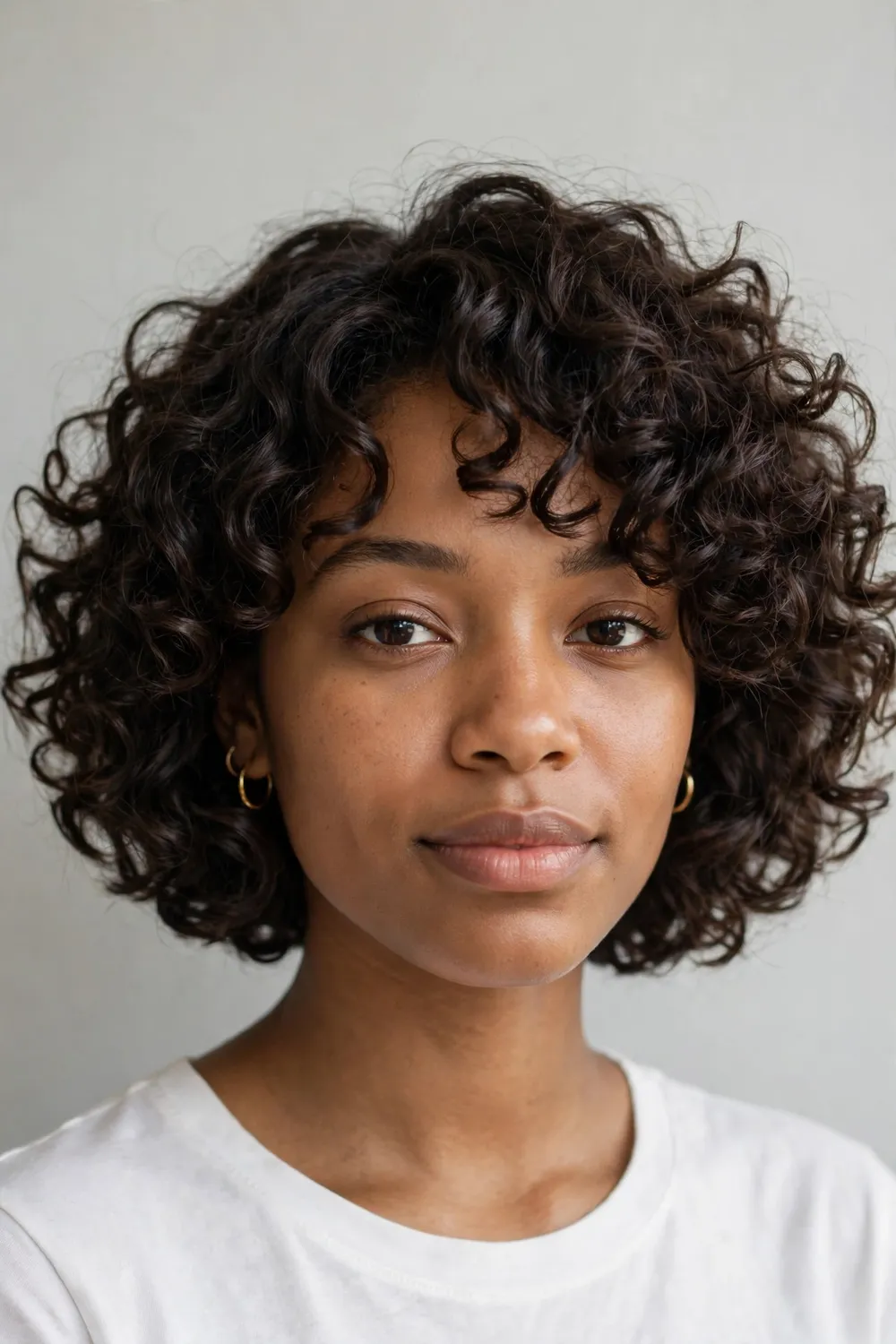
A short bob with curls is pure joy — bouncy, jaw-length curls that frame the face and move every time you do. The cut is shaped so the curls sit at their springiest, with layers that stop the bottom from going triangular and keep the volume balanced. It’s made for naturally curly or wavy hair, and it flatters round, oval and heart-shaped faces because the curls soften the jawline and add width exactly where it helps. Ask your stylist to cut it dry or curl-by-curl so the length accounts for shrinkage — wet-cutting curly bobs is how people end up with a cut two inches shorter than planned. Maintenance is gentle: trims every eight to ten weeks, plenty of moisture, and never brush it dry unless you want a halo of frizz.
46. Short Pixie with Long Fringe
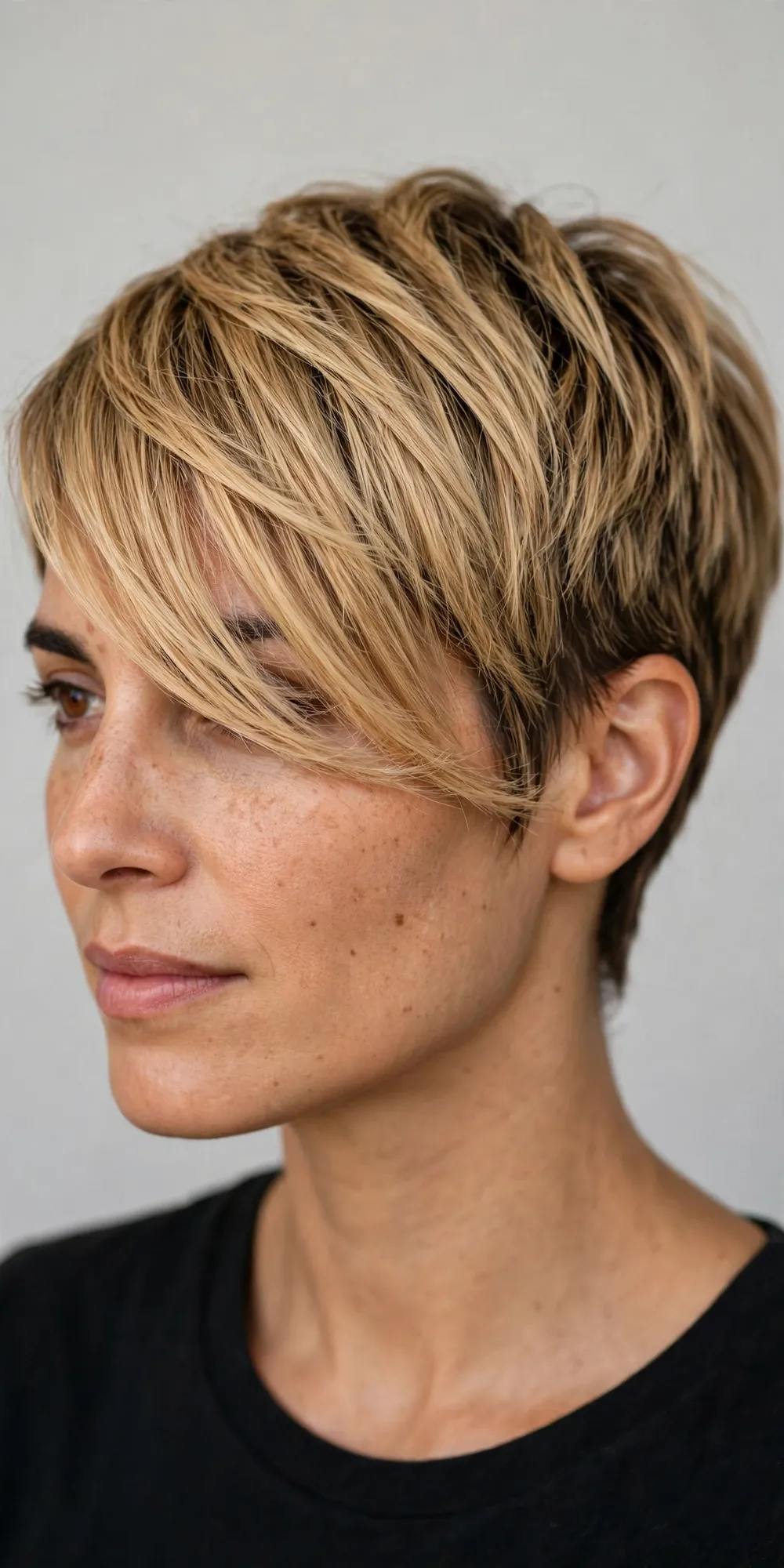
This is the pixie for anyone who loves short hair but isn’t ready to give up styling options. The back and sides are cropped close while a long fringe sweeps across the forehead — sometimes past the cheekbone — giving you a piece you can sweep, tuck, pin or slick back. It suits oval, heart-shaped and long faces especially well, because the long fringe can be styled to add width or cover a high forehead, and it works on straight to wavy hair. Ask your stylist for a short pixie with a tapered back and a fringe that reaches at least the cheekbone, cut with soft, blended edges so it moves naturally. Trims every five to six weeks keep the back neat while the fringe can grow a little longer between cuts.
How to style short hair at home
You don’t need a salon’s worth of tools to make short hair look good — you need the right few, used well. Start with a good blow-dryer with a nozzle attachment, a small round brush, a flat iron for sleek finishes, and a diffuser if your hair has any wave or curl. On the product side, keep four things in your kit: a heat protectant, a volumising mousse, a texture cream or pomade, and a light-hold hairspray. That’s it. Anything more is clutter.
Here are five quick steps that work for most short cuts:
- Start with damp, not wet, hair. Towel-dry until it’s about 70% dry, then work a pea-sized amount of product through it — mousse for volume, cream for texture.
- Dry in the direction you want the hair to fall. Use your fingers first for a tousled finish, then a round brush for shape and polish. Point the nozzle down the hair shaft to keep the cuticle smooth.
- Add definition where it counts. Once dry, warm a tiny amount of pomade or wax between your palms and pinch the ends, the fringe or the crown pieces into place.
- Set it lightly. A mist of light-hold hairspray from arm’s length keeps the shape without making it stiff. Never spray close up — that’s how short hair turns crunchy.
- Refresh, don’t rewash. On day two, a spritz of dry shampoo at the roots and a quick finger-comb is usually enough. Short hair revives fast because there’s so little of it.
5 mistakes to avoid with short hair
- Skipping trims. Short hair shows grow-out faster than any other length. A cut that looked sharp at week one looks shapeless at week eight, so book your next trim before you leave the salon.
- Using too much product. A pea-sized amount is genuinely enough on short hair. More than that weighs the hair down, makes it greasy by midday, and kills the volume you went short for in the first place.
- Cutting your own bangs. Fringes grow out in days and the temptation is real, but a kitchen-scissors trim is how most fringe disasters start. Let your stylist do it — many will trim a fringe free between appointments.
- Blow-drying without heat protection. Short hair sits closer to the scalp and the ends are always on show, so heat damage is more visible. A heat protectant takes five seconds and saves you months of split ends.
- Picking a cut from a photo alone. The model in the picture has different hair texture, density and face shape from you. Bring the photo, absolutely — but ask your stylist honestly whether the cut works with your hair, and listen to the answer.
FAQs
What are the best short hairstyles for fine hair?
The best short hairstyles for fine hair are layered cuts that create the illusion of fullness — the textured bob, the bixie, the short layered pixie and the graduated bob are all excellent choices. Blunt ends help too, because a solid baseline makes fine hair look denser than wispy, thinned-out ends do. Avoid heavy, one-length cuts with no layers, which can make fine hair look flat and limp. A volumising mousse at the roots and a rough blow-dry will do more for fine hair than any expensive product.
Which short hairstyle is easiest to maintain?
The wash-and-wear short cut is the easiest to maintain, because it’s cut to fall into shape as it air-dries with almost no styling. Close behind are the soft crop cut and the textured pixie, both of which need little more than a dab of cream and a finger-comb. The honest rule is that the shorter and more textured the cut, the less daily work it needs — but the more often it needs trimming to hold its shape. If you hate salon visits, choose a cut that grows out gracefully, like a shaggy bob.
Do short hairstyles suit round faces?
Yes — short hairstyles can suit round faces very well, as long as the cut adds height on top or length around the face. Pixies with volume at the crown, bobs with longer front pieces, and cuts with side-swept bangs all elongate a round face and stop it looking wider. What to avoid is a cut that adds width at cheek level with no height on top, like a rounded bob with no layers. The right bob for your face shape makes all the difference, so talk through face shape with your stylist before the scissors come out.
What short haircut makes hair look thicker?
A blunt bob is the single best cut for making hair look thicker, because the even, solid baseline creates one dense line of hair instead of wispy ends. The graduated bob and the stacked bob work the same way, using layered stacking at the back to build volume where fine hair usually falls flat. Adding dimensional highlights can also help, since the variation in colour creates the illusion of depth and fullness. Avoid over-thinning or heavy razor work on fine hair, which removes the very density you’re trying to keep.
Are short hairstyles good for curly hair?
Short hairstyles are excellent for curly hair — in many ways, curls look better short than long, because the weight of long hair pulls curls down and stretches them out. A curly bob, a curly pixie or a tapered natural cut all let the curl pattern spring up and show its real shape. The key is finding a stylist who knows how to cut curly hair, ideally dry or curl-by-curl, so the length accounts for shrinkage. With the right cut and a good curl cream, short curly hair is one of the lowest-effort styles there is.
How often should short hair be trimmed?
Most short hairstyles need a trim every four to six weeks to keep their shape, though it depends on the cut. Precision cuts like the sleek bob, the glass bob and the pixie with an undercut need attention every three to four weeks, while forgiving cuts like the shaggy bob, the curly bob and the wash-and-wear cut can stretch to six or even eight weeks. The real test is simple: when you catch yourself fighting the shape every morning, it’s time for a trim. Book the next appointment before you leave the salon so it never slips.
Can short hairstyles look feminine?
Absolutely. Short hair has nothing to do with femininity — soft layers, a side-swept fringe, face-framing pieces and a bit of texture all keep a short cut soft and feminine, and many women find short hair makes their features stand out more. Cuts like the French bob, the long pixie with a sweeping fringe, and the cute short styles in this guide prove the point. Femininity is in the styling, not the length: a little shine, a soft wave or a delicate accessory can change the whole feeling of a short cut.
Final Word
Short hair isn’t a compromise — it’s a choice that gives you shape, volume and a fresh look with less time in front of the mirror every morning. Whether you go for a classic pixie, a textured bob or something bolder like an undercut, the best cut is the one that fits your hair, your face and your life. If this guide helped you find yours, take a look at more hairstyle guides on the blog for your next idea — and book that consultation with your stylist.