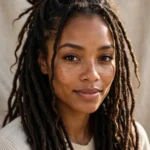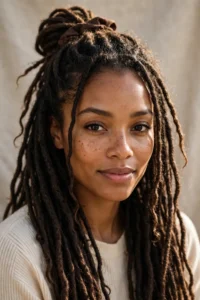


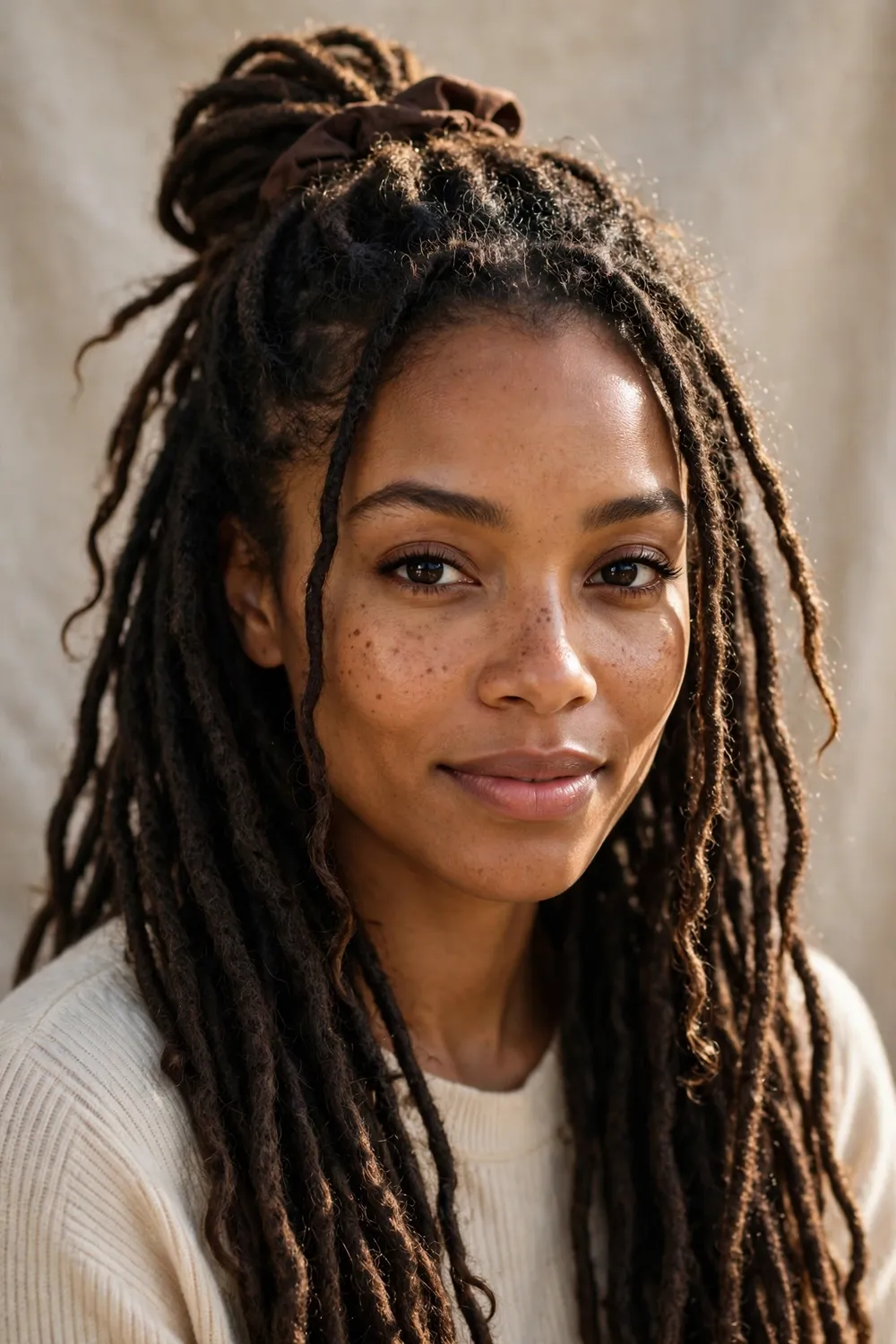
Looking for locs hairstyles that actually work for your length and lifestyle? Start with these three: Classic Straight-Down Locs for everyday elegance, a Loc Bun when you need something polished in five minutes, and High Ponytail Locs for a lifted, face-framing look. The other 29 styles in this guide cover everything from starter locs to coloured, curly-ended and formal updos, so whether your locs are chin-length or waist-length, there is a style here that fits.
32 Best Locs Hairstyles (2026)
1. Classic Straight-Down Locs
Nothing shows off healthy locs like wearing them loose and straight down. The weight of the locs creates a natural fall that frames the face, and their texture catches the light in a way straight hair never does. It suits anyone with medium to long locs, and works on every face shape because the length itself does the framing. Ask your loctician for a fresh retwist at the roots and a light palm roll through the lengths, so the locs sit smooth without looking stiff. Finish with a few drops of jojoba or argan oil for shine, then retwist every four to six weeks and wash with a residue-free shampoo. Sleep in a satin bonnet and the style stays neat between washes.

2. Half-Up Half-Down Locs
Half-up half-down is the style you reach for when you want locs out of your face but still want the length on show. The top section is gathered at the crown and secured, a wrapped loc or a simple elastic does the job, while the rest falls freely past the shoulders. It flatters round and square faces in particular, because the lift at the crown lengthens the face. Ask your stylist to retwist the front hairline first so the pulled-back section looks crisp, then gather roughly the top third and tie it at crown height. A dab of edge control keeps the hairline tidy, and a loc cuff or two around the gathered section adds a finished touch.
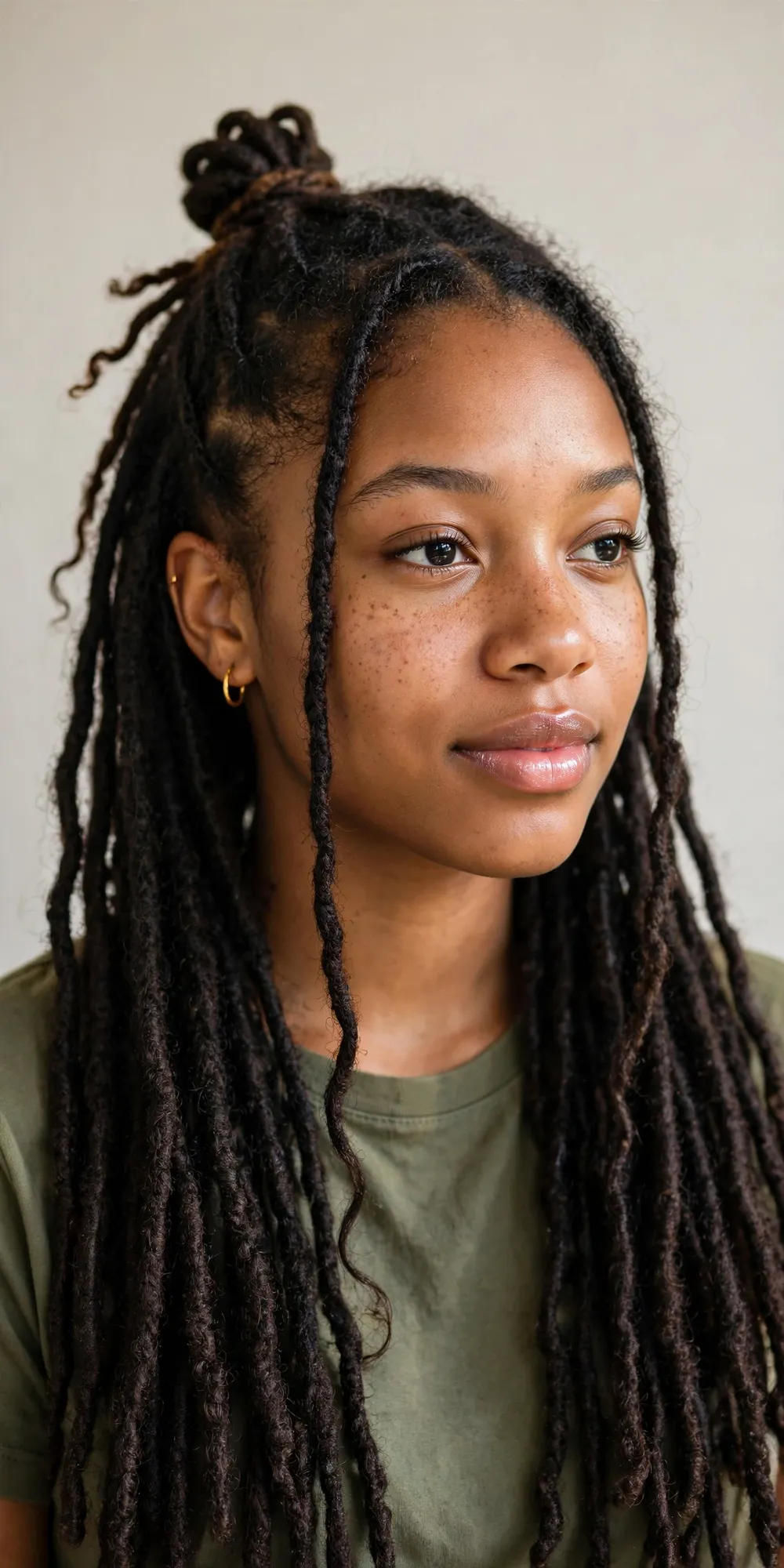
3. High Ponytail Locs
A high ponytail turns locs into a statement. Gathered at the crown, the locs cascade down the back with real drama, and the lifted base opens up the face and shows off cheekbones. It suits long and medium locs best, and looks especially sharp on oval and heart-shaped faces. Ask your loctician for a neat retwist, then gather everything high and secure it with a strong, snag-free elastic. Wrapping one loc around the base hides the band and makes it look salon-finished, and a light gel, never heavy wax, smooths the edges without buildup. The honest catch is tension: wearing it high every day can pull at the hairline, so alternate with looser styles and never sleep in a tight ponytail.

4. Loc Bun
The loc bun is the closest thing locs have to a little black dress, it works for weddings, job interviews and lazy Sundays alike. Locs are coiled and pinned into a bun, high, low or mid-head, and the result reads polished without much effort. It suits every length from shoulder-length up, and a low bun at the nape is particularly kind to fine or thinning edges because there is barely any pull. Ask your stylist for a fresh retwist, then have them coil the locs into a loose ballerina bun and pin with large bobby pins rather than a tight elastic. A light mist of leave-in conditioner keeps the bun soft, and at night you just take it down and re-bun in the morning.
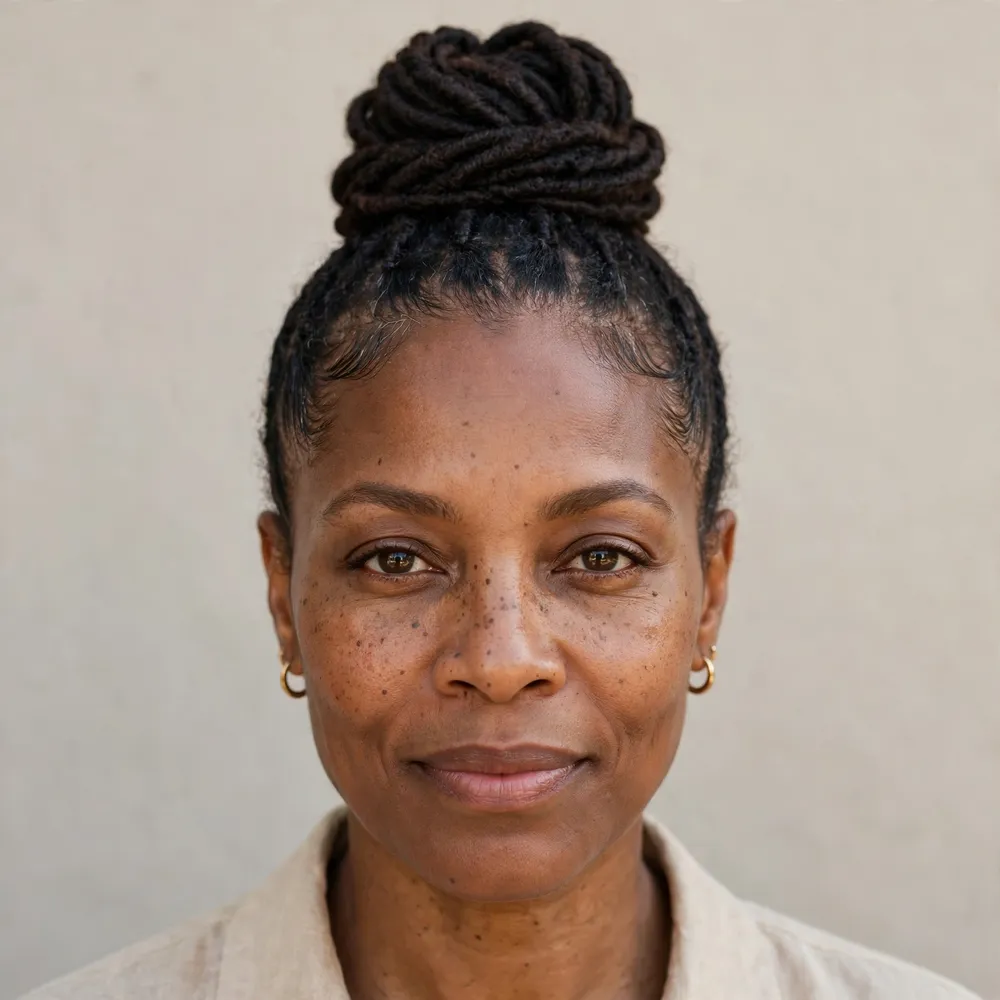
5. Space Buns
Space buns are pure fun, two buns, one on each side of the head, that turn locs into a playful, youthful look. They work best on medium-length locs, where each bun has enough volume to hold its shape, though long locs can be coiled tighter. Round and oval faces carry them well, and they are a go-to for festivals, holidays and photos. Ask your stylist to part the hair cleanly down the middle, retwist the roots, then coil each side into a bun at the same height, uneven buns are the one thing that spoils this look. Secure with pins and a scrunchie, add a couple of gold cuffs for personality, and take the style down after a day or two to moisturise the locs and rest your scalp.
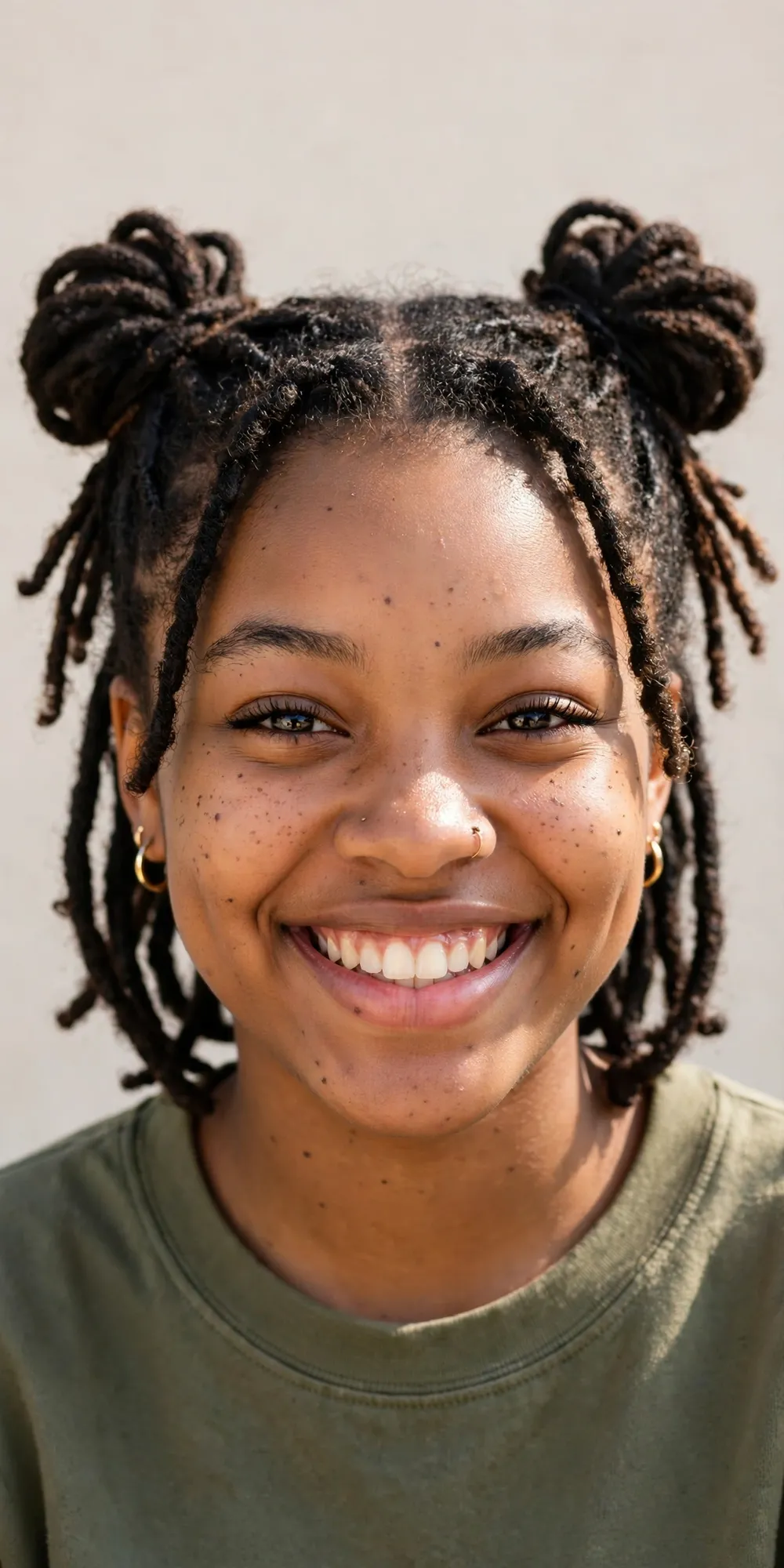
6. Loc Bob Cut
A loc bob is the cut for anyone who loves locs but is tired of the weight. Cut to chin or jaw length, the bob feels light, dries faster, and swings with a shape that longer locs simply cannot give. It suits petite frames and anyone with a strong jawline or cheekbones, because the short length puts the face front and centre. Ask your loctician to cut the locs blunt at chin length, slightly longer at the front for an angled bob, and keep the ends sealed so they do not unravel. A light oil keeps the ends from looking dry, and a touch of mousse at the roots adds lift. You lose the big ponytails and buns, but gain a wash-and-go cut that looks finished with almost no effort.
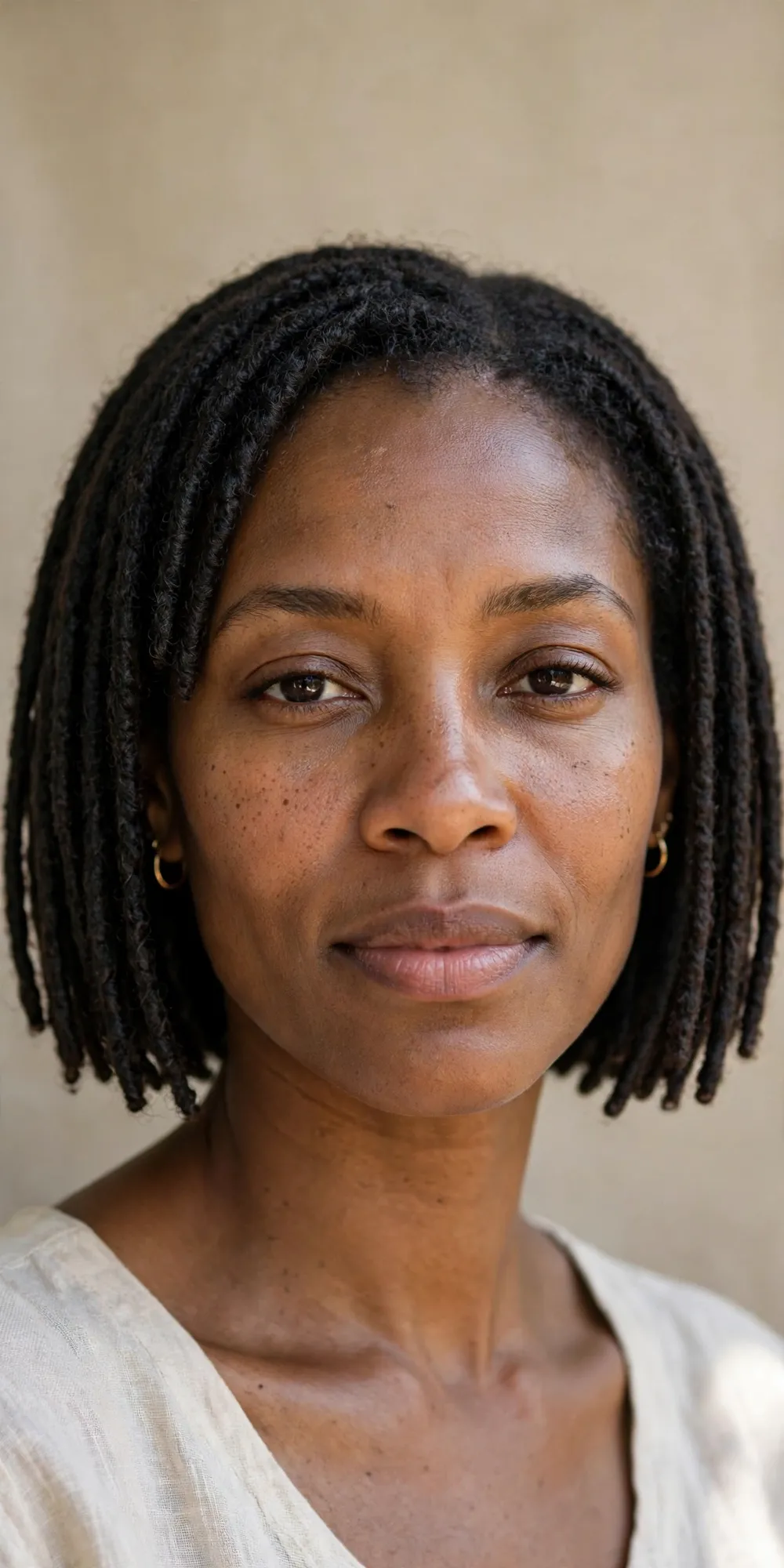
7. Loc Knots (Bantu Style)
Loc knots borrow the coiled shape of Bantu knots and give locs a regal, sculptural look. Each section is twisted and coiled flat against the scalp, creating neat knots that read both traditional and striking. This suits medium to long locs with enough length to coil, and it flatters strong facial features because the hair sits close to the head. Ask your stylist to section the hair into six to eight even parts, retwist each section, then coil it tightly and tuck the end underneath. A little edge control finishes the hairline, and the knots double as a protective set: leave them in for a day or two, then unravel for a crinkly twist-out. Just do not pull the coils too tight, or your scalp will complain by evening.

8. Braided Locs
Braiding your locs together adds a whole new texture without changing a single loc. Two or three locs plaited into one braid create a chunky, rope-like pattern that looks intricate but is surprisingly quick to do. It suits anyone with medium to long locs, and it is especially handy for second- or third-day hair, when the roots need camouflage. Ask your stylist for four to six large braids across the head, or a single thick braid swept to one side for a softer look. A light oil keeps the braids glossy, cuffs at the ends stop them unravelling, and they hold for days with a satin scarf at night. Taking them out leaves a lovely wave in the locs, so you get two styles from one sitting.
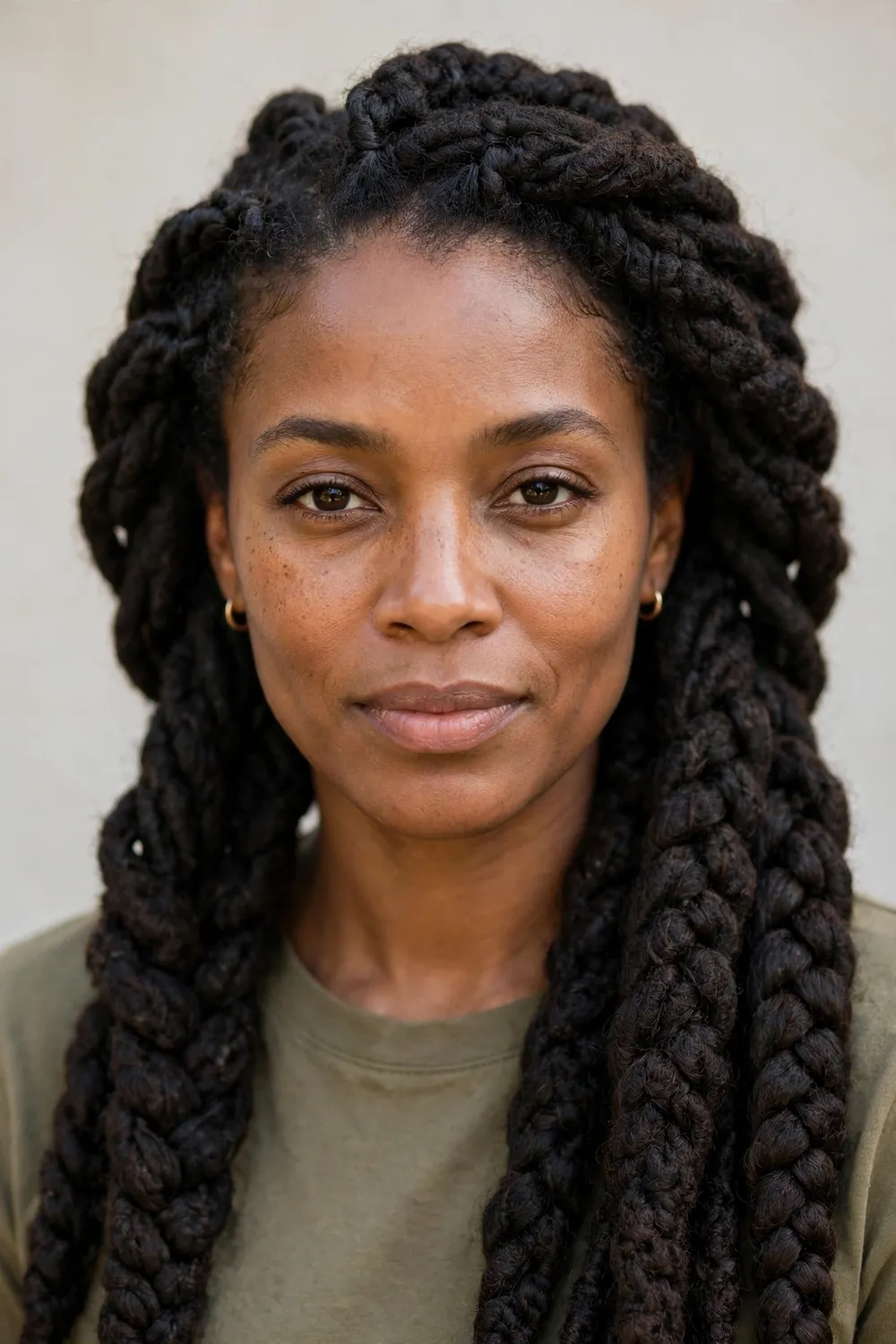
9. Side-Swept Locs
Side-swept locs are drama without the effort. Every loc is swept over to one side, creating a deep curtain of hair that falls past one shoulder and leaves the other side of the face open. It suits long locs best, the weight helps the sweep hold, and it is a natural pick for evenings out, weddings and photos, though it works just as well on an ordinary Tuesday. Ask your loctician for a retwist, then a deep side part, and have them sweep the locs across and pin a few at the back of the neck so the style does not slide. A shine spray over the surface gives the sweep a polished, healthy gleam, and sleeping with the locs loosely gathered keeps the shape for a second day.
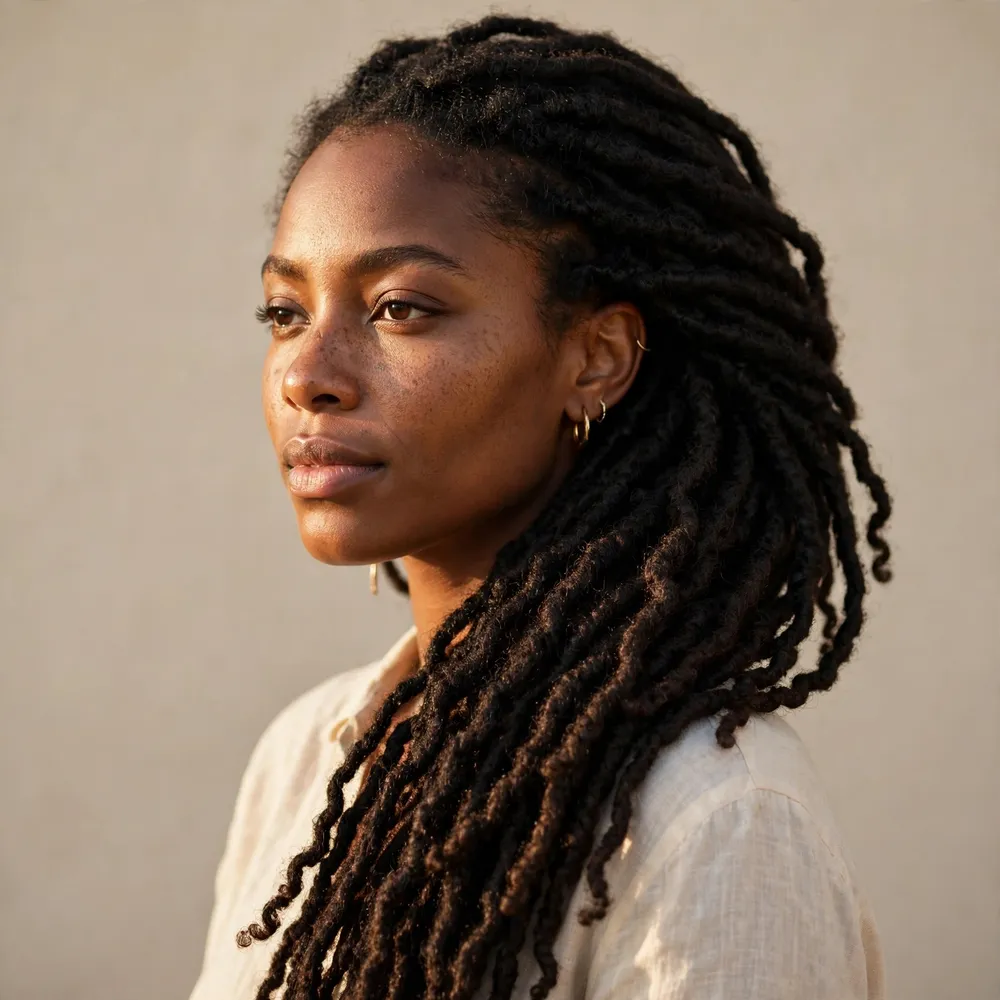
10. Loc Mohawk
The loc mohawk is for days when subtle is not on the agenda. The locs are swept up into the centre of the head and pinned or braided into a high ridge, while the sides are pinned flat, creating the mohawk silhouette without a single shaved hair. It suits medium to long locs and bold personalities, and it looks incredible with coloured or highlighted locs because the height shows the colour off. Ask your stylist to flat-twist or pin the sides close to the scalp, then gather the centre locs upward and secure them with pins and gel at the base. A few cuffs along the ridge add edge, but this is a statement style rather than a daily one, the pinning takes time and the height needs touch-ups.
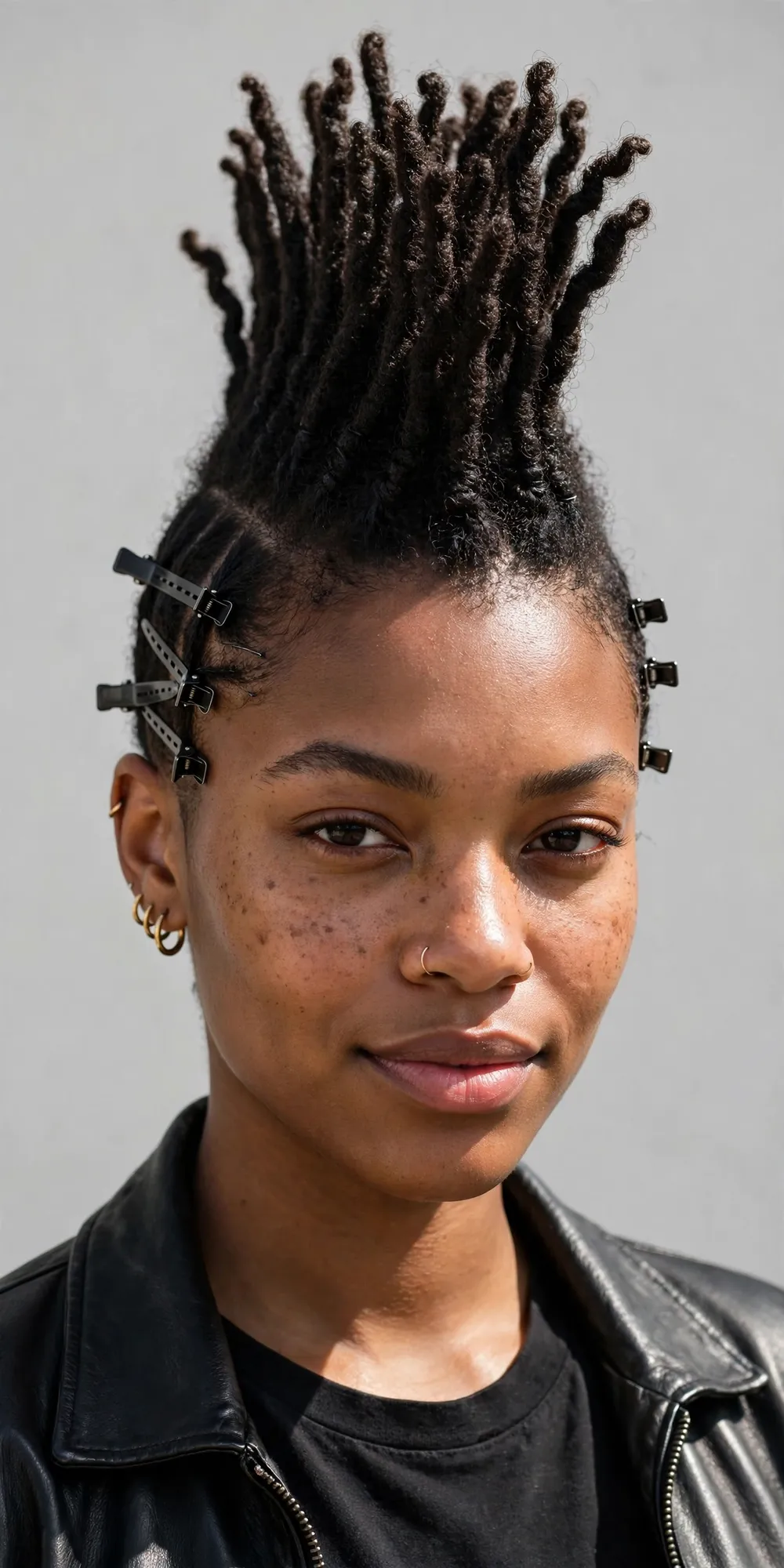
11. Wrapped Locs with Headscarf
A headscarf over locs is equal parts protective and beautiful. The scarf, silk or satin inside, patterned cotton or Ankara outside, wraps around the head, holding the locs in place while protecting them from sun, dust and friction. It suits every length, including starter locs too short to style, and it is a lifesaver on wash day or during a long flight. No stylist visit needed: gather the locs into a low bun or ponytail, then wrap the scarf from the nape forward and tie it at the top or side. Keep the wrap snug but not tight, a scarf pulled too hard across the hairline causes the same edge stress as a tight ponytail. Swap scarves to match outfits, and your locs get a rest day that looks intentional.
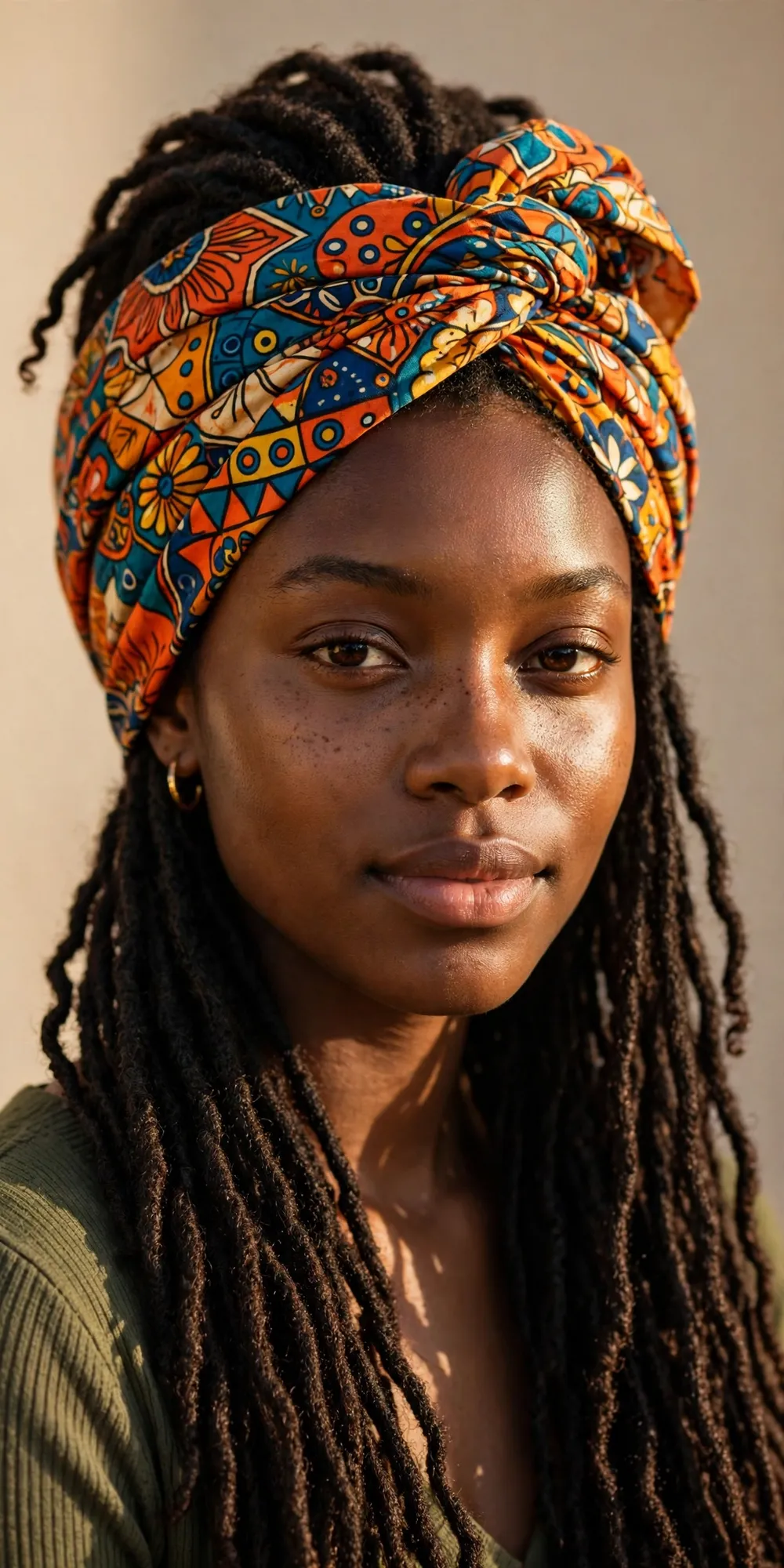
12. Loc Updo with Accessories
Accessories turn a simple loc updo into something that looks like it took an hour, even when it took ten minutes. Cuffs, beads, shells and rings threaded onto the locs catch the light, while the updo itself, a pinned twist, a coiled bun or a swept chignon, keeps everything off the neck. This suits medium to long locs and any occasion where you want to look dressed up without a full salon appointment. Ask your stylist to build a low chignon or a twisted updo, pin it securely, then add cuffs near the ends, a few beads through the front, maybe a shell as a focal point. Use lightweight metal or wooden pieces, heavy beads pull locs down and strain the roots, and the accessories come off in seconds.

13. Barrel Roll Locs
Barrel rolls are the most formal style in this guide. Sections of locs are rolled into thick, cylindrical shapes and pinned along the scalp, creating smooth rolls that belong at a black-tie event. They suit medium to long locs, the rolls need length to form, and flatter oval and long faces because the rolls add width at the sides. Ask your stylist for two or three rolls on each side, or a single dramatic roll across the crown, with a fresh retwist underneath. A firm-hold gel smooths flyaways, pins should be hidden inside the rolls, and the result lasts a day or two with a satin scarf at night. This is a salon style, honestly: the rolling technique takes practice, so save it for occasions worth the effort.
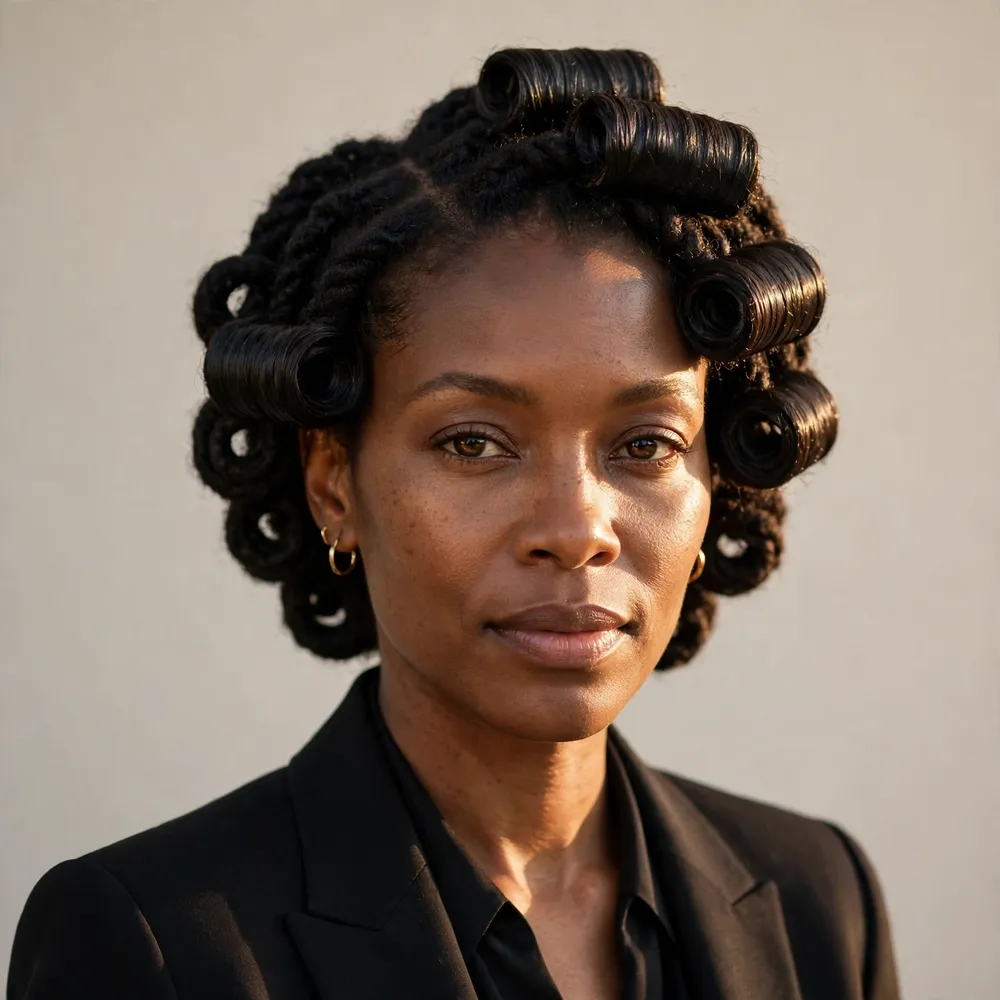
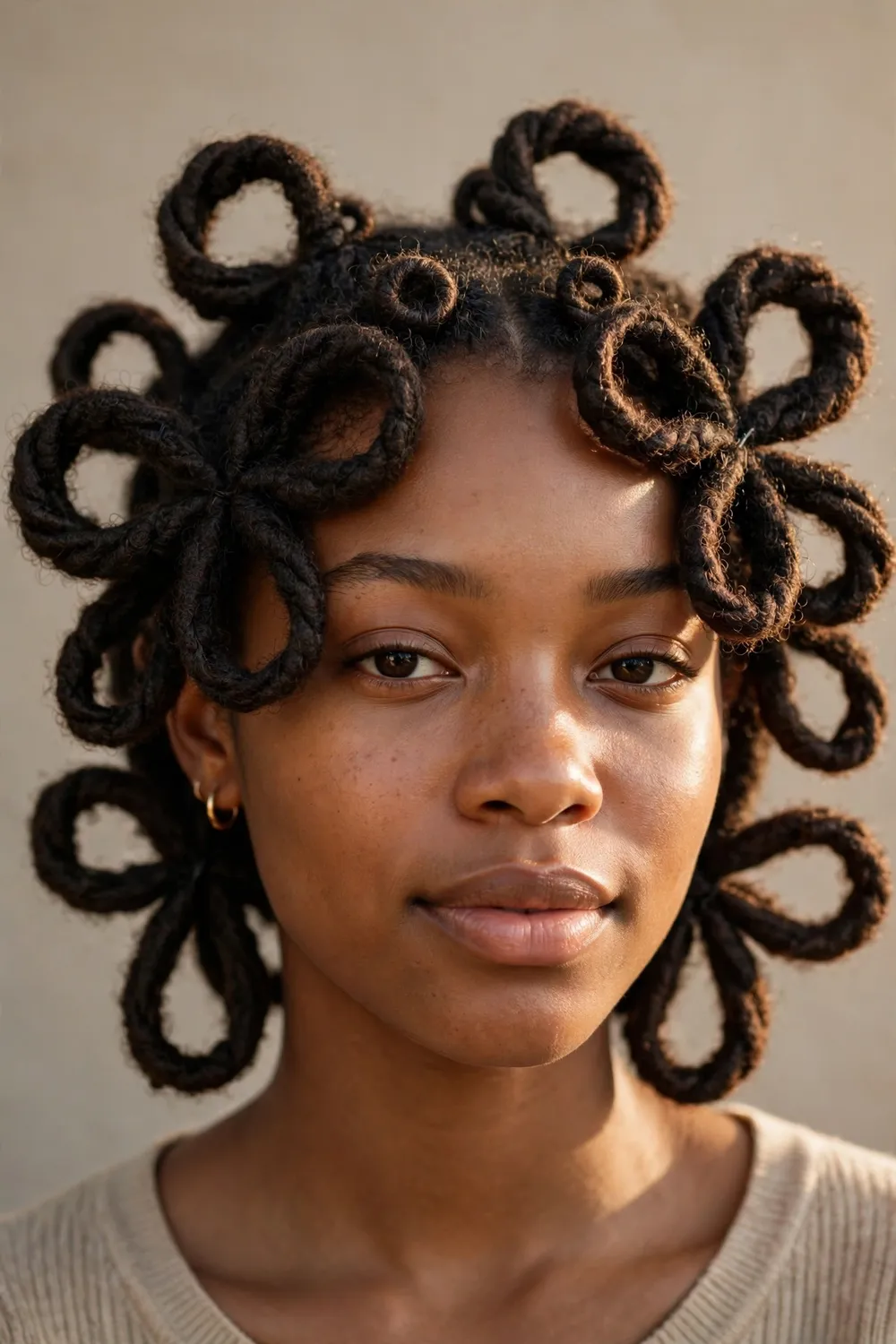
14. Loc Petals
Loc petals are the prettiest trick in the loc styling book. Individual locs are folded back and pinned into loops that fan out like flower petals, usually arranged around a bun or along a parting. The result is soft, romantic and surprisingly eye-catching, it looks far more complicated than it is. It suits medium to long locs with enough flexibility to fold, and it is a natural choice for weddings, proms and spring events. Ask your stylist to create a low bun as the base, then form petals by folding locs into loops and pinning each one at the base. A light-hold spray keeps the petals in place without stiffness, and at night just remove the pins gently rather than pulling, so the locs do not snag.
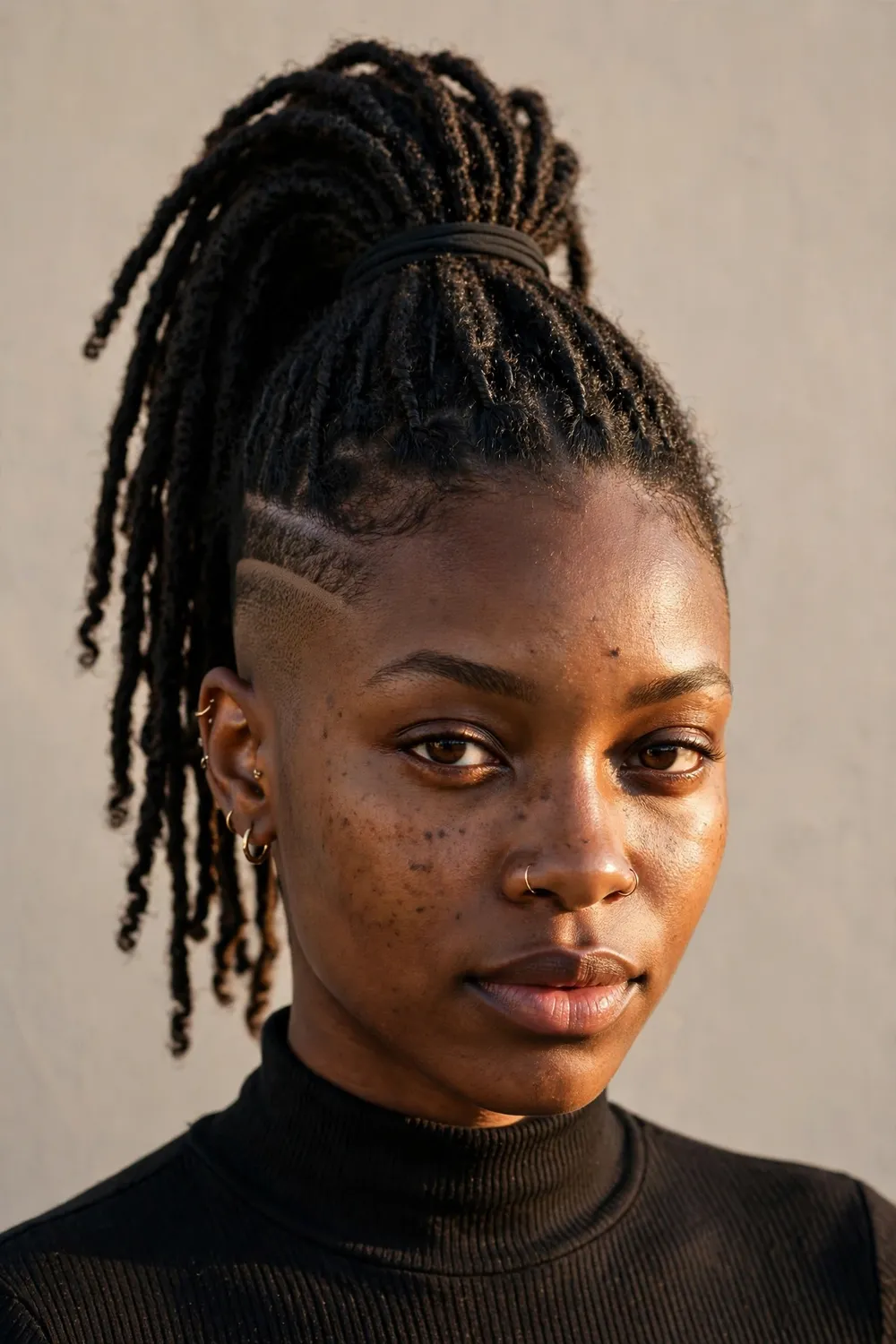
15. Loc Ponytail with Undercut
Pairing locs with an undercut gives you the best of both worlds: locs on top, and a sharp, closely faded section underneath. The contrast is what makes it work, the undercut frames the ponytail and makes the locs look even fuller by comparison. It suits medium to long locs and anyone who likes an edgy, modern look, and flatters round faces because the height on top adds length. Ask your barber for a faded undercut on the sides and back, keeping the top section long, then gather the locs into a high or mid ponytail. Keep the undercut fresh with a lineup every two to three weeks, and moisturise the locs as normal. The honest cost is maintenance: the undercut grows out fast, so expect regular barber visits.
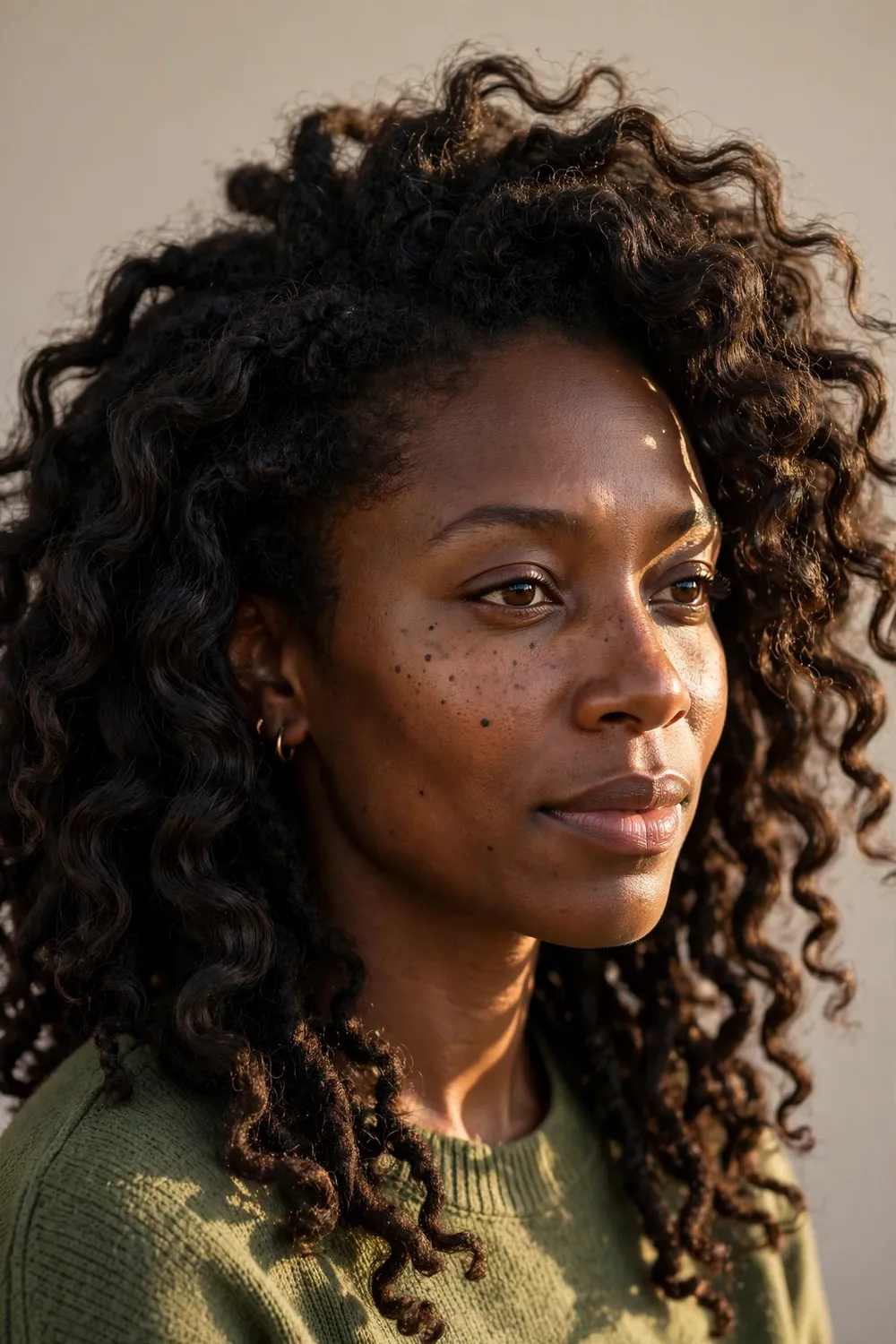
16. Loc Twist Out
A twist out is the easiest way to give locs a different texture for a day. The locs are twisted into two-strand twists, left to set overnight, then unravelled to reveal a crinkly, wavy pattern that softens the whole look. It suits any length, though longer locs show the wave more, and it is a great option when your locs feel flat or samey. Ask your stylist to twist damp locs with a leave-in, or do it yourself the night before: twist, pin, sleep in a bonnet, unravel next day. A few drops of oil on your fingers as you separate the twists stops frizz, and the texture holds for two to three days under a satin scarf. Then it washes out cleanly, no commitment, just a change of pace.
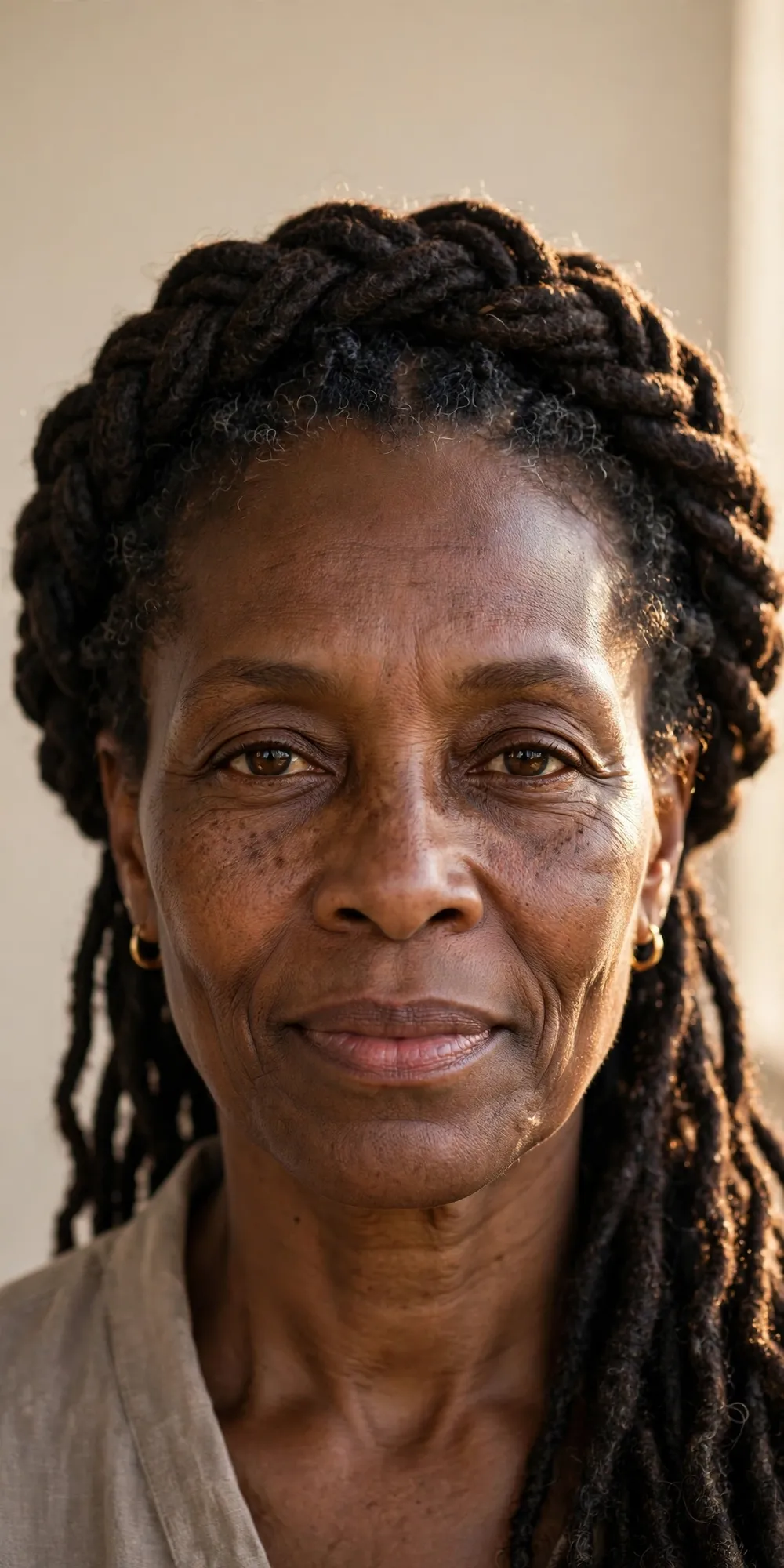
17. Loc Crown Braid
A crown braid turns your locs into a halo around the head, the braid running along the hairline and the rest tucked away or left to fall at the back. It suits weddings, graduations and any day you want to look polished, and it works best on medium to long locs long enough to wrap right around. Ask for a Dutch-style crown braid starting behind one ear, ends pinned and hidden underneath. A light-hold gel on the edges and a spritz of rosewater keep it smooth. It holds three to five days if you sleep in a satin scarf, though it softens by day three, so book it close to the event. It sits naturally beside the other styles in our Braided Hairstyles guide.
18. Loc Hawk with Flat Twists
This gives you mohawk drama with none of the commitment: the sides are flat-twisted tight to the scalp while the centre locs sweep up into a tall, textured crest. It suits oval and round faces especially well, since the height lengthens the face, and it works on medium-length locs that can stand up without flopping over. Ask your loctician for flat twists on both sides curving toward the crown, middle locs pinned and lightly teased for volume. A firm-hold gel on the twists and a little mousse through the crest keep the shape through the day. Redo the twists after four or five days, and sleep in a bonnet so the crest doesn’t flatten overnight. For more twisted styles, see our Twist Braids guide.
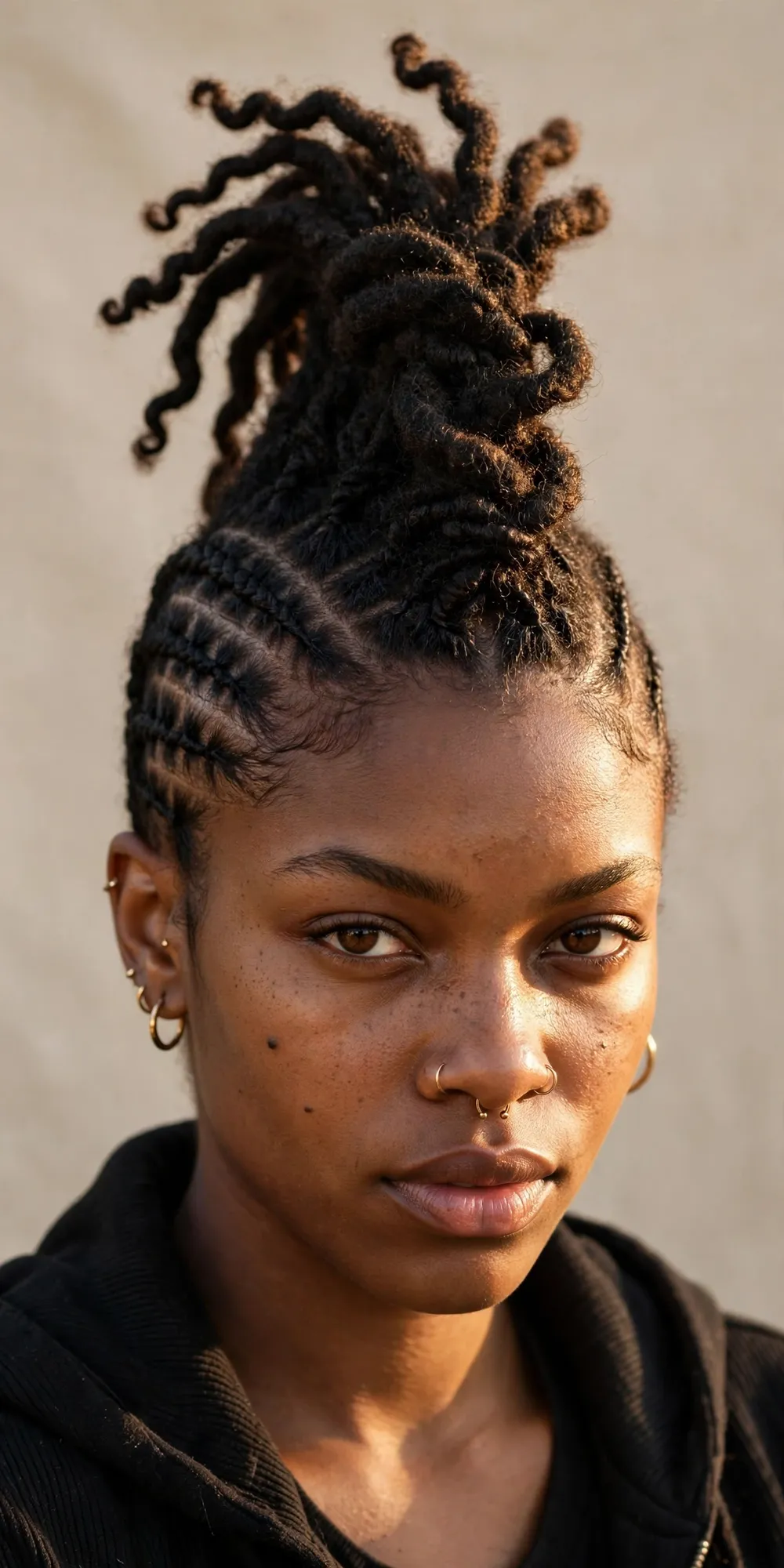
19. Loc Faux Hawk
The faux hawk is the no-scissors mohawk: sides pinned flat, centre locs gathered up and puffed into a bold ridge — the edge without shaving anything off. It suits a statement look for a night out or a festival, and flatters shorter and medium locs best, since very long locs get heavy. Ask your stylist to pin the sides close with bobby pins tucked under the locs, then gather the centre and fan it out. A strong-hold mousse and a few hidden pins do most of the work, with edge gel to keep the hairline crisp. It’s a one-day style — take the pins out before bed and let your locs rest. Pair it with bold earrings and let the hair do the talking.
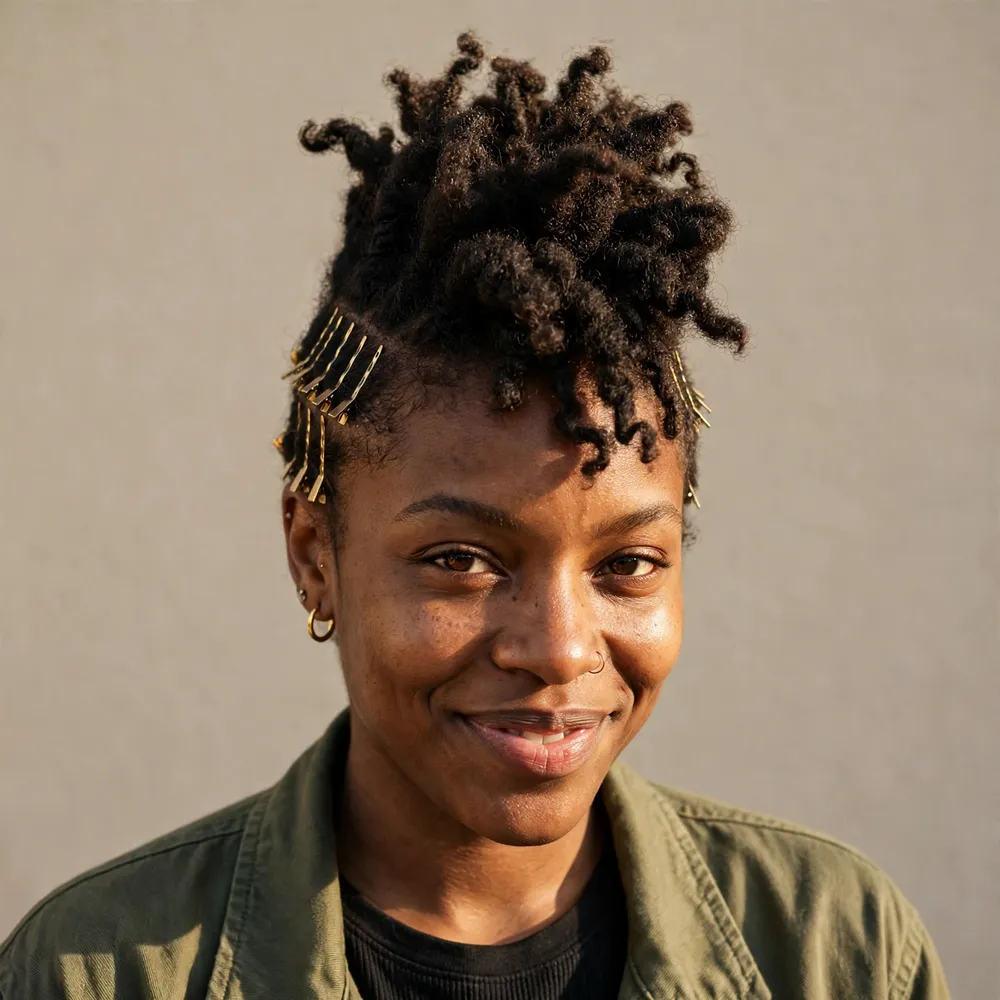
20. Loc Bow Bun
A bow bun shapes your locs into a bow — two loops and a wrapped centre — and looks far harder than it is. It suits birthdays, date nights and photoshoots, and works best on medium to long locs, since you need enough length to form both loops without pulling roots. Ask for a high ponytail split into two loops, pinned into shape, with one loc wrapped around the middle to hide the join. A light gel on the edges and a spritz of holding spray keep the loops from sagging. It lasts a day or two before the loops loosen, and it’s not one to sleep in — take it down at night and retwist the roots next morning. Add a gold cuff or two for extra polish.
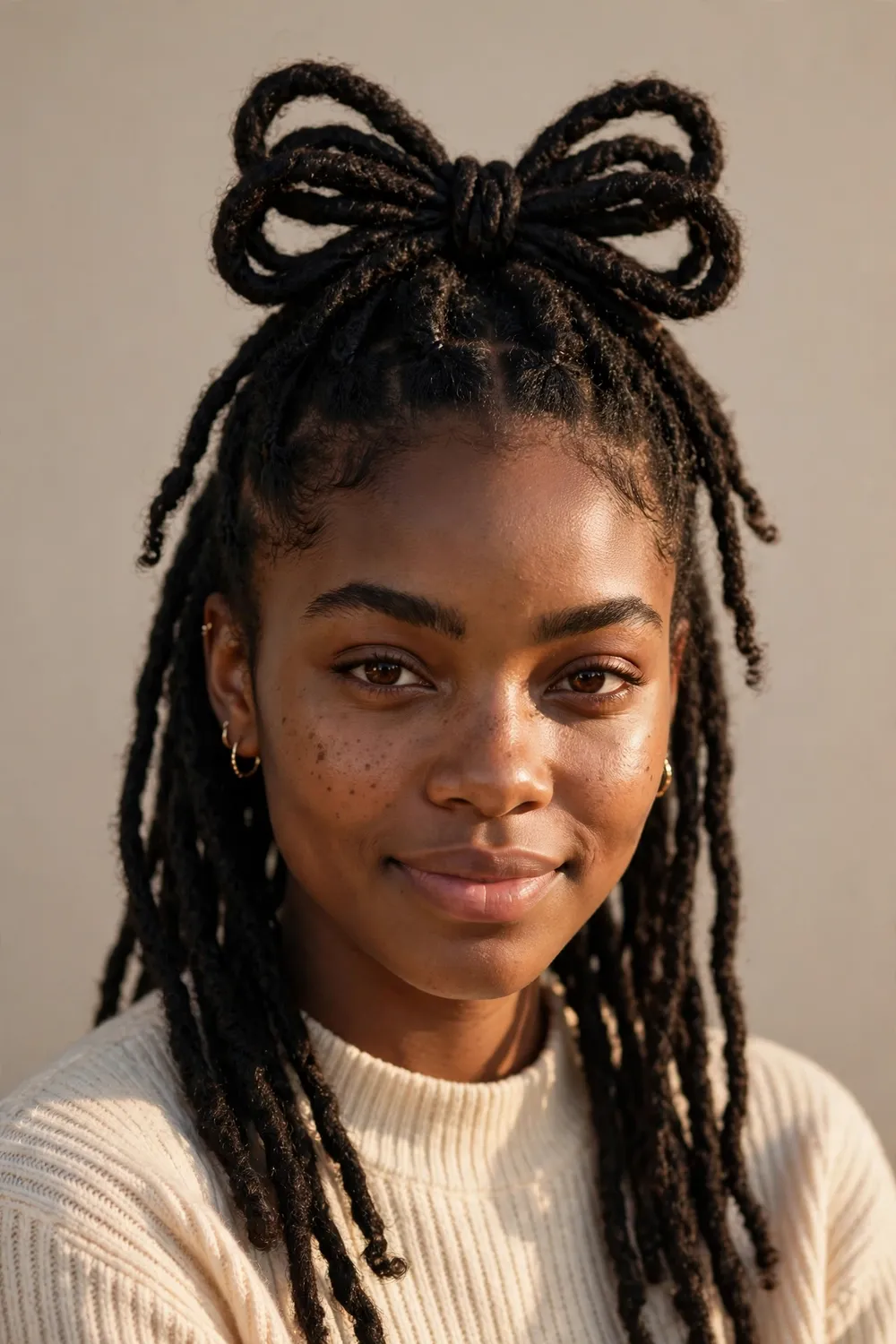
21. Loc Pom-Poms
Pom-poms are two loose, fluffy puffs worn high on either side of the head, bringing instant playful energy to casual days, festivals and anyone who likes a bit of fun. They work best on medium-length locs with some volume, though shorter locs can pull it off with a pick at the roots. Ask your stylist to part the hair down the middle, gather each side into a high puff and secure with a covered band, not a tight elastic. Fluff the ends with your fingers and mist with rosewater for softness. It takes ten minutes at home once you know the technique, and lasts a day before the puffs start to droop. Check our Black Girls Hairstyles guide for more playful looks like this one.
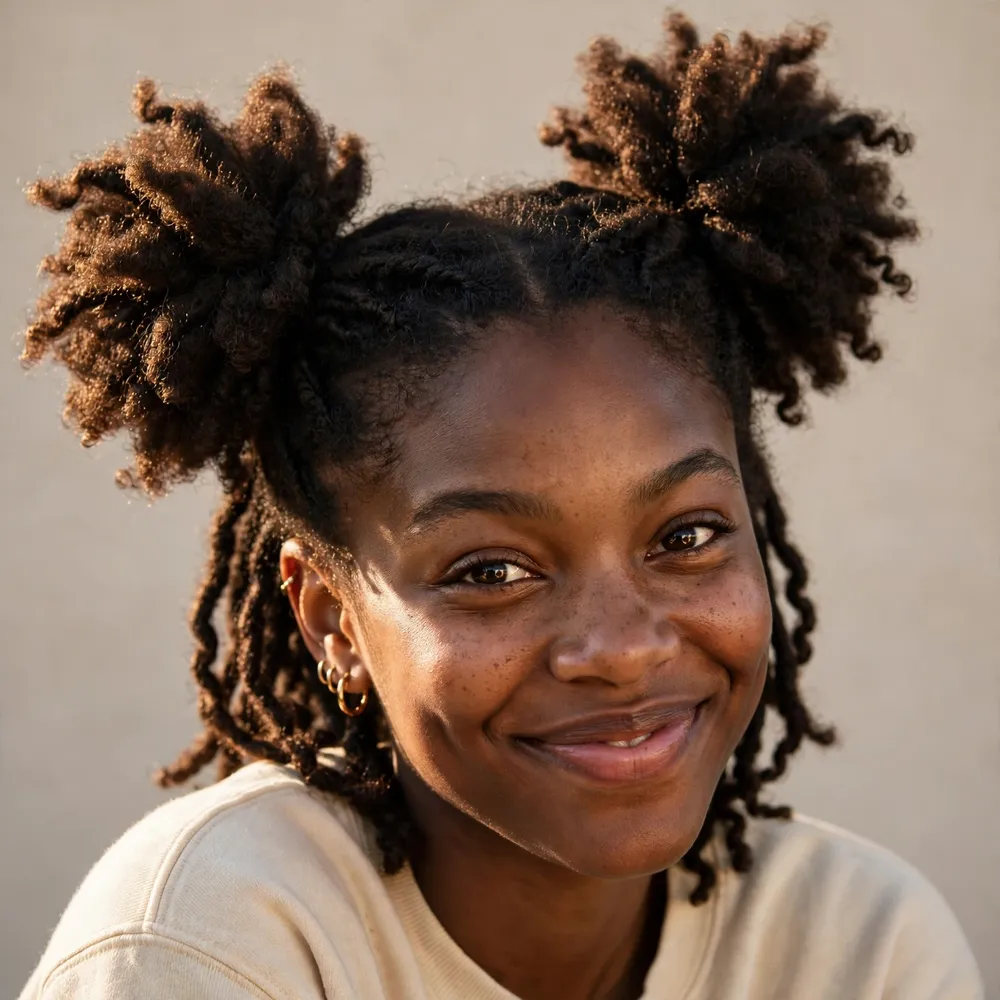
22. Loc Bob with Bangs
A bob with bangs gives locs a sharp, fashion-forward frame: locs at chin or jaw length, a short fringe falling across the forehead. It suits round and heart-shaped faces particularly well, since the fringe softens the forehead and the bob sharpens the jawline. Ask your loctician for a blunt bob cut with the fringe cut to brow length, and have the fringe cut slightly longer than you think — locs spring up a little once cut. Style with a light oil on the ends and edge gel for a clean hairline, and retwist the roots every four to six weeks to keep the shape. The fringe needs a quick finger-comb each morning, but otherwise this is a genuinely low-effort cut that always looks intentional.
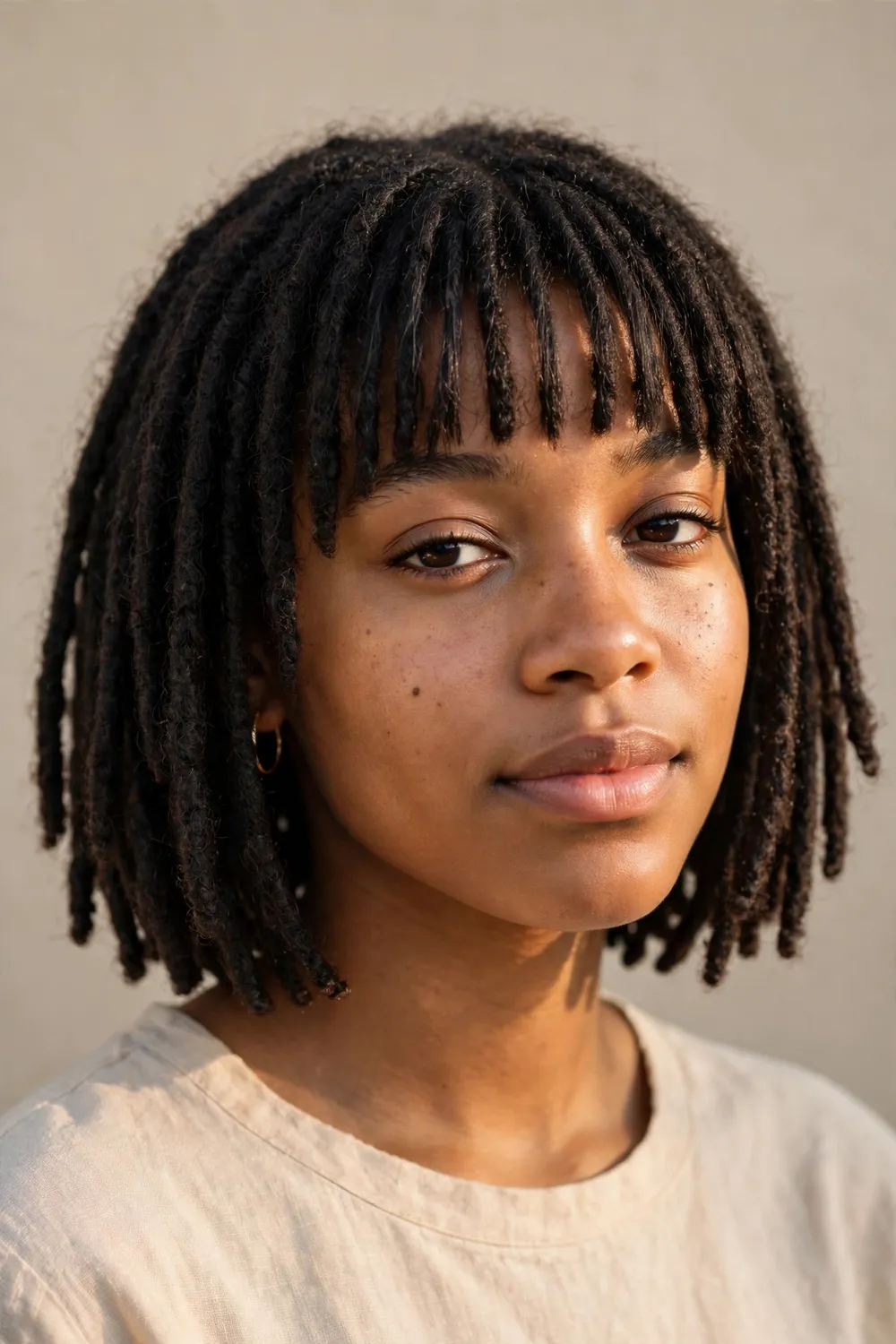
23. Loc Layered Cut
Layers cut into locs add movement and shape that one-length locs can lack: shorter pieces around the face, longer ones falling behind. It suits thick, heavy locs especially well, since removing weight at the ends stops them dragging the roots down, and it flatters most face shapes, the layers placed to frame your features. Ask your loctician for long layers with shorter face-framing pieces, and be clear how much length you are willing to lose — a good cut takes off less than you fear. Finish with a lightweight oil to keep the ends supple and a retwist to tidy the roots. Layers grow out gracefully, so you can go eight to ten weeks between trims, though the face-framing pieces may need a touch-up sooner.
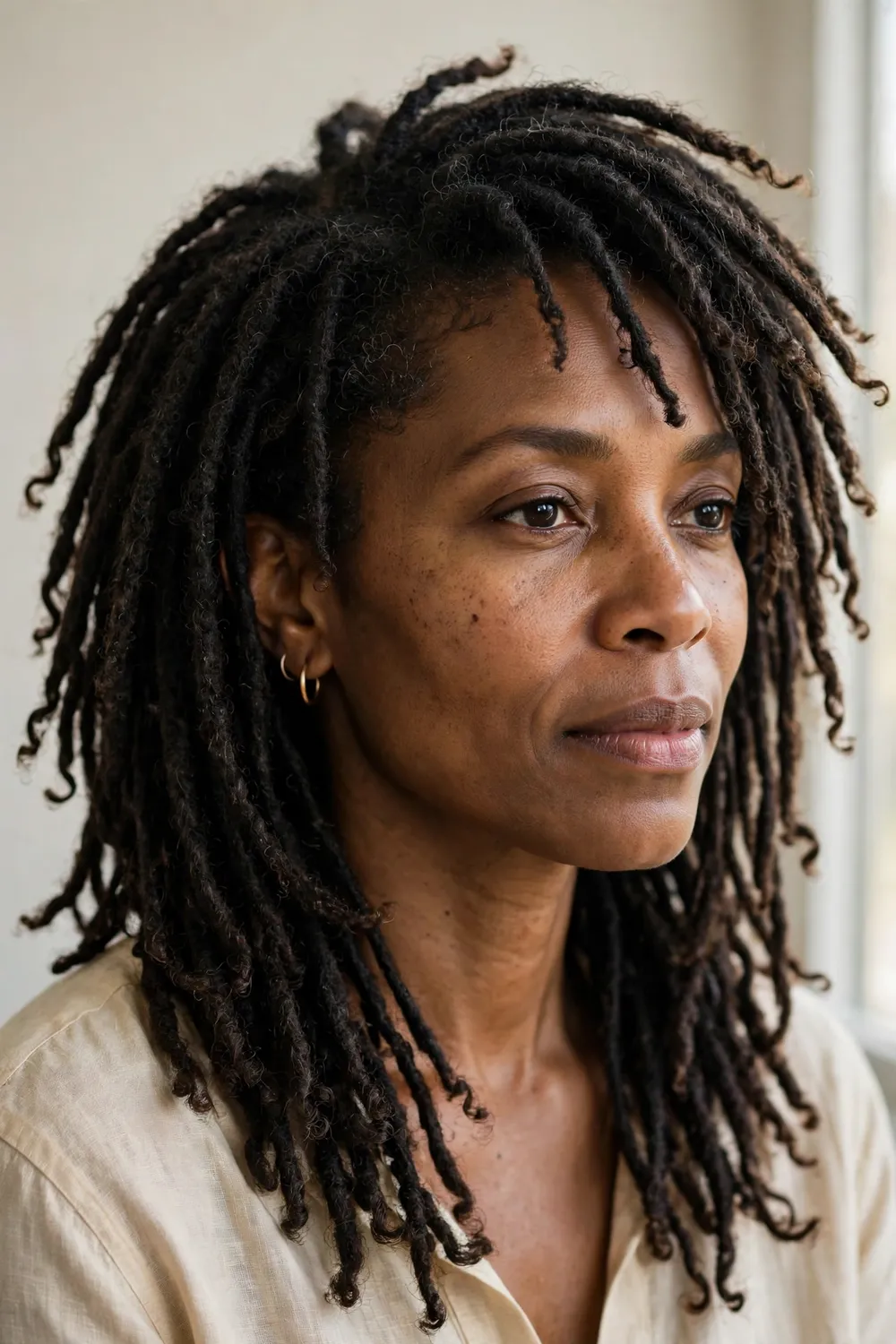
24. Freestyle Loc Art
Freestyle loc art is less one style and more a playground: braids, twists, wraps, colour, accessories mixed however you like, with no fixed pattern. It suits wearers who treat their locs as a canvas, and works at any length, though longer locs give you more to play with. Ask your loctician for a mix — a flat twist one side, a barrel roll the other, a few cuffs and a coloured wrap — and bring reference photos, since “freestyle” means different things to stylists. Use a light mousse for hold and keep accessories loose enough not to snag. Some parts last a week, others a day — refresh it in pieces rather than redoing it all at once. The history of Dreadlocks shows how long people have been decorating locs.
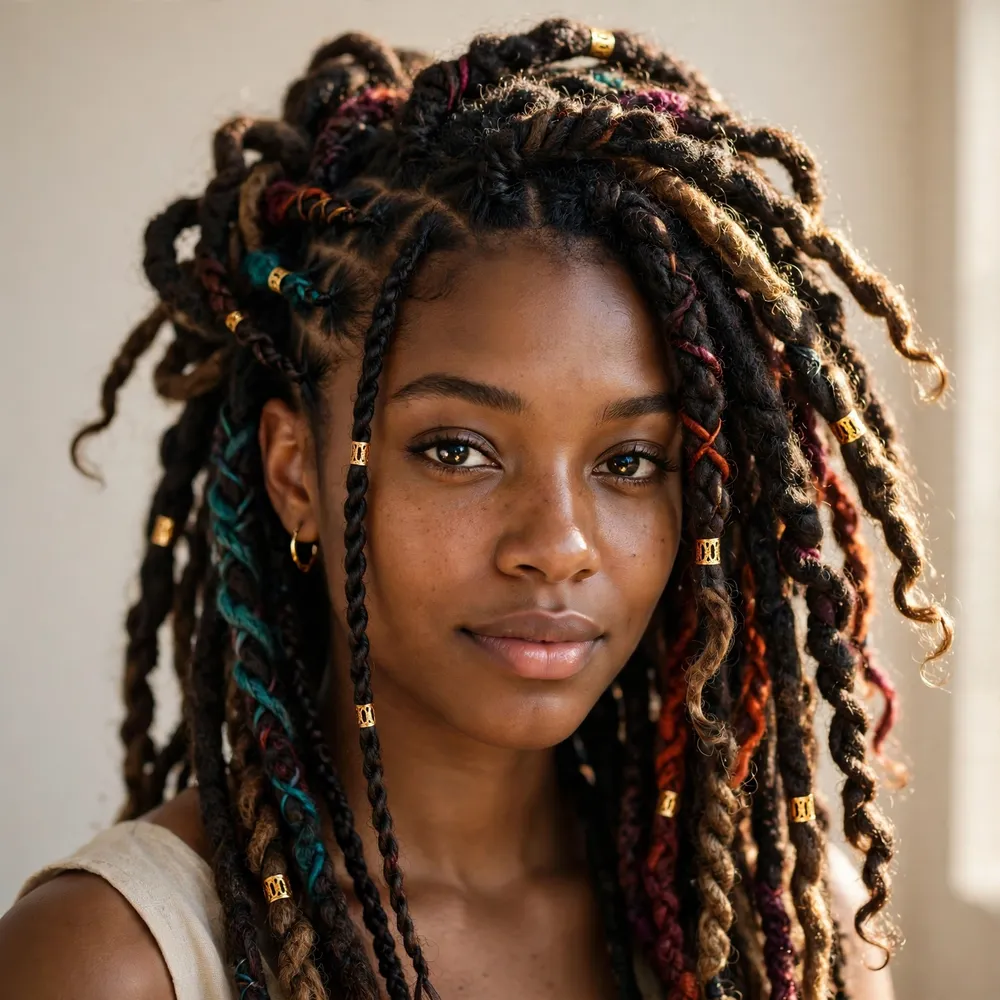
25. Starter Locs
Starter locs are the very beginning, usually two-strand twists or coils, and they look soft, slightly fuzzy and full of promise rather than neat and locked. They suit anyone starting fresh, whether after a big chop or a first set, and they work on most hair types with enough texture to hold a twist. Ask your loctician for two-strand twist starters with a parting pattern you can live with for years — diamond or square parts both look good. Use a residue-free shampoo and a light oil only; heavy wax at this stage causes buildup that slows locking. Expect frizz and some unraveling in the first weeks — completely normal — and retwist every four to six weeks. Patience is the real product here: locking takes months, not days.
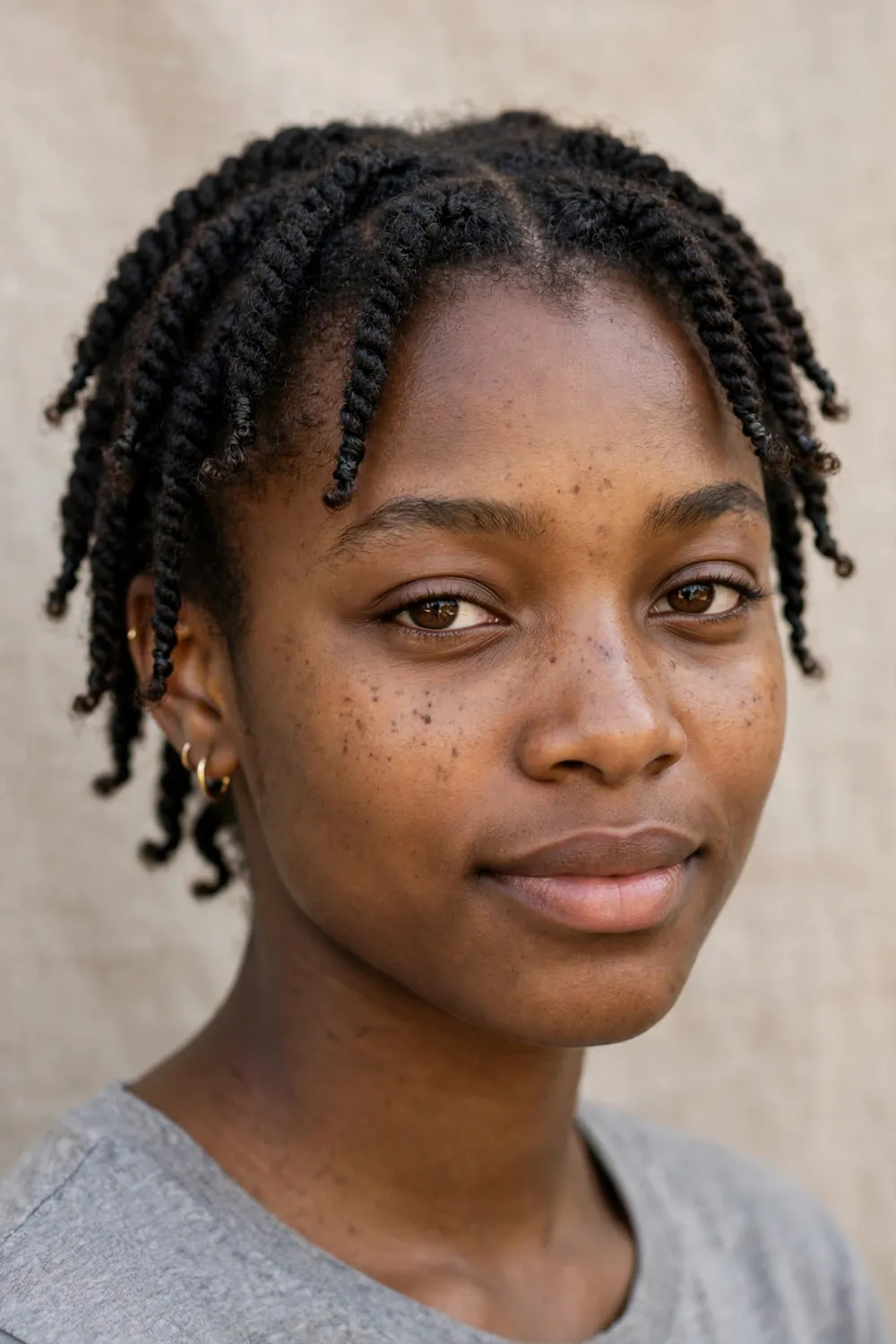
26. Short Locs
Short locs sit around chin length, feel light, and suit anyone who wants the loc look without the weight or a long grow-out. They flatter petite frames and strong jawlines, and they are a smart choice if you are new to locs and want to learn the maintenance routine on a smaller scale. Ask your loctician for a clean, even cut at the jaw or just below, with a neat parting that will still look good as they grow. Style with a dab of light oil and edge gel, and retwist every four to six weeks to keep the shape crisp. Short locs dry fast after washing, which makes wash day far less of a project, and they take accessories beautifully — cuffs and wraps show up well.
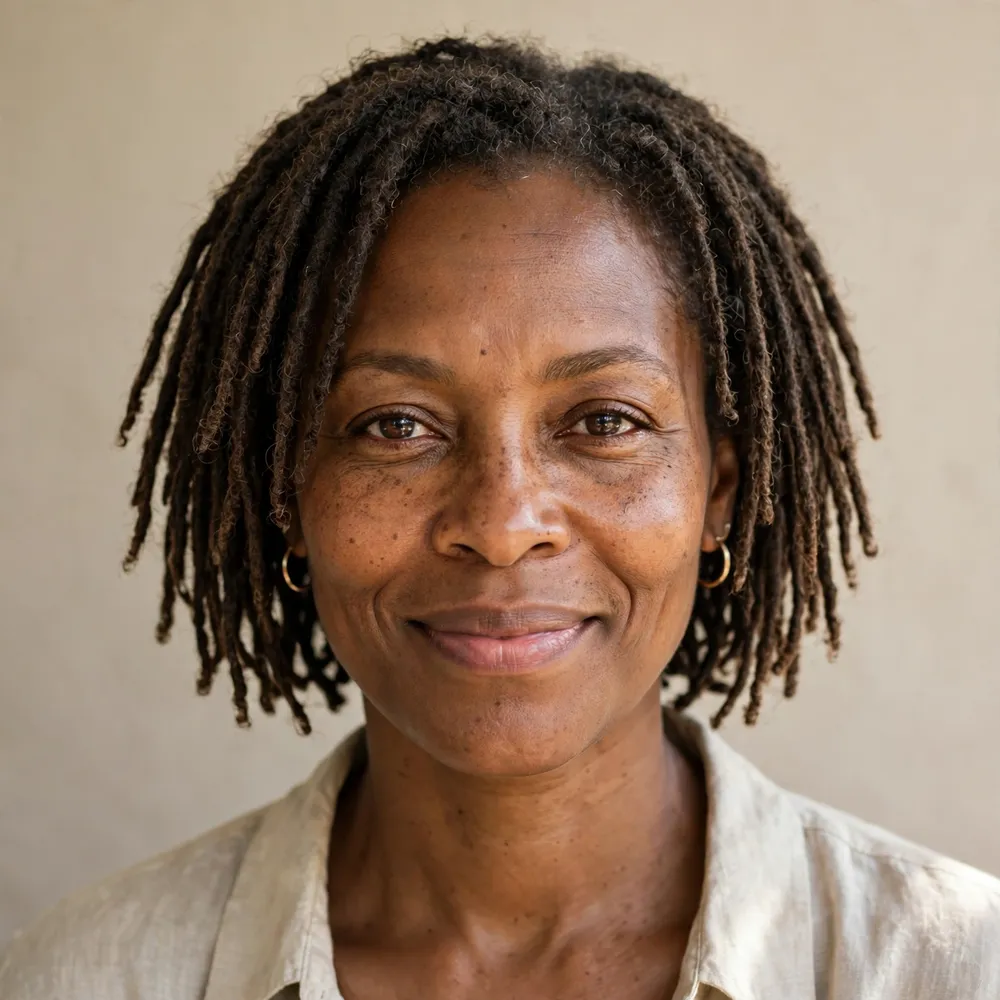
27. Medium-Length Locs
Medium-length locs, grazing the shoulders, are the sweet spot: long enough for buns, ponytails and braids, but short enough to wash and style without an afternoon’s work. They suit almost everyone, which is why so many wearers stay at this length for years rather than growing longer. Ask your loctician to keep the ends even and the roots tidy, and if you want shape, add long layers rather than a blunt cut. A rosewater spritz followed by a light oil keeps them soft, and a satin bonnet at night stops the frizz that undoes a retwist. Retwist every four to six weeks, and wash every one to two weeks with a residue-free shampoo. If you are deciding on a length, start here — you can always grow longer.
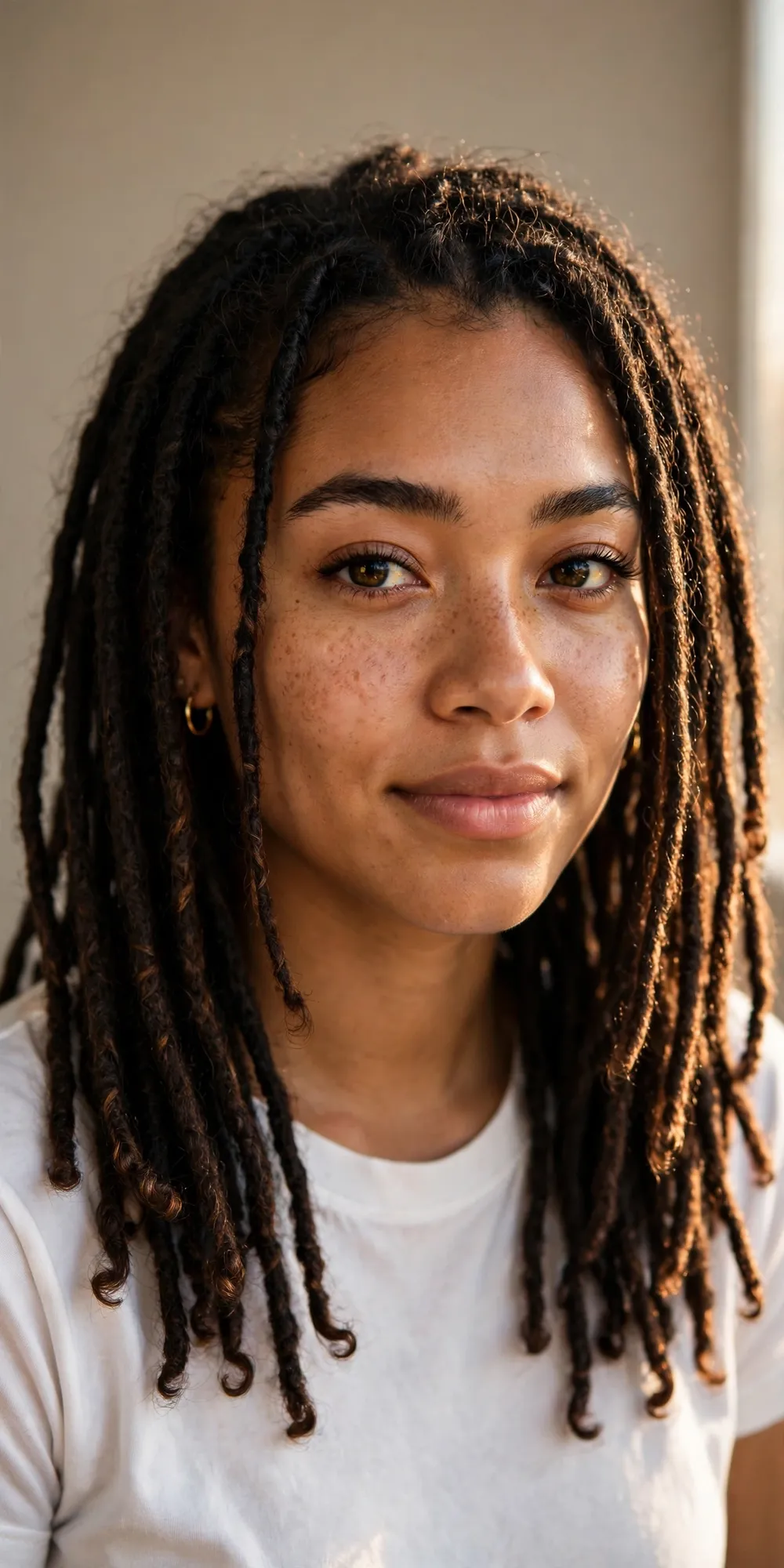
28. Long Locs
Long locs, falling to the waist or beyond, are a statement in themselves: worn loose they need nothing else, and tied up they make the fullest buns and ponytails. They suit anyone willing to put in the extra care, since long locs take longer to wash and dry and need more product — but the payoff is unmistakable. Ask your loctician for regular trims to keep the ends healthy and a retwist schedule you can actually keep, usually every six to eight weeks. Wash in sections with a residue-free shampoo, squeeze rather than wring, and let them air-dry fully before styling — damp locs tied up can develop a musty smell. A silk scarf at night protects the length, and a light oil on the ends prevents thinning.
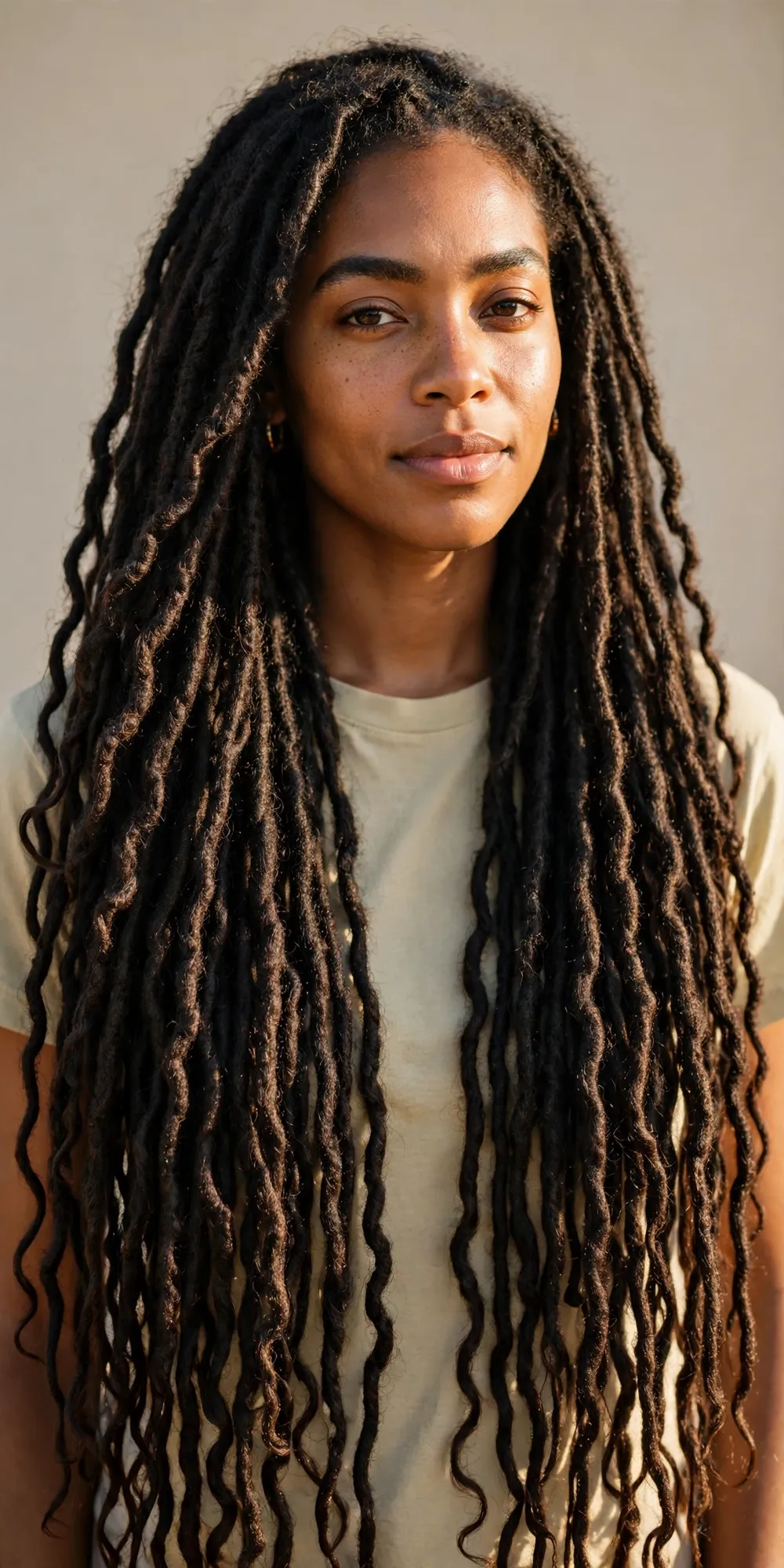
29. Coloured Locs
Coloured locs — copper, auburn, honey blonde or a bold red — add warmth and dimension plain locs can’t match, and the colour catches the light differently on every twist. They suit anyone ready for a change, though darker skin tones glow particularly well with copper and auburn shades. Ask a colourist experienced with locs, not a general salon, and get a patch test first: locs absorb colour unevenly and need a professional eye. Use a colour-safe, residue-free shampoo and a deep conditioner every couple of weeks, since dyed locs dry out faster than natural ones. Expect a touch-up every six to eight weeks as the roots grow in. Coloured locs fade in strong sun, so a scarf or hat on bright days keeps the shade richer for longer.
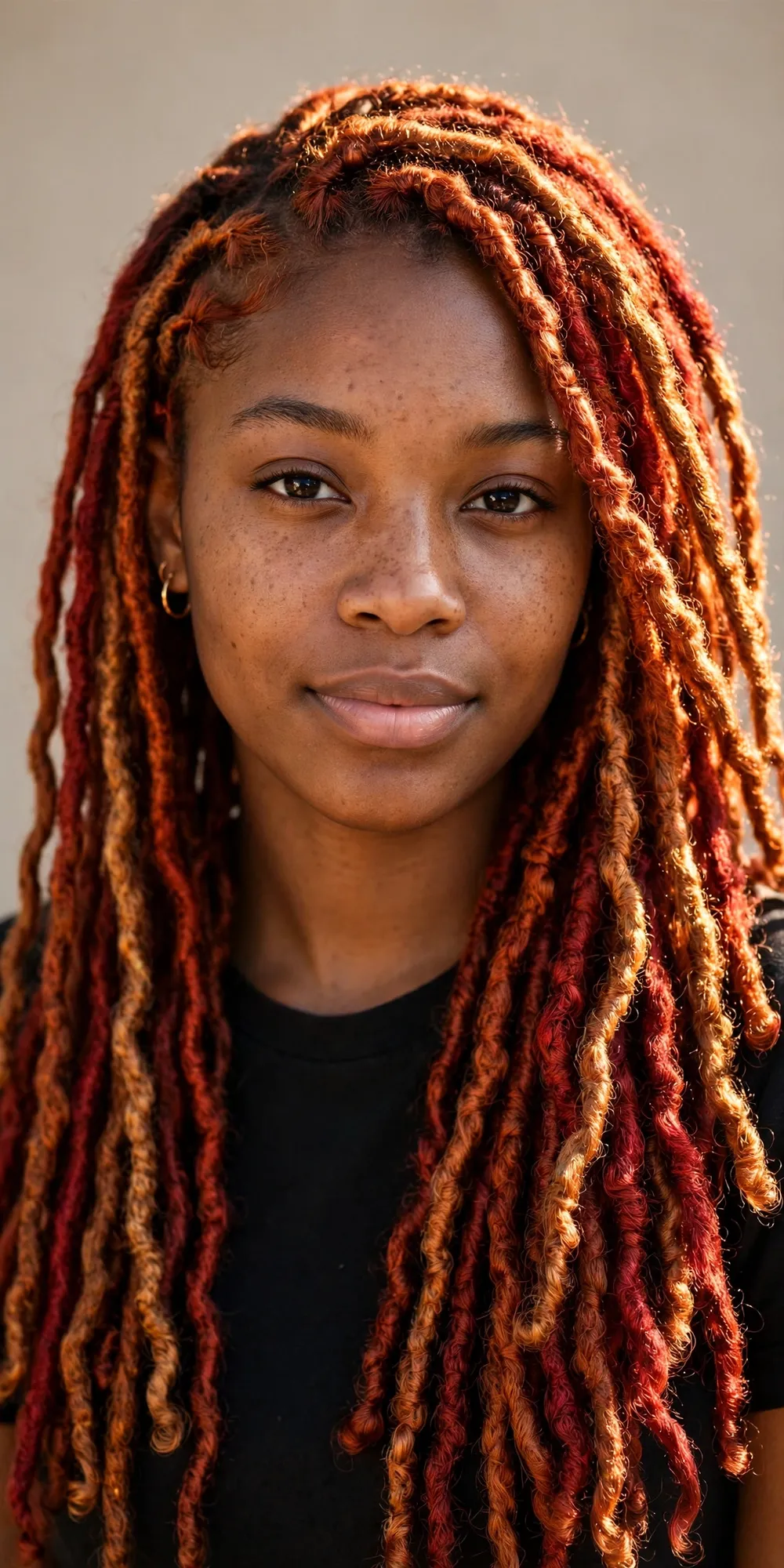
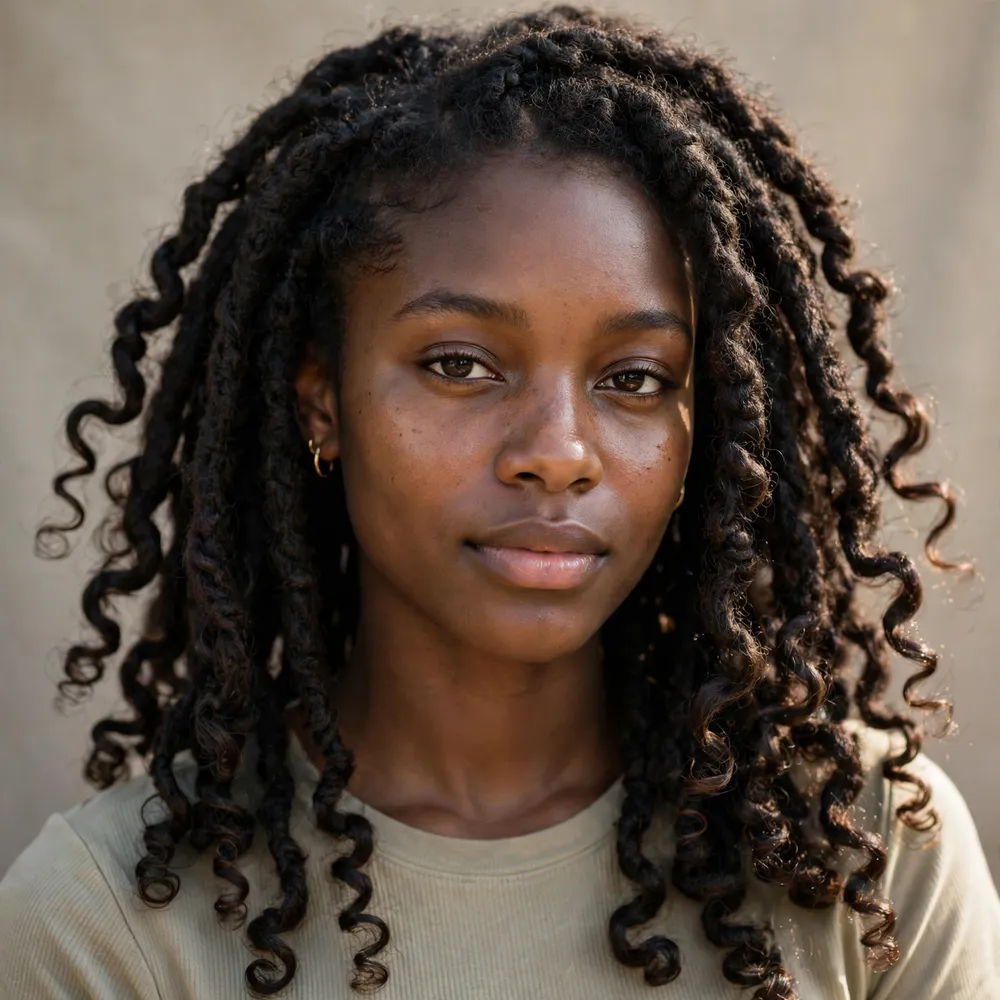
30. Curly-End Locs
Curly-end locs keep the lengths locked and neat while the ends stay loose and curled, giving a soft, goddess-like finish for weddings and holidays, or anyone wanting a romantic edge. They work best on medium to long locs, since you need enough loose end for a curl. Ask your stylist to set the ends on perm rods or flexi rods after washing, then unravel once dry for bouncy curls. A light mousse helps the curls hold, and a little oil keeps the ends from frizzing out by evening. The curls last two to three days with a satin bonnet at night, and you can refresh them with a quick rod set on damp ends. It’s one of the prettiest ways to soften a protective style without giving up the locs.
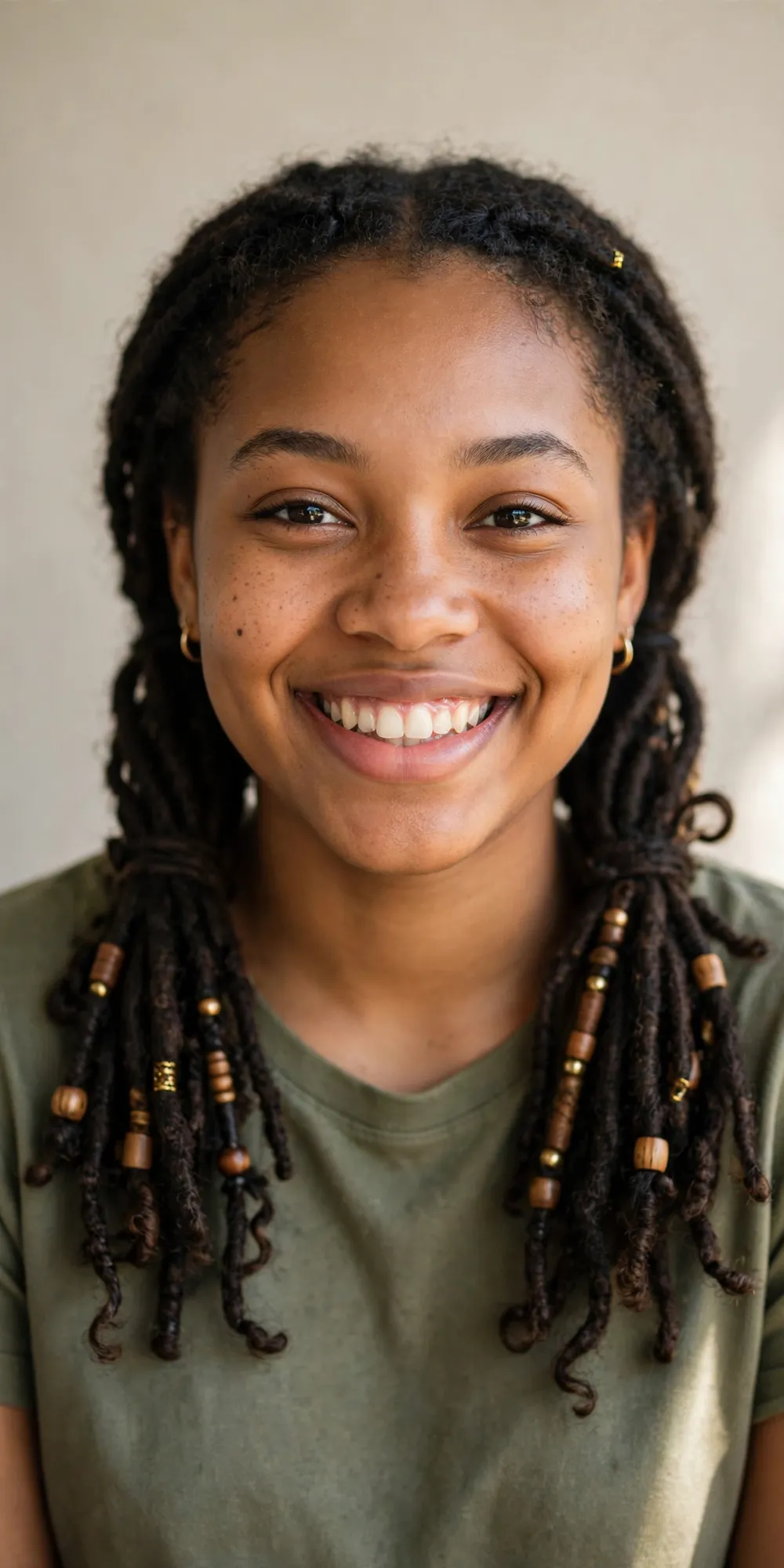
31. Loc Pigtails
Loc pigtails are two low pigtails worn at the nape, bringing sweet, casual charm to weekends, school runs and anyone who likes a young, relaxed look. They work best on short to medium locs, since very long locs get heavy and pull at the roots tied low. Ask your stylist for a centre part and two low ties, secured with covered bands, leaving a few face-framing locs out at the front. Edge gel keeps the hairline neat, and a ribbon or scrunchie on each tie dresses it up in seconds. It takes five minutes at home once you know it, lasts a full day, and comes out without tension — just undo the bands and shake them loose. For more everyday looks, see our Natural Hairstyles for Black Women guide.
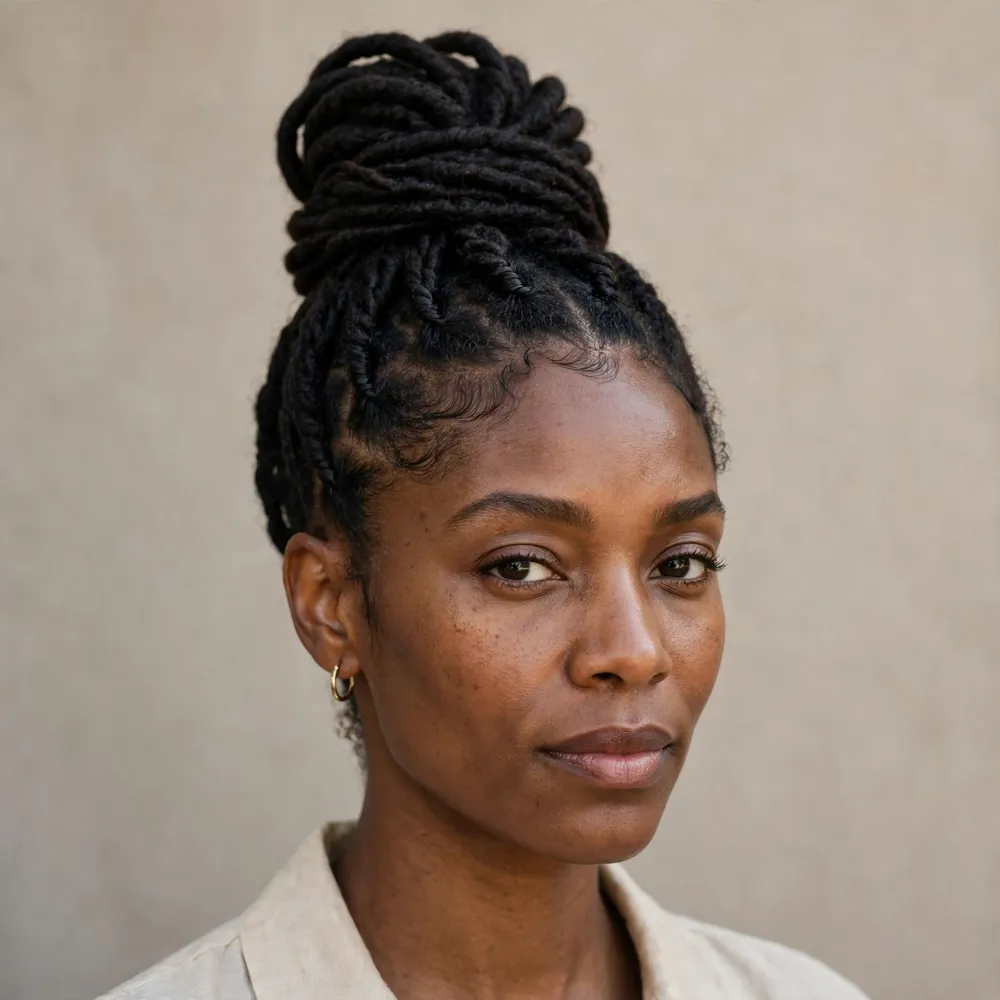
32. Loc Top Knot
The top knot gathers every loc into a high bun at the crown, lifting the face and showing off the neckline — the loc equivalent of a polished chignon. It suits oval and heart-shaped faces best, and works on medium to long locs long enough to wrap into a full knot. Ask your stylist to gather the locs high, smooth the sides with edge gel, and wrap the ends around the base, pinned flat so the knot sits neat rather than lumpy. A light-hold spray keeps flyaways down. It holds all day and survives a workout better than most updos, though it can pull at the hairline if worn too tight — loosen the base and never sleep in it. Pair it with statement earrings; the height does the rest.
How to Choose the Right Locs Style for Your Length
The length of your locs decides more than the look — it decides what will actually hold, how long a style takes, and how much your roots get pulled. Short locs shine in simple shapes, long locs in anything that shows off the length, and medium locs can do nearly everything.
| Your length | Best styles | Why it works |
|---|---|---|
| Starter / under 3 inches | Starter locs, short locs, loc pom-poms | Too short to braid or bun, so keep it simple and let them lock |
| Short (chin length) | Short locs, loc bob, loc bob with bangs, loc pigtails | Light, quick to style, and the cut does the work |
| Medium (shoulder length) | Half-up half-down, loc bun, loc faux hawk, loc crown braid, curly-end locs | Long enough for updos, short enough to manage easily |
| Long (past shoulders) | Classic straight-down, high ponytail, loc top knot, long locs, loc bow bun | Length is the feature — show it off or pile it high |
If you are between lengths, pick the style from the row above yours rather than the one below — a style that needs more length than you have will pull at your roots and fall apart by midday.
How to Care for Locs So Styles Last
Good styling starts before you ever pick up a pin. Wash your locs every one to two weeks with a residue-free shampoo, working it into the scalp with your fingertips and rinsing thoroughly — residue is the enemy, because it builds up inside the loc and dulls both the look and the smell. After washing, squeeze the water out gently and let locs dry fully before styling; tying up damp locs traps moisture and invites mildew. Retwist every four to six weeks, and no more often — over-retwisting thins the roots over time. Moisture matters too: a rosewater spritz followed by a light oil (jojoba or grapeseed, never heavy butters) keeps locs supple without buildup. At night, a satin bonnet or silk scarf protects the style and cuts frizz by half. Skip heavy waxes and thick gels entirely; they coat the loc, attract lint and are almost impossible to wash out.
5 Mistakes to Avoid with Locs
- Over-retwisting your roots. Retwisting every two weeks feels tidy, but it weakens the hair at the root and can lead to thinning or breakage over months. Four to six weeks is plenty.
- Using heavy wax or thick gel. Waxes coat the loc and never fully wash out, leaving buildup that dulls colour, attracts lint and can smell stale. Stick to light gels and residue-free products.
- Skipping wash days. Locs are not a reason to skip washing — a dirty scalp itches, flakes and weakens the roots. Wash every one to two weeks, even when the style still looks fine.
- Wearing tight styles every day. A top knot or ponytail pulled drum-tight strains the hairline and can cause traction alopecia. Vary your styles and loosen the base.
- Colouring locs without a patch test or a professional. Locs take colour unevenly and damaged locs are hard to repair. Always patch-test, and use a colourist who works with locs regularly.
FAQs
How long do locs take to fully lock?
Most locs take six to twelve months to fully lock, depending on your hair texture — coarser, curlier hair locks faster, while finer or straighter hair can take up to eighteen months. The first few months are the fuzziest, and that is normal. Regular retwists and patience do more than any product.
Can you style short locs?
Yes, short locs are very styleable. Bobs, pigtails, pom-poms, headscarves and simple accessories all work well at chin length, and short locs take less time to wash and style than longer ones. As they grow past the shoulders, buns and ponytails open up too.
How often should you retwist your locs?
Every four to six weeks is the sweet spot for most people. Retwisting more often thins the roots over time, while waiting much longer lets new growth mat at the base and makes the next retwist harder. If your hair grows fast, lean toward four weeks; if it grows slowly, six weeks is fine.
Do locs damage your hair?
Locs themselves do not damage hair — in fact they are a protective style that shields the ends from daily handling. Damage comes from the habits around them: over-retwisting, styles pulled too tight, heavy products causing buildup, and skipping washes. Look after the scalp and the roots, and locs are one of the kindest styles you can wear.
How do you wash locs properly?
Use a residue-free shampoo, dilute it if you like, and work it into the scalp with your fingertips rather than scrubbing the lengths. Rinse thoroughly, squeeze the water out gently without wringing, and let locs dry completely before styling. Wash every one to two weeks, and wash in sections if your locs are long or thick.
Can you colour locs?
Yes, but do it with a professional who works with locs. Locs absorb dye unevenly, so a colourist will know how to get an even result and how to protect the hair from damage. Always do a patch test first, use colour-safe shampoo afterwards, and deep-condition regularly, since coloured locs dry out faster.
How do you sleep with locs without frizz?
Cover them. A satin bonnet or silk scarf is the simplest fix — it stops the cotton pillowcase from roughing up the surface of the locs overnight. Gather longer locs into a loose pineapple or low bun first so they don’t get crushed, and a light mist of rosewater in the morning smooths anything that escaped.
Final Word
Thirty-two styles, one head of locs — and the honest truth is that the best of these locs hairstyles is the one you will actually wear, look after and enjoy. Start with the length you have, pick a style that suits your week rather than just your camera roll, and give your locs the wash days and the night protection they deserve. For more ideas across every length and texture, have a browse through the Hair Groom blog — your next favourite style is probably already waiting there.