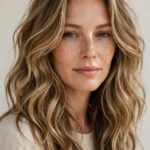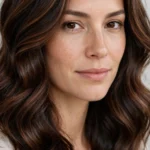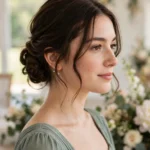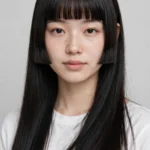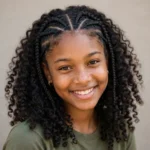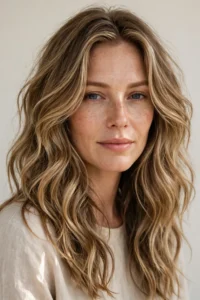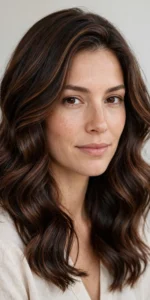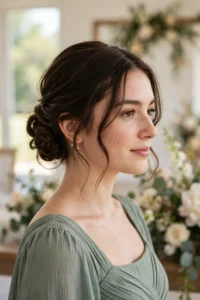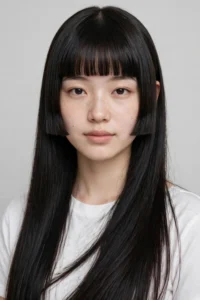



A butterfly haircut is a two-layer cut: short, face-framing layers on top that fall like wings, with long layers underneath that keep your length. If you only try three, start with the Classic Long Butterfly, the Medium-Length Butterfly Layers, and the Collarbone Butterfly with Curtain Pieces — they suit the most people and grow out the easiest.
What Is a Butterfly Haircut?
The cut works in two parts. The top layer is cut short, usually around the chin or cheekbones, and frames the face. Underneath, the hair stays long, so from behind it looks like one long cut — but the moment you move, the short layers lift and flick outward, giving that bouncy 90s blowout shape. It is the same idea as the classic layered blowout, just cut smarter: the short pieces do the styling work, so you get volume without losing length. It suits straight, wavy and curly hair, and it works on fine hair too, because the layers are kept long enough not to thin the ends out.
1. Classic Long Butterfly Haircut

This is the one that started the trend: hair past the shoulders, shortest layers at the cheekbones, and long layers falling through the lengths so the ends stay full. It suits oval and long faces best, and it is made for medium to thick hair that can hold a bend. Ask your stylist for short face-framing layers starting at the cheekbone, long layers through the back, and no thinning at the ends. Blow-dry with a large round brush, flicking the front pieces away from your face, and finish with a light volumising mousse at the roots. A quick blast of dry shampoo on day two keeps the crown lifted. Honest note: it needs a blow-dry to look its best — air-dried, it can fall flat.
2. Long Butterfly with Cheekbone Layers

Here the shortest layers sit right at the cheekbones, which pulls attention to your eyes and cheekbones and softens a strong jawline. It is a lovely choice for square and heart-shaped faces, and for anyone whose long hair has started to look heavy and shapeless. Ask for the face frame to start at the cheekbone, blended so there is no harsh step. Style the front pieces with a round brush or a straightener, curving them away from the face, and use a pea-sized amount of smoothing cream so the pieces stay soft, not stiff. A heat protectant is non-negotiable when you style daily — dermatologists’ healthy hair tips stress gentle heat use for a reason. Trim every 8–10 weeks to keep the cheekbone pieces sharp.
3. Medium-Length Butterfly Layers
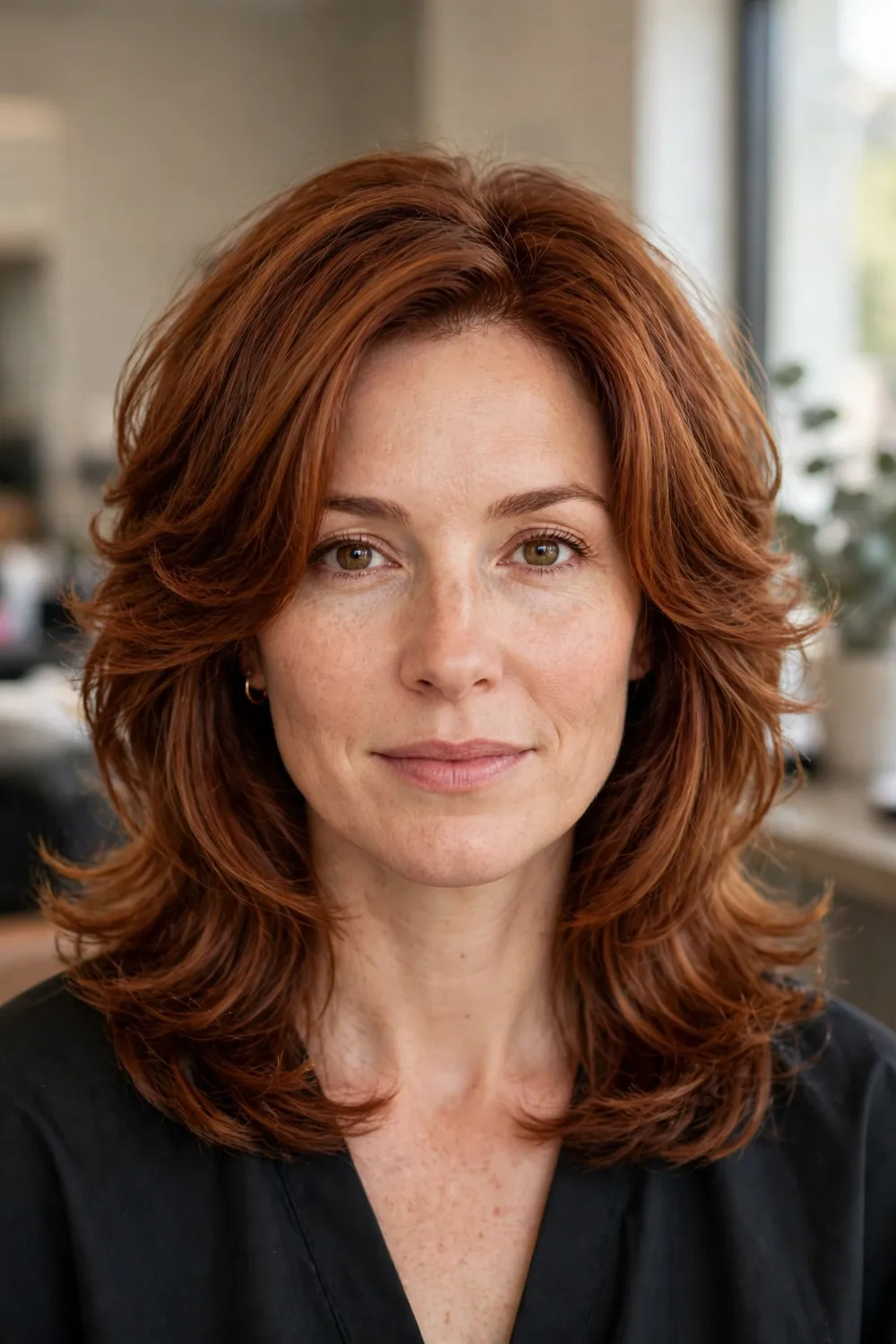
Not quite long, not a lob — this sits between the shoulders and collarbone, and it is the easiest butterfly to live with. The layers are shorter overall, so the shape bounces up on its own, and it suits almost every face shape, because the length still falls past the chin. It is a good pick if your hair is fine or medium and long lengths drag it down. Ask for layers starting at the chin, kept long through the back, with the ends point-cut so they move. A golf-ball of mousse, rough-dried upside down, then a round brush just on the front pieces, is all it needs. It also gathers into ponytail hairstyles neatly on day two. Maintenance is light: a trim every 8 weeks keeps the shape springy.
4. Collarbone Butterfly with Curtain Pieces
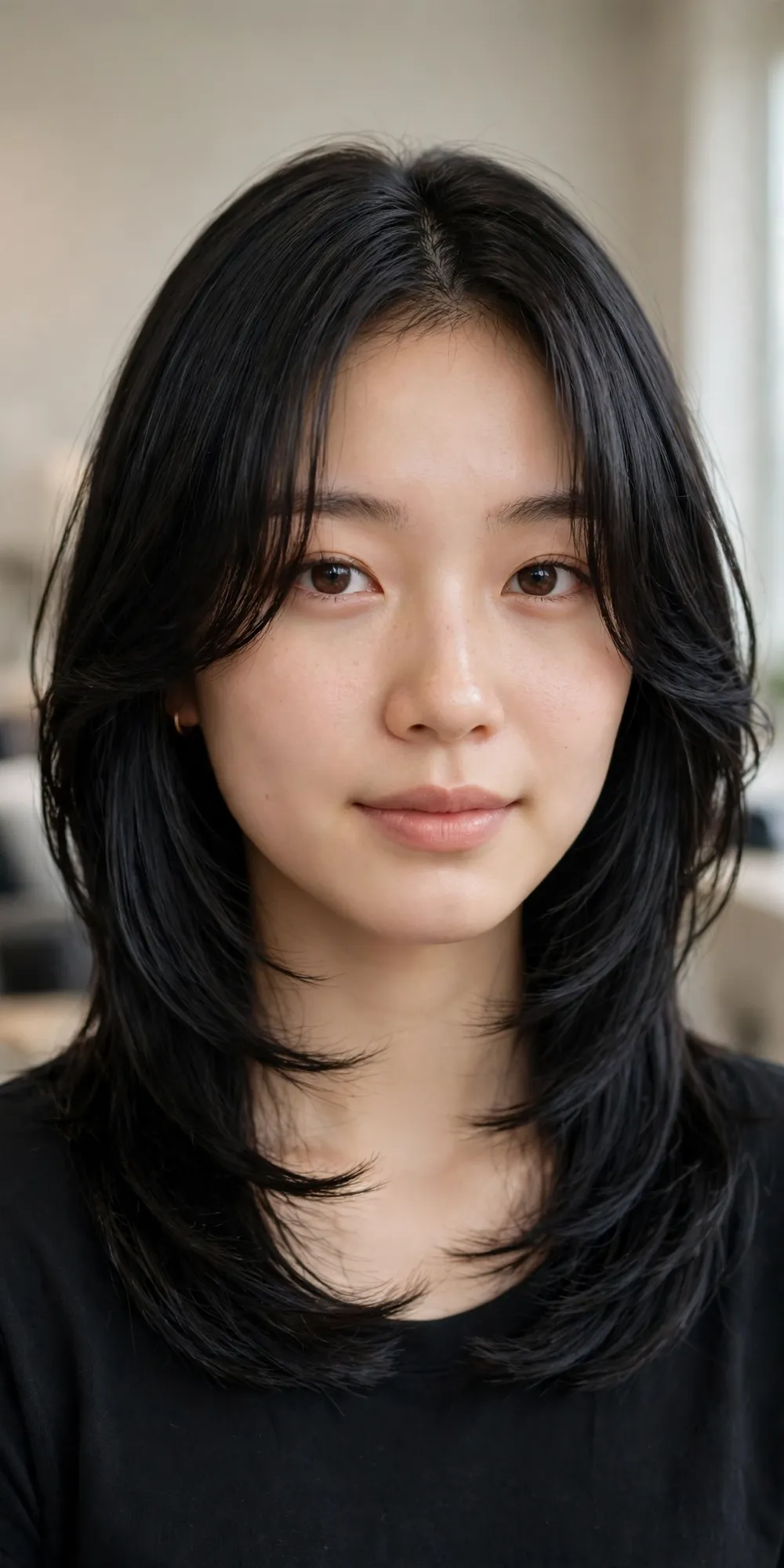
This is the collarbone-length version with soft curtain pieces that part in the middle and sweep to either side of the face. It flatters narrow and long faces especially well, because the width at the cheeks balances the length, and it works on straight and wavy hair alike. Ask your stylist for a centre part, curtain pieces starting at the cheekbone, and layers that get gradually longer toward the back. Blow-dry the curtain pieces forward over a round brush, then flick them back — that gives the soft winged shape. A texturising spray at the roots adds lift without stiffness. It grows out gracefully, so you can stretch trims to 10–12 weeks, and the curtain pieces double as grown-out bangs if you ever want fringe later.
5. Shoulder-Grazing Butterfly Lob
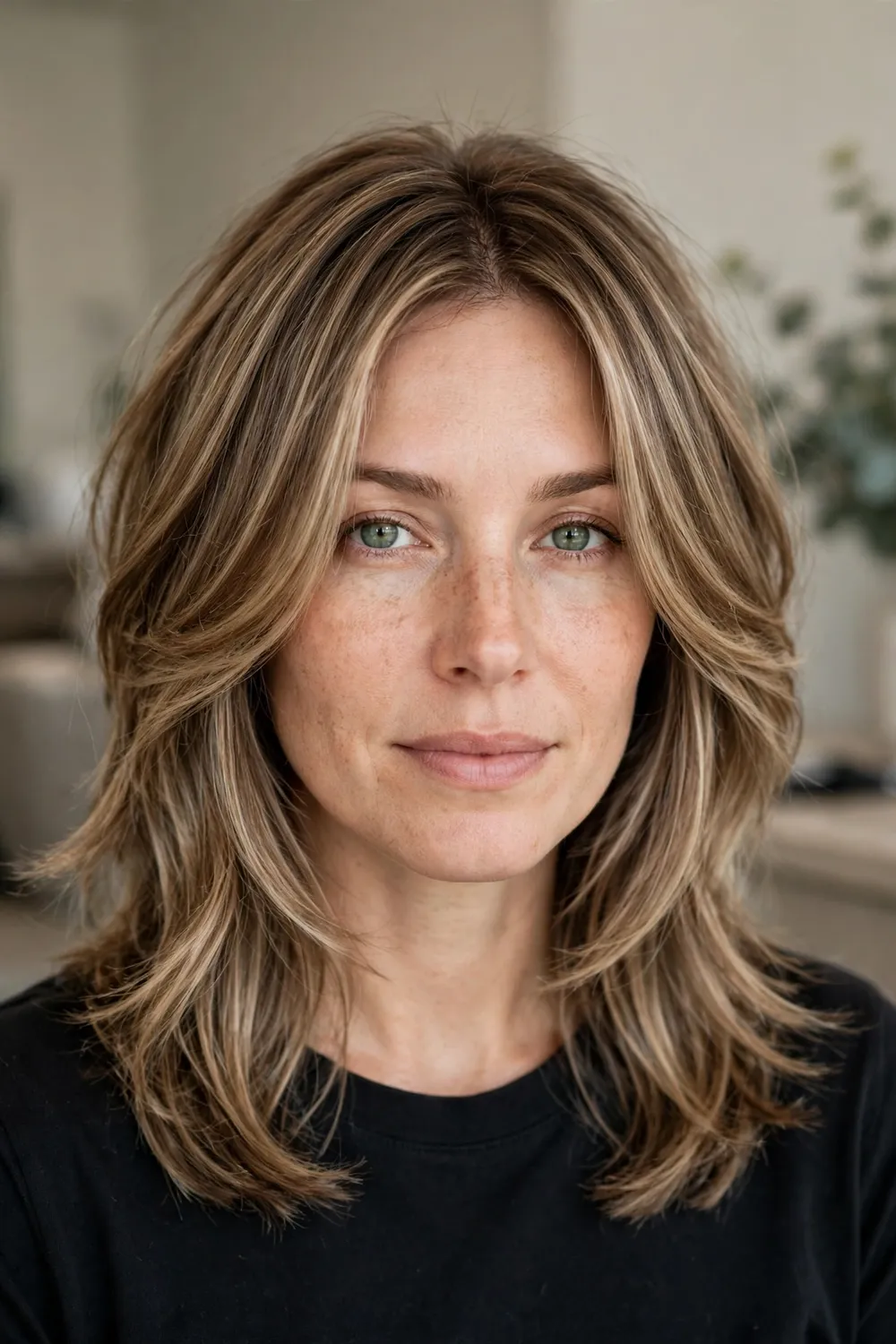
A lob with butterfly layering is the denser, more polished cousin of the classic cut — the length ends at the shoulders, so the ends look thicker, while the face-framing layers still give that winged movement. It suits fine hair brilliantly, because nothing is cut too short to disappear, and it flatters most face shapes. Ask for a shoulder-length base with the shortest layers at the chin, interior layers kept long, and blunt ends rather than wispy ones. Blow-dry with a medium round brush and finish with a shine spray for that salon-polished look. It is one of the lowest-maintenance butterflies: it air-dries into a decent shape, and a trim every 6–8 weeks keeps the blunt ends neat.
6. Textured Butterfly Bob
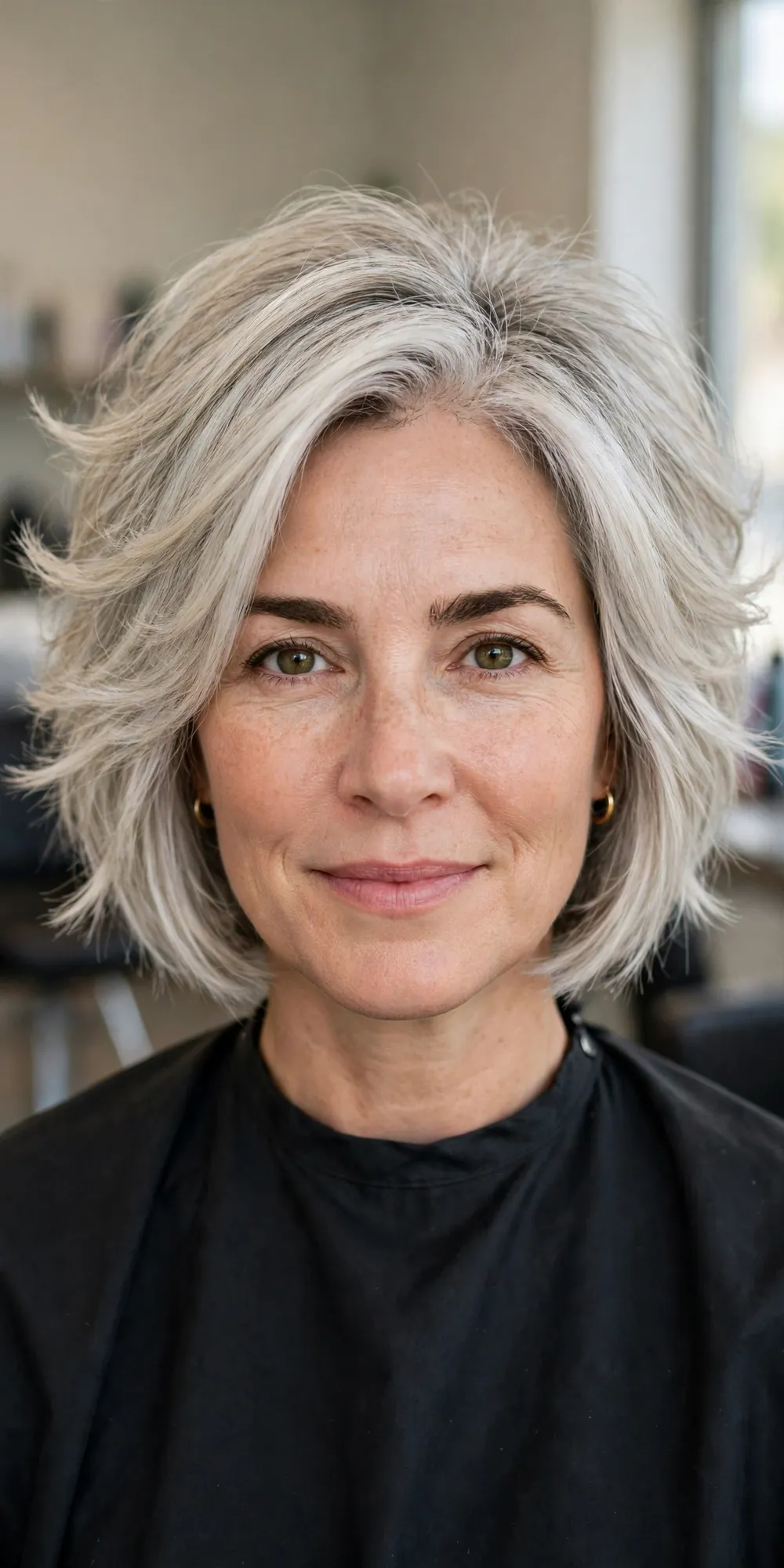
Yes, a butterfly can be a bob. The layers are cut into a chin-to-jaw-length bob, with the shortest pieces framing the face and the rest textured so it never looks like a helmet. It suits thick hair that needs weight removed, and it is a strong choice for round faces, since the layers add height at the crown. Ask for a textured bob with butterfly face-framing layers, point-cut ends, and no blunt weight line at the bottom. Style with a small amount of texturising cream scrunched through the ends, and let it air-dry or diffuse for a lived-in finish. The trade-off is upkeep: bobs lose their shape fast, so book a trim every 5–6 weeks, and expect a little daily styling — it does not wake up perfect.
7. Short Butterfly Haircut
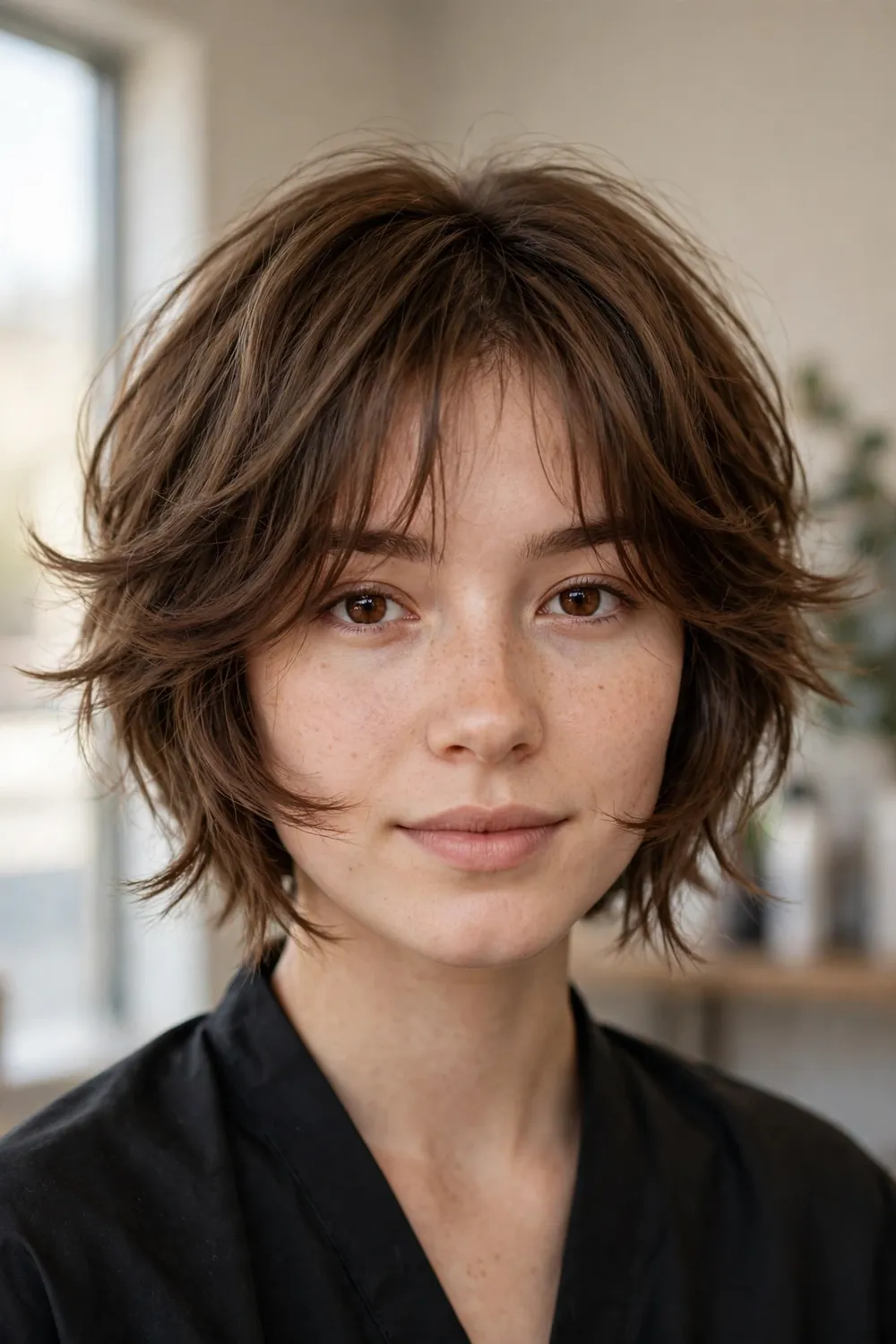
Shorter than a bob but still a butterfly: the face frame sits around the cheekbones and the back is cut to just below the ears, with airy layers that keep it light rather than blocky. It suits petite faces and anyone who wants a wash-and-go cut with personality, and it works on straight and wavy hair. Ask for short face-framing layers, a tapered nape, and texture through the crown so it does not puff out. A dab of light pomade or texture paste, worked through with your fingers, is enough to style it — no round brush required. It is genuinely low effort day to day, but the shape grows out fast, so plan a trim every 4–5 weeks, and grow-out can go through an awkward stage around week six.
8. Butterfly Haircut for Thin Hair

The fear with thin hair is that layers make it look thinner — this version is built to avoid exactly that. The ends are kept blunt and full, and the layers are hidden inside the cut, so the hair looks denser while the face frame still gives movement. It suits fine, straight to wavy hair and any face shape, and it is a good pick if your ponytail feels thin. Ask for blunt ends, hidden interior layers only, and the shortest face piece no higher than the chin. Blow-dry with a volumising mousse at the roots and a round brush on the front layers. Skip thinning shears entirely — they are the enemy here. Trim every 8 weeks, and be realistic: it adds the illusion of fullness, not actual thickness.
9. Butterfly Haircut for Thick Hair
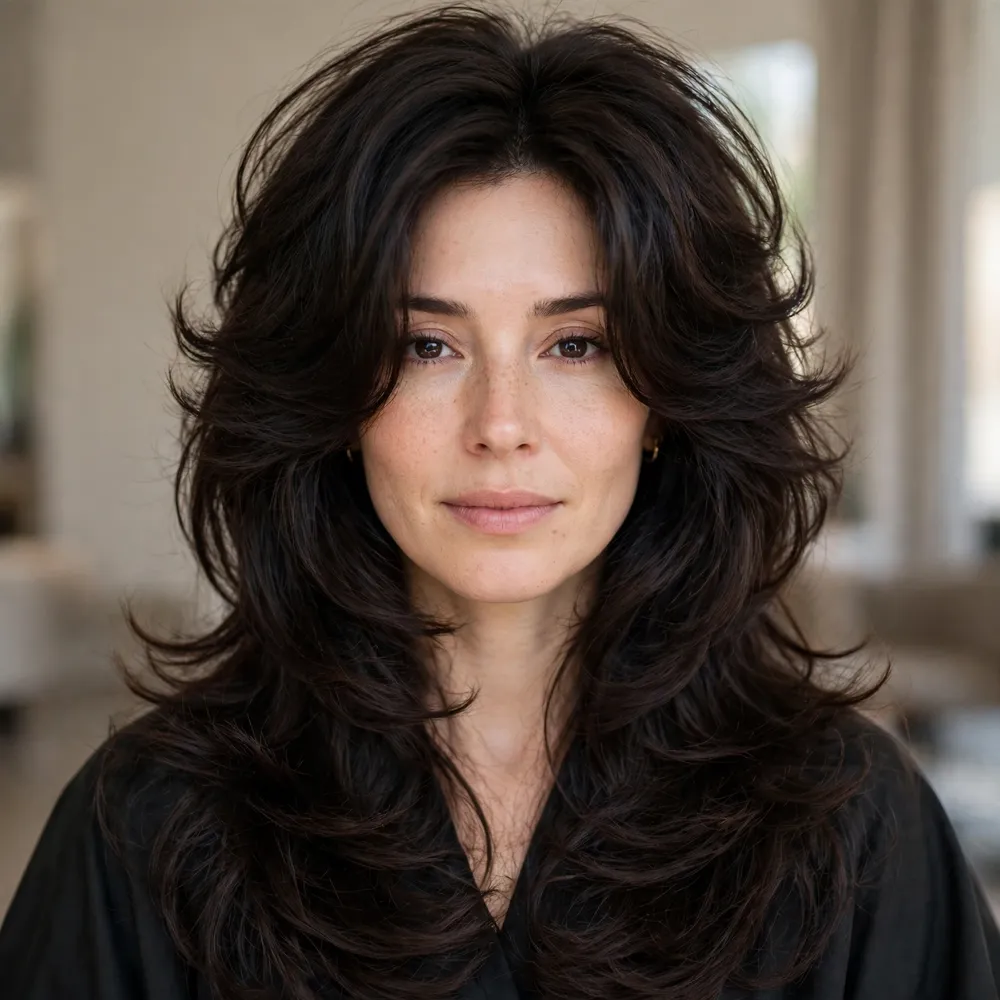
Thick hair is where the butterfly really earns its keep: the layers remove bulk from the inside, so the hair moves instead of sitting like a heavy curtain, while the length stays. It suits anyone whose hair takes forever to dry or puffs up in humidity, and it flatters most face shapes because the face frame breaks up the weight around the cheeks. Ask for long interior layers, the face frame starting at the cheekbone, and the ends thinned lightly — not razored, just enough to stop the triangle shape. Blow-dry in sections with a round brush, or let it air-dry with a smoothing cream if your waves behave. It is lower maintenance than it looks: trims every 10–12 weeks, and the grow-out is forgiving because the layers blend.
10. Curly Butterfly Haircut
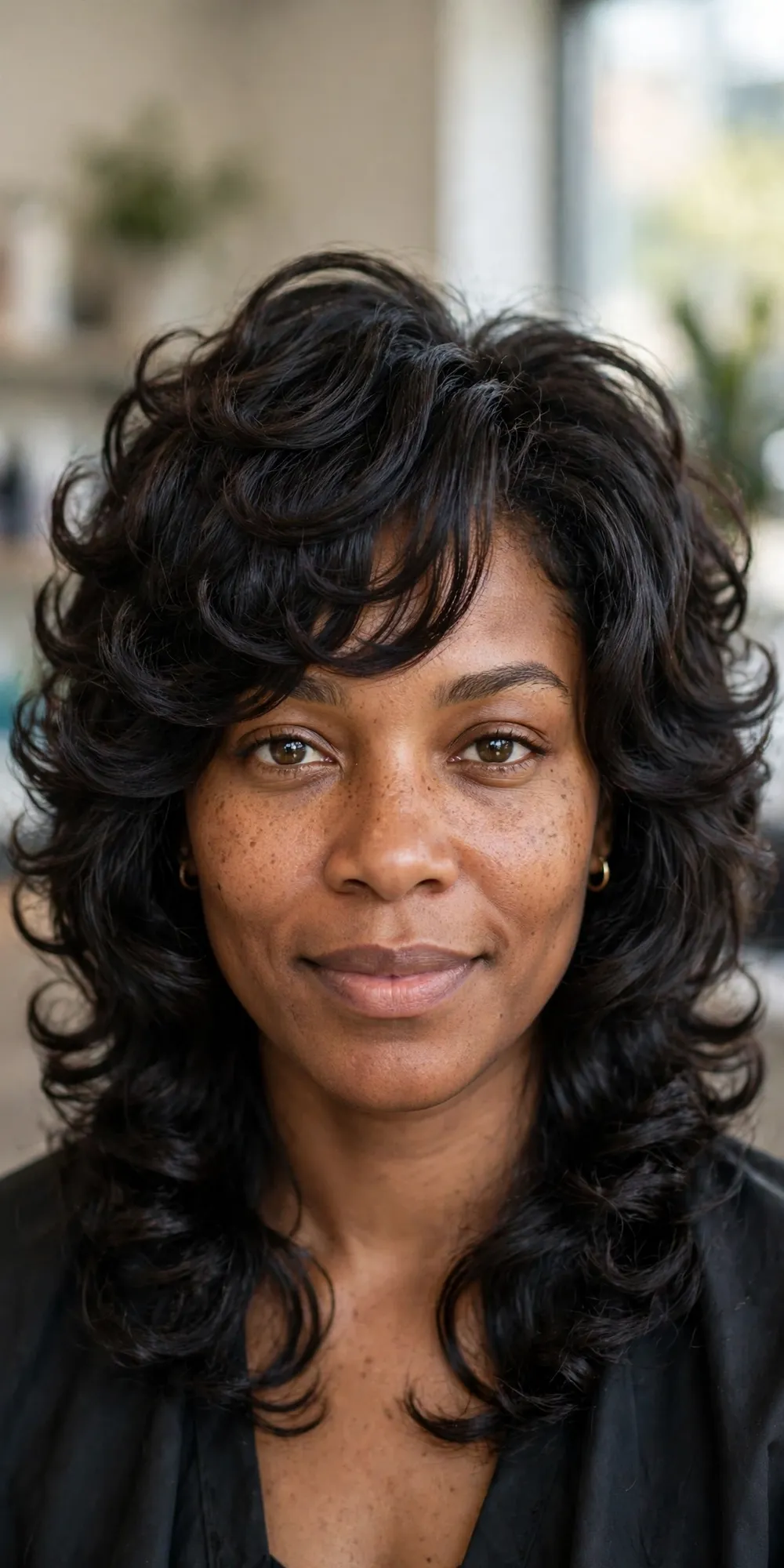
Curly hair and butterfly layers are a natural match — the layers let each curl spring up instead of being weighed down, and the face frame adds bounce where it shows. It suits 2C to 3C curls best, on oval, round and heart-shaped faces, and it fixes curls that go flat at the crown and heavy at the ends. Ask for the cut done dry, curl by curl, with the shortest layers at the cheekbone. Scrunch in a curl cream, diffuse on low heat, and do not brush it dry. For more on how layering works with curls, see our guide to curly hairstyles — the principles are the same. Maintenance is honest: it needs a curl-aware stylist, and a bad cut takes months to grow out.
11. Wavy Butterfly with Airy S-Bends
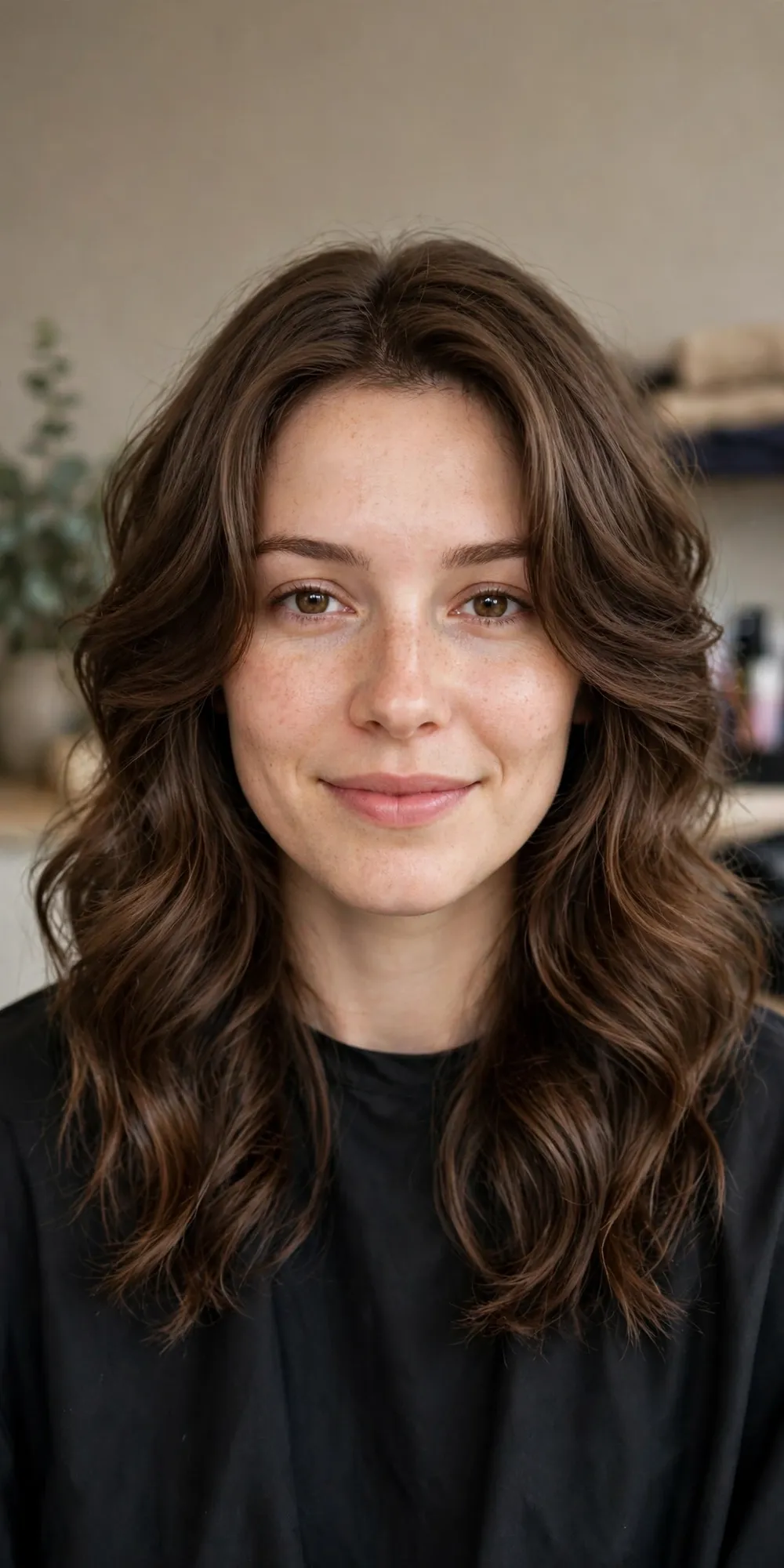
This one leans into natural wave: the layers are cut to encourage soft S-shaped bends through the lengths, so it looks styled even when you have done almost nothing. It suits naturally wavy hair best, and it flatters long and oval faces, where the bends add width. Ask for long layers with the face frame starting at the chin, and tell your stylist you want the waves enhanced, not straightened out. Scrunch in a sea-salt spray or light wave cream, twist a few front pieces, and let it air-dry. On day two, an iron on just the front pieces refreshes the shape in five minutes. It is easy to maintain — trims every 10 weeks — but if your hair is pin-straight, you will need heat to fake the bends.
12. Subtle Butterfly for Straight Hair

If you love your straight hair and only want a whisper of the butterfly, this is it. The layers are barely there — enough face framing and a gentle bend at the ends to stop it looking like a flat sheet. It suits fine to medium straight hair and oval, long and heart-shaped faces, and it is ideal if you wear your hair down most days. Ask for very long, blended layers, the face frame starting at the collarbone, and point-cut rather than blunt ends. Blow-dry with a round brush, bending the ends under, and finish with a light shine serum. Because the layers are so subtle, grow-out is painless and trims can stretch to 12 weeks. The catch: on truly straight hair the shape fades fast without a blow-dry.
13. Butterfly Haircut with Curtain Bangs
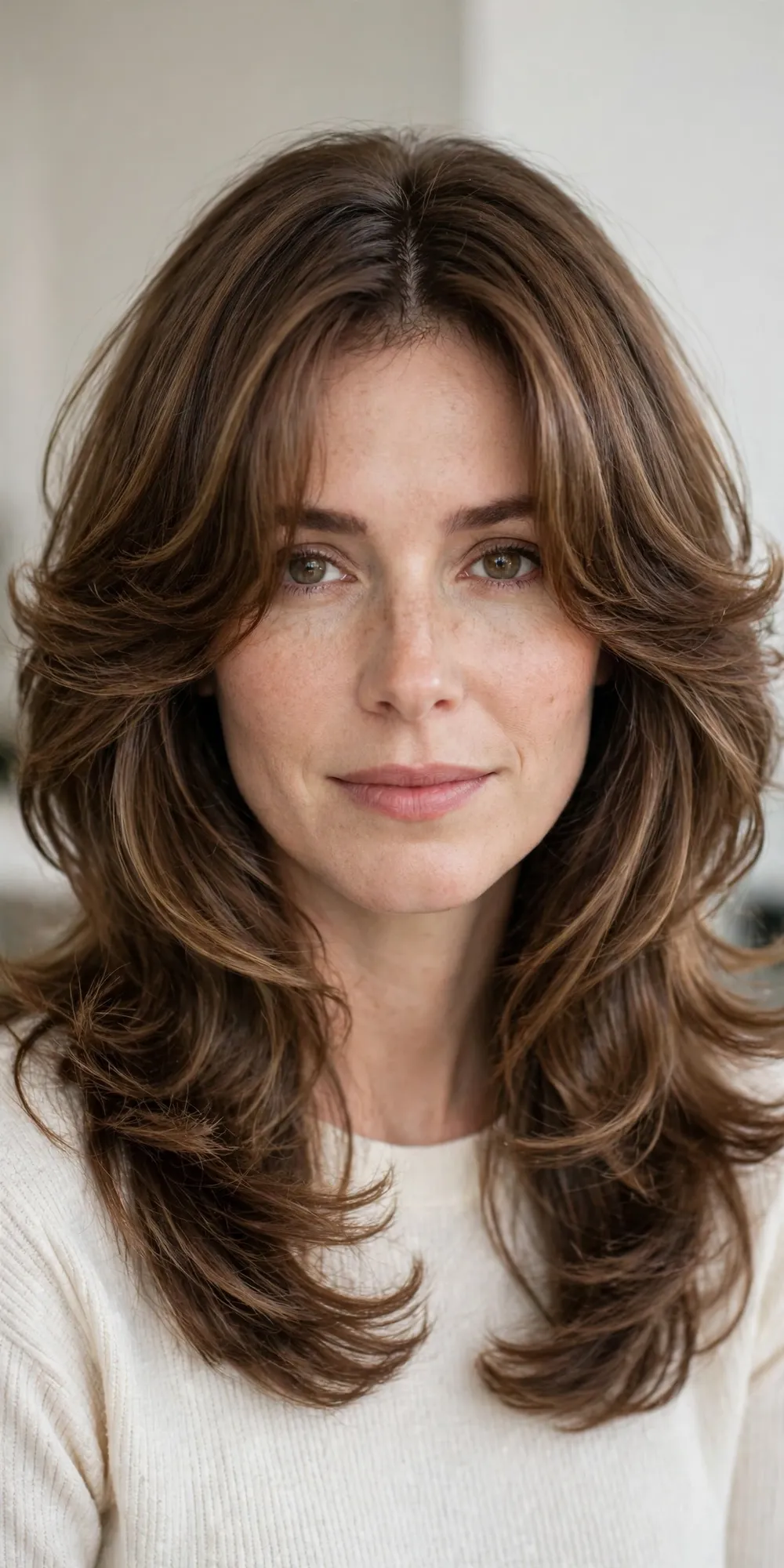
Curtain bangs are the butterfly’s best friend — they part in the middle and melt straight into the cheekbone layers, so the whole front of the cut reads as one soft, sweeping frame. It suits long, oval and heart-shaped faces, and it is a gentle way to try bangs without committing to a full fringe. Ask for curtain bangs starting at the cheekbone, blended into the face-framing layers, with the rest of the cut kept long. Blow-dry the bangs forward over a round brush and sweep them to each side while they are still warm. A little dry shampoo at the roots keeps them from separating by midday. Bangs need a trim every 3–4 weeks, though many salons offer a free fringe trim between cuts — ask yours.
14. Bottleneck Bang Butterfly
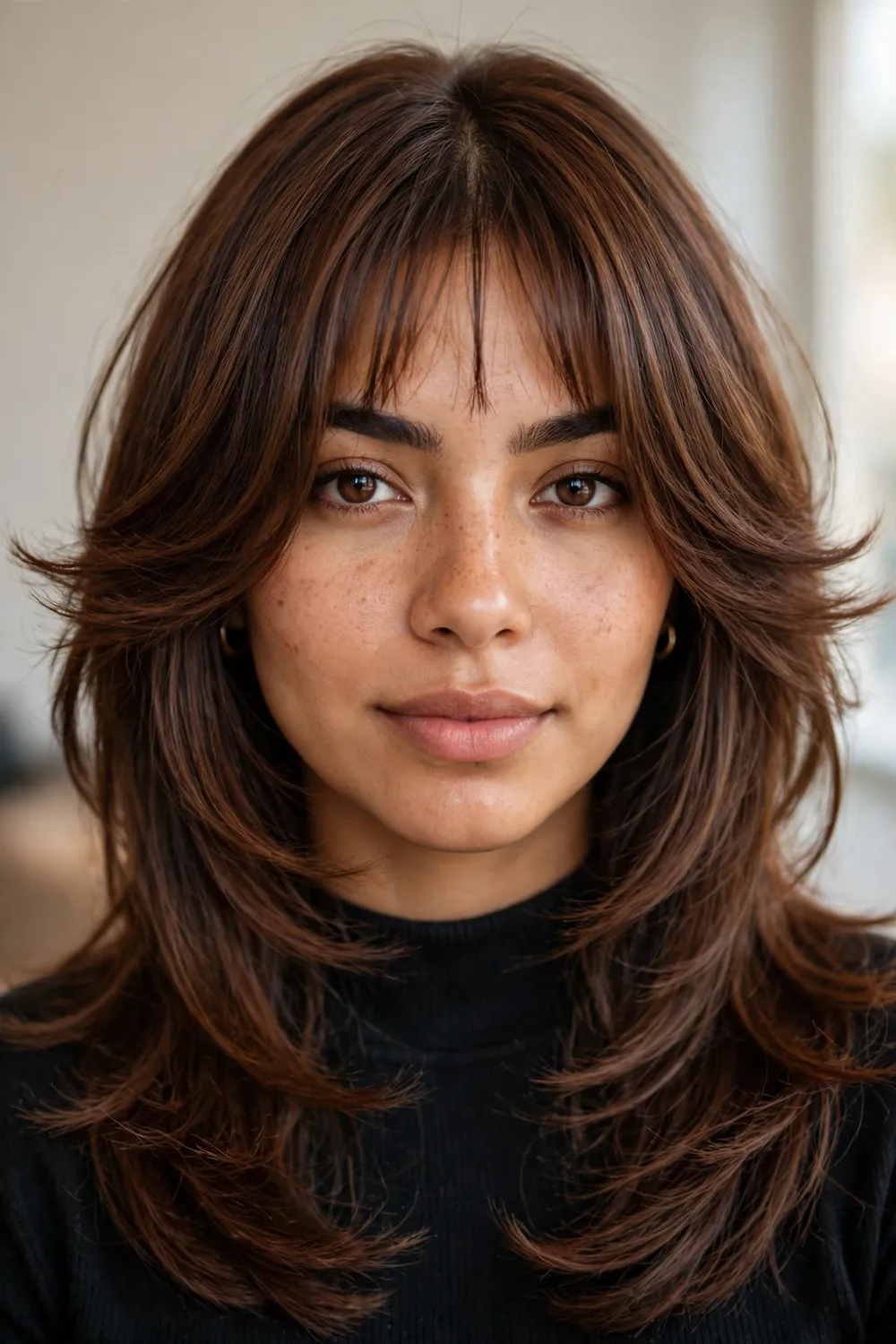
Bottleneck bangs are narrow at the top and widen toward the cheekbones — like the neck of a bottle — and they blend into butterfly layers. The shape suits round and wide faces especially well, because the narrow start draws the eye down the centre, and it works on straight and wavy hair. Ask for bottleneck bangs that start short in the middle and lengthen to the cheekbones, with the face layers continuing the same line. Style by blow-drying the bangs down and outward with a small round brush, then let them fall naturally. A touch of texture spray keeps them piecey rather than solid. Like all bangs, they need trimming every 3–4 weeks, and they take a few days to learn — give yourself a week before judging them.
15. Butterfly Haircut with Wispy Fringe

A wispy fringe is the softest bang option: light, see-through pieces flowing into the butterfly layers without a hard line. It suits high foreheads and long faces, and it is kind to fine hair, since it uses very little hair from the front. Ask for a light, feathered fringe you can see through, blended into cheekbone layers, with the rest of the cut kept long and layered. Blow-dry the fringe forward with your fingers or a small brush, and keep product off it — even a little serum makes wispy pieces clump. It grows out into curtain bangs, so the transition is painless, and a trim every 4 weeks keeps it out of your eyes. On very curly hair, though, a wispy fringe can shrink up and misbehave.
16. Deep Side-Part Butterfly with Long Wings

A deep side part changes the whole feel of a butterfly: the long front wing sweeps across the forehead and the shorter side opens the face up, giving instant volume at the crown and a glamorous, slightly retro finish. It suits round and square faces best, because the diagonal line breaks up the symmetry, and it works on medium to thick hair. Ask for a deep side part, one long sweeping wing on the heavy side, and layers that get longer toward the back. Blow-dry the heavy side over a large round brush, directing it across the forehead, and pin it while it cools to set the bend. It is a great choice for prom hairstyles and formal nights. Daily upkeep is moderate — the part needs resetting each morning.
17. Center-Part Butterfly with Ribbon Layers

The centre-part version is the cleanest, most polished butterfly: the hair parts exactly in the middle, and smooth ribbon-like layers fall evenly on both sides, framing the face like a curtain. It suits oval and heart-shaped faces best, and it is made for straight to slightly wavy hair. Ask for a centre part, ribbon layers starting at the cheekbone, and a smooth finish with no choppy texture. Blow-dry each side away from the face with a large round brush, and finish with a shine spray for that glassy ribbon effect. It doubles as an easy everyday look — see our school hairstyles for quick ways to wear layered hair up. Maintenance is light, with trims every 8–10 weeks, but the centre part shows uneven growth faster than a side part.
18. Feathered Butterfly with Flipped Ends

This one leans into the retro side of the butterfly. The layers are feathered, tapering in thin, soft slices instead of heavy chunks, and the ends kick outward in a gentle flip. It works best on medium to long hair with a bit of natural texture, and it flatters oval, square and heart-shaped faces because the flicked ends balance the jawline instead of hugging it. Ask your stylist for feathered layers through the mid-lengths with the ends thinned slightly so they can flip freely. A quick round-brush pass, rolling the ends away from your face, does most of the work. Add a light hold spray — nothing heavy, or the flip will drop. Trim every eight weeks to keep the feathering sharp.
19. Butterfly Shag

If the classic butterfly feels a bit too polished for you, the shag version loosens everything up. It keeps the short top layers and face frame, but the layers through the rest are choppier, giving it a lived-in texture that looks good slightly messy. This suits medium-length hair with natural wave best — straight hair can work, but you’ll need a salt spray to rough it up. Round and oval faces get the most from it because the texture breaks up the face’s symmetry. Tell your stylist you want a butterfly with shag layering — soft, disconnected pieces, no blunt lines. A dab of texture cream scrunched through the ends is all it needs. It grows out well, so trims can stretch to ten weeks.
20. Rounded Cheekbone Butterfly
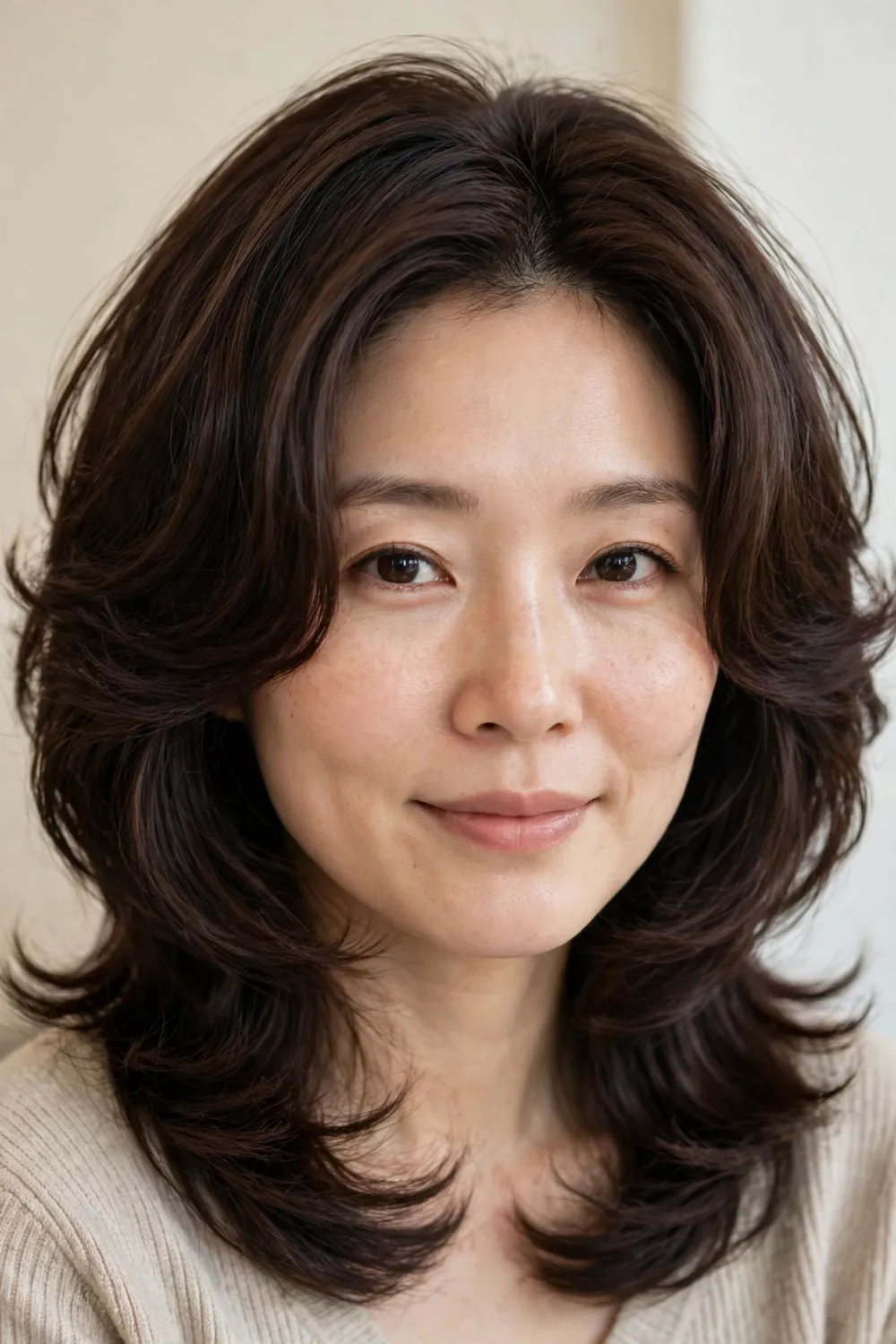
The rounded version softens the whole butterfly shape by curving the layers around the cheekbones instead of letting them fall straight. The result is a curved, almost sculpted frame that makes your cheekbones look more defined — a polished blowout that still reads soft. It suits straight to slightly wavy hair, shoulder length or longer, and it works beautifully on oval, long and heart-shaped faces because the curve adds width where the face is narrow. Ask for the shortest face-framing layers to start at the cheekbone and be rounded inward with a round brush. A medium round brush and a smoothing serum will get you the shape at home. Maintenance is easy: a trim every eight weeks keeps the curve intact.
21. Butterfly Haircut with Money Piece
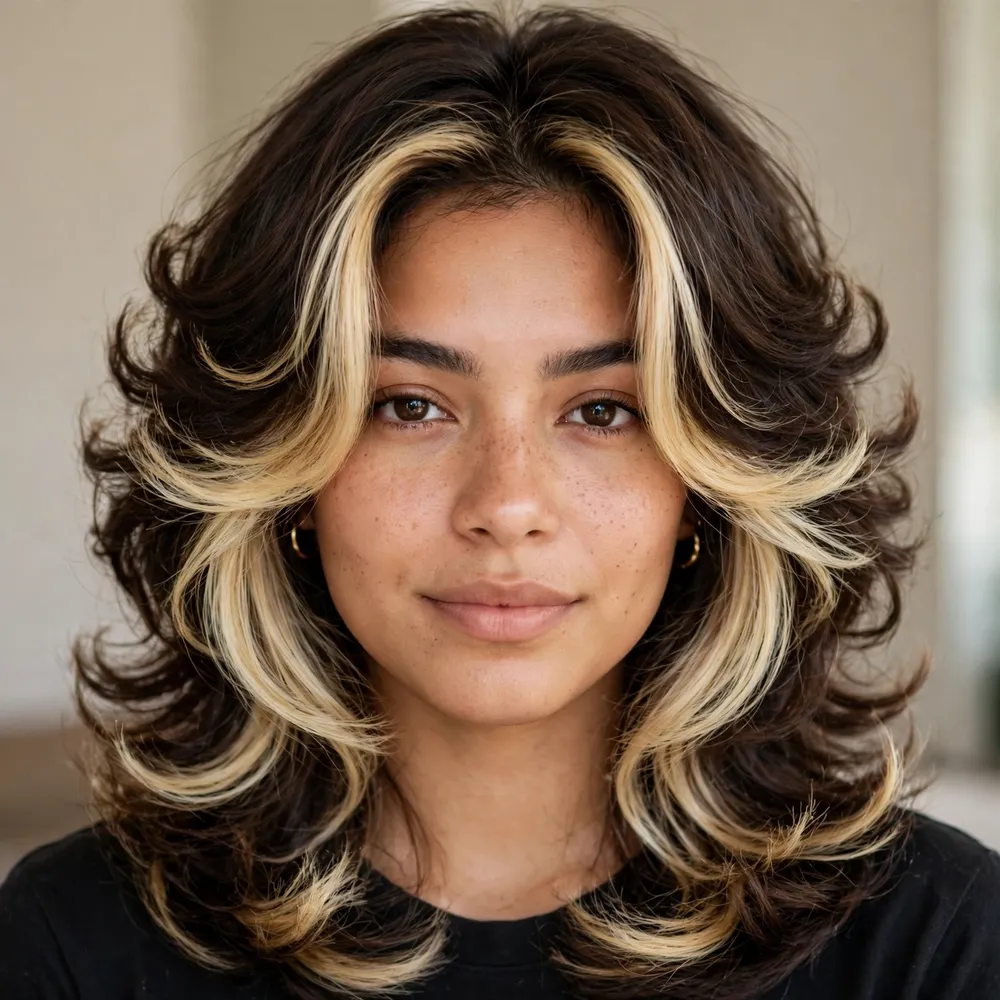
A money piece — those two bright strands right at the front — turns a butterfly cut into something noticeably bolder without changing the haircut itself. The face frame becomes the feature: lighter pieces catch the light as the layers fall, which suits medium to long hair in brunette, black or dark blonde bases. It suits most face shapes, but it’s especially flattering on round faces because the bright vertical lines lengthen the face. Tell your stylist you want the butterfly cut first, then a money piece in a shade two levels lighter than your base, wide enough to notice but not a halo. Root touch-ups are the real commitment — expect a salon visit every six to eight weeks to keep it fresh.
22. Butterfly Haircut with Balayage

Balayage and the butterfly cut are made for each other. The hand-painted colour sits through the layers in soft ribbons, so the movement of the cut and the dimension of the colour show each other off. It suits long to medium hair, any texture, and every face shape — the lightest pieces sit at the ends of the face-framing layers, brightening your features. Ask for a balayage two to three shades lighter than your base, concentrated on the face frame and the ends of the longer layers. At home, a colour-safe shampoo and a weekly gloss mask keep it from going brassy. The grow-out is forgiving — three to four months between colour appointments is fine.
23. Caramel Swirl Butterfly Layers
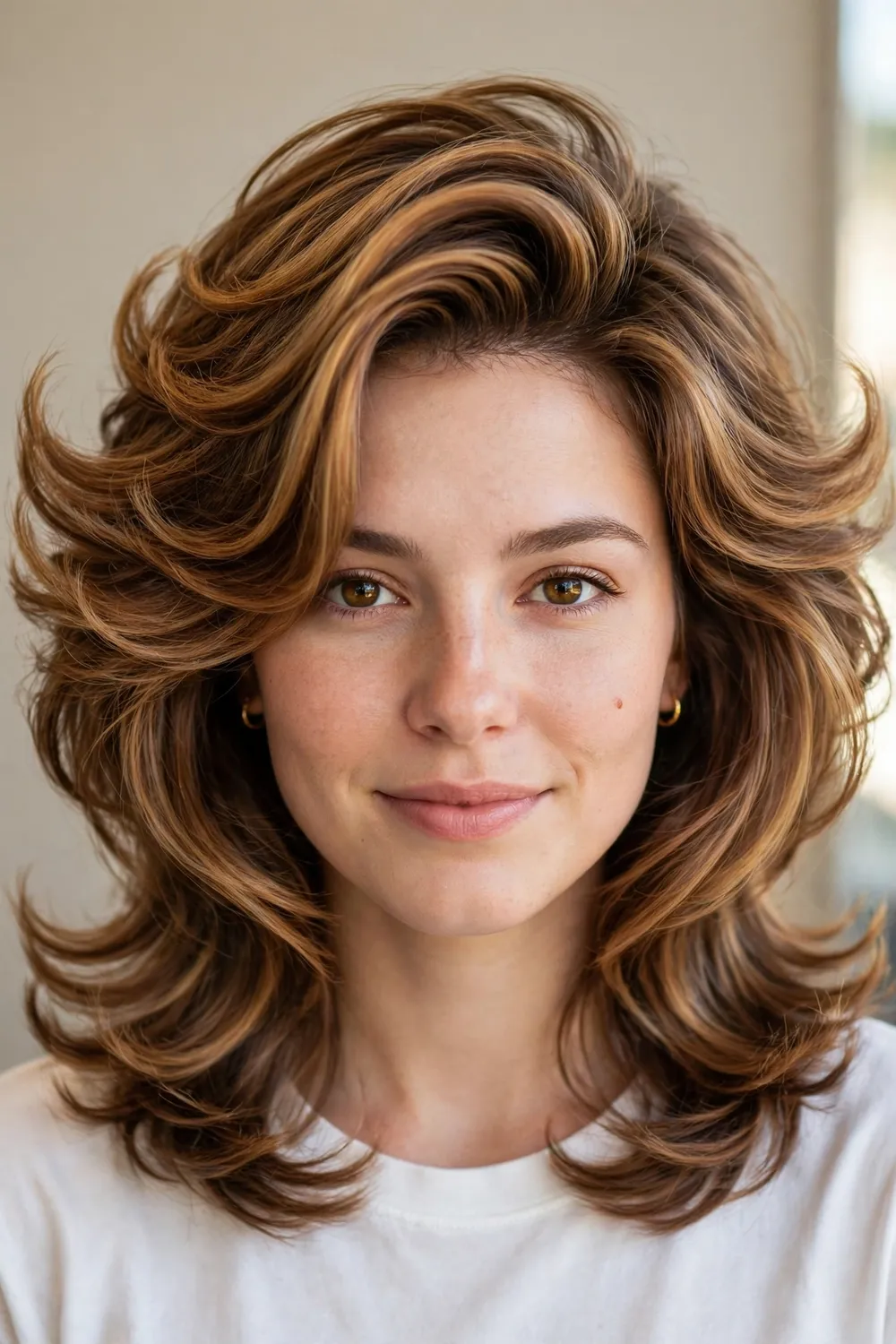
This is a warm, golden-brown take on the butterfly, and the name says it: caramel tones swirled through medium-length layers so the colour moves with the cut. It looks best on medium to dark brown bases, and it suits warm and neutral skin tones particularly well — the caramel catches light and warms up your whole complexion. Medium-length hair is the sweet spot, though longer lengths carry it fine too. Tell your colourist you want warm caramel ribbons woven through the face-framing layers and the ends, not a solid block of colour. A colour-protecting shampoo and a gloss treatment every six weeks keep the caramel from fading to a flat brown. Trim every eight weeks, colour refresh every two to three months.
24. Golden Honey Butterfly Layers
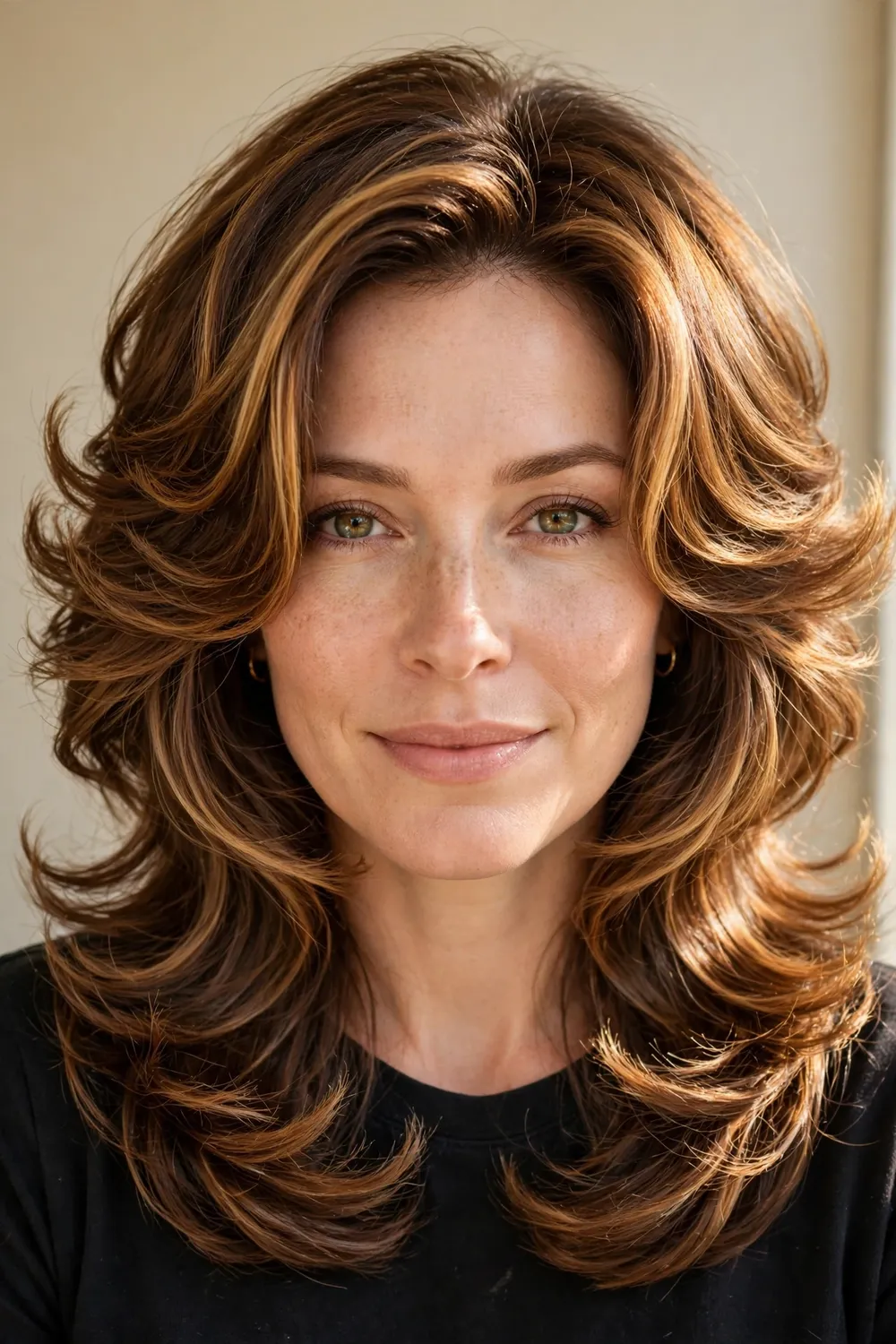
Golden honey layers sit somewhere between caramel and blonde, and they give the butterfly cut a sunlit, almost glowing finish. The highlights sweep through the layers in a soft, swooping pattern, so the hair looks lighter without a harsh line anywhere. This suits blonde and light brown bases best, and it flatters warm and neutral skin tones. Medium to long hair shows it off most clearly, since the highlights need length to travel through. Ask for honey highlights painted onto the face frame and the longest layers, with the roots left natural so the grow-out stays soft. A purple shampoo used sparingly — once a week — keeps the honey from turning yellow. You’ll want a toner refresh every eight weeks.
25. Icy Blonde Butterfly Cut

Icy blonde is the cool, polished opposite of the honey version, and it makes the butterfly’s texture really pop. The cool, almost silver-blonde tone gives the layers a crisp, defined look, and the crown volume keeps it from falling flat. It works best on fine to medium hair, medium length or longer, and it suits fair to medium skin with cool undertones — if your skin runs warm, this can wash you out. Tell your colourist you want a full icy blonde with a toner that cancels warmth, paired with textured layers through the crown. Purple shampoo twice a week is non-negotiable, and a bond-repair treatment helps, because lifting hair this light is hard on it. Root touch-ups every six weeks.
26. Copper Penny Butterfly Layers
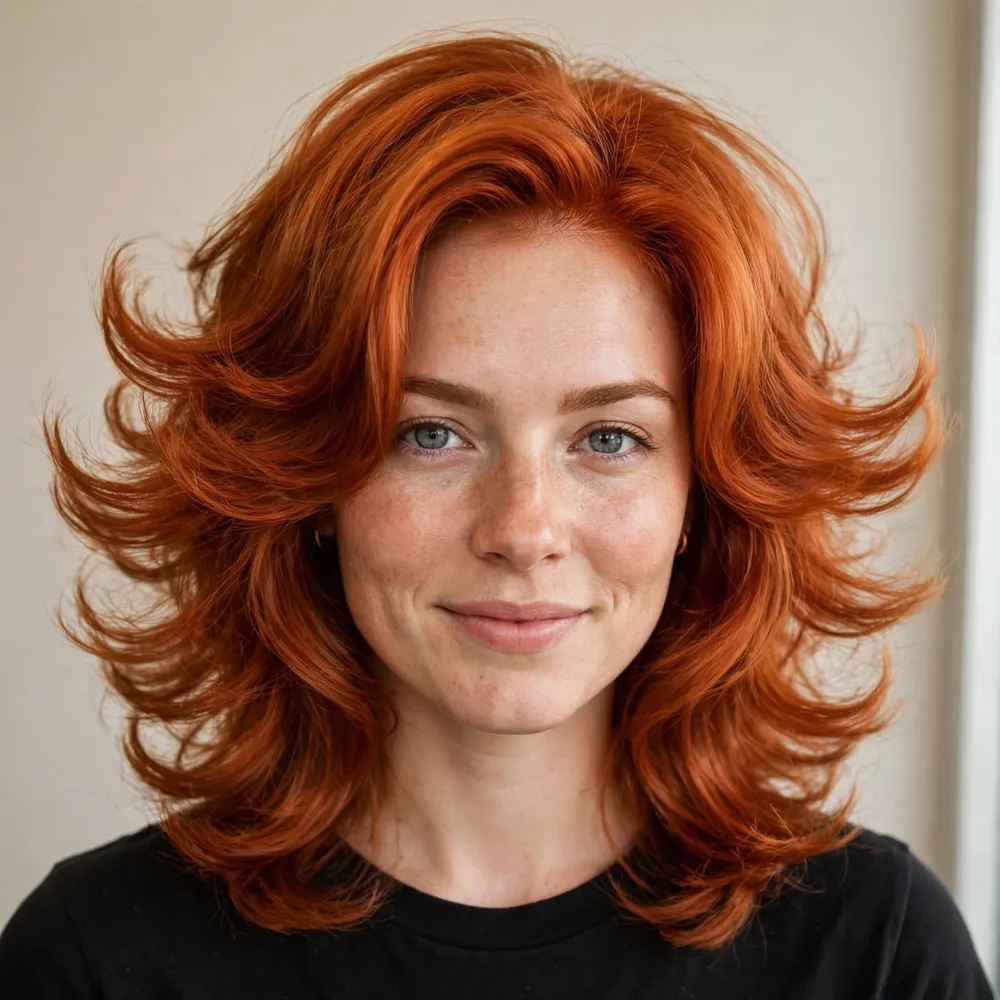
Copper penny is the loudest colour on this list, and it wears beautifully on the butterfly cut. The warm, vivid copper makes every layer visible, and the bouncy ends kicking outward give it a playful, energetic feel. It suits fair to medium skin tones with warm undertones, and medium to long hair shows the colour best. Straight and wavy hair both work — waves just make the copper catch more light. Ask your colourist for a copper shade with warm, penny-like depth rather than an orange that reads flat, layered through the butterfly cut so the colour moves as the hair does. Copper fades fast, so use a colour-safe shampoo, wash in cool water, and book a gloss refresh every four to six weeks.
27. Rich Espresso Butterfly Style

Deep espresso brown is the quiet luxury option here. The colour is rich and glossy, and it makes the butterfly cut look full and healthy because dark hair reflects light so well — the rounded, voluminous shape reads clearly even in a photo. It suits all skin tones, but it particularly flatters olive and deeper complexions. Medium to long hair, straight or wavy, carries it best. Ask for a deep espresso colour with a gloss finish, and keep the layers soft so the shape stays rounded rather than chunky. A weekly shine mask keeps it looking expensive rather than flat, and colour-safe shampoo is worth it even for a dark shade. Roots blend well, so you can stretch colour appointments to eight weeks or more.
28. Cherry Red Butterfly Style
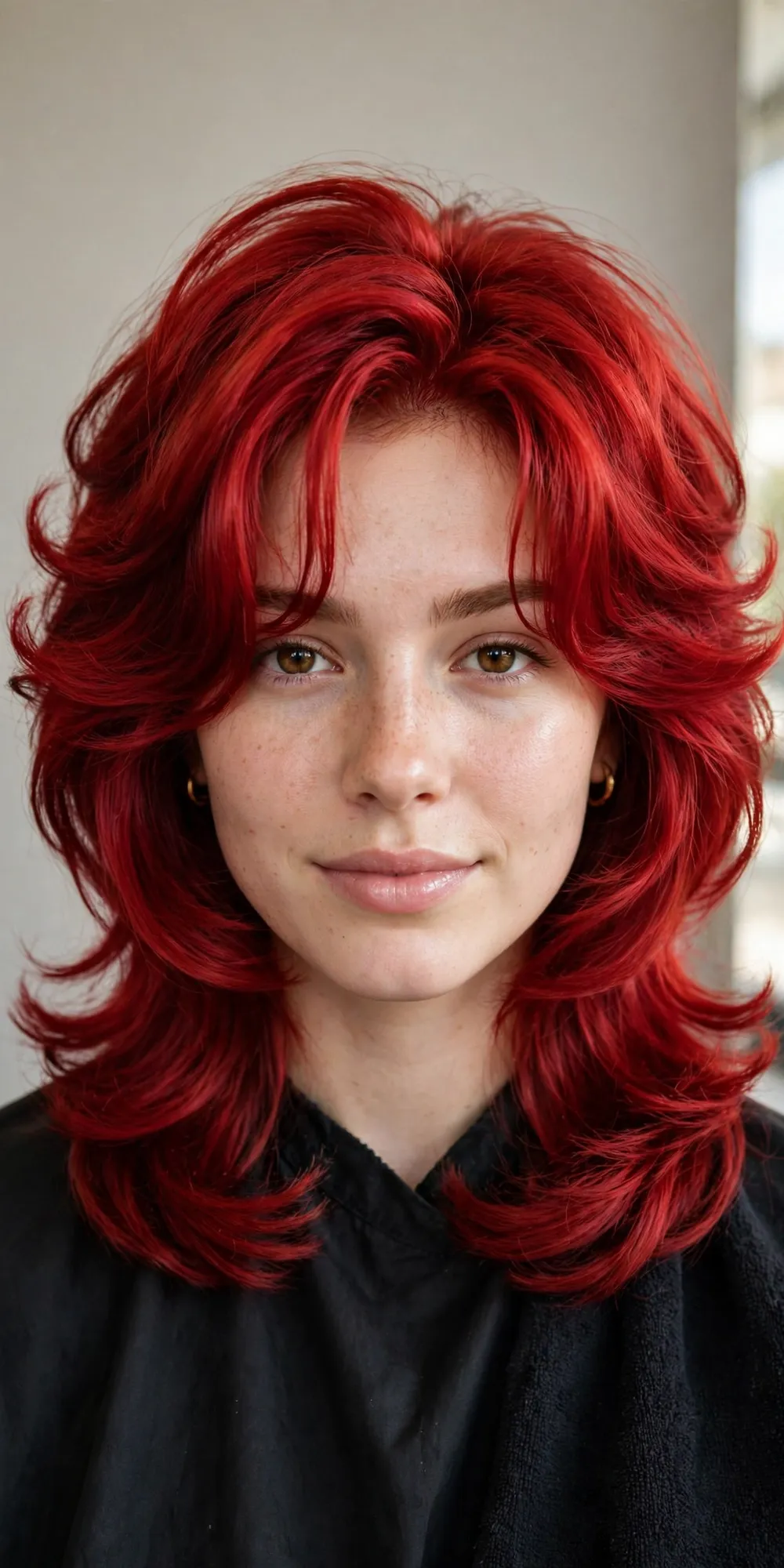
Cherry red is bold, no way around it — and the butterfly cut gives it the movement it needs so the colour doesn’t sit in a flat block. The bright red makes the texture and volume stand out, which is why it works best on medium to long hair. It suits fair to medium skin with cool or neutral undertones; warm skin can work too, but ask your colourist to lean the red slightly blue rather than orange. Tell them you want a vivid cherry red through the whole cut, with the face frame kept bright. This is the highest-maintenance colour here: red fades fastest, so cold-water washes, colour-depositing conditioner and a refresh every four weeks are part of the deal.
29. Soft Rose Gold Butterfly Layers
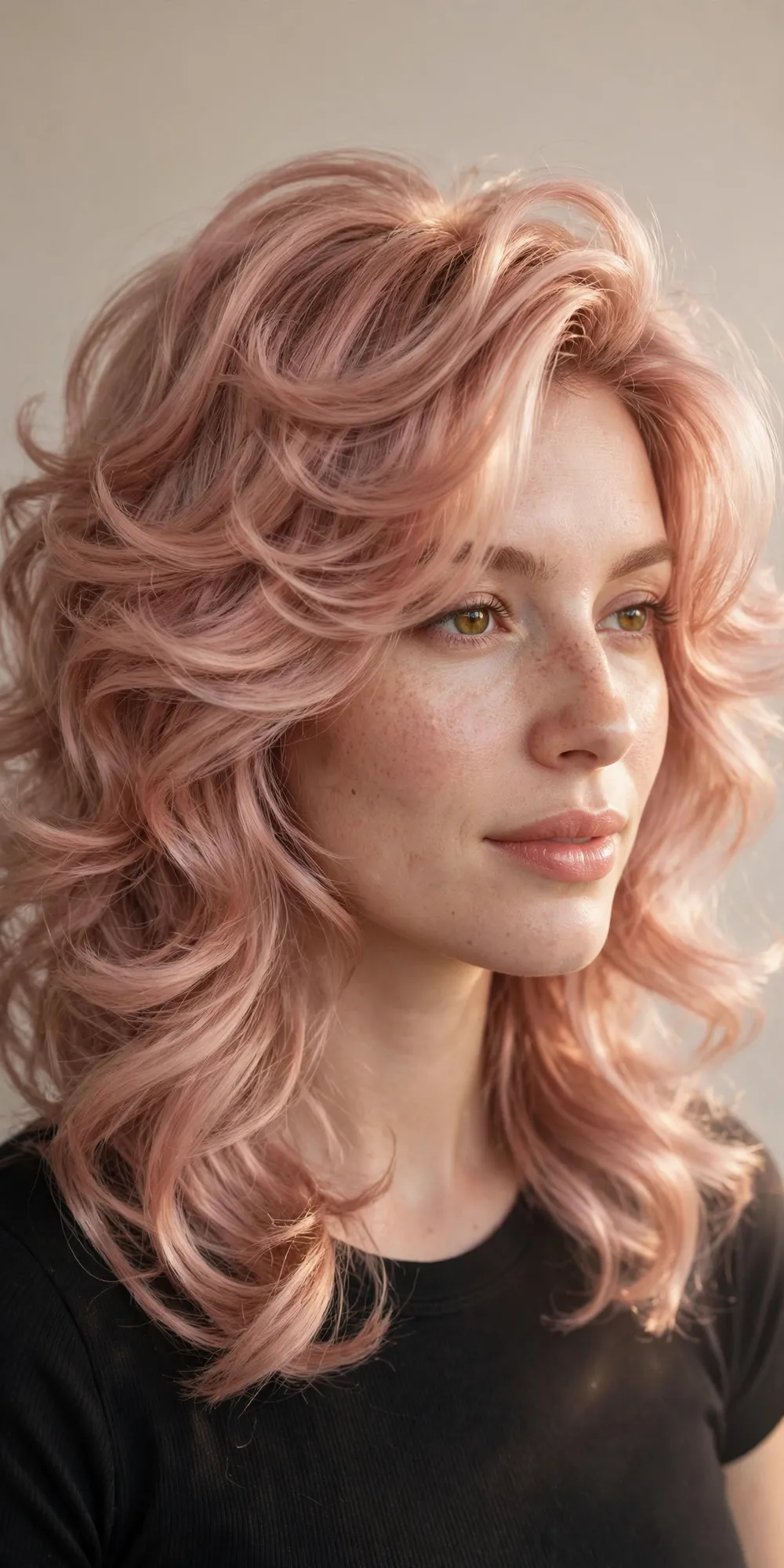
Rose gold is the most romantic version on this list — a dusty, pink-tinged blonde that gives the butterfly cut a soft, almost ethereal glow. It needs light blonde or pre-lightened hair — the pink needs a pale base to show — and it flatters fair skin beautifully. Medium to long hair with a bit of wave shows the colour at its best, because the layers catch the light differently as they move. Ask for a rose gold toner over a light blonde base, kept soft and dusty rather than bubblegum pink. It fades gracefully into warm blonde, but you’ll need a colour-depositing mask every few washes to keep the pink alive. Refresh every six weeks.
30. Sun-Kissed Bronde Butterfly Layers

Bronde — brown and blonde blended — is the most natural-looking colour here, and it suits the butterfly cut perfectly because the layers let the two tones mix like they do after a summer in the sun. It works on any base from light brown to dark blonde, and it suits warm and neutral skin tones. Medium to long hair, wavy or straight, shows off the blend best. Ask your colourist for a bronde balayage with fine, blended highlights concentrated around the face and the ends — no harsh lines anywhere. The beauty of bronde is how little it asks of you: colour-safe shampoo, a gloss every couple of months, and trims every eight weeks. It grows out so gracefully you can forget about it for months.
31. Butterfly Haircut for Round Faces
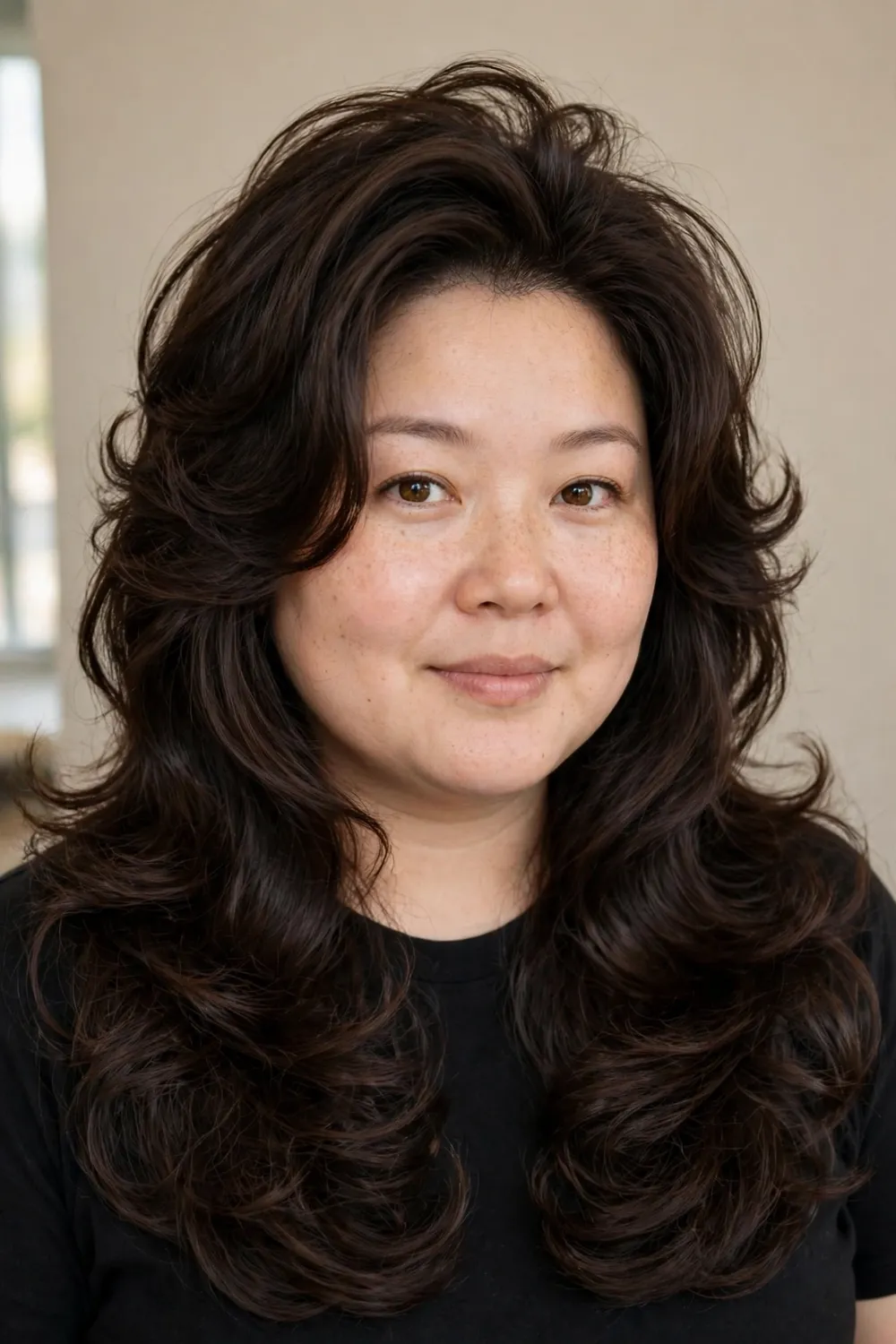
The standard butterfly can work on a round face, but this version is adjusted to do more: longer face-framing layers that start below the cheekbone, extra length overall, and soft volume at the crown rather than width at the sides. That combination lengthens the face instead of widening it. Medium to long hair is ideal — you need enough length for the face frame to fall past the chin. Ask your stylist for the shortest layer to hit at or below the jawline, with no volume added at cheek level, and a centre or slightly off-centre part. Blow-drying the face frame forward and away from the face keeps the lengthening effect. Trim every eight to ten weeks to hold the shape.
32. Long Butterfly with Soft U-Shape

If you love long hair and worry about layers making the ends look thin, the U-shape version solves that. The hemline curves in a gentle U — shorter at the sides, longest at the centre — so the ends stay full while the butterfly layers on top still give you the face frame and movement. It’s made for long hair, straight to wavy, and suits oval and long faces well — the U-shape adds fullness at the bottom. Ask for butterfly layers on top with a soft U-shaped perimeter, and tell them to keep the ends thick — no thinning shears on the hemline. A light oil on the ends keeps them looking healthy. Trims every ten weeks are enough — you keep most of your length each time.
33. Low-Maintenance Grow-Out Butterfly

This is the butterfly for people who like the cut but not the salon schedule. The layers stay long and soft, with a tapered tail, so as your hair grows the shape just settles into a longer version of itself instead of turning awkward. It suits medium to long hair of any texture and every face shape — nothing about it is extreme. Ask for long butterfly layers with the shortest layer no higher than your chin, and a tapered — not blunt — hemline. Styling is whatever you feel like: air-dry it, tie it up in one of your usual ponytail hairstyles on busy days, or a quick blowout when you have five minutes. You can go three months between trims and still look intentional.
How to Ask Your Stylist for a Butterfly Haircut
The exact words matter more than you’d think, because “layers” means different things to different stylists. Say this: “I want a butterfly haircut — short layers on top that frame my face, with the shortest layer starting at my [cheekbone/chin], and longer layers underneath that keep my length.” Then name where you want the shortest layer to fall. That one detail decides whether the cut works for your face or turns into a mullet-adjacent situation.
Bring photos — two or three, all on hair with a similar texture to yours, and all with the same length you’re aiming for. Show your stylist what you like and what you don’t. A photo of a model with straight, thick hair won’t translate to fine, wavy hair, and your stylist needs to see the right version.
What NOT to say: don’t say “just layer it,” don’t say “make it like the 90s” without a photo, and don’t say “thin it out” unless you genuinely mean it — thinning shears are how a butterfly loses its fullness. Also mention if you wear your hair up most days, because the face frame needs to look right when it’s pulled back too.
How to Style a Butterfly Haircut at Home
The round-brush blowout is the classic way to wear it, and it’s simpler than it looks. Rough-dry your hair until it’s about 80% dry, then work in sections: wrap each section around a medium round brush, point the dryer nozzle down the hair shaft, and roll the brush away from your face as you pull through. The face-framing pieces get rolled outward for that winged look; the rest get rolled under for volume. A blast of cool air on each section before you release the brush sets the shape.
No time for a full blowout? Large rollers do the same job with less effort. Set damp, mousse-coated hair in three or four big rollers around the crown and face frame, let them sit while you do your makeup, then take them out and shake the roots loose.
The air-dry option works best on wavy hair. Scrunch a curl cream through damp hair, let it dry without touching it, and the layers will fall into their own soft S-bends. Finish with a light hair oil on the ends, and check the dermatologists’ healthy hair tips before you reach for high heat every day — gentle care keeps layered ends from frizzing.
5 Mistakes That Ruin a Butterfly Haircut
1. Over-layering the crown. Too many short layers on top make the crown puffy and the ends wispy — the exact opposite of the full, bouncy butterfly shape. If your stylist keeps reaching for the crown, ask them to leave it alone and focus the layers on the face frame and mid-lengths.
2. Face frame cut too short. The shortest layer is the whole point of the cut, but take it too high and you’ve got a curtain bang you didn’t ask for. Cheekbone is usually the highest it should go on most faces — chin is safer if you’re unsure.
3. Thinning the ends. Thinning shears feel like a shortcut to lightness, but on a butterfly cut they kill the fullness the long layers are supposed to protect. Ask for weight removal through layering instead, not through thinning.
4. Skipping heat protectant. A butterfly cut lives or dies on its blowout, and that means heat. Styling without a heat protectant breaks down the ends, and broken ends ruin the clean layering. Spray it on every single time, even for a quick touch-up.
5. Wrong part for your face. A centre part suits most faces with a butterfly cut, but a deep side part can overwhelm a narrow face, and a centre part can emphasise width on a very round one. Try both at home before your appointment, and tell your stylist which one you actually wear — the face frame is cut around it.
Butterfly Haircut FAQs
What is a butterfly haircut?
It’s a layered cut with two distinct levels: short, face-framing layers on top that start around the cheekbones and longer layers underneath that keep your length. The short top layers flip outward like butterfly wings when styled, which is where the name comes from. It’s essentially the 90s blowout cut, updated with softer layering.
Will a butterfly haircut make thin hair look thinner?
It can, if it’s done wrong — too many layers will eat up what little density you have. Done right, it does the opposite: a butterfly with blunt ends and a few hidden interior layers gives the illusion of fullness, because the shorter top layers add volume at the crown while the ends stay thick. Ask for the version in idea 8 and tell your stylist to keep the ends blunt.
What face shape suits a butterfly haircut best?
Oval faces suit it most easily, since they can carry any length of face frame. But the cut is adjustable: longer face frames lengthen round faces, a centre part balances heart-shaped faces, and side-swept layers soften square jawlines. It’s one of the most adaptable cuts out there — the shortest-layer point is what makes it work for your face.
How do I ask my stylist for a butterfly haircut?
Say: “I want a butterfly haircut — short layers on top that frame my face, starting at my cheekbones, with longer layers underneath to keep the length.” Bring two or three photos of hair with a similar texture to yours. And don’t say “thin it out” — that word sends many stylists straight for the thinning shears, which can wreck the cut’s fullness.
Can you get a butterfly haircut with short hair?
Yes — a bob or lob length can absolutely be a butterfly cut. The principle is the same: shorter layers on top framing the face, longer layers underneath. It won’t have the dramatic winged movement of a long version, but the textured butterfly bob in idea 6 and the short butterfly in idea 7 show how well it works. You just need enough length for a face frame to exist, roughly chin length or below.
How do I style a butterfly haircut at home?
The classic way is a round-brush blowout: rough-dry to 80%, then roll sections away from your face with a medium round brush and finish with cool air. For less effort, use large rollers on damp hair, or air-dry with curl cream if your hair has natural wave. The full step-by-step is in the styling section above.
How often should I trim a butterfly haircut?
Every eight to ten weeks is the sweet spot for most people. The face-framing layers grow out fastest and start looking straggly first, so some people get a quick face-frame tidy at six weeks and a full trim at ten. The low-maintenance grow-out version in idea 33 can stretch to three months between trims.
Final Word
The butterfly haircut works because it’s not really one cut — it’s a shape that adapts to your hair, your face and how much effort you want to put into it. Pick the version that matches your length and your lifestyle, show your stylist the photos, and let the layers do the heavy lifting. And if you’re already thinking about what to do with those layers on a night out, our prom hairstyles and school hairstyles are full of quick styles that work beautifully on layered hair. For more ideas like these, browse more hair ideas.