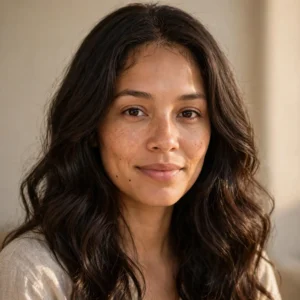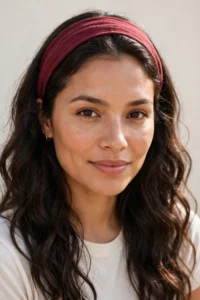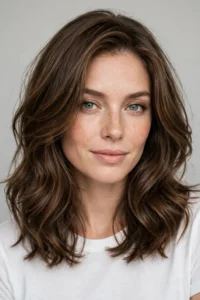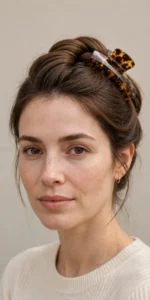



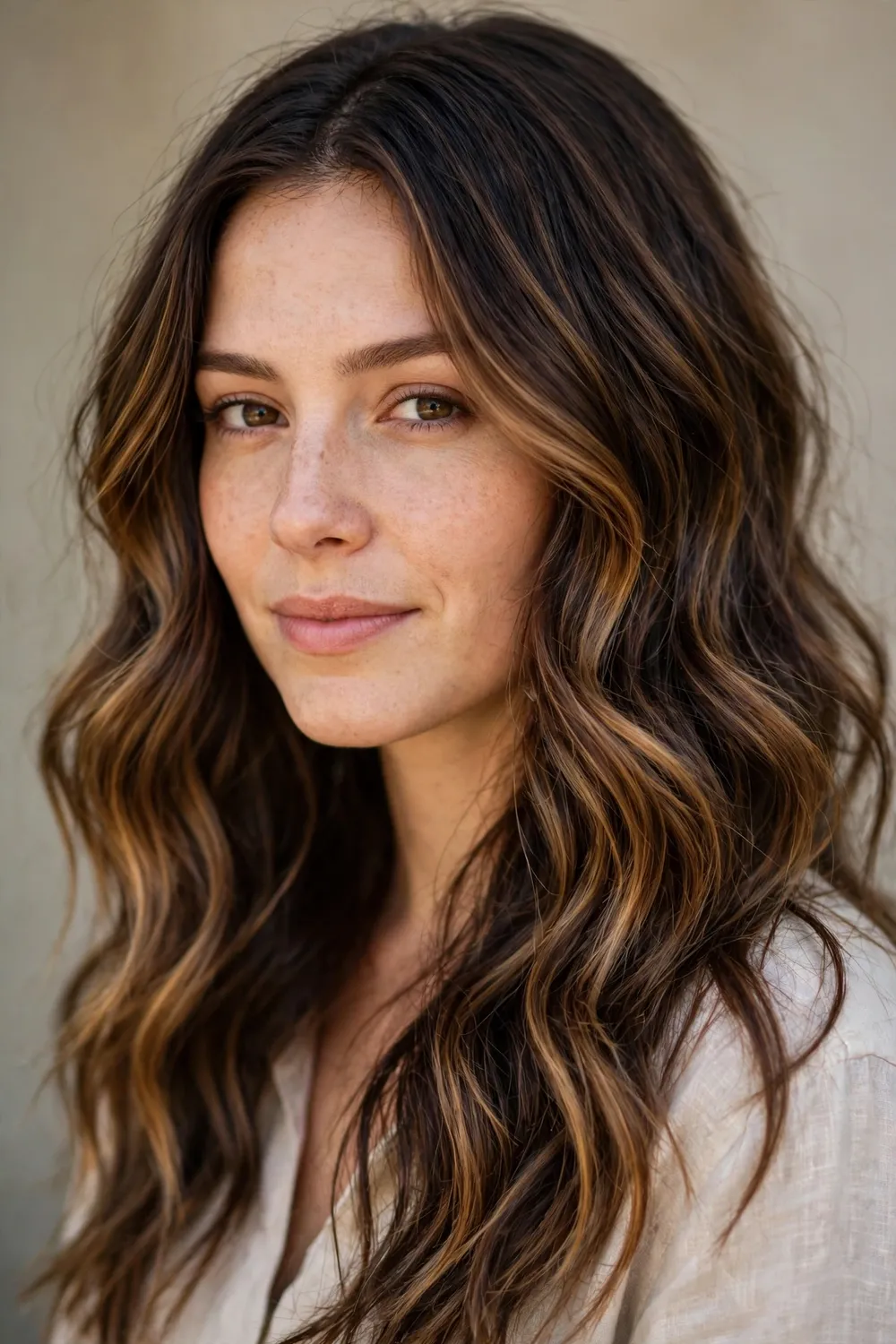
Balayage is hand-painted colour, swept onto the hair freehand so the lighter pieces melt into your base with no harsh grow-out line — and a good one still looks intentional three to four months later. If you are choosing just one style from this list, start here: Soft Face-Framing Caramel Ribbons is the easiest first step, Honey Glaze on Long Layers gives the most flattering warm glow, and Smoky Espresso Melt is the best cool-toned entry point.
What Is Balayage (and How Is It Different from Ombré and Highlights)?
Balayage is a technique — it describes how the colour is applied, by hand, in sweeping strokes, rather than in foils. Ombré is a placement, a darker-to-lighter gradient down the length, and it can be created with balayage or with foils. Traditional highlights, by contrast, usually use foils and start closer to the root, which is why they grow out with a visible line. That difference is the whole appeal: because balayage leaves your roots alone and keeps the brightest pieces through the mid-lengths and ends, it grows out softly, and a gloss every six to eight weeks is usually all the upkeep it needs. It also overlaps happily with other colour work — if you lean blonde, our guide to blonde highlights shows how the lighter end of this spectrum behaves on different bases.
Warm Caramel Balayage for Brunettes
1. Soft Face-Framing Caramel Ribbons
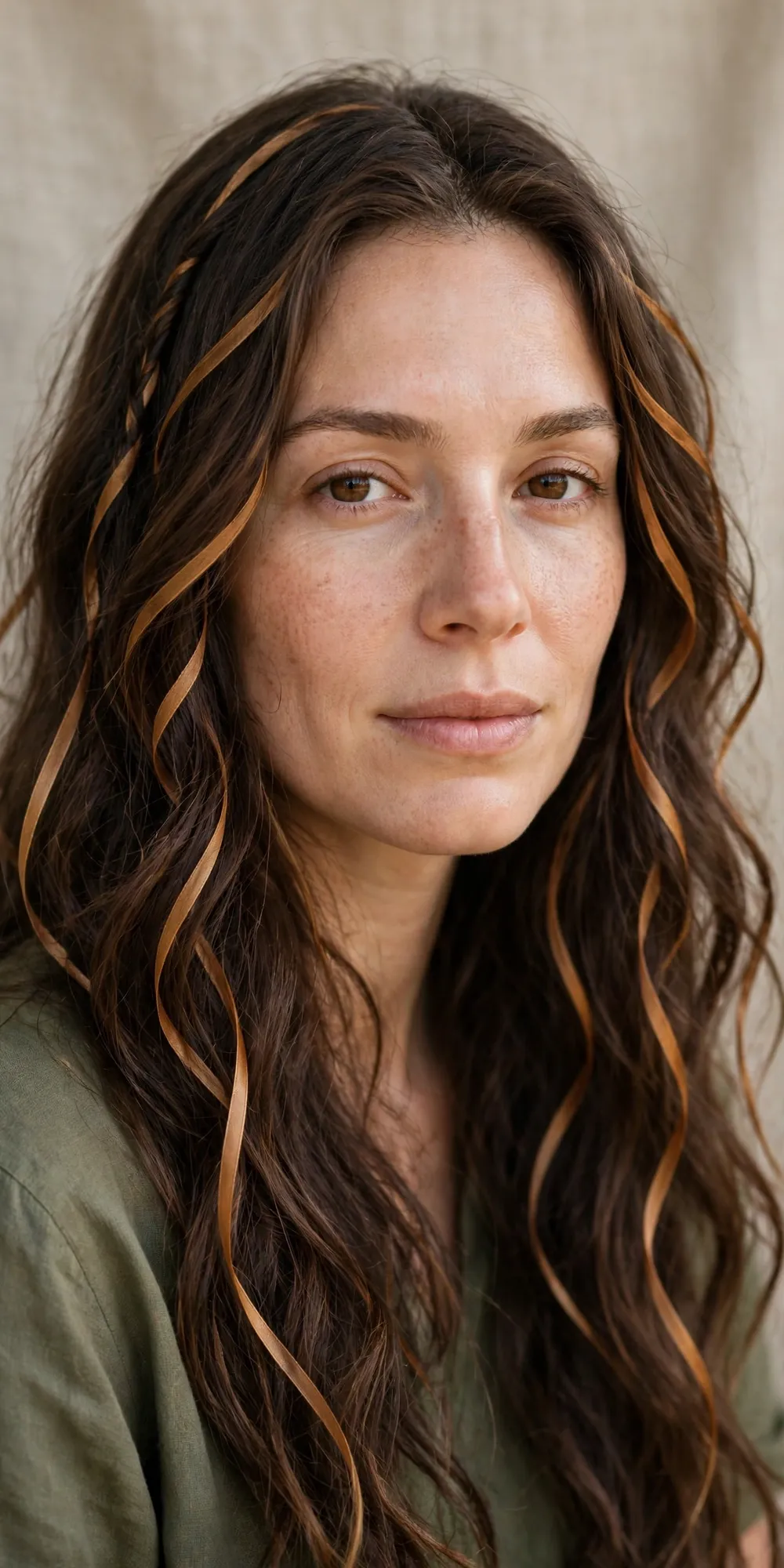
This is the gentlest way into balayage, and the one colourists recommend most for first-timers. Thin caramel ribbons are hand-painted around the hairline and through the front layers, so the face lights up without the rest of the hair changing much at all. It suits dark brown to medium brown bases, warm and neutral skin tones, and every hair type, Ask your colourist for ribbons one to two levels lighter than your base in a warm caramel, kept fine and feathered at the root so nothing looks striped. Style it with a loose wave or a soft blow-dry, because straight hair can make the ribbons read as lines rather than light. A gloss every six to eight weeks keeps the caramel from drifting brassy, and grow-out is barely noticeable.
2. Chestnut Root Melt with Honey Ends

A root melt is what makes this style look expensive: your near-black or very dark brown root is blended down through a rich chestnut middle into honey ends, with no single point where one colour stops and the next starts. It flatters cool and neutral skin tones especially well, since the chestnut keeps things deep near the face, and it works on straight, wavy or curly hair at shoulder length or longer. Ask for a level 3–4 base melted into level 6–7 honey ends, with the lightest pieces concentrated from the cheekbones down. A smoothing cream and a round brush bring out the gradient, while a large-barrel curl shows off the blend. Maintenance is light — a toner refresh every eight weeks, full re-lightening only every three to four months.
3. Toffee Balayage on a Long Lob
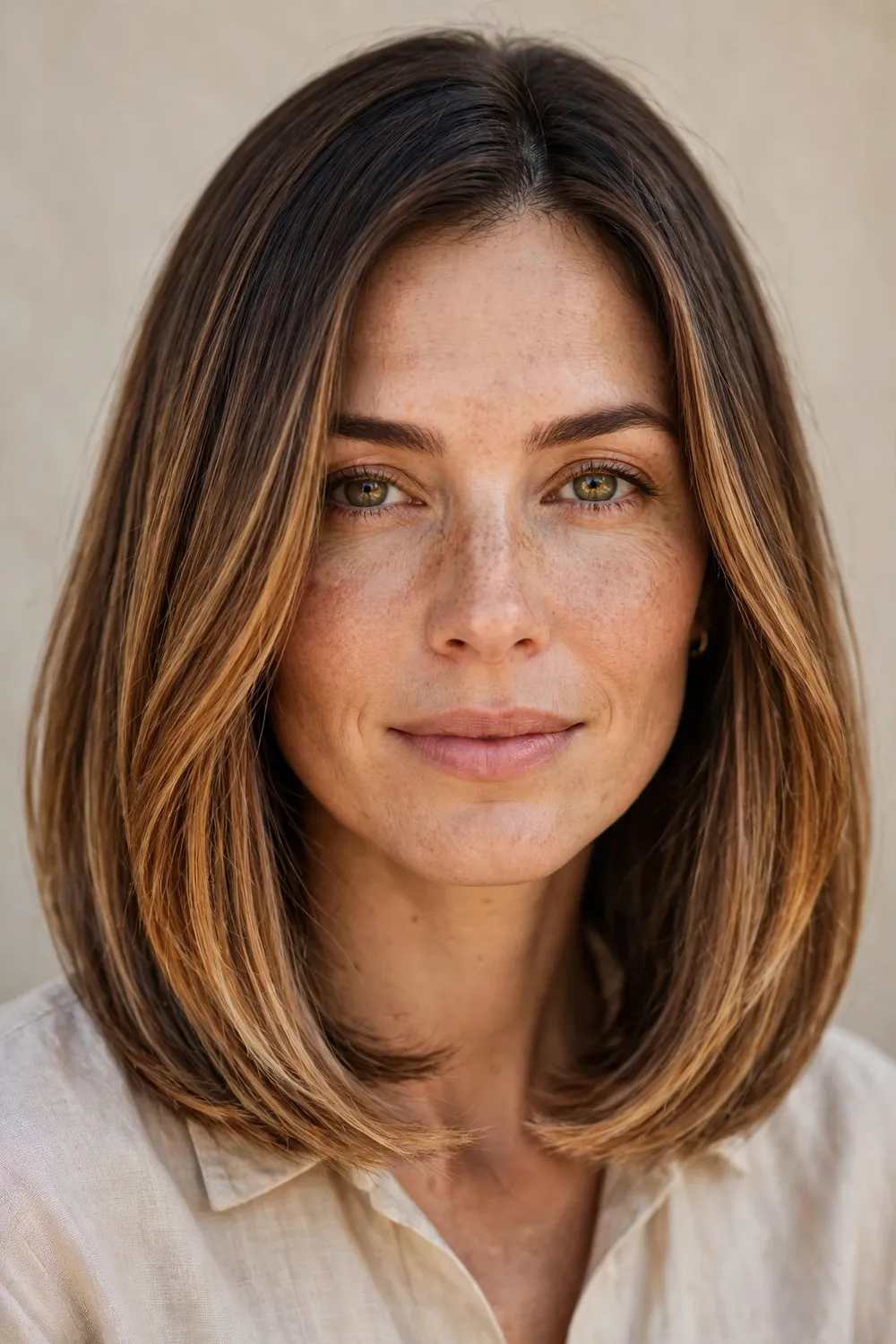
A long lob — that collarbone-grazing cut that is neither short nor long — takes toffee balayage beautifully because the colour has enough length to build a gradient without disappearing into layers. Warm toffee pieces are painted through the lower half of the hair, heavier underneath and softer near the parting, so the style looks sunlit from every angle. It suits medium brown bases and warm or olive skin tones, and it is kind to fine hair, since the lighter ends create the illusion of fullness. Ask for toffee at level 6–7, kept off the roots by at least three inches, A bend at the ends with a flat iron is all the styling it needs. Gloss every six weeks; grow-out stays soft for months.
4. Caramel Curtain Bangs
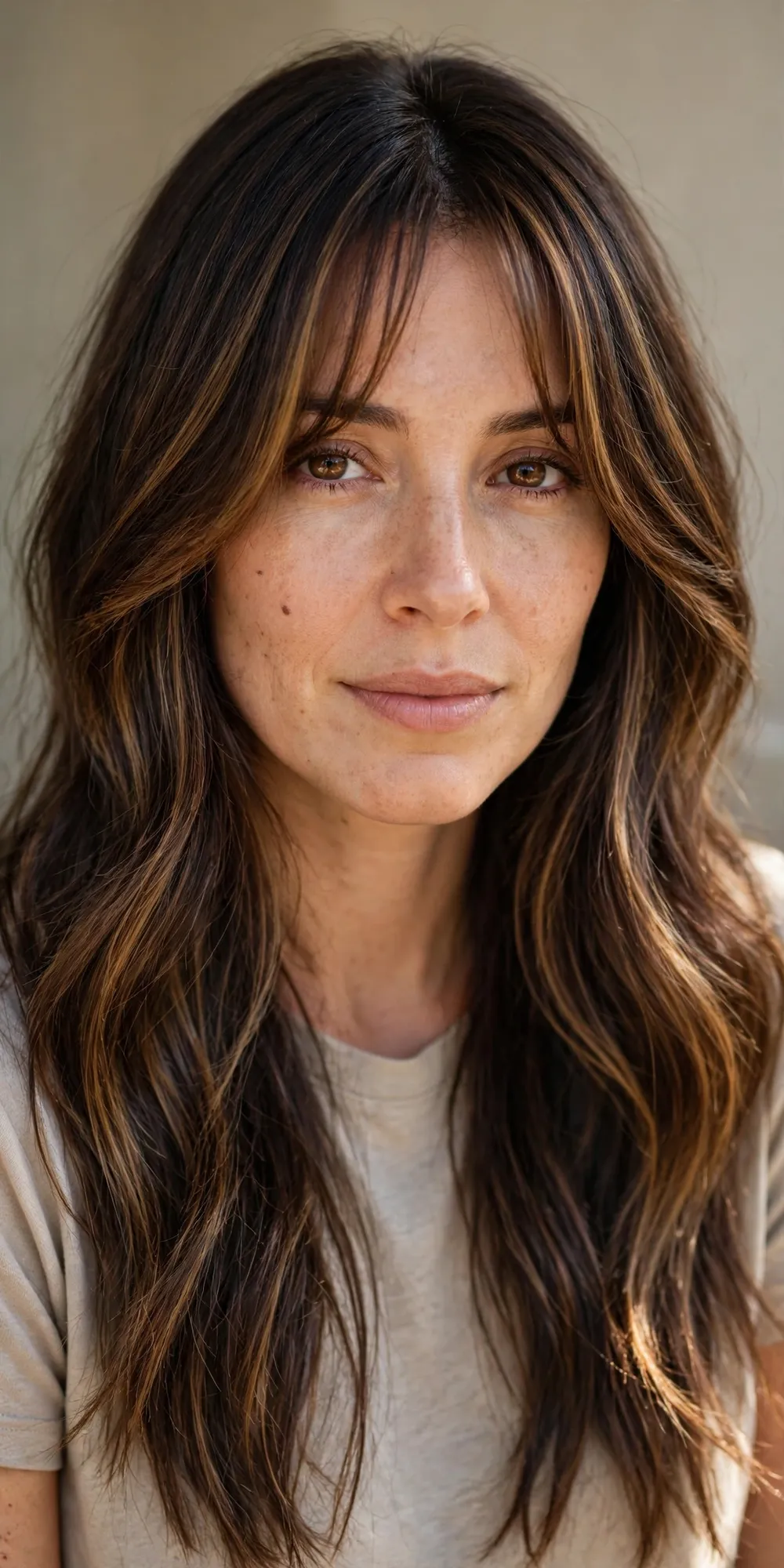
When the caramel lives mainly in the curtain bangs, the whole face lifts — the lighter fringe catches the light every time you move, It works on any base from dark brown to light brown, suits round and square faces particularly well because the parted fringe lengthens the face, and pairs with anything from a lob to long layers. If you are still deciding on the cut itself, our curtain bangs guide covers the lengths that flatter each face shape. Ask your colourist to paint the bangs one to two levels lighter in caramel, with a couple of thin ribbons continuing back into the front layers so the fringe does not look like a separate panel. Touch up the fringe colour every eight weeks; the rest needs almost nothing.
5. Buttery Brunette Waves
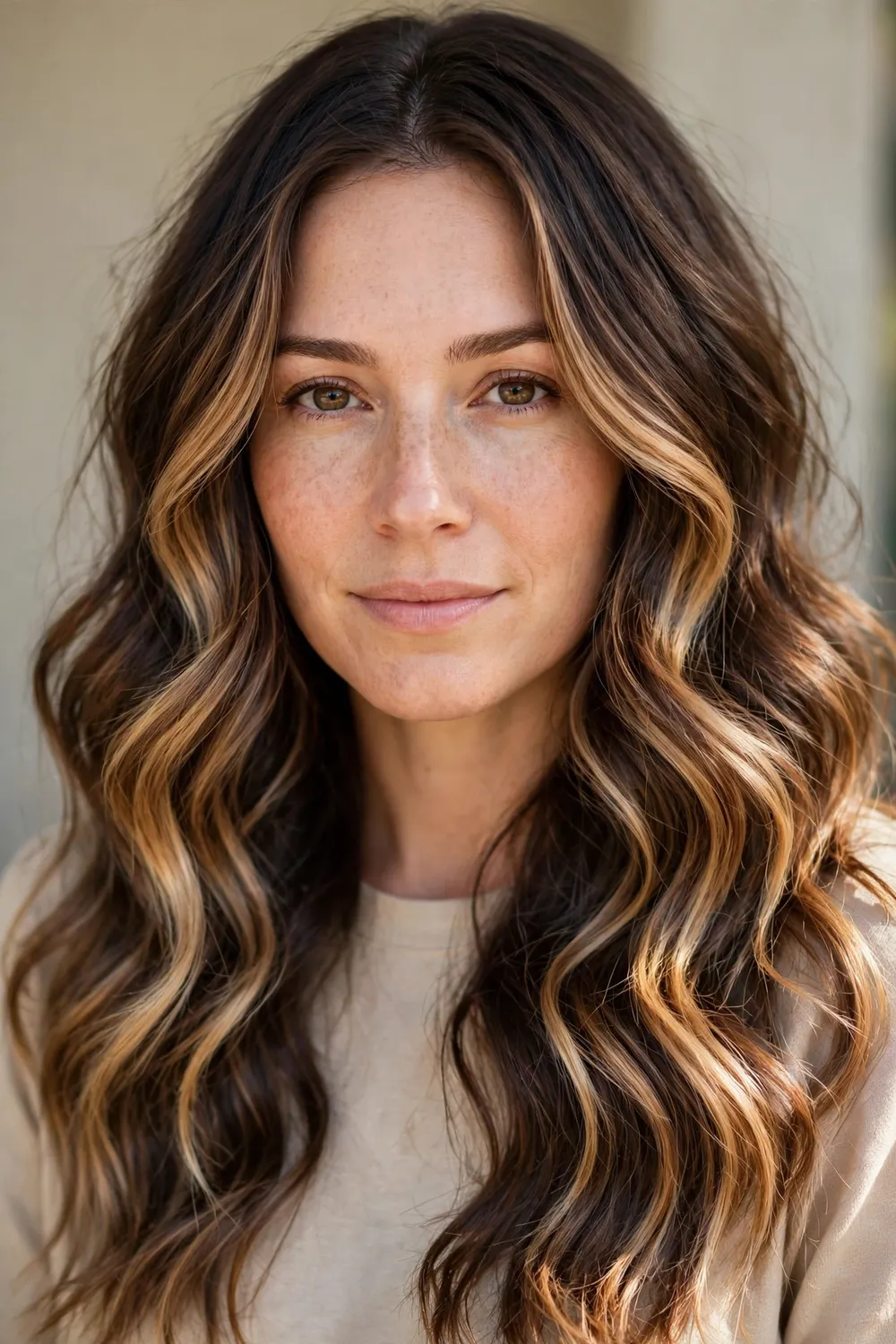
Buttery is the right word for this one: creamy, soft caramel that slides across long brunette waves instead of sitting in stripes. The colour is painted in broad, diffused strokes through the mid-lengths and ends, so the waves carry bands of light that shift as the hair moves. It suits medium to dark brown hair, warm skin tones, and naturally wavy or permed hair best, Ask for a level 6–7 buttery caramel with a warm gold tone, blended high enough that the top still looks like your own colour. Scrunch in a light curl cream and let the hair air-dry, or use a large barrel for looser waves. A gloss every six to eight weeks keeps the butter tone from going flat, and the grow-out is genuinely forgiving.
6. Smoky Beige Bronde Balayage
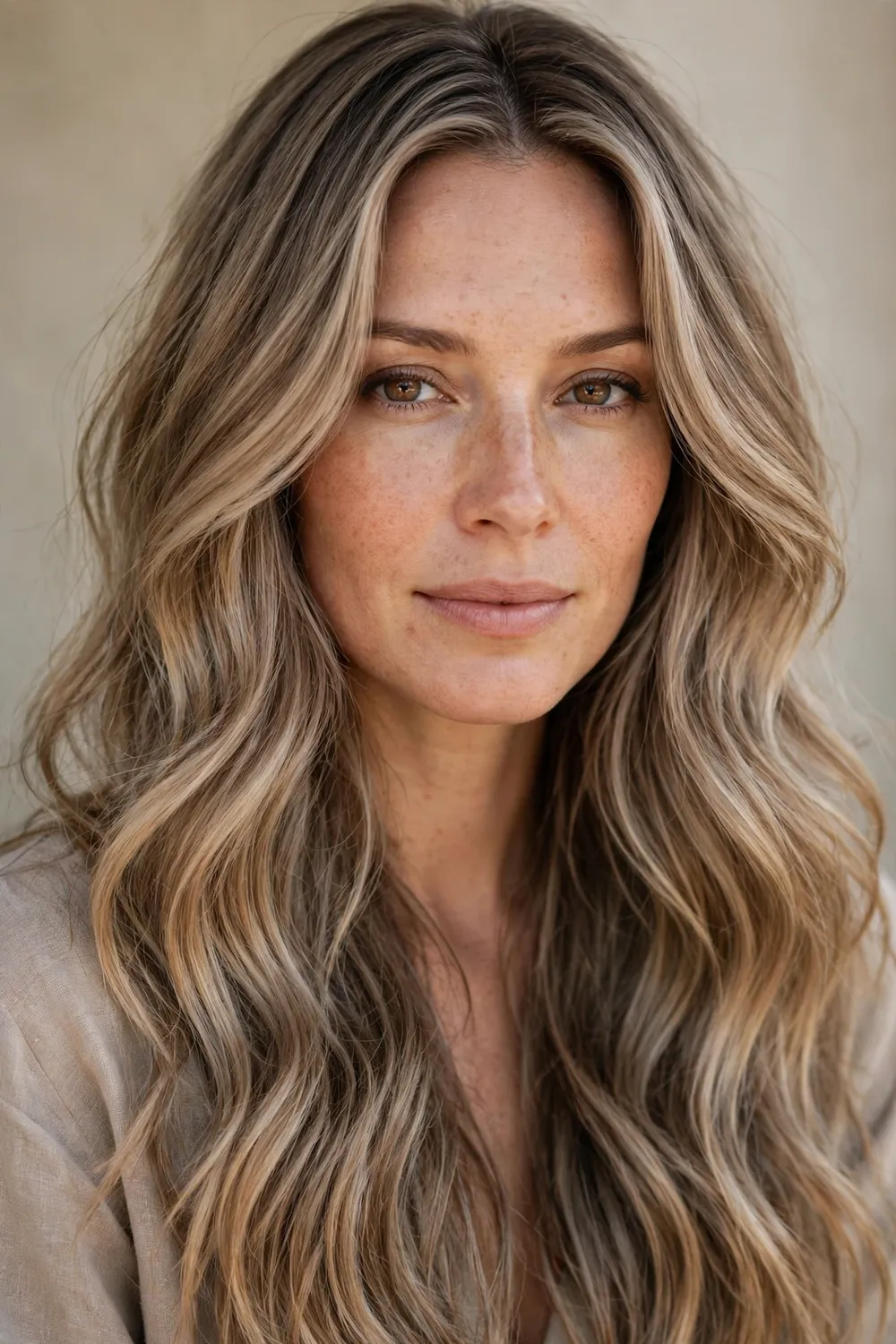
If you love the idea of caramel but dread the orange it can turn into, this cooler beige-bronde is your version. The colour sits between brown and blonde with a smoky, muted finish — no brassy gold, no harsh contrast — It flatters cool and neutral skin tones, suits medium brown to dark blonde bases, and looks particularly polished on straight or gently waved hair, where the smoky blend reads clearly. Ask for a beige toner over a level 7 lift, with the colourist keeping the gold restrained and the root shadow intact. A sleek blow-dry or a straight finish shows the tone best; heavy curls can muddy it. Use a blue-based toning conditioner sparingly — once every two or three washes — and book a gloss every seven weeks.
7. Cinnamon Swirl Layers
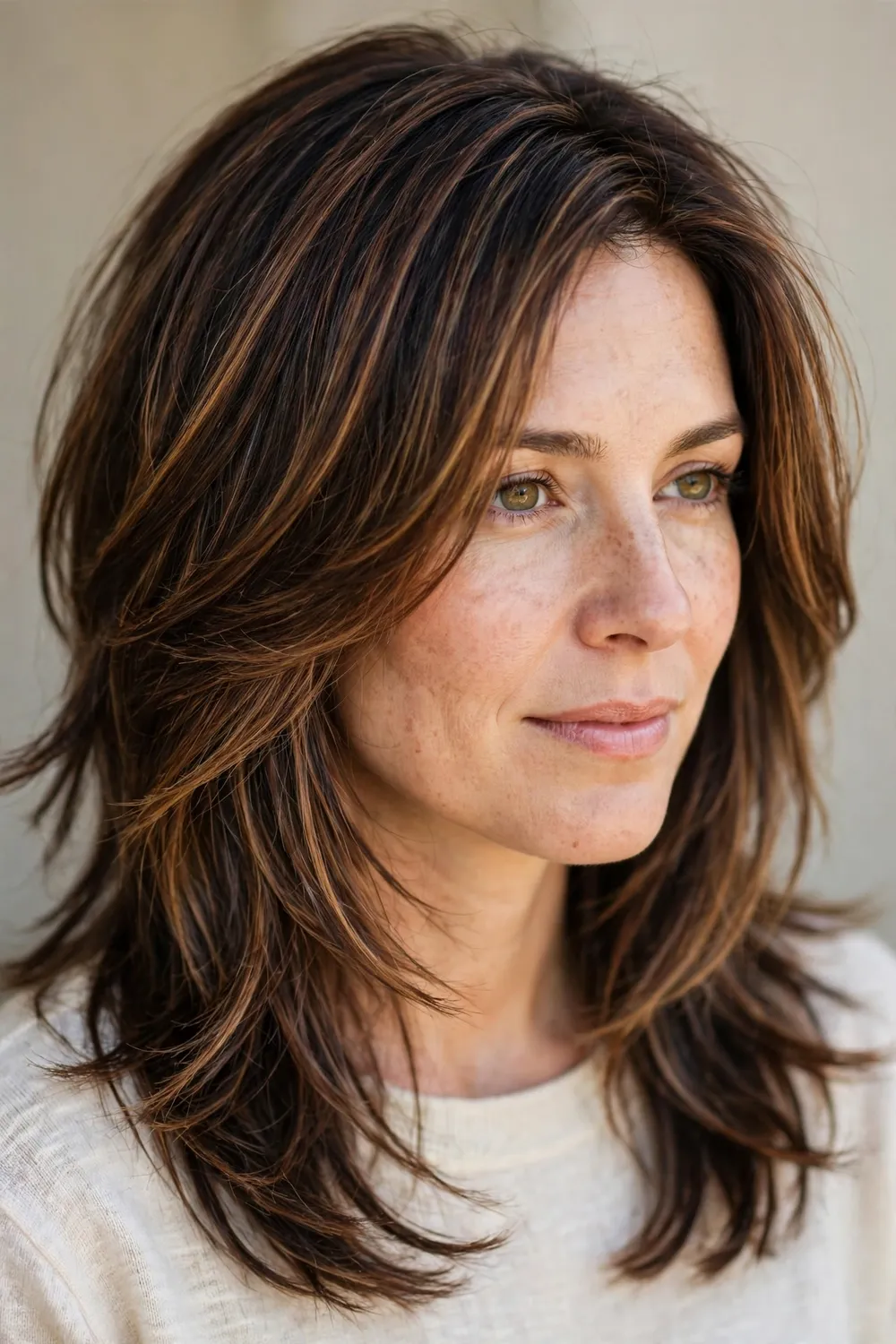
Cinnamon gives caramel a spiced edge, and on layered hair the two tones wind around each other like a swirl — which is exactly where the name comes from. Strips of cinnamon and caramel follow the layers, It suits medium brown bases and warm skin tones, and it is made for layered cuts on wavy or straight hair at shoulder length or beyond. Ask for cinnamon at level 6 with caramel highlights woven through the layers, keeping the pieces fine so they read as dimension rather than stripes. A round-brush blow-dry with flipped ends shows the swirl off; a flat iron finish works too, if you bend the ends out. Cinnamon fades faster than plain caramel, so expect a gloss every five to six weeks, and a colour-safe shampoo is non-negotiable.
8. Glossy Chocolate and Caramel Striping
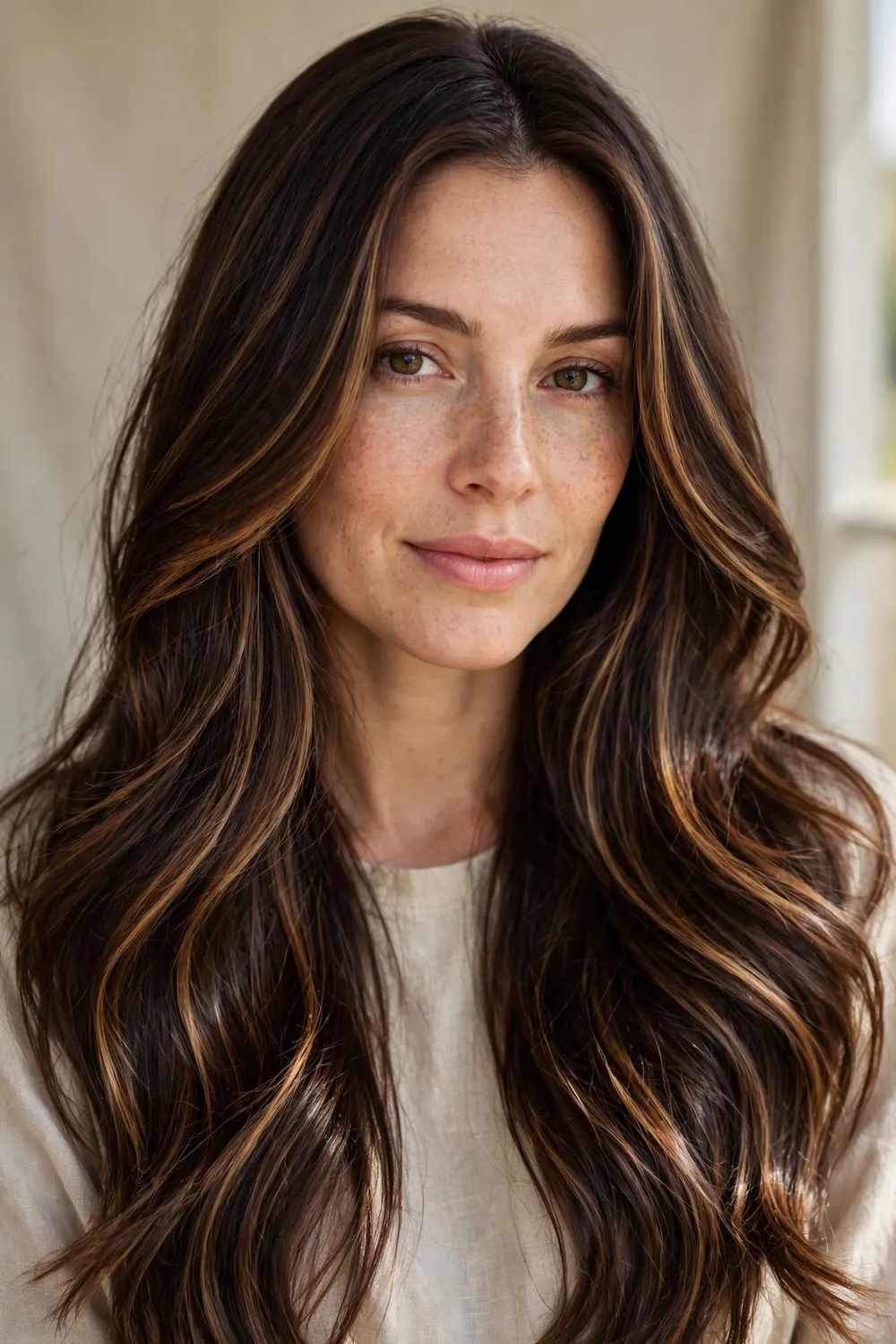
This is the most graphic style in the warm section: clean, deliberate caramel streaks laid over a glossy chocolate-brown base, with enough contrast that each streak is visible. It suits dark brown hair, warm and neutral skin tones, and straight or lightly waved hair, where the stripes stay crisp instead of blurring into curls. Ask for caramel streaks two to three levels lighter than the chocolate base, painted in wider sections through the mid-lengths, with the top left deep. A high-shine serum and a smooth blow-dry are essential, because the whole look depends on gloss. Maintenance is moderate: a toner every six weeks, and a clear gloss in between if the chocolate starts looking dull.
9. Curly Caramel Halo
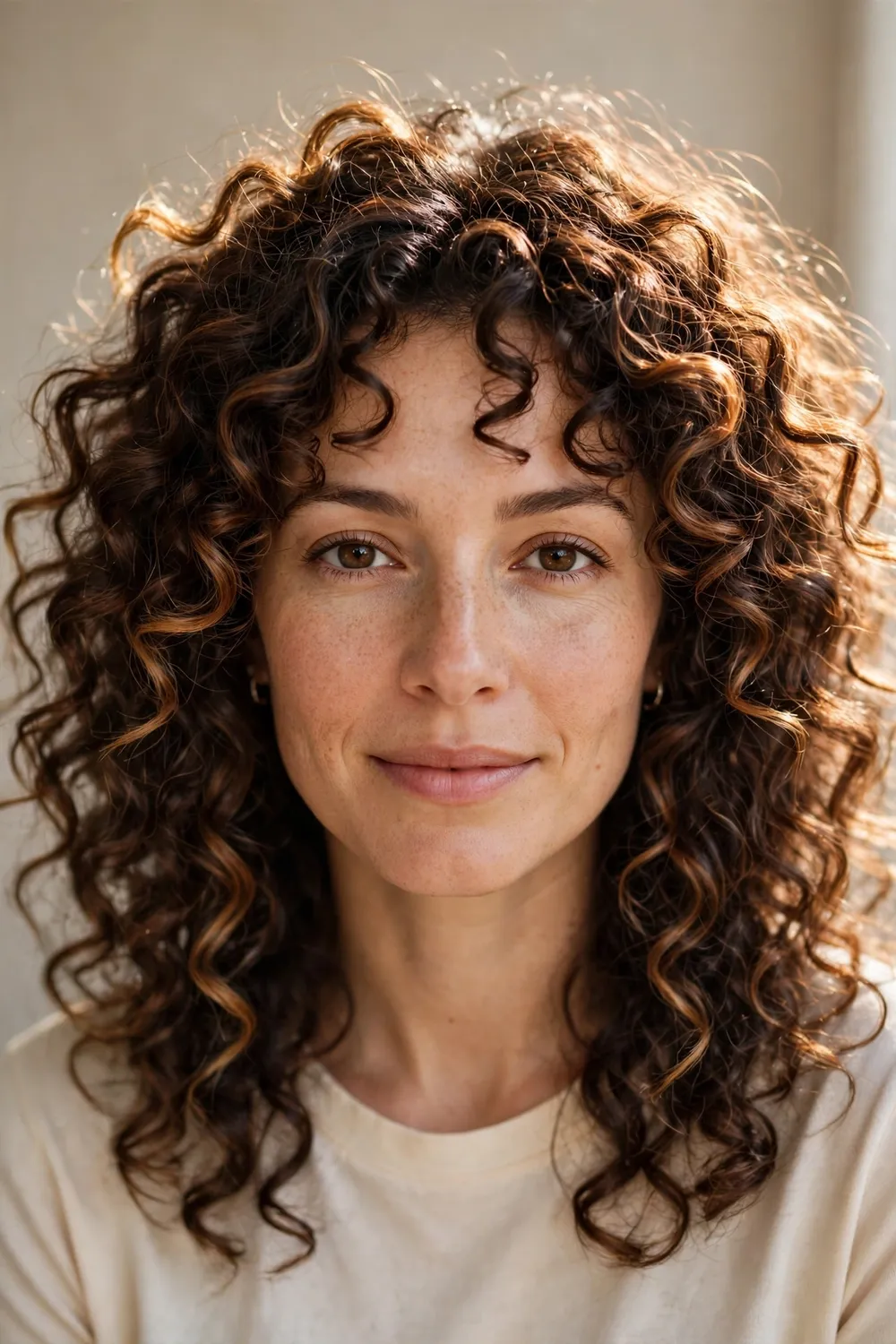
On curly hair, balayage works differently: the colour is painted onto the outside of the curl clumps, so the caramel forms a halo around the crown and the outer curls while the inside stays dark. The result is dimension that moves with the curls instead of fighting them. It suits dark to medium brown curly or coily hair, warm skin tones, and any curl pattern from loose waves to tight coils, Ask your colourist to paint the outer surface of each curl, keeping the lightener off the roots and the pieces chunky enough to survive the curl’s shrinkage. Style with a curl cream and a diffuser, A gloss every eight weeks keeps the caramel warm, and because curly hair hides grow-out so well, you can stretch a full refresh to four months.
10. Deep Brunette with Almond Money Pieces
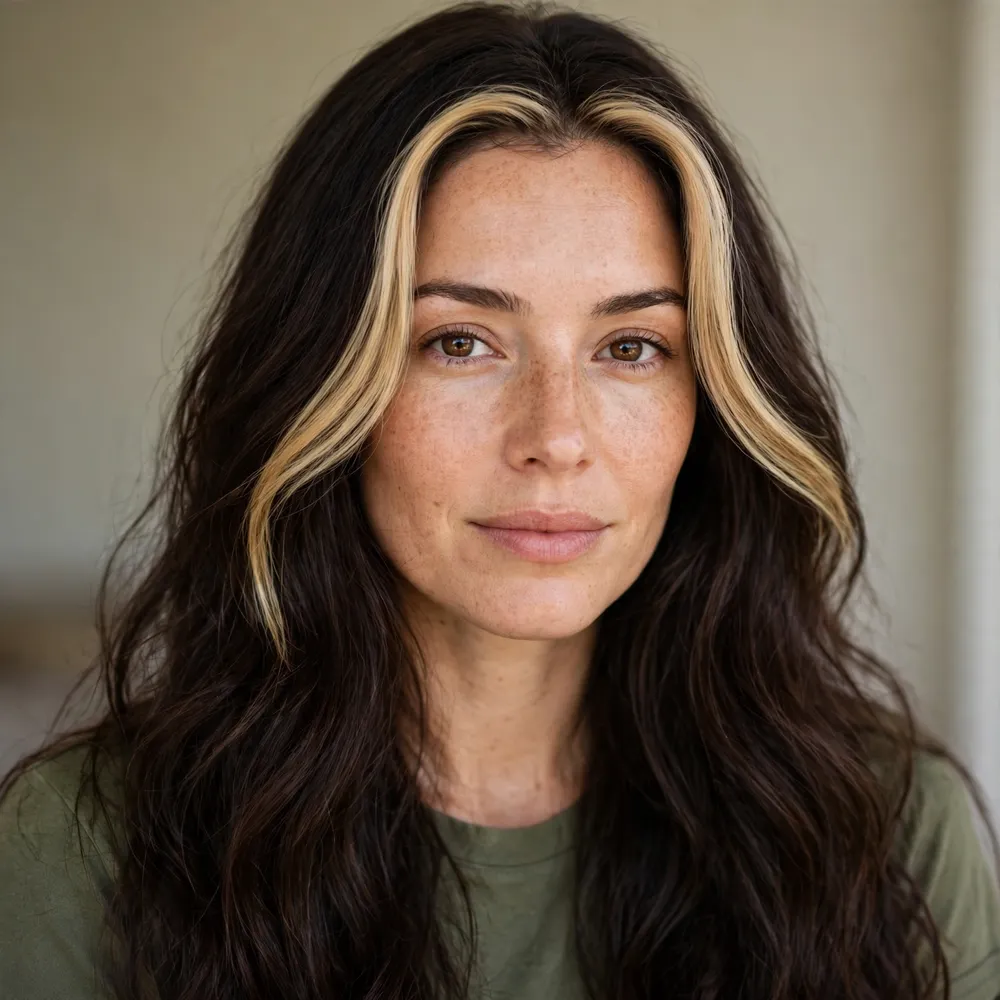
Two bright almond panels at the very front, with deep brunette everywhere behind them — that is the whole trick, and it works because the contrast frames the face while the back stays low-maintenance. Almond is softer than platinum and warmer than ash, so it suits most skin tones, and it flatters dark brown to black bases best, where the brightness reads as deliberate rather than accidental. Ask for the money pieces lifted to level 7–8 in a warm almond tone, starting right at the hairline and feathered back so there is no hard edge. The front pieces fade fastest, so budget for a toner every six weeks; the rest of the hair can go months untouched.
11. Sunlit S-Bend Balayage
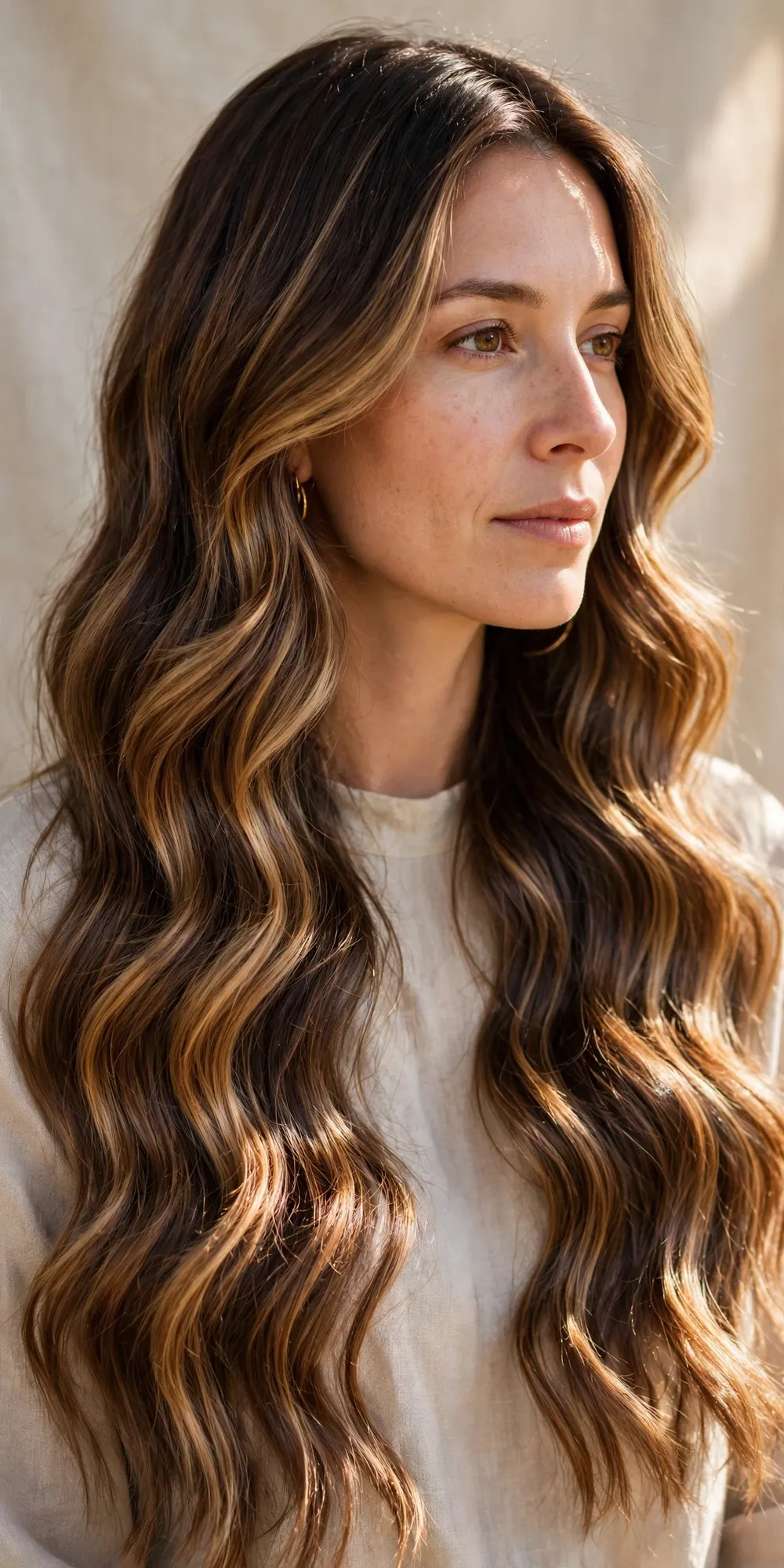
The S-bend wave — that long, lazy curve that bends one way then the other — is the perfect vehicle for balayage, because the caramel stretches along each bend and catches the light in long ribbons. It suits long hair, medium to dark brown bases, and warm or neutral skin tones, and it works on naturally wavy hair or on straight hair styled with a large-barrel iron. Ask for caramel painted in long, stretched sections through the mid-lengths and ends, with the brightest pieces sitting on the outer curve of each wave. Style by wrapping large sections around a 32mm barrel and brushing them out once cool. A gloss every seven weeks keeps the sunlit tone; grow-out is soft because the colour starts well below the roots.
12. Mushroom Brown and Caramel Mix
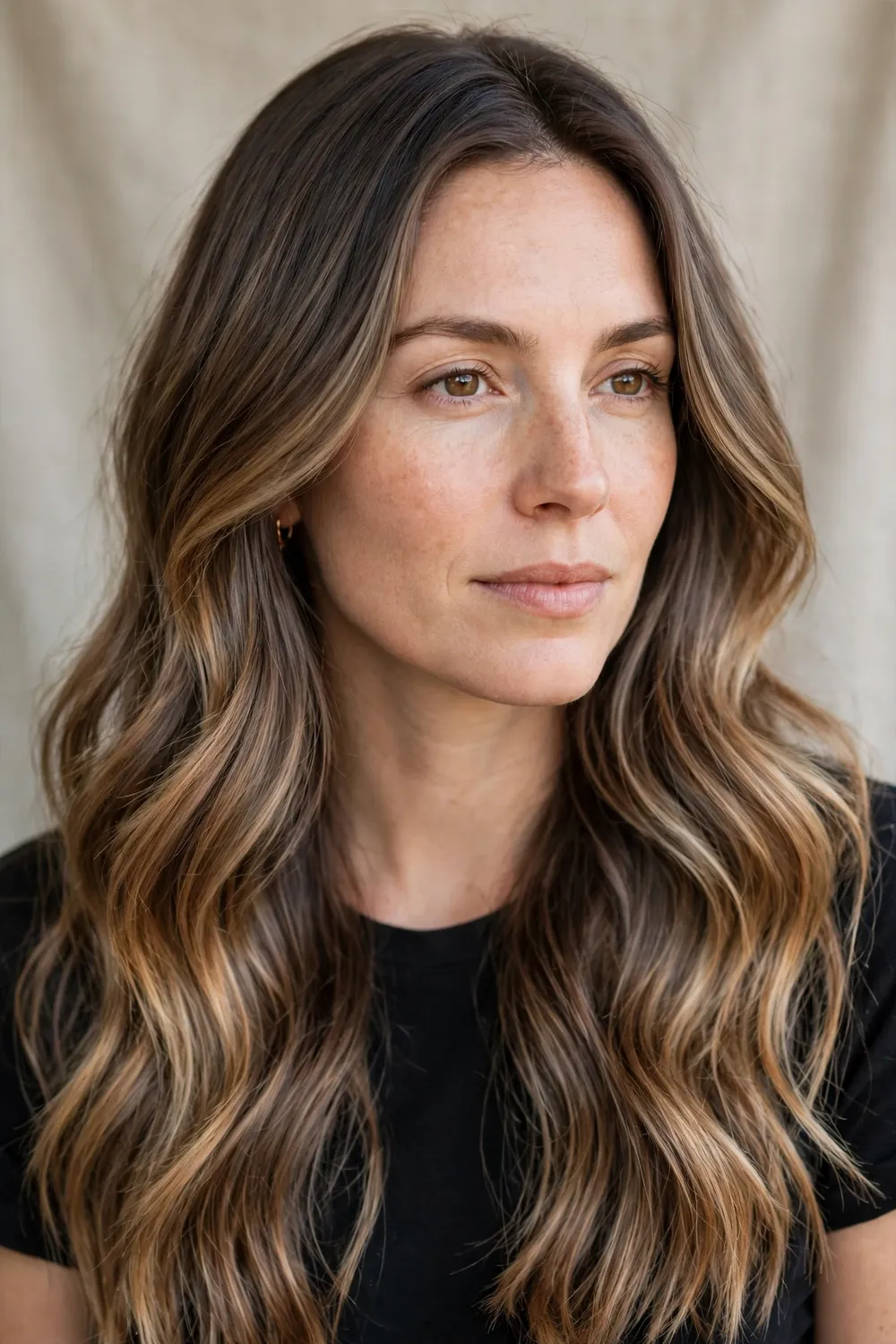
Mushroom brown — that cool, ashy, almost grey-brown — sounds like it would clash with caramel, but the mix works precisely because the cool base keeps the warm ends from tipping into orange. The result is a balanced, modern brunette with warmth only where it flatters. It suits cool and neutral skin tones, medium brown bases, and straight or wavy hair at any length past the chin. Ask for a mushroom toner over the base, with caramel ends lifted to level 7 and kept warm rather than golden. Maintenance is a little higher than plain caramel — a cool gloss every six weeks to hold the mushroom tone, and a warm gloss on the ends if they start looking flat.
Caramel Balayage by Cut and Texture
13. Caramel Ombré Cascade
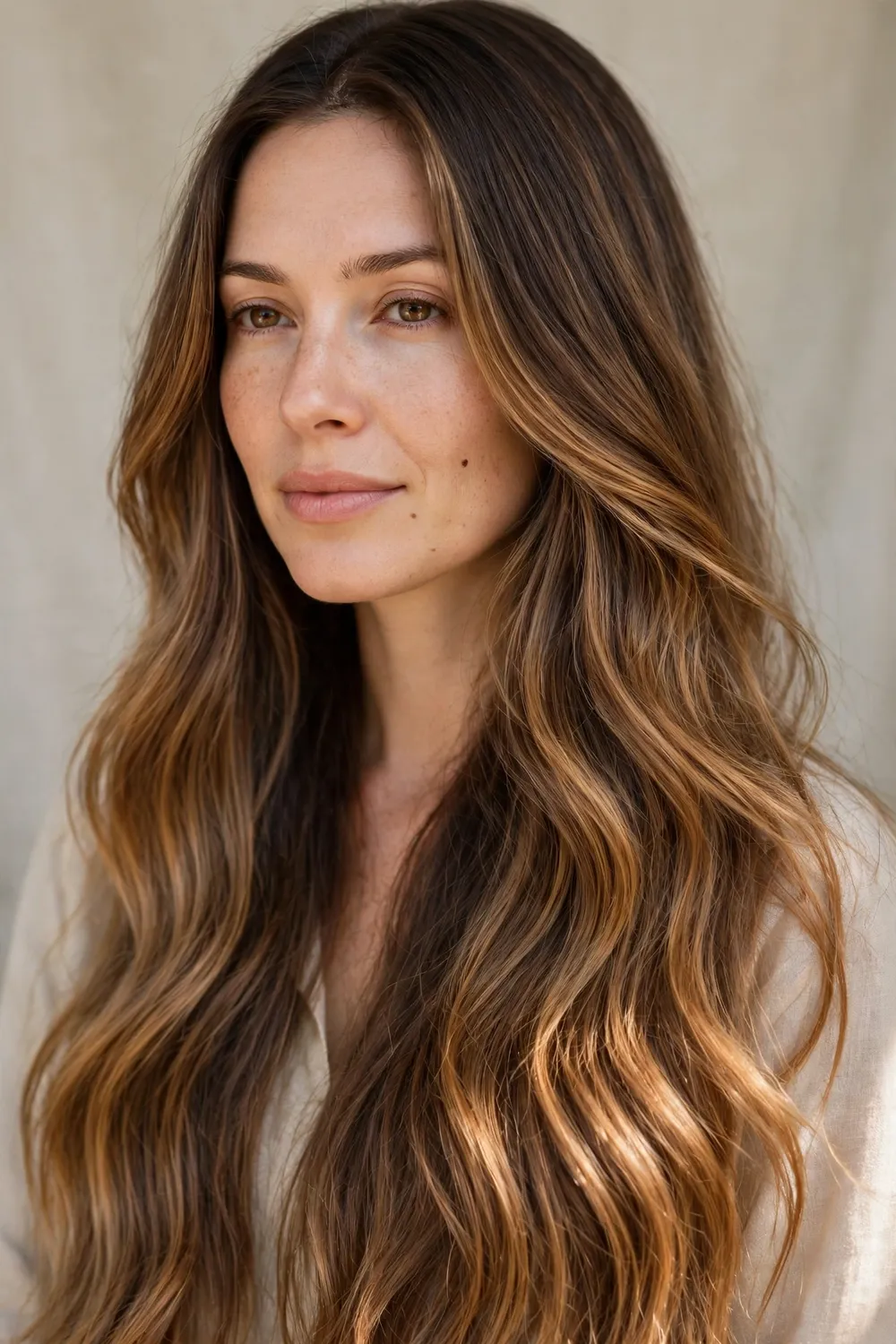
This is balayage used to build a proper ombré: an obvious, sweeping caramel cascade that runs down long hair from a dark top to light ends. It works best on long hair — past the shoulders at least — with a dark to medium brown base and warm skin tones. For more long-hair inspiration, our long hair hairstyles guide has cuts that carry this much colour well. Ask for the transition to start around the cheekbones, with caramel at level 6–7 through the ends and the darkest part of the gradient kept at the crown. Wear it straight to show the cascade, or in loose waves for a softer read. The ends take the most damage and fade fastest, so a gloss and a trim every eight weeks keep it looking intentional rather than tired.
14. Buttercream Ends on Dark Mocha
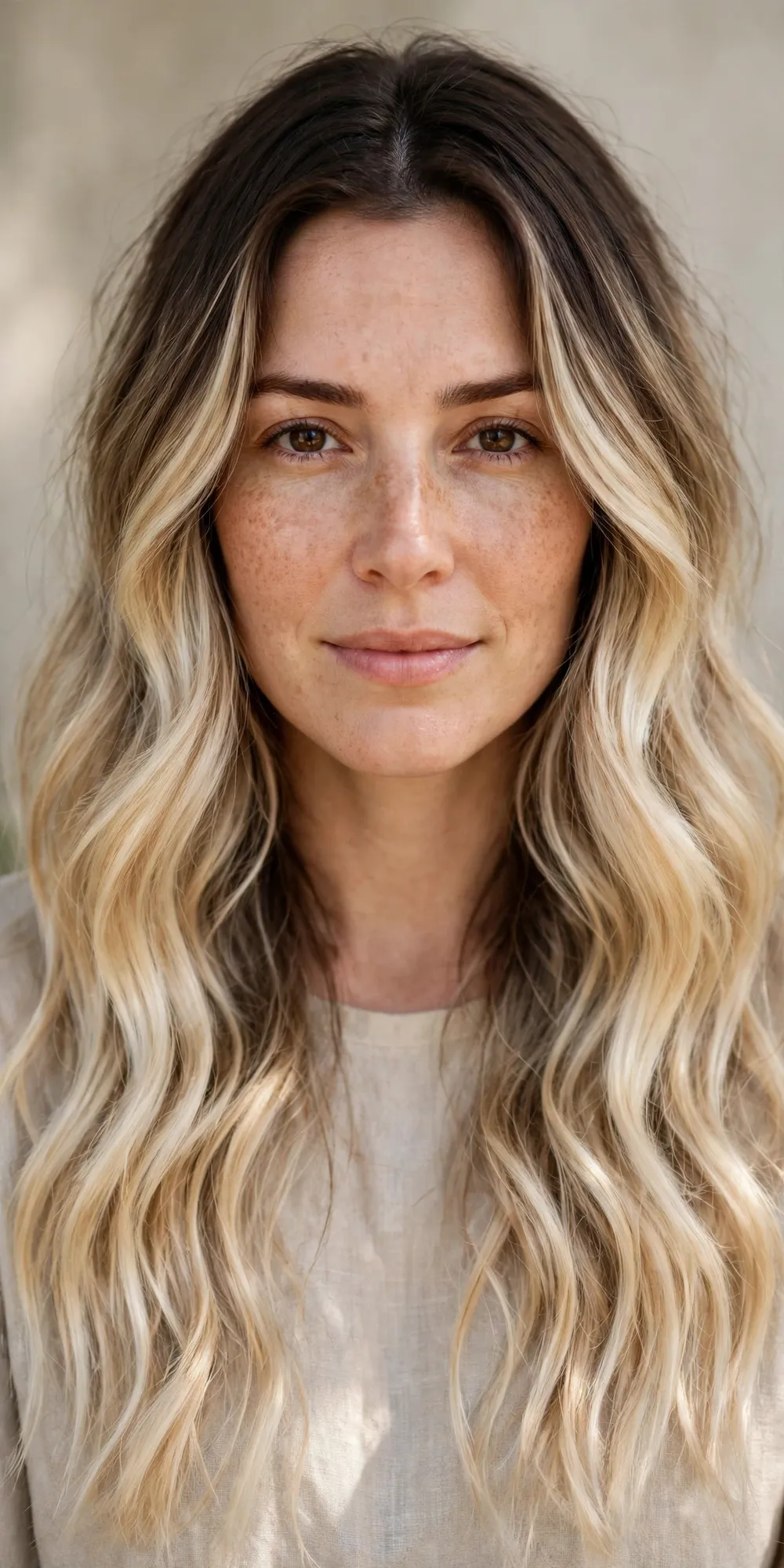
Dark mocha at the roots, creamy buttercream at the ends — the contrast here is the whole style, and it only works because the middle is blended so carefully that the eye reads it as one long gradient. It suits very dark brown to black hair, warm and neutral skin tones, and long straight or wavy hair, where the pale ends have room to show. Ask for the ends lifted to level 8–9 with a buttercream toner, keeping the lift gradual through the mid-lengths rather than jumping straight from dark to light. Buttercream ends are high-maintenance by balayage standards — a toner every five to six weeks, and a purple shampoo once a week if the cream starts going yellow.
15. Face-Frame Pop with Soft Root Shadow
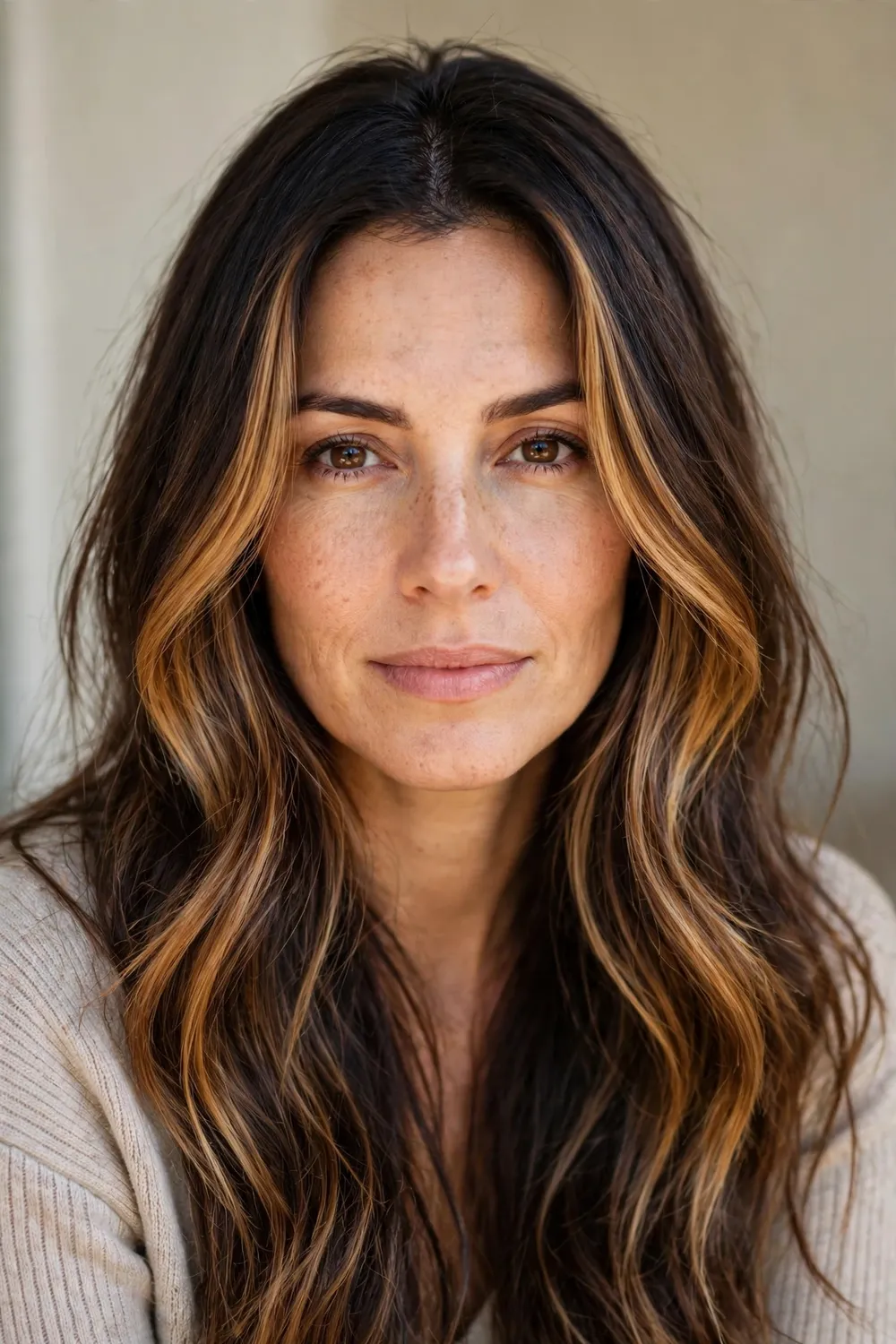
This is the money-piece look with a safety net: a strong, bright face frame, softened by a root shadow that smudges the colour at the scalp so it never looks like regrowth. It suits dark to medium brown bases, most skin tones, and any length, though it is most striking on hair worn down and parted in the middle. Ask for the face frame lifted two to three levels in caramel or light honey, with a root shadow in your natural shade melted two to three inches down from the parting. The root shadow is what makes this low-maintenance: the bright pieces still need a gloss every six to eight weeks, but the shadow means you will not see a hard line for months.
16. Chestnut Bob with Floating Caramel
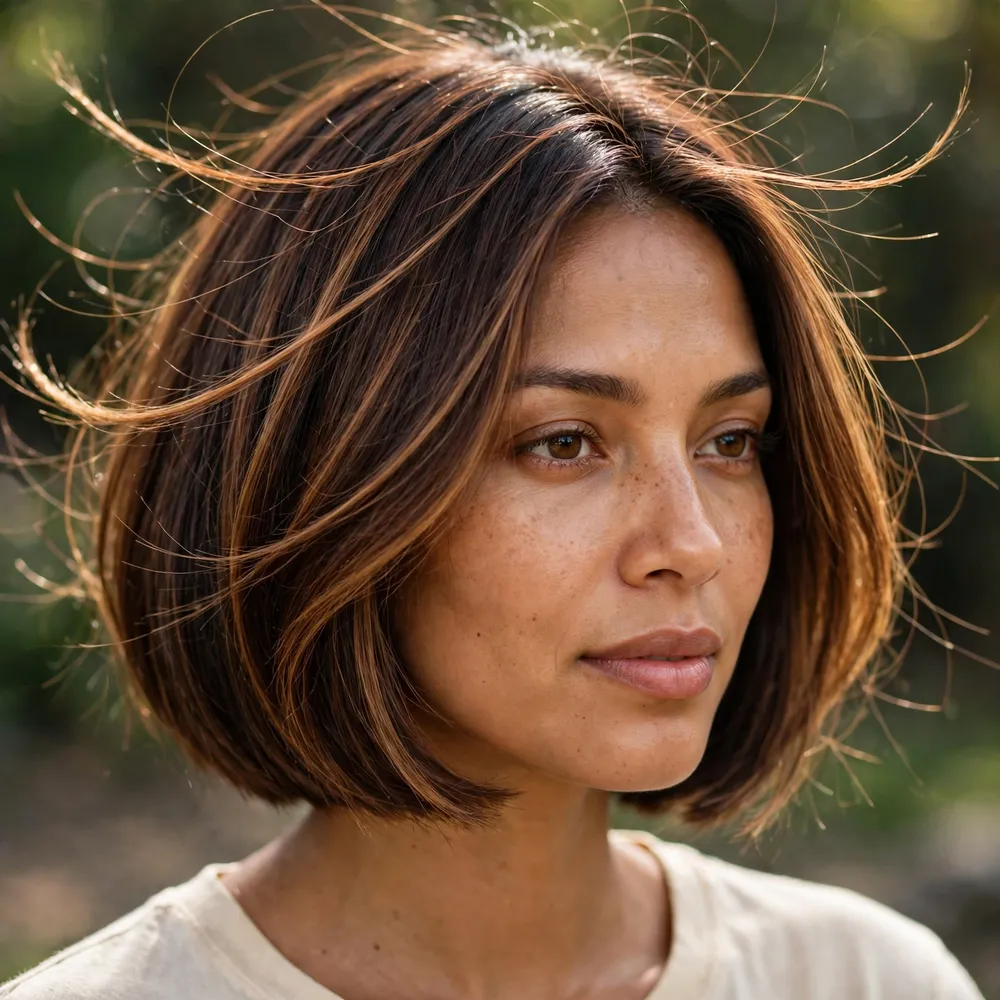
On a sharp chestnut bob, caramel does not need to be everywhere — a few floating pieces, painted where the light would naturally hit, are enough to stop the cut looking flat. It suits chin-to-shoulder bobs, medium brown bases, and warm or neutral skin tones, and it is one of the best balayage options for straight hair, because the pieces sit exactly where they were painted. Ask for fine caramel flashes at level 6–7, placed through the top layers and around the face, with the underlayers left dark for depth. Maintenance is easy — a gloss every eight weeks, and the bob’s regular trim schedule handles the ends before they can fade badly.
17. Walnut Brunette with Golden Veils
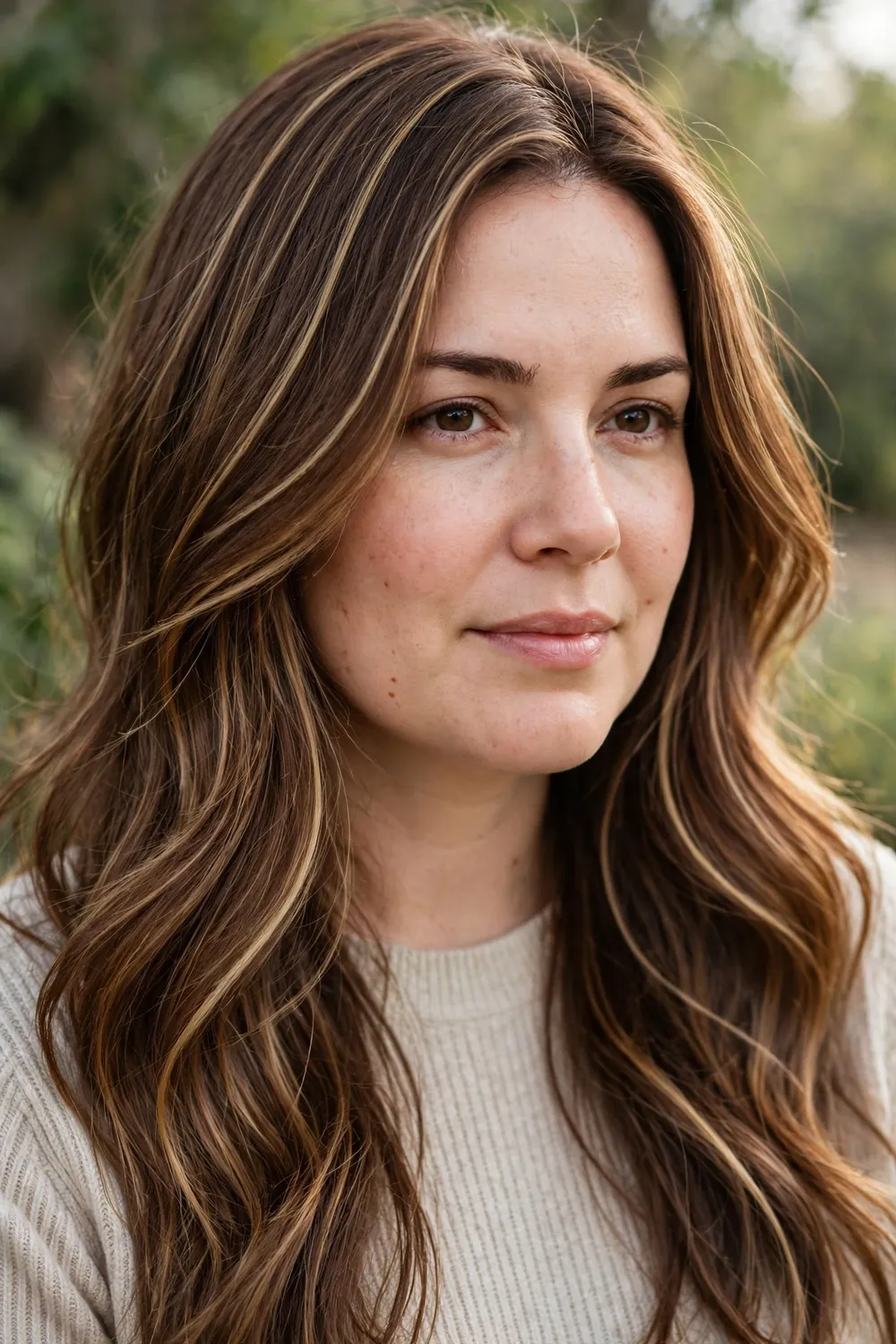
Walnut is a warm, mid-brown with a reddish undertone, and golden veils — whisper-thin layers of lighter gold laid over the top — give it a lit-from-within quality without changing the base colour. It suits medium brown hair, warm skin tones, and straight or wavy hair at shoulder length or longer, where the veils have room to shimmer. Ask for the gold kept one to two levels lighter than the walnut, painted in very fine sections across the surface layer only, so the depth underneath stays intact. Because the lift is so gentle, maintenance is minimal — a gloss every eight weeks, and the grow-out is essentially invisible, which makes this a good choice if you colour your hair rarely.
18. Toasted Sugar Balayage on Mid-Length Hair
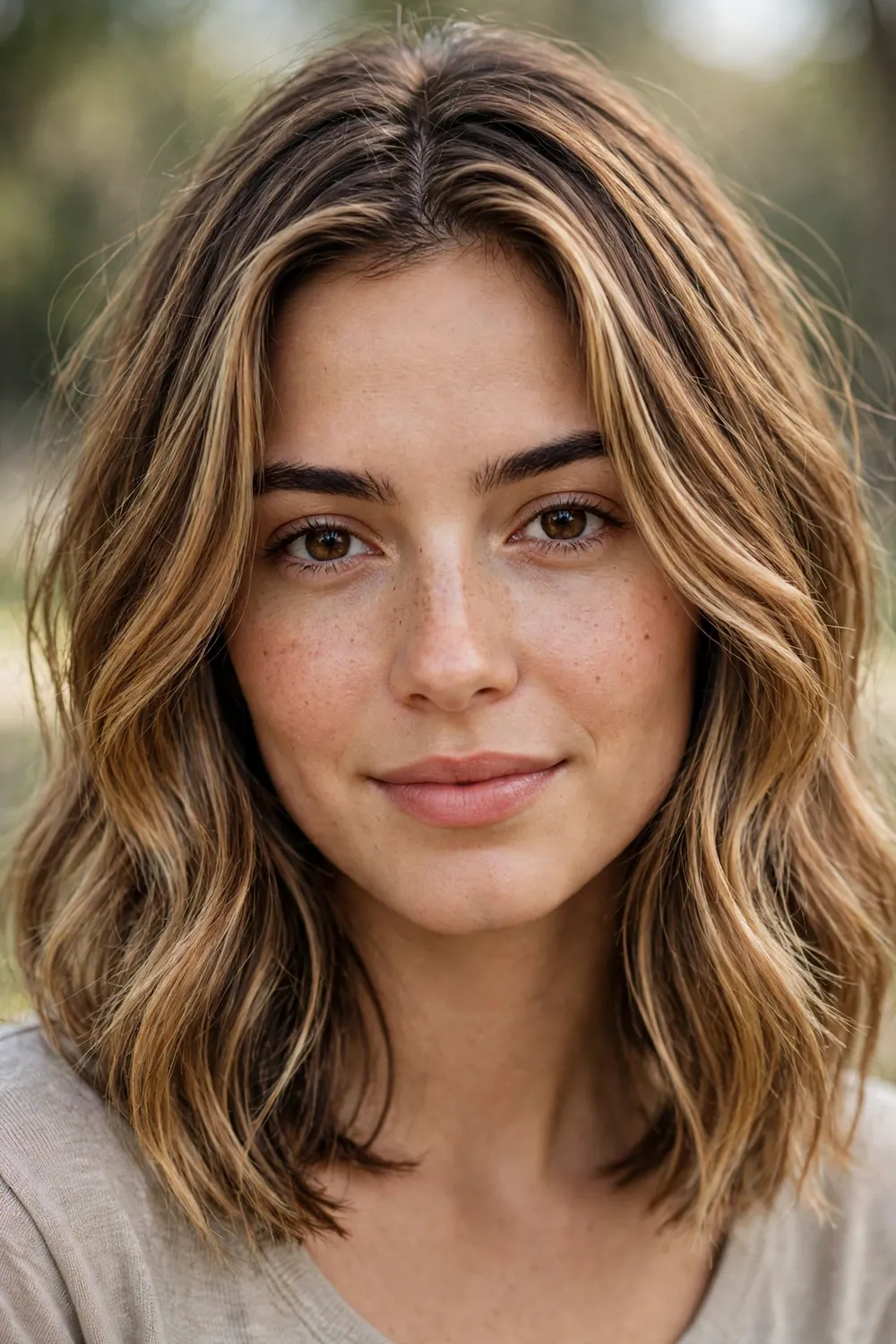
Toasted sugar is caramel with the edges browned off — warm, golden, and a touch deeper than honey — and on mid-length hair it hits the sweet spot between noticeable and easy. The colour is painted through the lower half with a few pieces pulled higher, so the style looks finished even when you do nothing more than air-dry it. It suits medium brown bases, warm and olive skin tones, and straight, wavy or lightly curly hair at collarbone length. Ask for toasted-sugar tones at level 6–7, with the lightest pieces through the ends and a soft root shadow to blur the grow-out. A gloss every six to eight weeks holds the warmth, and mid-length hair means less product, less time, and cheaper salon visits.
19. Smoky Caramel on a Shag Cut

A shag cut is all choppy layers and texture, and smoky caramel follows those layers instead of fighting them — the colour sits on the ends of the choppy pieces, so every flick catches a slightly different tone. It suits medium to dark brown hair, warm and neutral skin tones, and anyone who likes a lived-in, slightly undone finish; Ask for smoky caramel at level 6–7, painted onto the ends of the layers with a cool toner to keep it from going brassy. Style with a texturising spray and a diffuser, or rough-dry it and let the layers fall where they want. A gloss every seven weeks keeps the smoky tone; the shag’s texture hides grow-out so well that a refresh can wait three to four months.
20. Honey Glaze on Long Layers
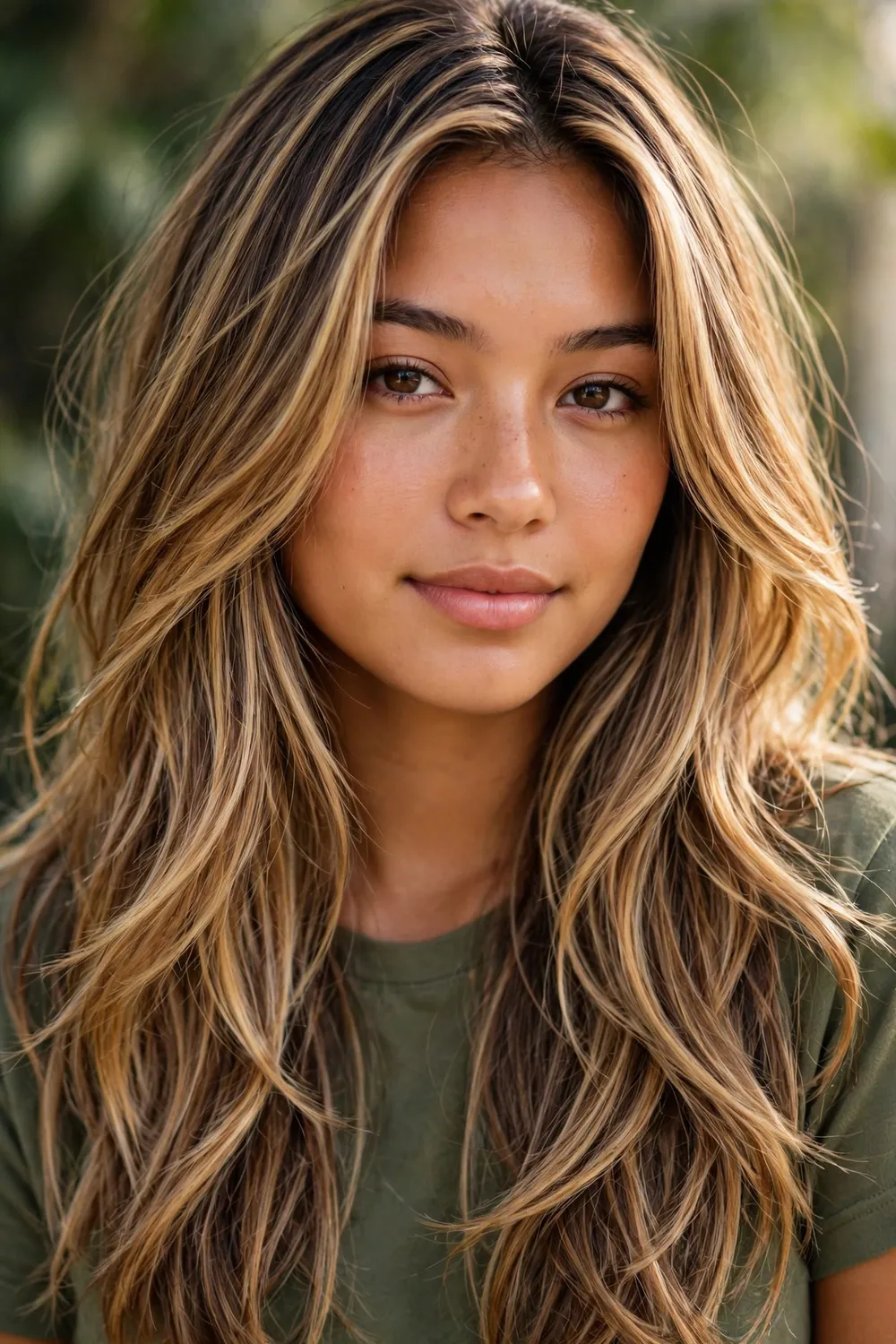
This is the most flattering warm glow in the whole list, and it earns that claim honestly: a sunny honey glaze poured through long layers, brightest at the ends and softening as it rises, so the hair looks like it spent a summer outdoors. It suits long hair — past the shoulders — on medium to dark brown bases, and it flatters warm, golden and olive skin tones best, Long layers are what make it work, so if your cut needs refreshing first, our long hair hairstyles guide has the layering that carries this colour. Ask for honey at level 7, painted in long sections with the lightest pieces through the bottom third. Gloss every six weeks; the grow-out stays graceful for months.
21. Soft Beige Balayage for Straight Hair
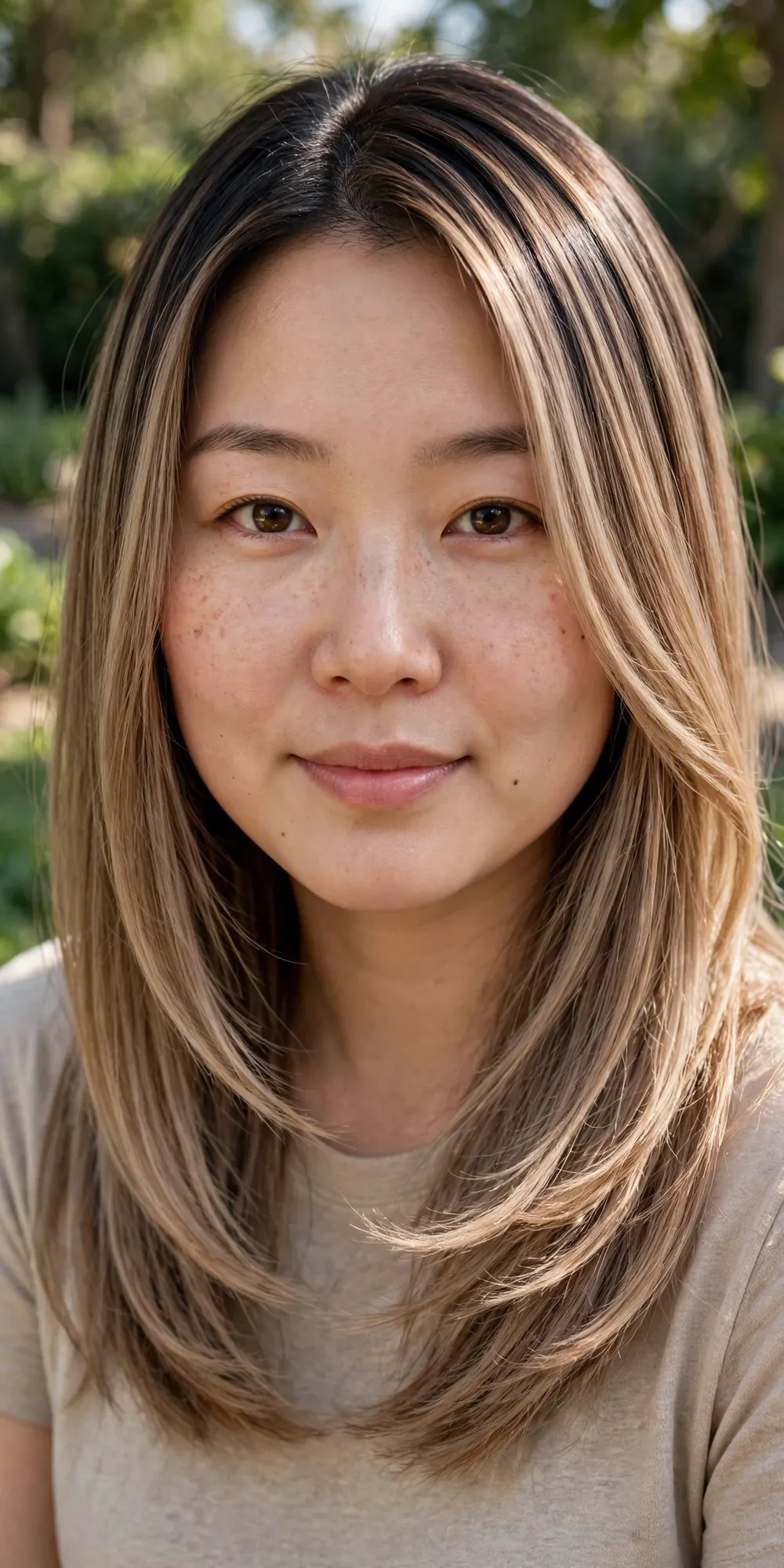
Straight hair shows every flaw in a balayage — stripes, spots, hard lines — which is why this soft beige version is painted feather-light, with the colour diffused so finely that it reads as a gentle lightening rather than a pattern. It suits straight hair of any length past the chin, medium brown to dark blonde bases, and cool or neutral skin tones. Ask for beige at level 7–8, feathered upward from the mid-lengths with a soft root shadow, and insist on a cool toner so the beige stays beige instead of warming up to gold. Because the lift is light and the blend is soft, maintenance is low — a gloss every eight weeks, and no visible regrowth line for months.
22. Brunette Butterfly Cut with Caramel Sweep
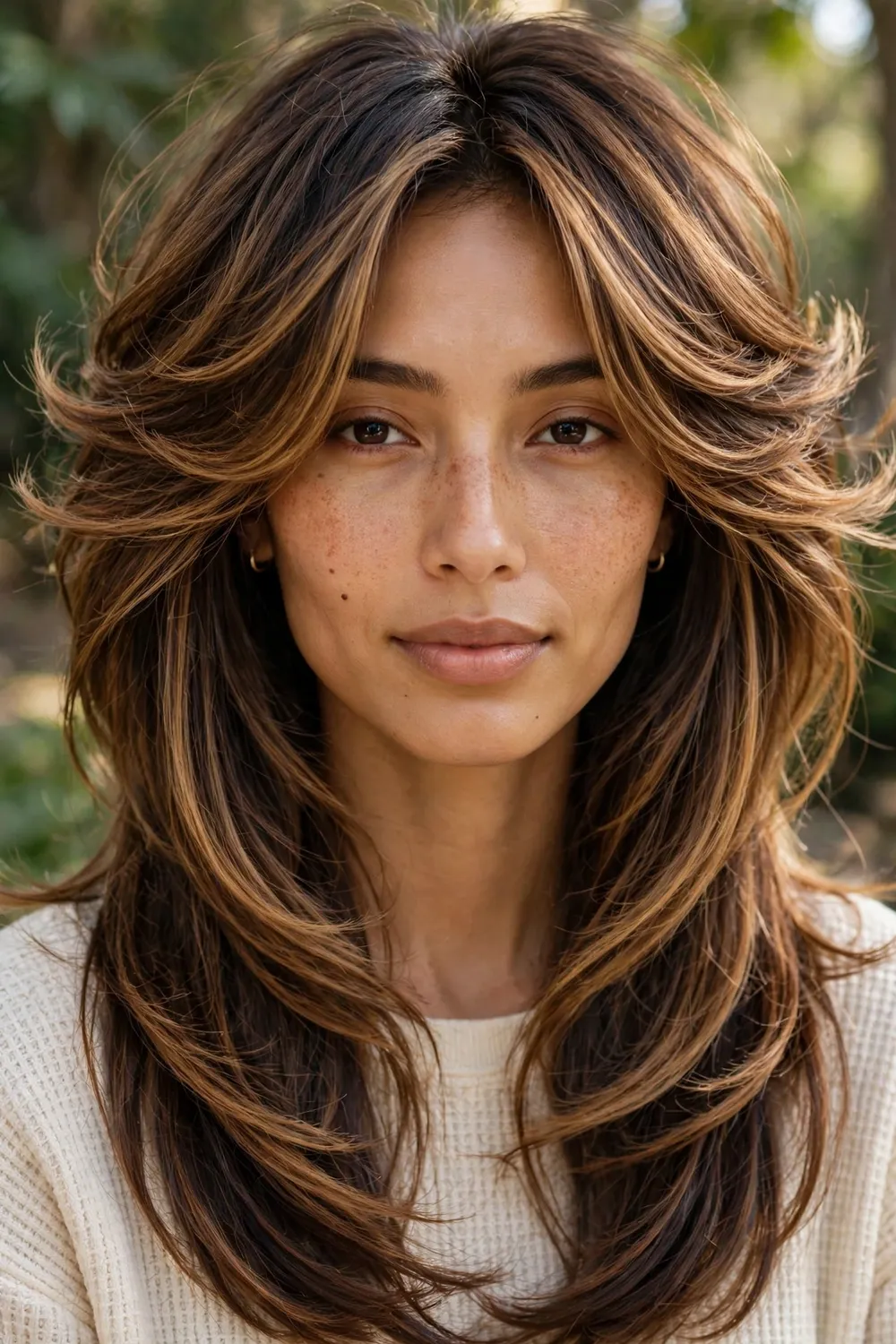
The butterfly cut has two zones — short, face-framing layers on top and long length underneath — and a caramel sweep painted to echo that split makes both zones look deliberate. The shorter layers get the brighter caramel, the long length gets a softer wash, It suits medium to dark brown hair, warm and neutral skin tones, and oval or long faces, where the short layers add width at the cheekbones. Our butterfly haircut guide covers the cut itself if you are new to it. Ask for caramel at level 6–7, concentrated on the face-framing layers with a lighter sweep through the long ends. A gloss every seven weeks keeps the sweep warm; grow-out is soft because the colour starts below the roots.
23. Espresso Base with Cinnamon Ribbons
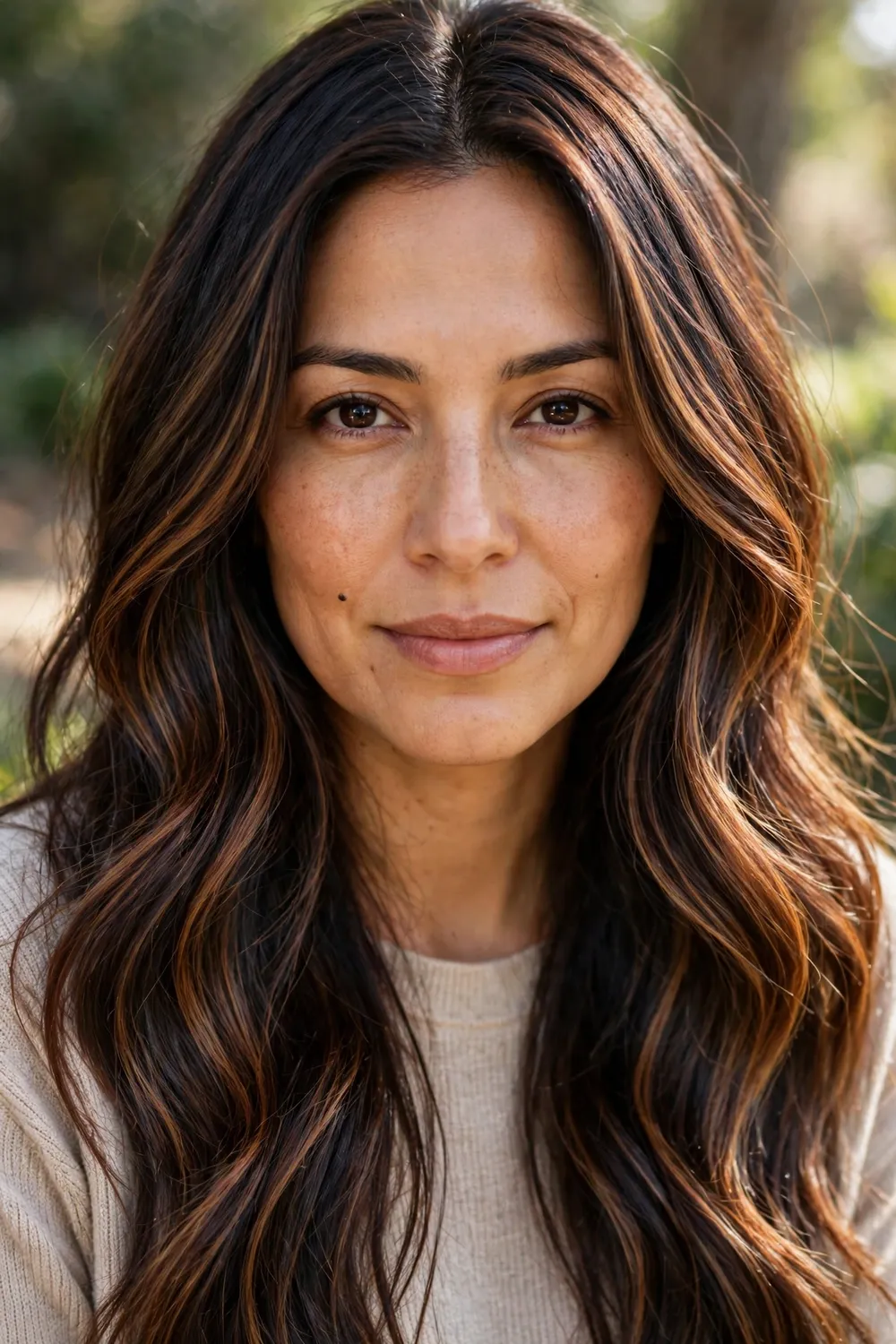
An espresso base — near-black, rich, and glossy — makes cinnamon ribbons look like they are glowing, because the contrast between the dark ground and the spiced red-brown is so strong. It suits very dark brown to black hair, warm and olive skin tones, and straight or wavy hair at any length past the shoulders. Ask for cinnamon ribbons at level 5–6, painted in fine to medium sections through the mid-lengths and ends, with the colourist keeping the red warm rather than coppery. Cinnamon is a red-toned colour, so it fades faster than plain caramel — expect a gloss every five to six weeks, and wash in lukewarm water with a colour-safe shampoo to slow the fade.
Lived-In, Bronde and Special Balayage
24. Lived-In Caramel Lob

This is the lob for people who want colour that looks good on day one and still looks good at week ten. The caramel is painted in soft, broken-up patches rather than neat ribbons, It suits medium to dark brown bases, warm and neutral skin tones, and straight to wavy hair that falls around the collarbone — the length is short enough to feel fresh but long enough to show the dimension. Ask your colourist for a level 7 to 8 caramel, painted mostly through the mid-lengths and ends with a few pieces pulled higher around the face, then a golden gloss to keep it creamy rather than brassy. Maintenance is about as easy as balayage gets: a gloss every eight weeks and a trim to keep the lob blunt.
25. Warm Bronde with Soft Contrast
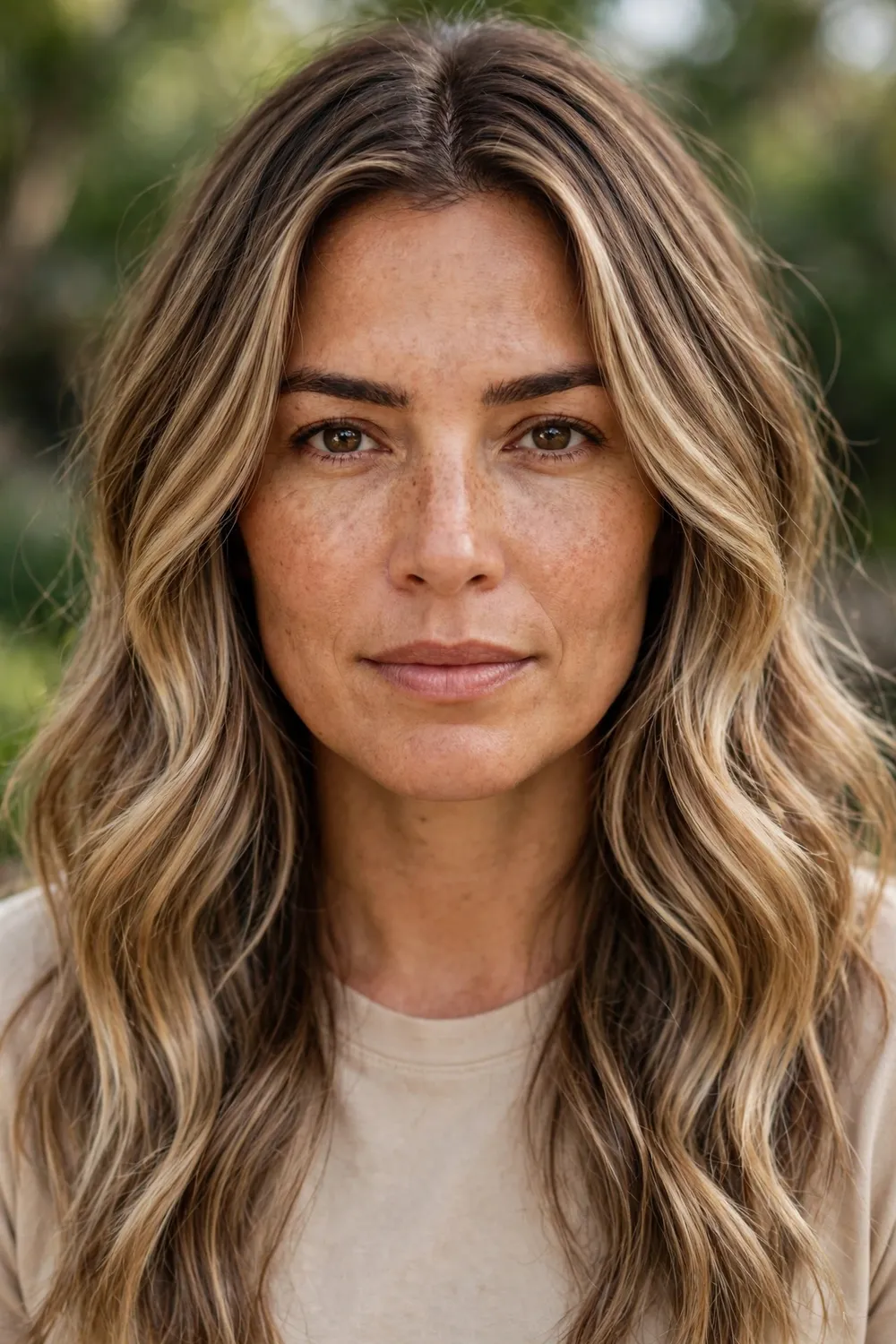
Bronde is the middle ground for brunettes who keep flirting with blonde and then chickening out, and this version keeps the contrast deliberately gentle. The base stays a warm medium brown while hand-painted bronde pieces — somewhere between caramel and dark blonde — lift the hair just enough to catch the light without looking like two different colours. It flatters warm and neutral skin tones best, and works beautifully on medium-thick hair with a natural wave, Ask for a level 8 bronde with a beige-gold toner, placed in fine weaves through the crown and ends, and keep the root untouched so the grow-out stays soft. A gloss every six to eight weeks keeps the tone from sliding yellow.
26. Melted Toffee on Thick Hair
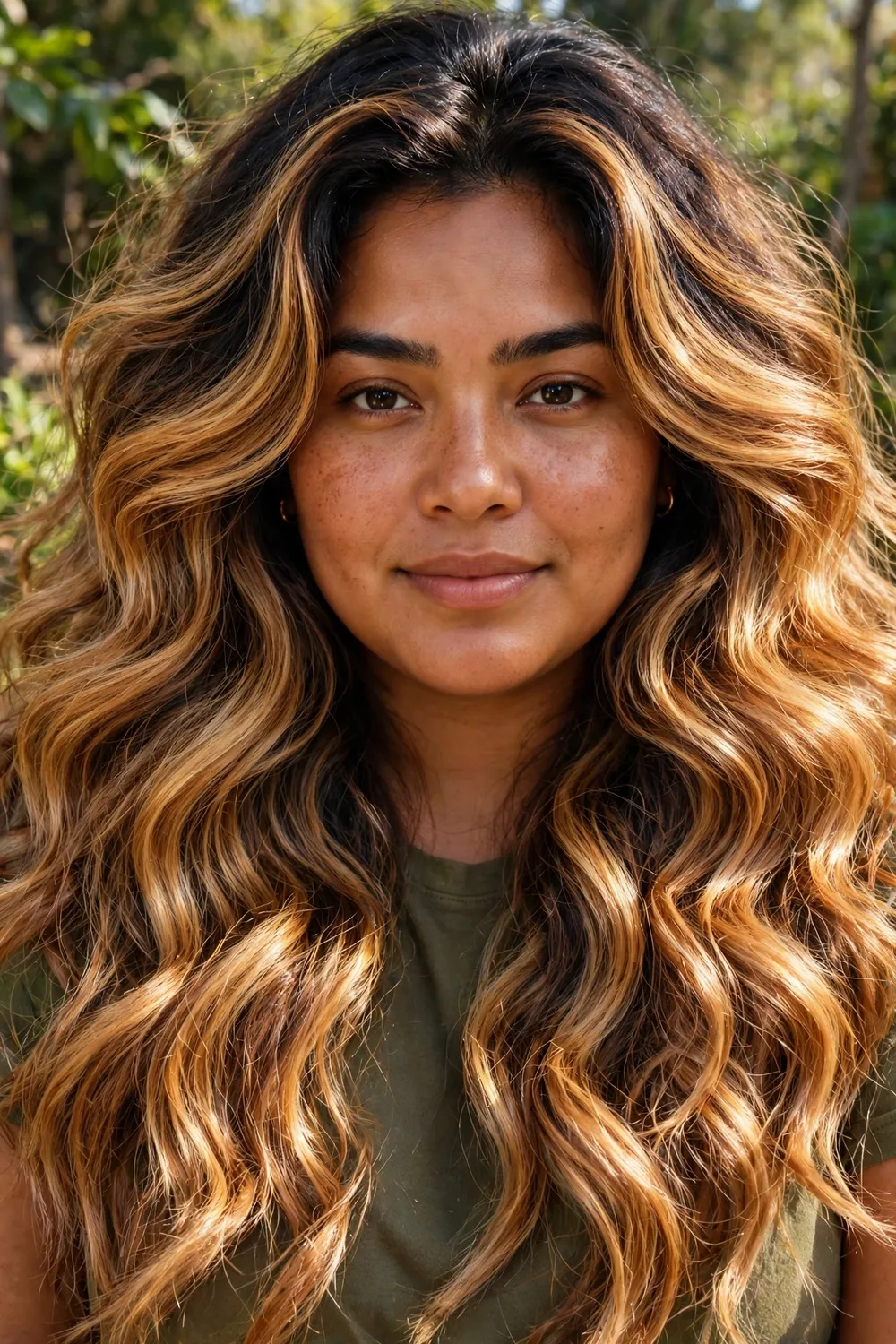
Thick hair swallows subtle colour whole, which is why this toffee is painted bolder and broader than a fine-hair balayage. Wide, saturated toffee panels are melted through the lengths so the colour actually shows when the hair moves, instead of disappearing inside the bulk. It suits dark brown to black-brown bases and warm skin tones, and it suits very thick, heavy hair well. Ask your colourist to lift to a level 7 toffee with a warm gloss, taking thicker sections than usual and blending the top of each piece so there is no stripe where the lightener starts. A blow-dry with a large round brush or loose waves shows the melt best. Book a gloss every six weeks, because thick hair fades unevenly and the ends dry out faster.
27. Caramel Ribbon Balayage for Fine Hair
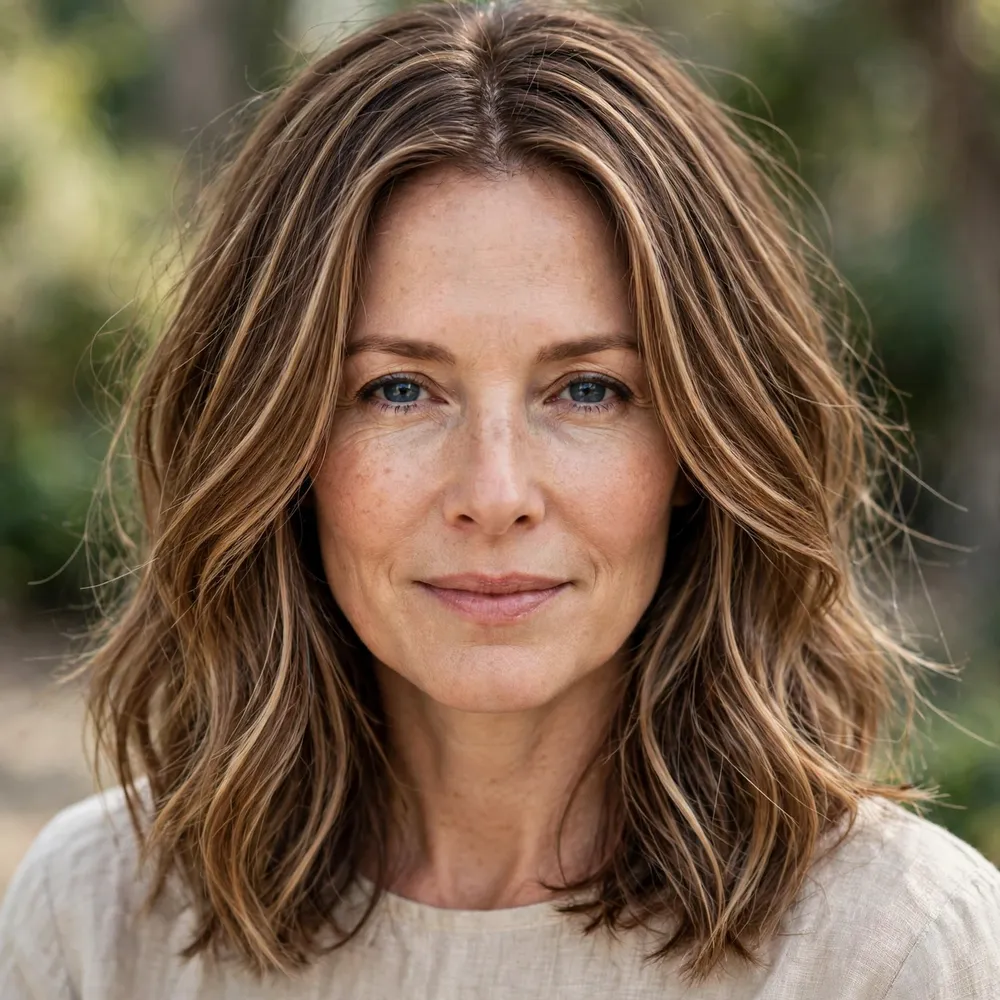
Fine hair needs the opposite approach to thick hair: thin ribbons, placed carefully, so the colour adds the illusion of fullness instead of weighing the hair down. Here the caramel is painted in slim, feathered pieces — mostly through the top layers and around the face — which make fine strands look denser. It suits light to medium brown bases and suits warm or neutral skin tones; on very dark hair the contrast can look stark, so keep the caramel close to the base. Ask for a level 8 caramel in fine weaves with a soft root shadow, and skip heavy lowlights, which can make fine hair look thinner. Gloss every eight weeks, and go easy on oils — they flatten fine hair fast.
28. Reverse Balayage with Warm Ends
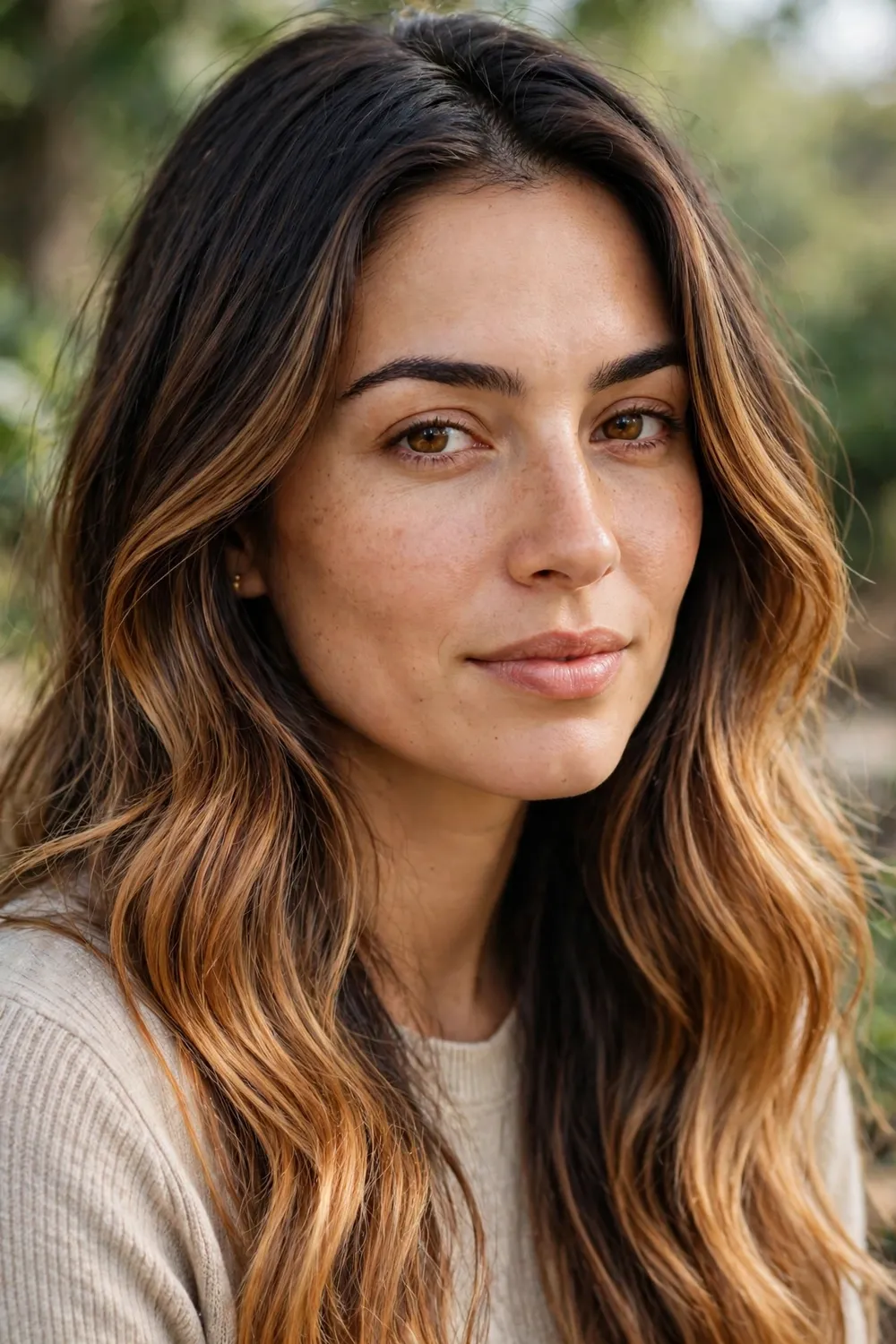
Reverse balayage is the fix for hair that has gone too light, too blonde, or too washed out — instead of adding more lightness, the colourist paints lowlights back in. Darker caramel-brown pieces are worked through the roots and mid-lengths to restore depth and dimension, while the ends keep their warm caramel brightness. It suits anyone whose balayage has grown out too blonde, Ask for lowlights one to two levels darker than your natural base, placed in the under-layers and around the crown, with the existing light ends toned warm so the two tones meet cleanly. Because it adds colour rather than removing it, the upkeep is gentle: a gloss every eight weeks and no harsh grow-out line to chase.
29. Chai Latte Brunette Blend
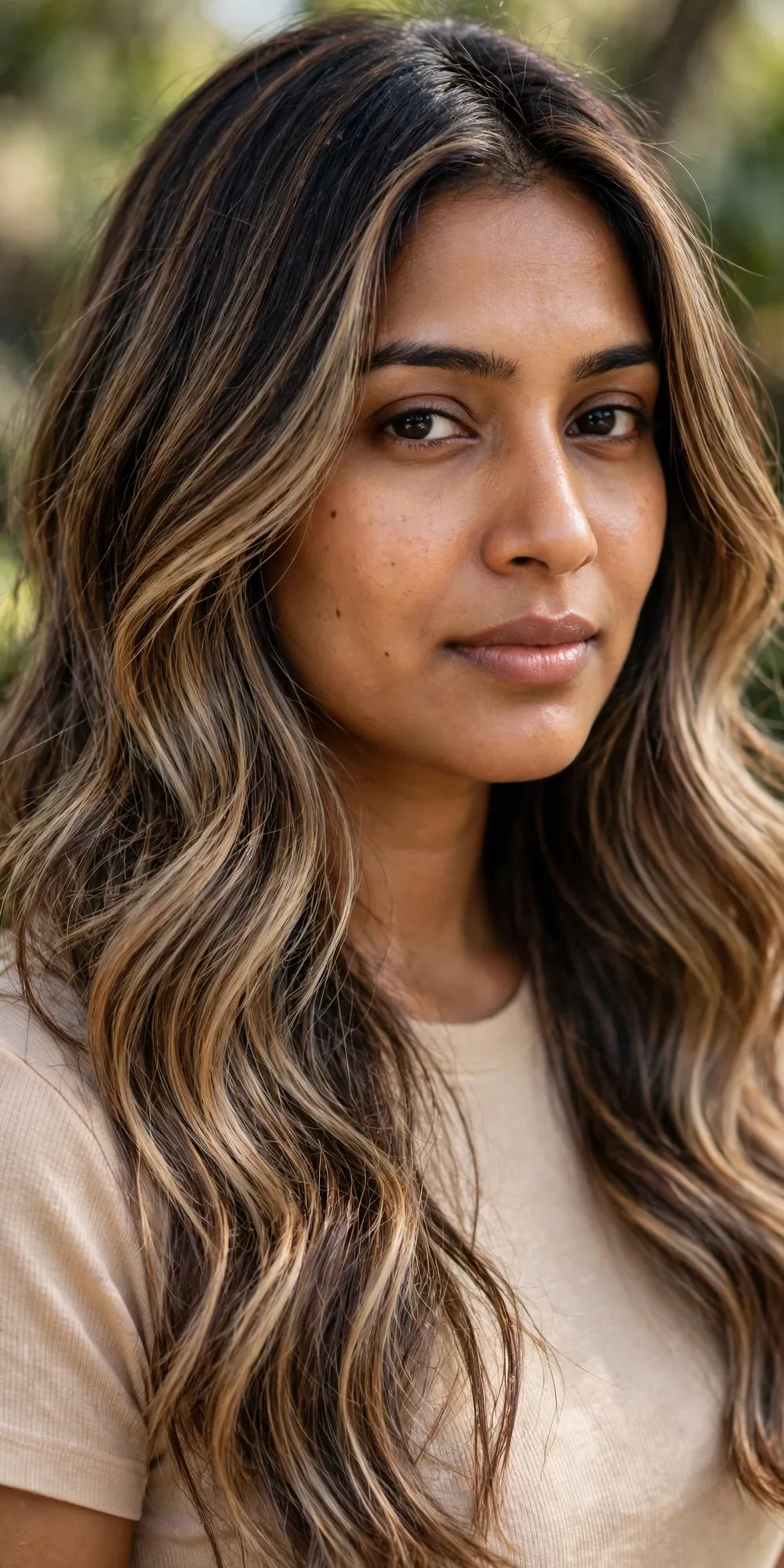
If caramel feels too golden and ash feels too cold, chai latte sits right in between — spiced, creamy and warm without tipping orange. The blend mixes beige, milky caramel and a whisper of cinnamon through a medium-brown base, so the colour reads soft and expensive rather than loud. It flatters neutral and warm skin tones, and it is especially kind to medium-brown hair that tends to pull brassy, Ask your colourist for a level 7 to 8 blend with a beige-caramel gloss, painted in fine sections through the mid-lengths and ends with a few pieces around the face. Gloss every six to eight weeks; the beige tone is the first thing to fade, so do not skip it.
30. High-Contrast Caramel Face Frame
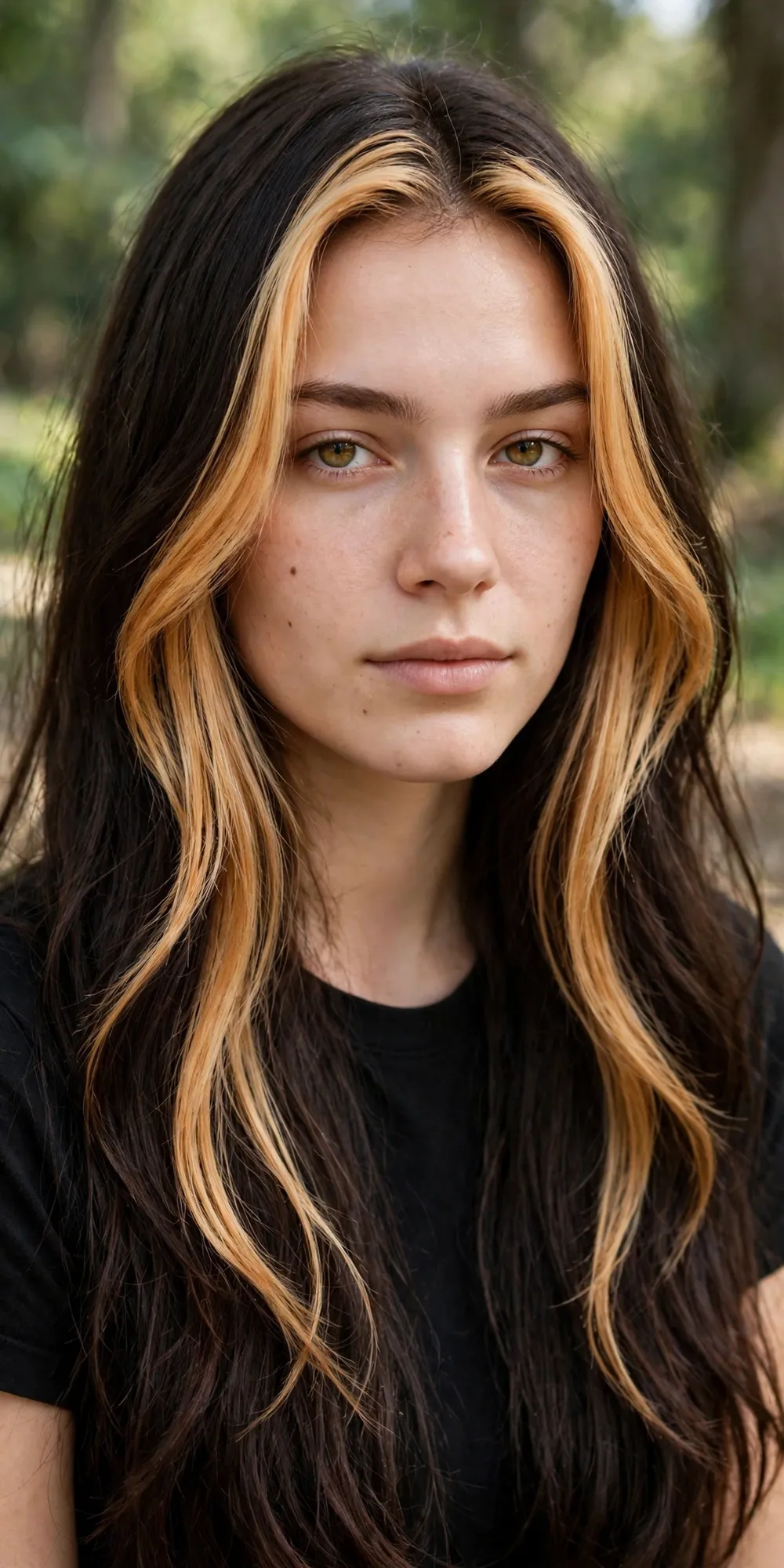
This one is not subtle, and that is the point. Two bold, bright caramel panels frame the face against a deep brunette base, giving the same lift as a full balayage with a fraction of the upkeep, since the back stays dark. It suits dark brown bases best, where the contrast is strongest, Ask for the front pieces lifted to a level 8 or 9 caramel with a golden gloss, kept close to the face and slightly wider at the cheekbone, while the rest of the hair gets only a few soft pieces. The face frame fades fastest because it gets the most sun and washing, so plan a gloss every six weeks and a toner refresh if it starts going yellow.
31. Soft Golden Balayage on Layered Curls
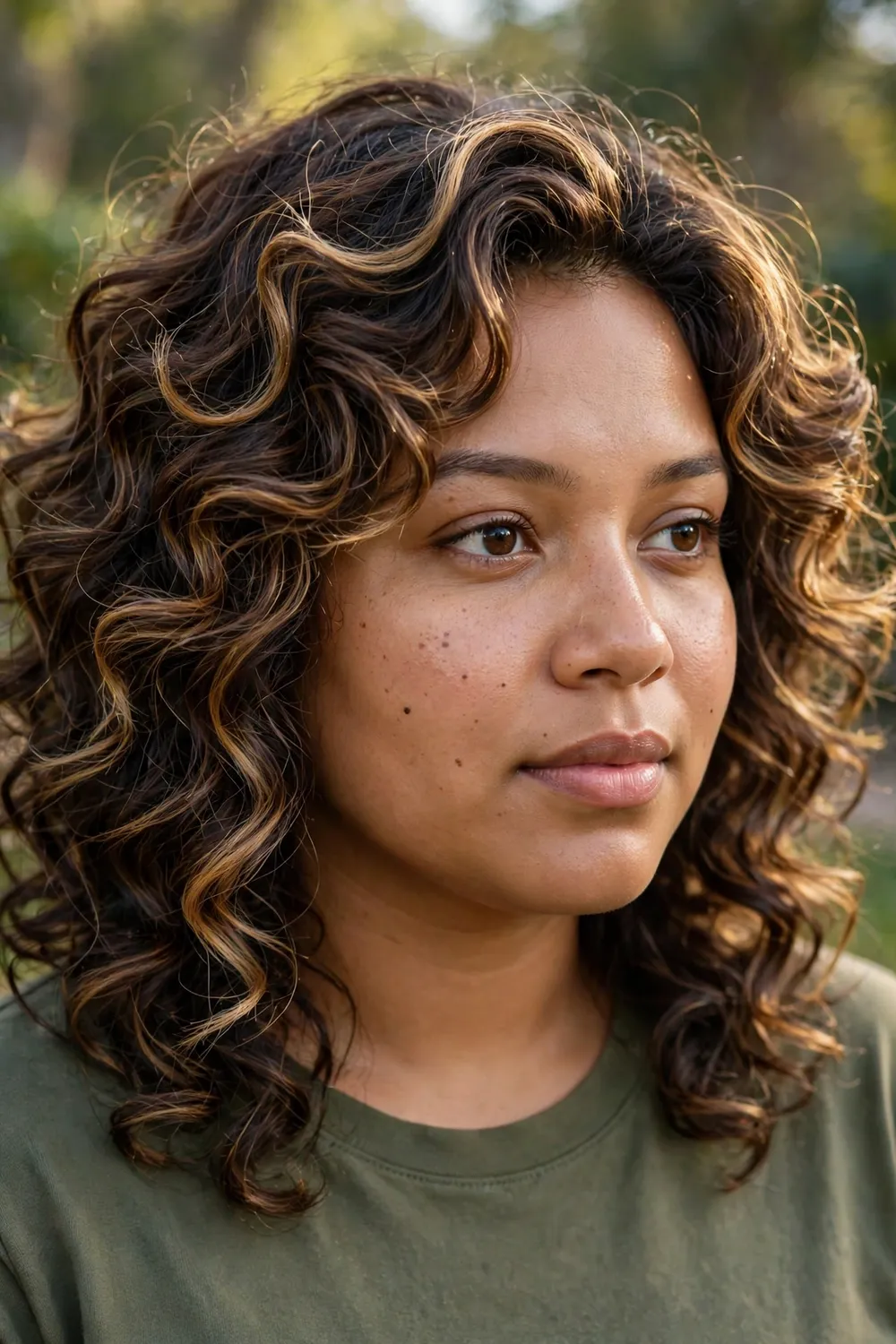
Curls and balayage are a natural match, because each curl catches the light differently and the colour shifts as the hair moves. Here the gold is painted softly through layered curls — following the curl clumps. It suits medium to dark brown curly hair, warm and neutral skin tones, and curl patterns from loose waves to tighter ringlets; layers are essential, because they stop the colour from pooling at the bottom. Ask your colourist to paint the gold on dry, styled curls where possible, lifting to a level 8 honey-gold with a warm gloss, and to keep the pieces finer near the roots. Gloss every eight weeks, and deep-condition regularly — curly hair dries out faster after lightening, and dry curls make the colour look dull.
32. Cocoa and Caramel Midshaft Blend
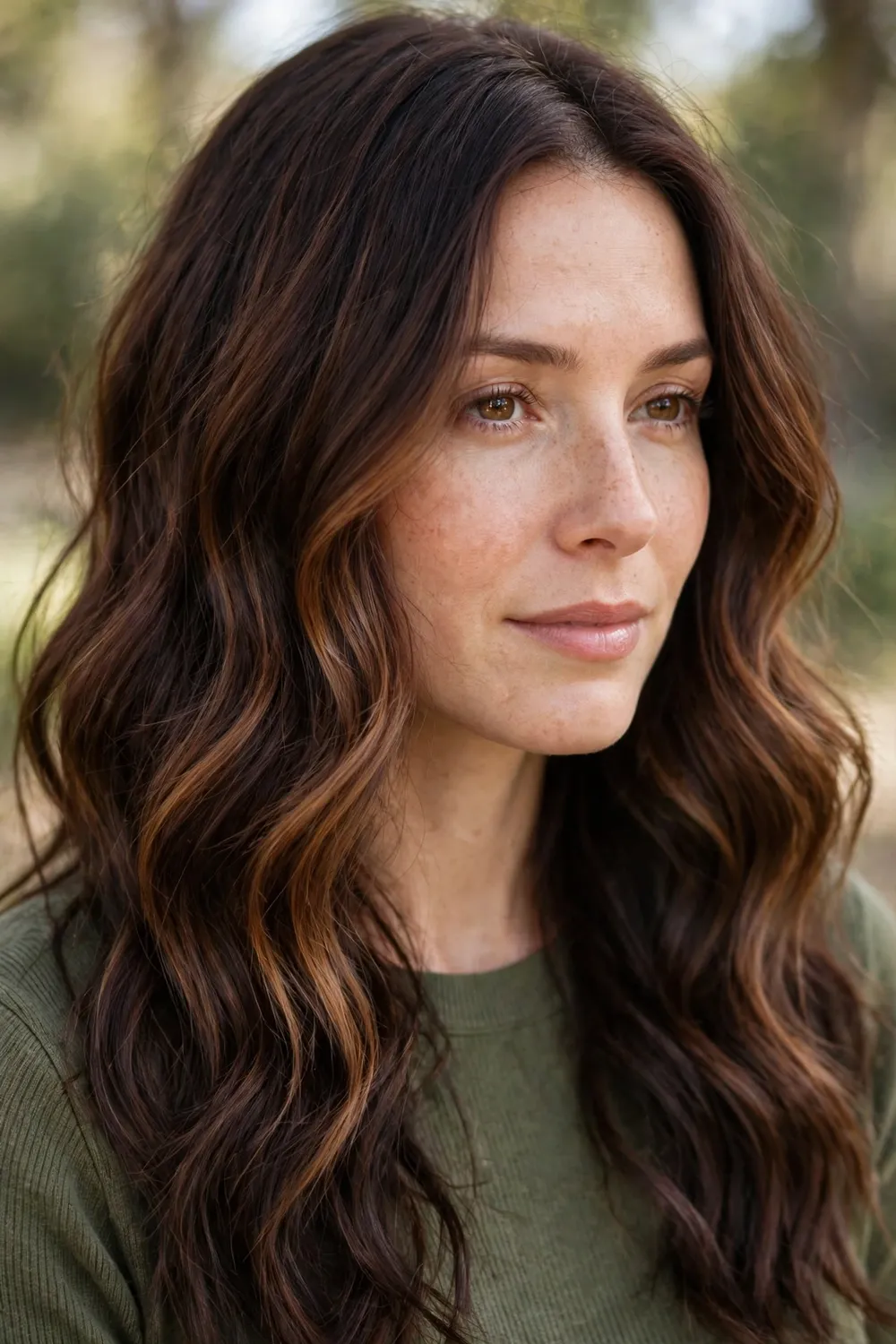
Most balayage focuses on the ends, but this one puts the colour in the middle — caramel is painted through the midshaft while the roots stay deep cocoa and the ends are left mostly alone. The result is a ribbon of warmth that shows when the hair moves, It suits dark brown bases and warm skin tones, and it works well on straight and wavy hair. Ask for caramel at level 7 to 8, painted in the middle third of the hair with a soft blend at both ends of each piece, and a warm gloss to tie it to the cocoa base. Maintenance is light: the ends are untouched, so the colour fades slowly, and a gloss every eight weeks is usually enough.
33. Vanilla-Toffee Ends on Brunette Hair
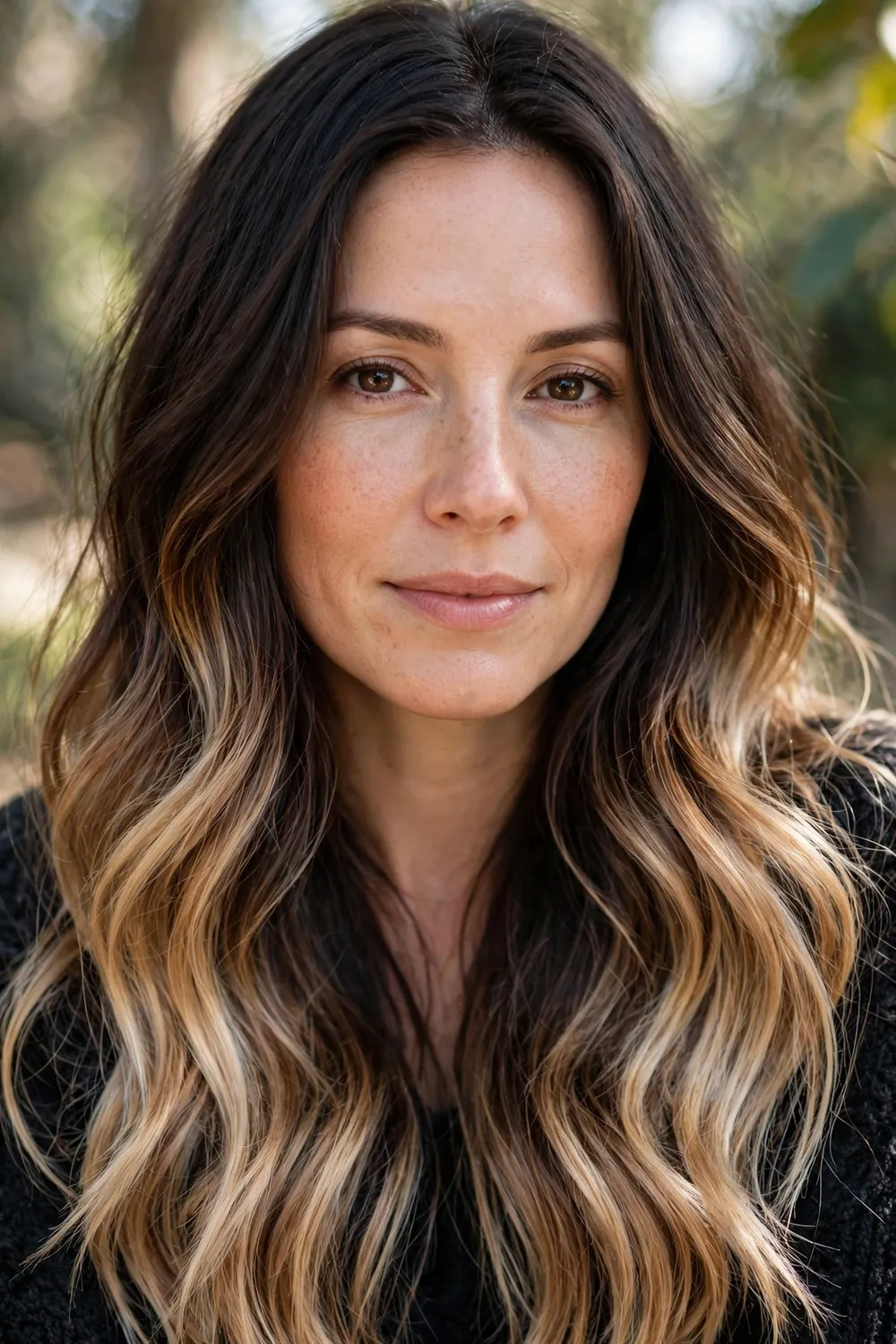
This is the creamiest end of the caramel family — the top of the hair stays a rich brunette while the ends melt into a pale vanilla-toffee It suits medium to dark brown bases and warm or neutral skin tones, and it looks best on longer hair, where there is enough length for the gradient to develop slowly rather than changing colour in an inch. Ask your colourist to lift the ends to a level 8 or 9 with a vanilla-beige toner, keeping the transition low — starting around the chin or below — so the dark top has room to breathe. The pale ends need the most care: gloss every six weeks, purple shampoo once a week at most, and regular trims so the lightest part never looks frazzled.
34. Glossy Auburn-Caramel Balance
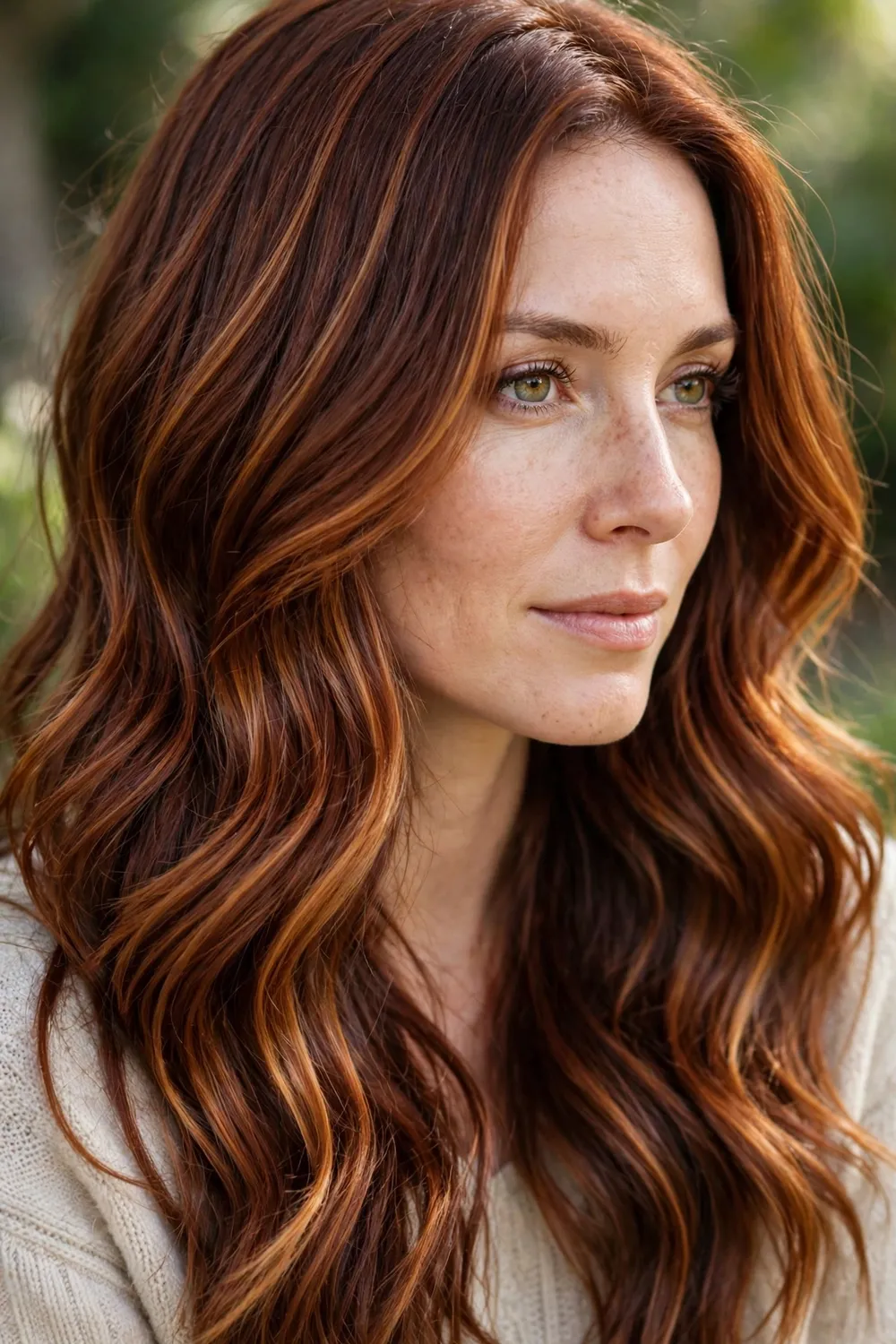
Auburn and caramel are cousins, and this style lets them share the hair without either one taking over. A deeper spiced auburn sits while caramel ribbons are painted over the top to keep the whole thing bright and wearable. It suits medium to dark brown bases, warm skin tones and anyone who has always liked the idea of red hair without committing to it; if you do want to go further into red, our Red Hair Color Ideas guide covers the full copper and auburn range. Ask your colourist for a level 6 auburn base gloss with caramel pieces at level 7 to 8, placed through the crown and around the face. Red tones fade fastest, so gloss every four to six weeks and wash in cool water.
35. Luxe Brunette Melt with Light Ends
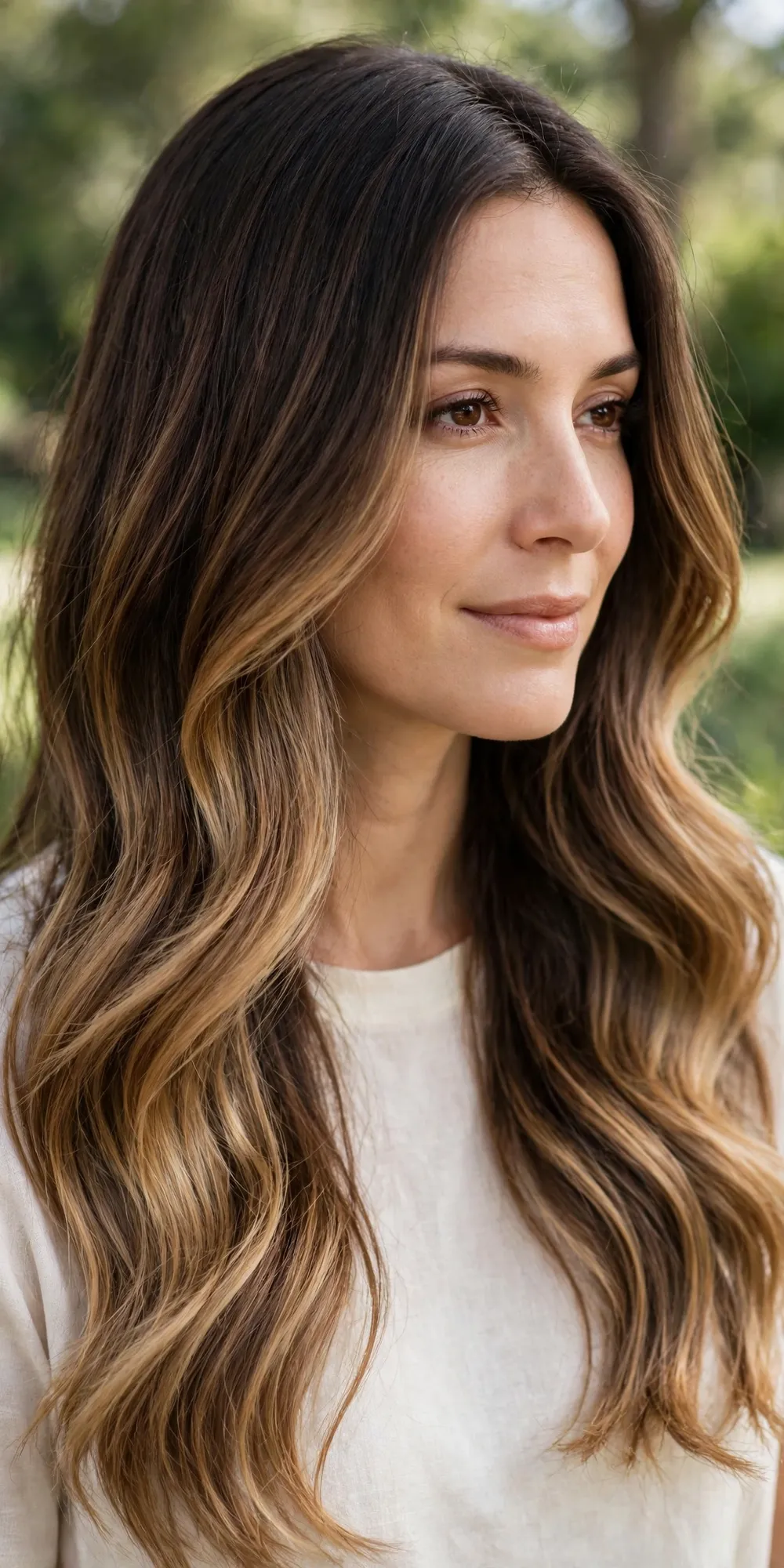
This is the polished, salon-poster version of balayage: a slow, seamless gradient from a deep brunette root to light, creamy ends, with no visible line anywhere along the way. It suits medium to dark brown bases and works on most skin tones, It looks best on long hair, where the melt has room to stretch out; our Long Hair guide has the cuts that show it off best. Ask for a root shadow in your natural level, a level 7 to 8 caramel through the mid-lengths, and level 9 ends with a creamy gloss, all blended with a brush. The ends are the palest part, so gloss every six weeks and keep heat protectant in the routine — fried ends ruin a melt faster than anything else.
Cool Ash and Grey Balayage
36. Smoky Espresso Melt
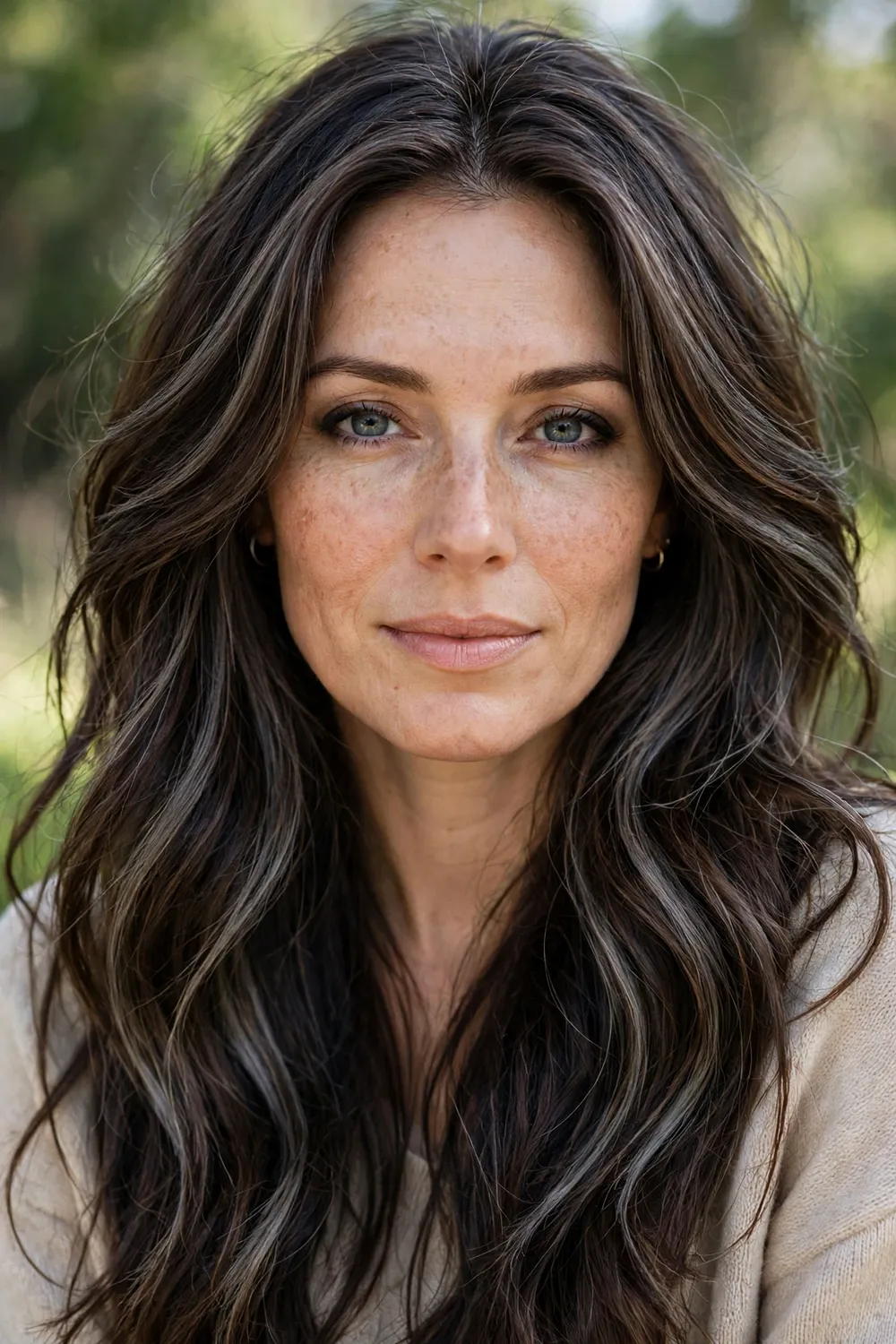
Cool balayage starts here for most brunettes, because it keeps the base dark and familiar while the grey stays subtle. Thin smoky-grey ribbons are painted through rich espresso hair, mostly in the lower half, so the colour reads as a cool shimmer rather than a statement. It suits dark brown to near-black bases and cool or neutral skin tones — the grey flatters pink and olive undertones in a way warm caramel never will. Ask your colourist to lift selected pieces to a level 8 or 9 and tone them ash-grey, keeping the ribbons fine and the root untouched so the grow-out stays invisible. The ash tone fades fastest, so plan a cool gloss every four to six weeks and use purple shampoo sparingly — once a week is plenty.
37. Charcoal Ribbon Balayage
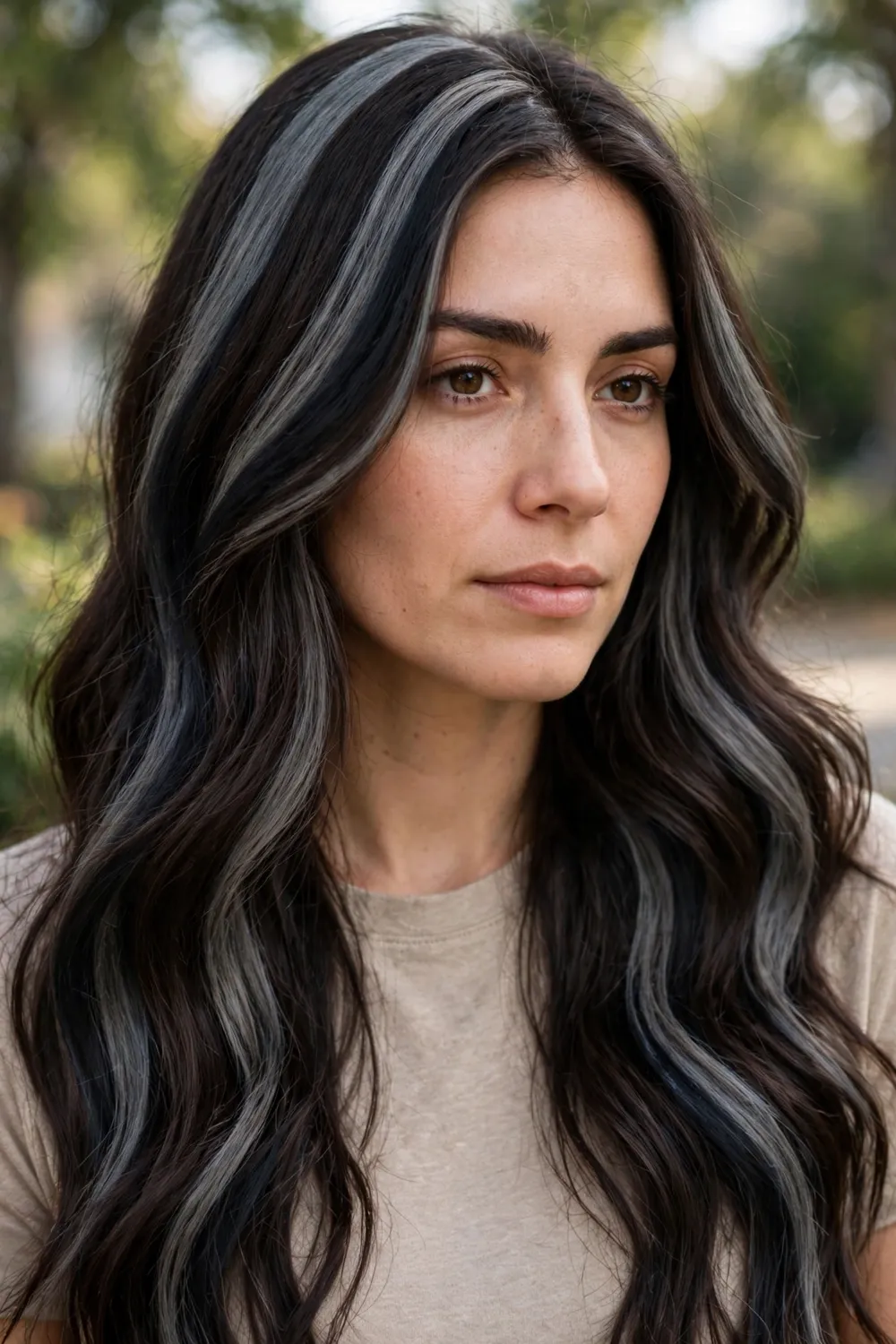
Charcoal is the boldest cool option in this list, and it works because the contrast is deliberate rather than accidental. Wide, graphic charcoal ribbons are painted over dark brown hair, giving a smoky, almost metallic depth that changes as the light moves across it. It suits dark brown and black-brown bases and cool skin tones, and it looks best on straight or gently waved hair, where the ribbons stay visible instead of breaking up in curls. Ask for the pieces lifted to a level 8 and toned with a charcoal-grey gloss, placed in wider sections than a normal balayage, with a soft blend at the top so nothing looks striped. Cool gloss every four to six weeks is non-negotiable here — once the grey washes out, charcoal turns muddy fast.
38. Mushroom Brunette with a Grey Veil
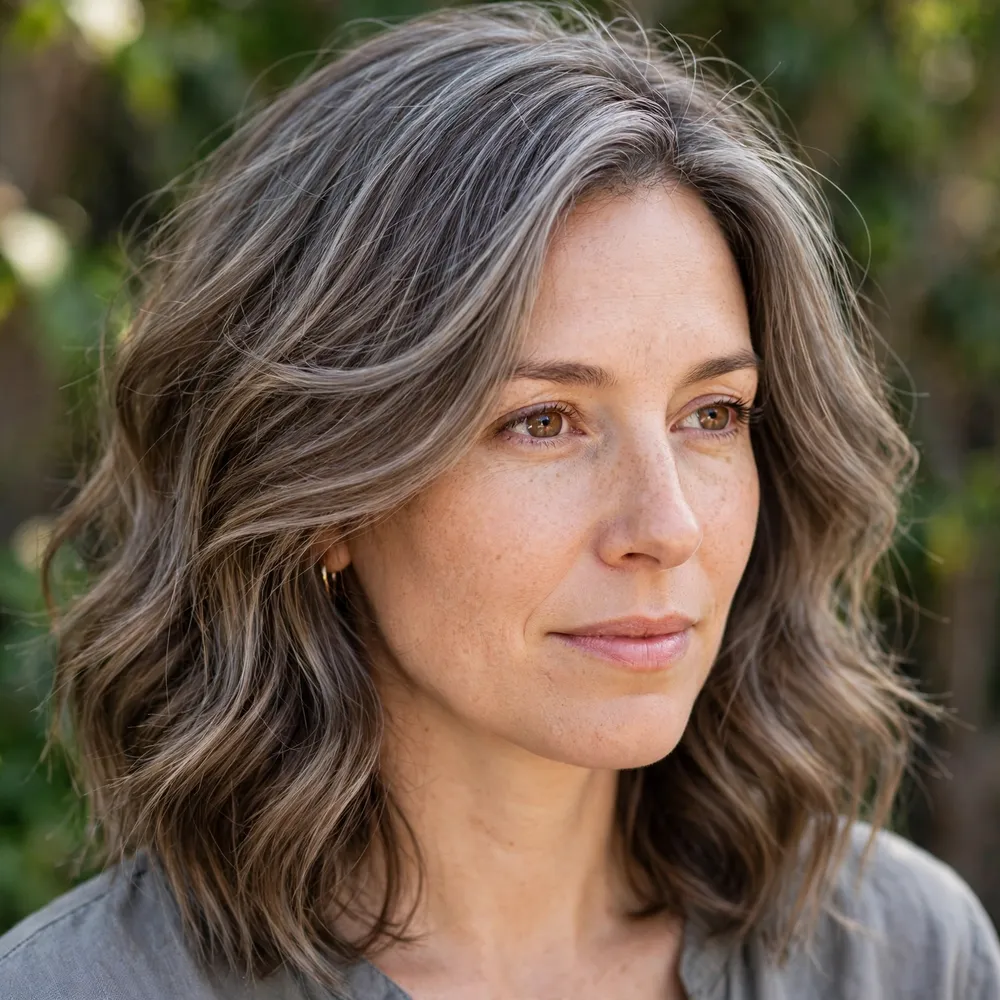
Mushroom brown is the colour that sits between brown and grey and belongs to neither, and the grey veil on top is what makes it look intentional. The base is a muted, ashy mushroom brown, and a thin veil of silver-grey is painted through the top layers so the whole head has a soft, smoky glow. It suits medium to dark brown bases and cool or neutral skin tones, and it is a good choice for anyone whose hair pulls warm no matter what — the mushroom base neutralises the warmth . Ask your colourist for a level 6 to 7 mushroom base with a grey-silver gloss, painted in fine weaves through the crown and ends. Gloss every six weeks to keep the grey from sliding green or yellow.
39. Ash Money Piece and Dark Brown Lengths

This is the cool version of the face frame: two bright ash panels at the front, everything else left a deep, untouched dark brown. The contrast is striking — the ash lights up the face while the dark lengths keep the look grounded and low-maintenance. It suits dark brown bases and cool or neutral skin tones, Ask for the front pieces lifted to a level 9 and toned icy ash, kept close to the face and slightly wider at the cheekbone, with the rest of the hair left dark. The front pieces fade and yellow faster than the rest of the hair, so keep a purple shampoo in the shower for once-a-week use and book a cool gloss every four to six weeks.
40. Silver Ombré on Chocolate Brown
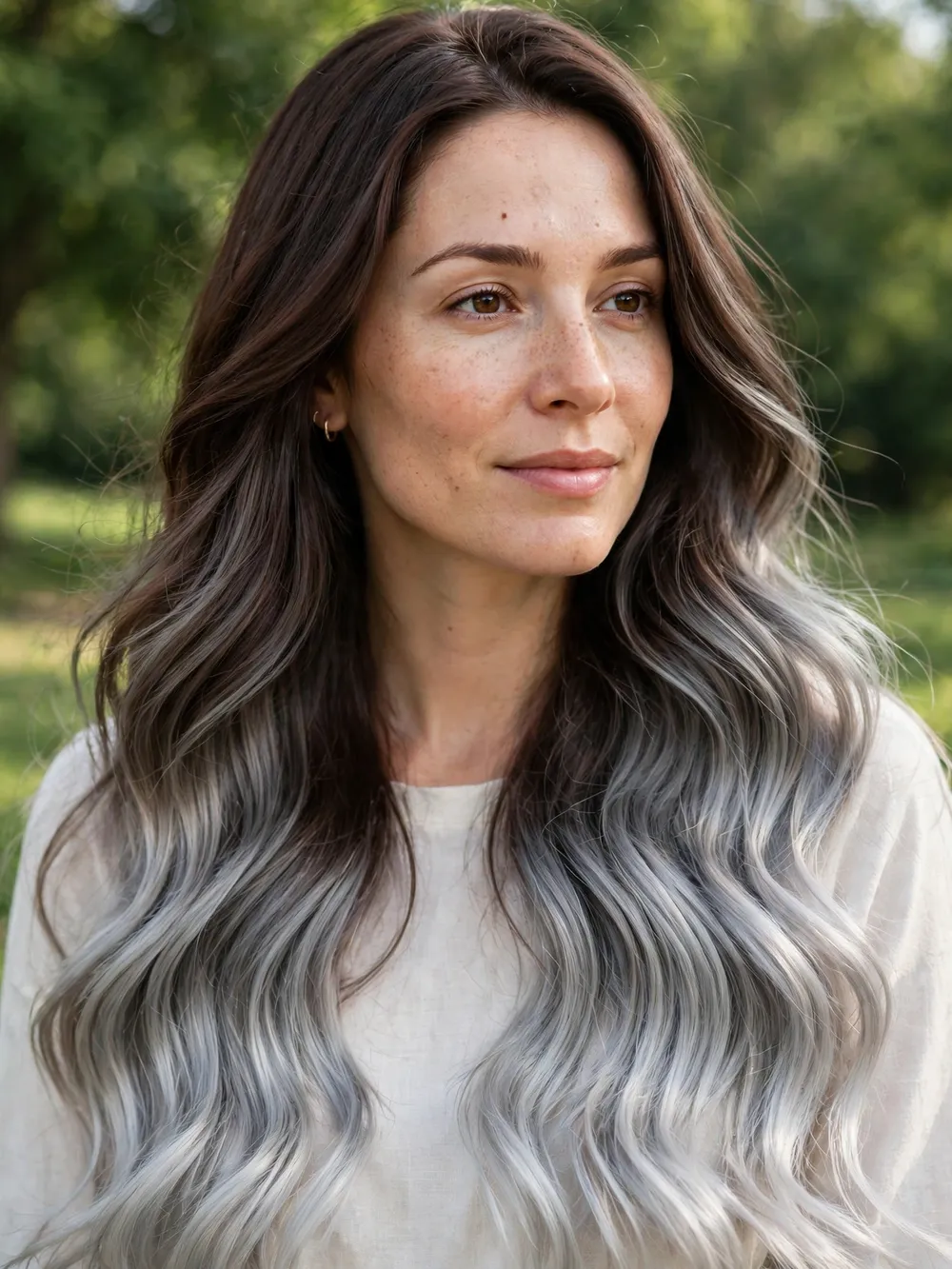
Silver and chocolate sound like they should clash, but the ombré placement is what makes them work — the colour moves gradually from a rich chocolate root into a clean silver fade, so the eye reads it as one long gradient rather than two colours fighting. It suits medium to dark brown bases and cool skin tones, and it needs length: shoulder-length or longer gives the fade room to develop. Ask your colourist to keep the chocolate root deep, lift the ends to a level 9 or 10, and tone them silver with a violet-based gloss so the ends stay icy rather than yellow. Silver is the highest-maintenance colour here — gloss every four weeks, purple shampoo weekly, and expect the ends to need regular trims.
41. Graphite Peekaboo Layers
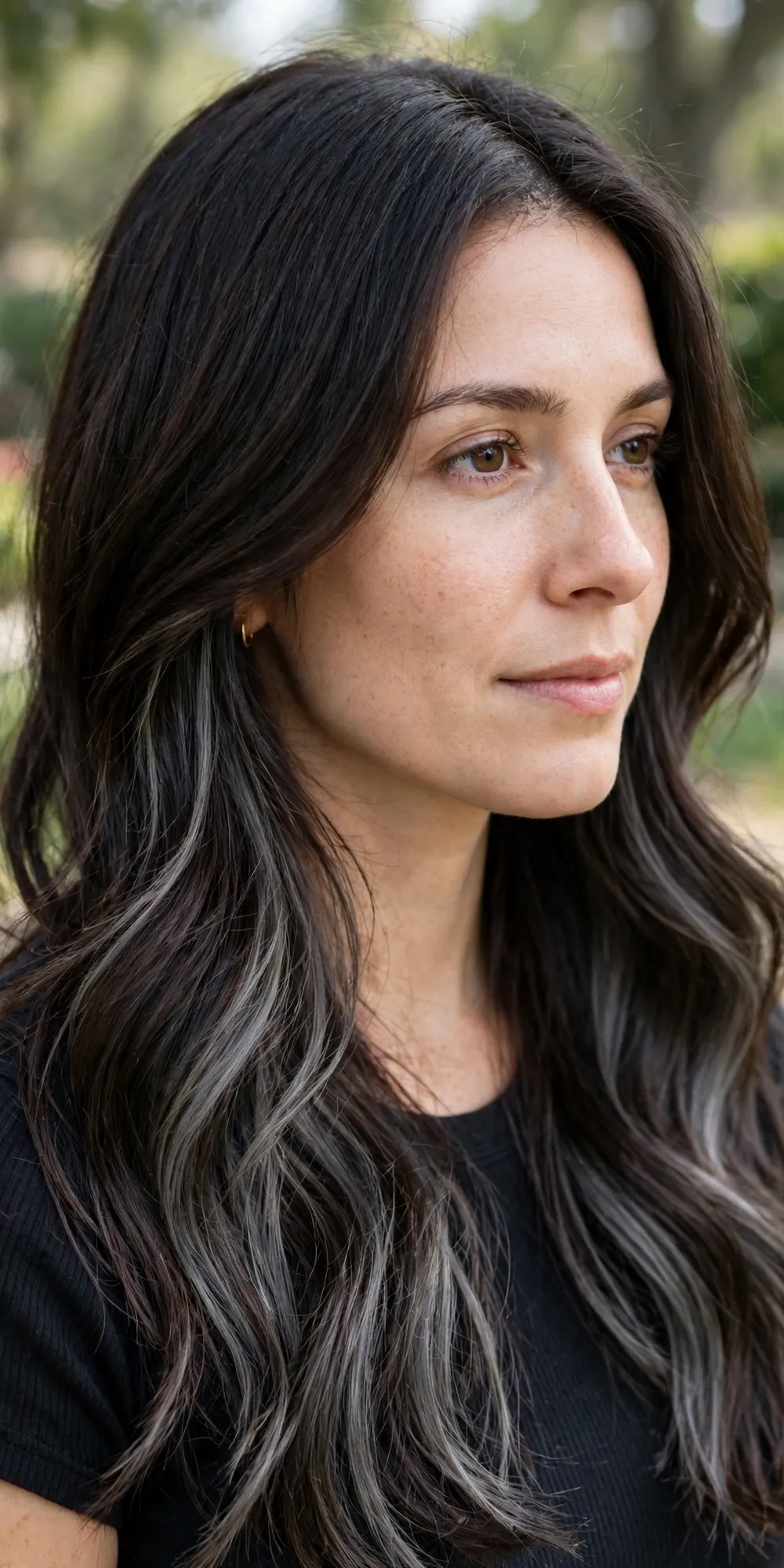
Peekaboo colour is the quiet way to wear grey: the graphite sits in the under-layers, hidden when the hair hangs still and flashing silver-grey every time it moves. It suits dark brown to black hair and cool skin tones, and it is ideal for anyone who wants cool colour without their workplace or family seeing it all the time. Ask your colourist to lift the under-layers to a level 8 or 9 and tone them graphite grey, keeping the top layer completely untouched so the coverage is total when the hair is down and still. Maintenance is easy because the colour is protected under the top layer — a gloss every six to eight weeks, mostly to keep the graphite from fading to a dull brown.
42. Slate Balayage on Curls
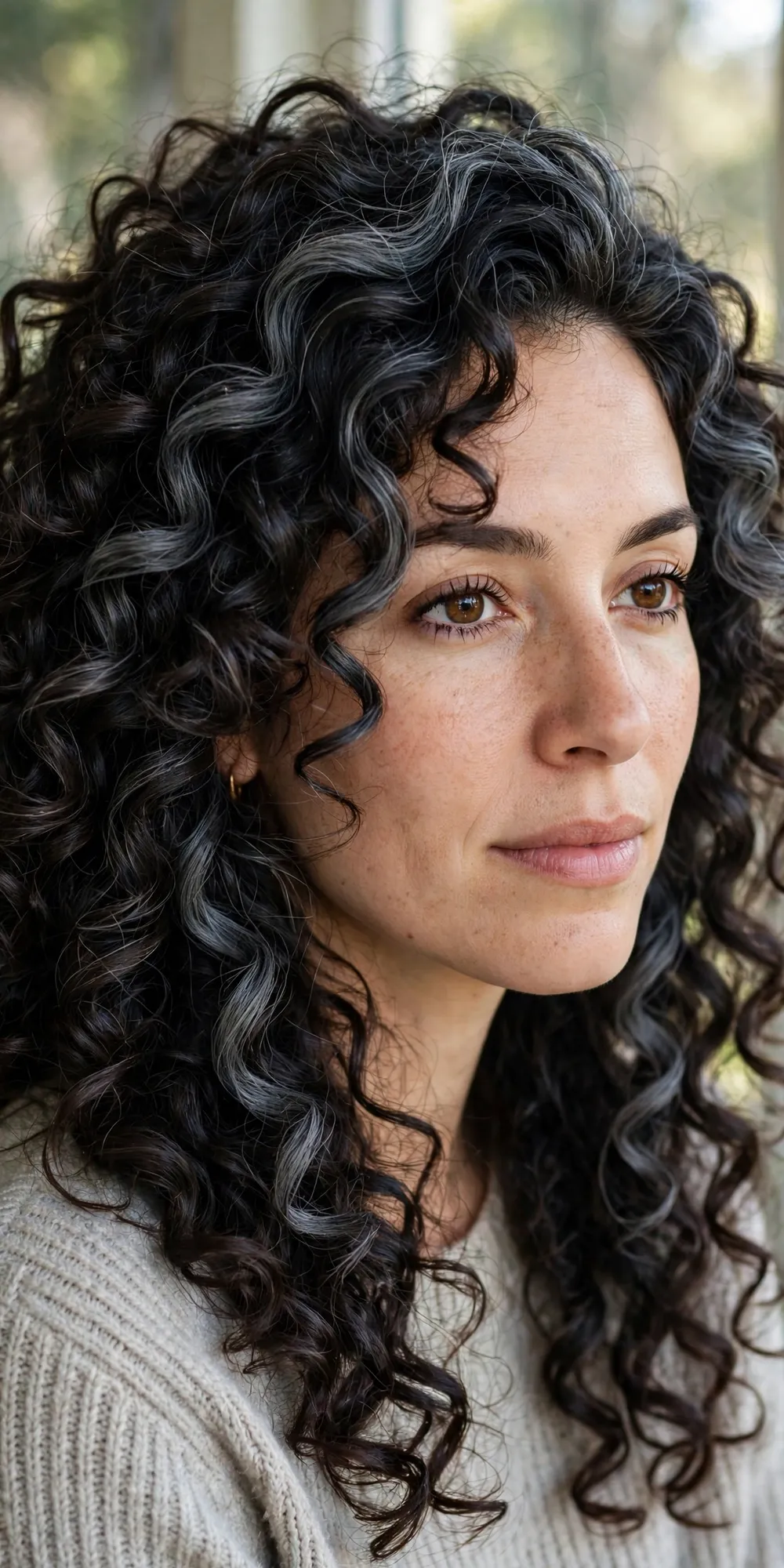
Slate is a blue-grey that works beautifully on curls, because each curl picks up the colour differently. Slate pieces are painted onto curl clumps through medium to dark brown hair, so the grey-blue flashes as the curls move and the base keeps the look grounded. It suits cool and neutral skin tones and curl patterns from loose waves to tight ringlets; layers help, Ask your colourist to paint the slate on dry, styled curls, lifting to a level 8 or 9 with a slate-grey toner, and to keep the pieces finer near the roots. Gloss every six weeks — slate fades toward green if the toner is left too long, so do not skip the refresh.
43. Storm Cloud Balayage
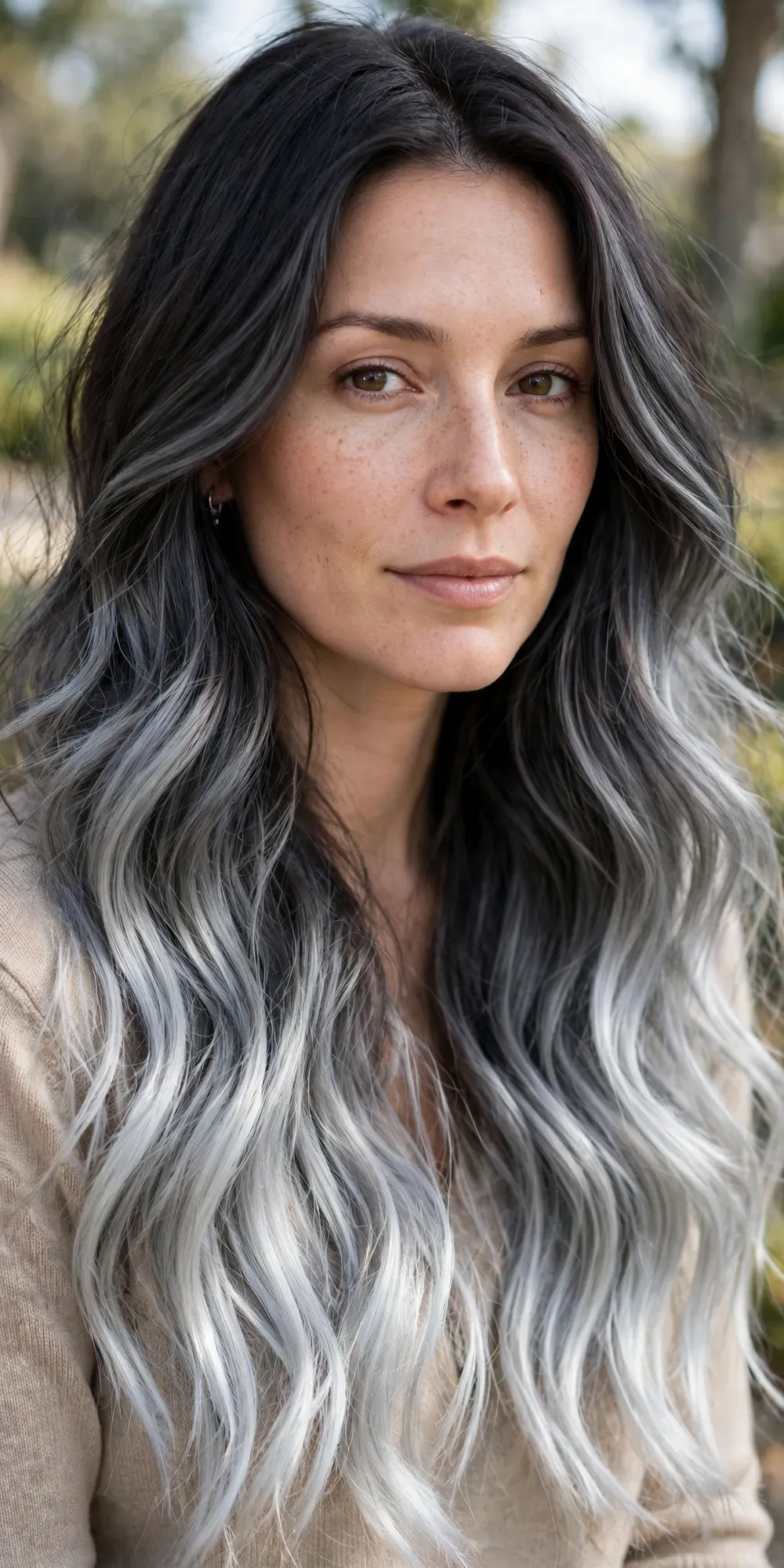
Storm cloud is the moodiest style in this list: graphite mids that shift into bright silver ends, The darkest part sits in the middle rather than at the root, so the grow-out stays soft. It suits dark brown bases and cool skin tones, and it looks best on long hair with a natural wave, where the mids and ends have space to change colour gradually. Ask your colourist for graphite mids at level 7 to 8 and silver ends at level 9 or 10, blended with a brush so the two tones melt into each other rather than meeting in a line. Silver ends need a gloss every four weeks and weekly purple shampoo, and the ends will need regular trims to stay bright.
44. Cool Mushroom Bob
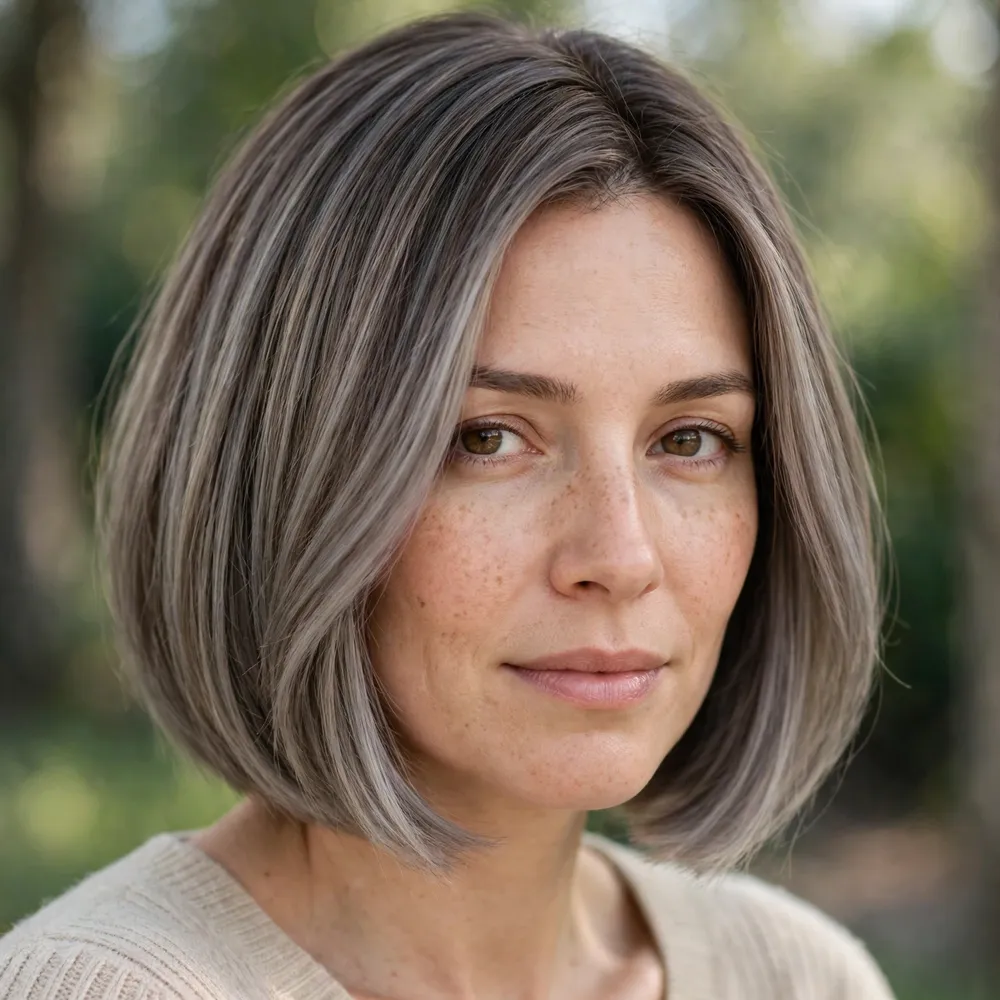
Short hair and cool balayage are a strong combination, because the colour has nowhere to hide — and on a neat bob, that precision looks deliberate. Muted mushroom-grey balayage is painted through a chin-length bob on a medium to dark brown base, giving the cut a smoky, modern edge without needing length to show the gradient. It suits cool and neutral skin tones, straight to wavy hair, and round or oval faces, Ask your colourist for a level 6 to 7 mushroom base with a grey gloss, painted in fine pieces through the top and ends with a soft root shadow. Gloss every six weeks, and keep the bob trimmed — cool colour on grown-out ends looks tired fast.
45. Dusty Silver Lob
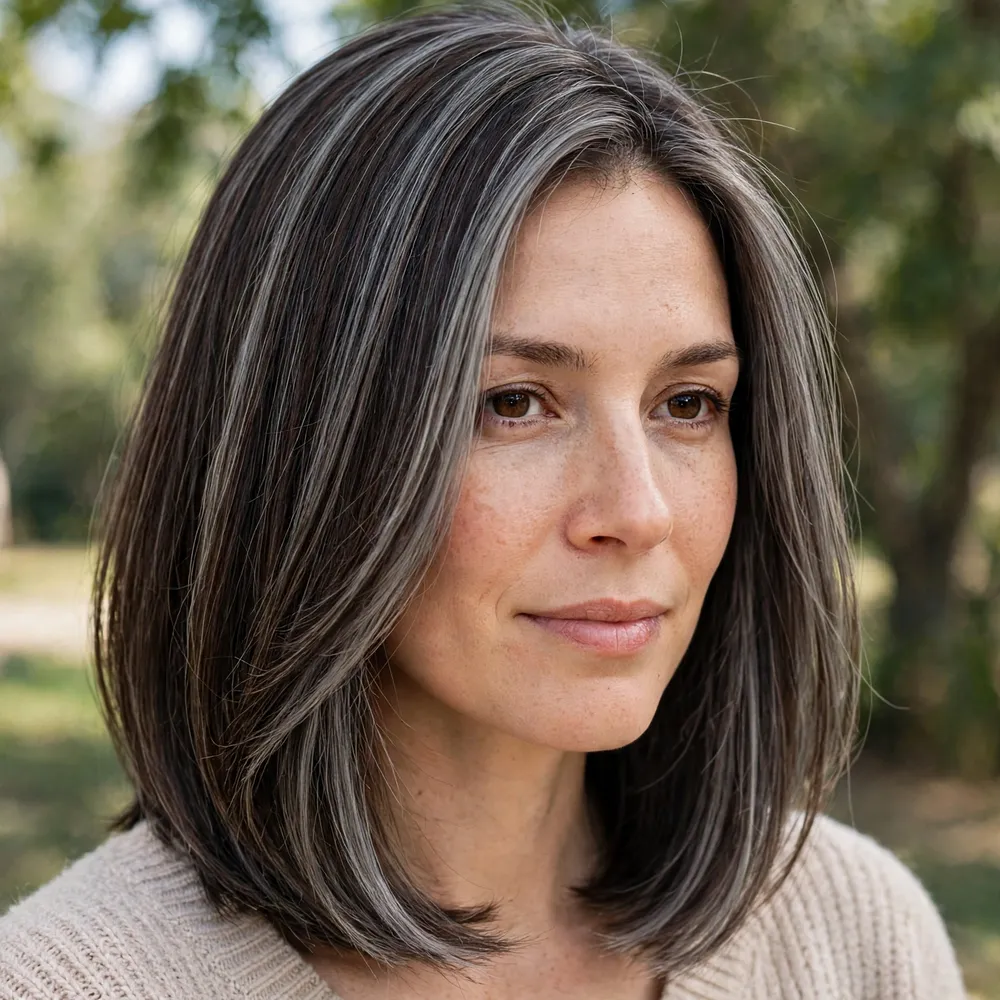
Dusty silver is silver with the shine turned down — softer, hazier, and easier to wear than the bright metallic silvers. It is dusted over a shoulder-length lob on a medium to dark brown base, mostly through the mid-lengths and ends, so the colour reads as a cool shimmer rather than a solid block. It suits cool and neutral skin tones and straight to wavy hair; the lob length is ideal, Ask your colourist to lift the pieces to a level 9 and tone them with a dusty silver gloss, keeping the root shadow soft so the grow-out stays gentle. Gloss every four to six weeks and use purple shampoo once a week — dusty silver yellows quietly, and you will only notice once it is already warm.
46. Frosted Cocoa Halo
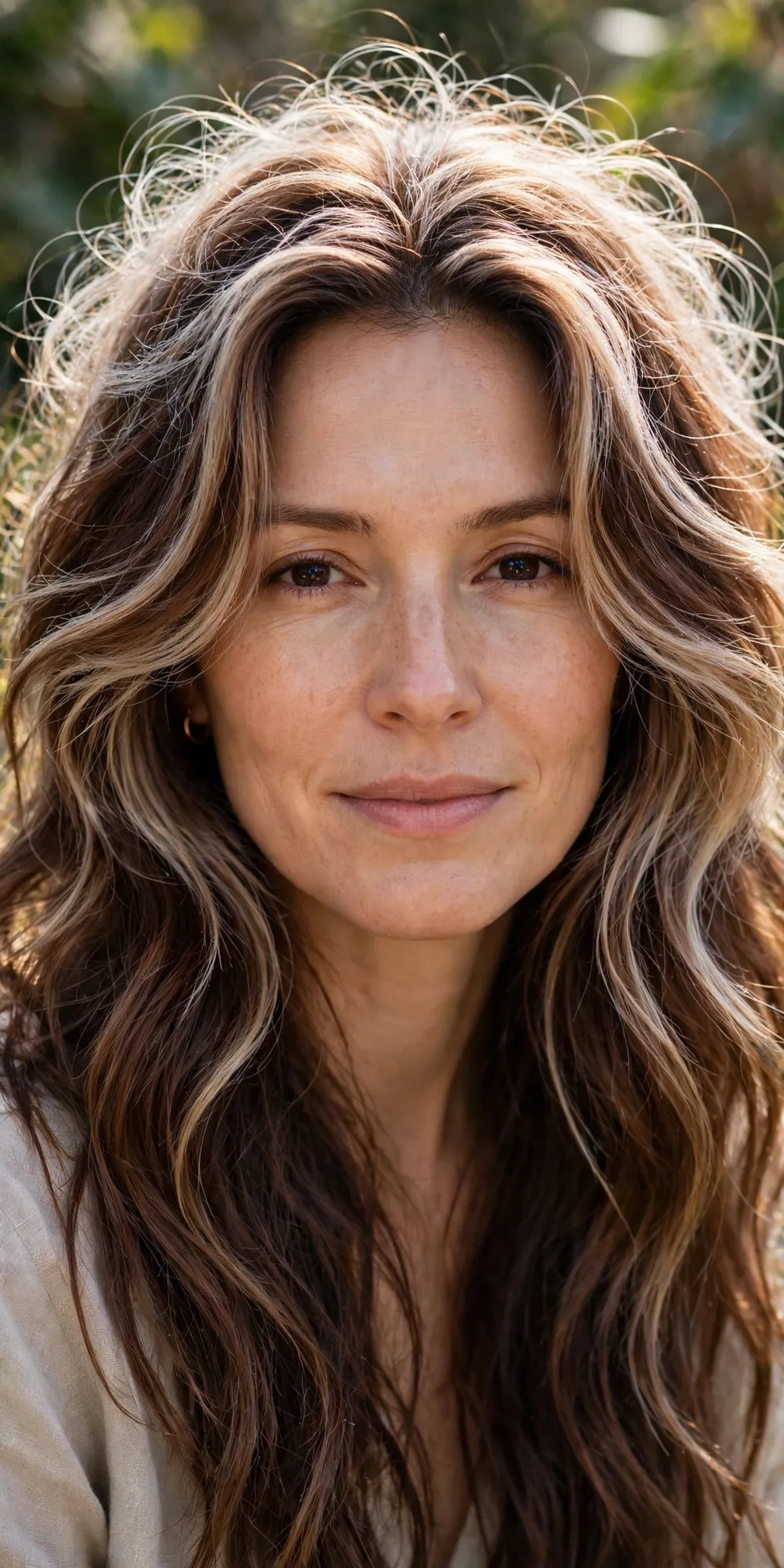
The last idea is the gentlest cool option here, and a good place to end if you want grey without going all in. Frosted lighter pieces are painted around the face and crown over a cocoa-brown base, while the rest stays warm and dark. It suits medium to dark brown bases and neutral skin tones — the cocoa keeps it warm enough for people who find full ash too stark. Ask your colourist for frosted pieces at level 8 with a cool-beige gloss, concentrated around the face and the crown where the light naturally hits, with the back left mostly cocoa. Maintenance is the easiest of the cool styles: a gloss every eight weeks, purple shampoo every second wash, and no harsh grow-out line to worry about.
How to Choose the Right Balayage for You
Start with your skin tone, because that decides warm versus cool faster than anything else. If your veins look green, gold jewellery suits you and your skin tans easily, you are warm — caramel, honey, toffee and auburn will flatter you, and ash will probably wash you out. If your veins look blue, silver jewellery suits you and you burn before you tan, you are cool — ash, mushroom, slate and silver are your tones, and heavy caramel can look orange against your skin. Neutral skin, where both metals work, is the lucky middle: you can wear either family, so choose by maintenance instead.
Your base colour matters just as much. Dark brown and near-black hair lifts beautifully to caramel and toffee in one session, but reaching pale silver or ash usually takes two visits — and your colourist should tell you that before they start, not halfway through. Light and medium brown bases have the easiest time with both families, since the lift is shorter and the hair takes less damage. Fine hair suits thin ribbons and soft contrast; thick hair needs bolder, wider pieces or the colour disappears. And be honest about maintenance: warm balayage forgives a skipped gloss, cool balayage does not — if you will not come back every four to six weeks, choose warm.
Warm vs cool, at a glance: warm balayage (caramel, honey, toffee, auburn) suits warm and neutral skin, lifts in one session on most brunettes, grows out softly and needs a gloss every six to eight weeks. Cool balayage (ash, mushroom, slate, silver, graphite) suits cool and neutral skin, often needs two sessions on dark hair, needs a gloss every four to six weeks plus purple shampoo, and fades toward yellow or green if neglected. Neither is better — the right one is the one that matches your skin and your calendar.
How to Ask Your Colourist for Balayage
Bring photos — three of them, ideally. One of the exact colour you want, one of the cut it sits on, and one of what you do not want. Colourists work from pictures far better than from words, and “caramel” means something different to every person in the chair. Use tone words your colourist will recognise: caramel and honey for golden warmth, toffee for a deeper golden brown, ash for a cool grey-brown, graphite for the darkest smoky grey. Then add placement words: face frame for the front pieces, root shadow or root melt for a soft blend at the top, money piece for two bold front panels, lowlights for darker pieces painted back in.
Ask the practical questions before the lightener goes on. Can we get there in one session, or will my base need two visits? How light will the ends go today, and what will the tone look like after the first wash? How often should I come back for a gloss, and what should I use at home between visits? A good colourist will answer all of that without hesitating — and if they promise platinum ends on black hair in a single afternoon, find another colourist. If your balayage sits on a layered cut, it helps to name the cut too: the Butterfly Haircut is one of the best partners for a caramel sweep, because its two lengths give the colour somewhere to live at every level.
How to Care for Balayage
Balayage is low-maintenance, not no-maintenance — the grow-out is forgiving, but the tone is not. Wash two to three times a week in lukewarm water with a sulphate-free shampoo, and always use conditioner on the lightened lengths, which dry out faster than your natural hair. Book a gloss every six to eight weeks for warm tones and every four to six weeks for cool tones; the gloss is what keeps caramel creamy and ash from turning yellow. Purple shampoo is a tool, not a routine — once a week at most for cool tones, and only when you can see warmth creeping back in. Use a heat protectant every single time you use a dryer or iron, because lightened ends fry faster than virgin hair, and get a trim every eight to twelve weeks so split ends do not travel up into the colour.
On cost: a full balayage typically runs $150–$450 depending on your length, thickness and salon, with the average around $193; a partial balayage or a face frame costs less. Touch-ups for tone and gloss fall every eight to twelve weeks, while full re-lightening is only needed every three to four months because the grow-out is soft. And one safety note: ask for a strand test and a patch test before your first colour appointment if you have never had lightener or dye before, or if you have sensitive skin — a small test now saves a bad reaction later.
5 Mistakes That Ruin Balayage
- Lifting too light, too fast. Chasing platinum ends on dark hair in one session leaves the hair orange, fragile or both. Lift in stages and let the toner do the work — the colour you want in two visits beats the damage from one aggressive one.
- Putting the brightness too high at the roots. Balayage is meant to start low and build toward the ends. Light pieces painted right up to the scalp grow out with a hard line in three weeks, and then you are back in the chair paying for a correction.
- Skipping the gloss or toner. The gloss is not an optional extra — it is what makes the colour look like the photo. Without it, caramel turns brassy, ash turns yellow, and the whole balayage looks unfinished within a fortnight.
- Over-styling with tight curls and heavy oils. Tight, uniform curls chop balayage into stripes, and heavy oils coat the hair so the dimension disappears under a greasy shine. Loose waves and a light serum show the colour off far better.
- Using purple shampoo every wash. Purple shampoo deposits pigment, and daily use builds it up until cool balayage turns dull, grey and flat — or worse, slightly lavender. Once a week is enough; if the tone needs more than that, you need a gloss, not more purple shampoo.
Frequently Asked Questions
How long does balayage last?
Three to four months before it needs re-lightening, because the colour is painted away from the roots and grows out without a hard line. The tone fades sooner than the lightness does, so most people book a gloss every six to eight weeks to keep the colour looking fresh between full appointments.
How much does balayage cost?
A full balayage typically costs $150–$450, with the average around $193. The price depends on your hair length and thickness, the salon, and whether you need one session or two to reach the tone you want. A partial balayage or a face frame costs less, and gloss appointments between full sessions are cheaper still.
What is the difference between balayage and ombré?
Balayage is how the colour is applied — hand-painted onto the hair in soft, sweeping strokes. Ombré is where the colour sits — a gradient that moves from dark at the roots to light at the ends. The two can be combined, and often are: many of the styles in this guide are balayage applied in an ombré placement.
Does balayage work on very dark brown hair?
Yes — caramel, toffee and honey lift beautifully on very dark brown hair, and the contrast is often the most striking. Very light ends may need two sessions to reach without damage, and a cool toner is essential so the lift does not settle into orange. Tell your colourist your end goal at the consultation so they can plan the lift properly.
Does balayage damage your hair?
Less than full foils, because the roots are skipped and less of the hair is lightened — but lightener still lifts the hair cuticle, so some dryness is normal. A bond builder during the service, deep conditioning afterwards and heat protectant every time you style will keep the damage minimal. If your hair is already fragile or heavily processed, talk to your colourist before booking.
How often do you need a balayage touch-up?
Every eight to twelve weeks for a tone or gloss refresh, which is what most people actually need. Full re-lightening only comes every three to four months, because the soft grow-out means there is no root line forcing you back into the chair sooner.
Is balayage still in style in 2026?
Yes — it is still one of the most requested colour services in salons, precisely because of its low-maintenance grow-out and sun-kissed dimension. It works on short hair, lobs and bobs as well as long hair, and the 2026 versions lean softer and more lived-in than the high-contrast looks of a few years ago.
Final Word
Balayage earns its popularity honestly: it is the rare colour that looks better as it grows out, suits almost every base colour and length, and asks very little of you between appointments. Pick the family that matches your skin tone, be honest about how often you will come back for a gloss, and bring photos to your colourist so the result in the mirror matches the one in your head. Start with one of the softer options if you are unsure — you can always go bolder next time. Browse more hair colour ideas on our blog