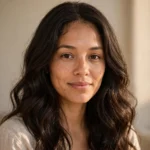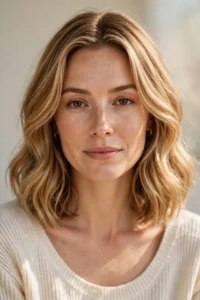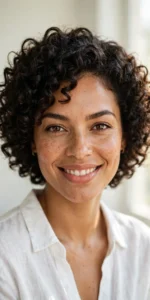



Blonde highlights are lighter strands woven through your hair to add brightness, movement and dimension without lightening the whole head. If you only try three looks from this list, start with these: Honey Face-Framing Ribbons, Caramel Balayage Through the Mid-Lengths, and Creamy Bronde Blend. Between them they cover warm, soft and lived-in blonde — and each one works on more skin tones and hair types than you’d expect.
What Are Blonde Highlights?
Highlights are fine sections of hair lifted a few shades lighter than your base, using foils, hand-painted balayage, or babylights — those whisper-fine strands that mimic how the sun naturally lightens hair. Unlike going full blonde, most of your natural colour stays put, so the grow-out is softer and the upkeep is gentler; and unlike balayage alone, which paints only the surface for a sun-kissed melt, traditional highlights can be placed right from the root for brightness exactly where you part your hair. A good colourist mixes the two — foils near the face, balayage through the lengths — to get lift that looks intentional rather than striped. If you want the science behind it, Hair coloring explains how lightener opens the hair shaft and what happens to the pigment inside.
Warm Honey & Caramel Highlights
1. Honey Face-Framing Ribbons
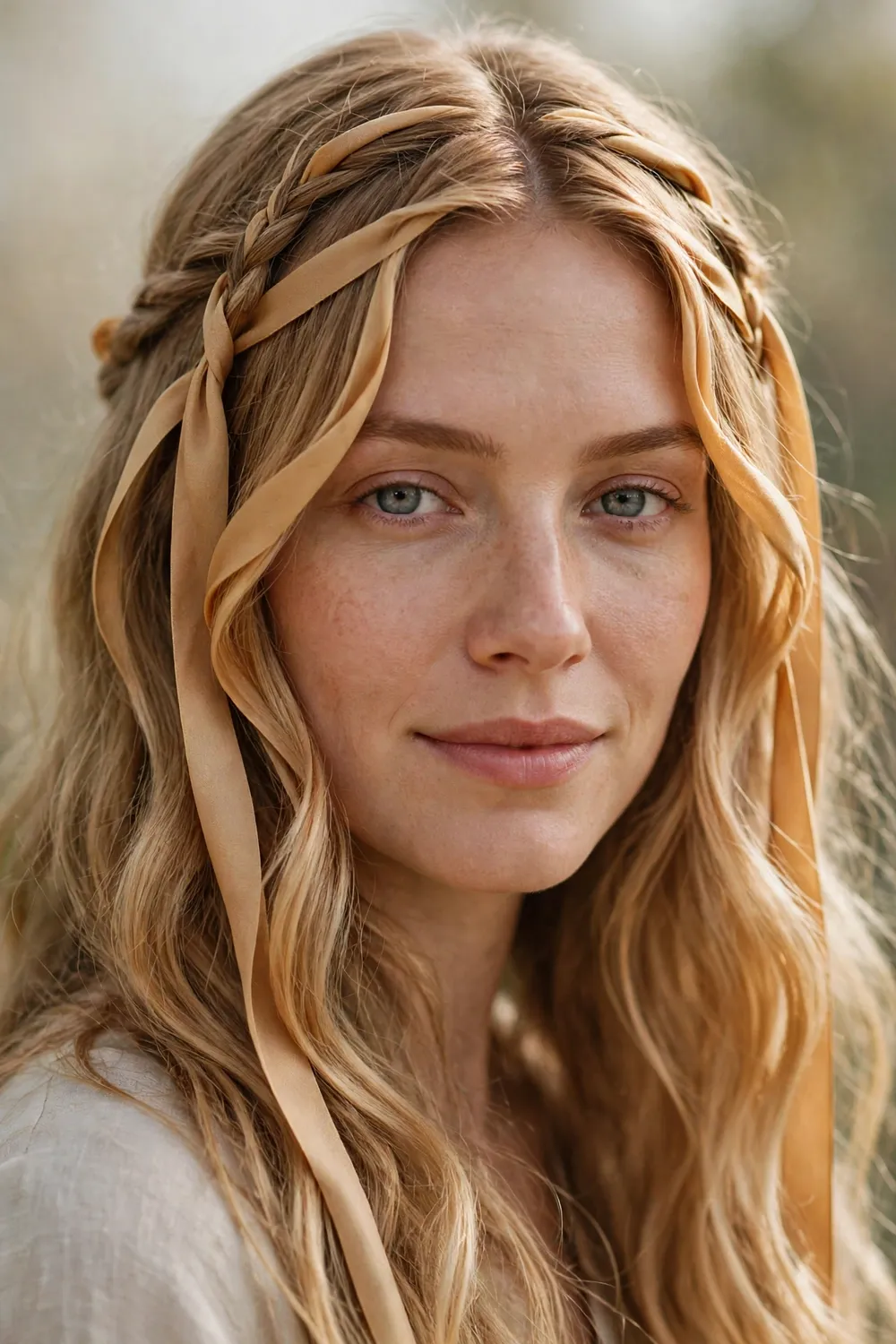
Two or three slim ribbons of warm honey blonde, painted either side of your part and falling past the cheekbones, do more for your face than a whole head of highlights ever could. They flatter warm and golden tan skin especially, but they also warm up olive and fair complexions without washing them out, and they suit straight, wavy and loosely curled hair from chin length down. Ask your colourist for face-framing foils in a golden honey tone — level 8, not platinum — kept a finger’s width from the root so the colour melts in, with the brightest point just below the cheekbone. A toner refresh every six to eight weeks is all it needs; the grow-out is barely noticeable.
3. Caramel Balayage Through the Mid-Lengths
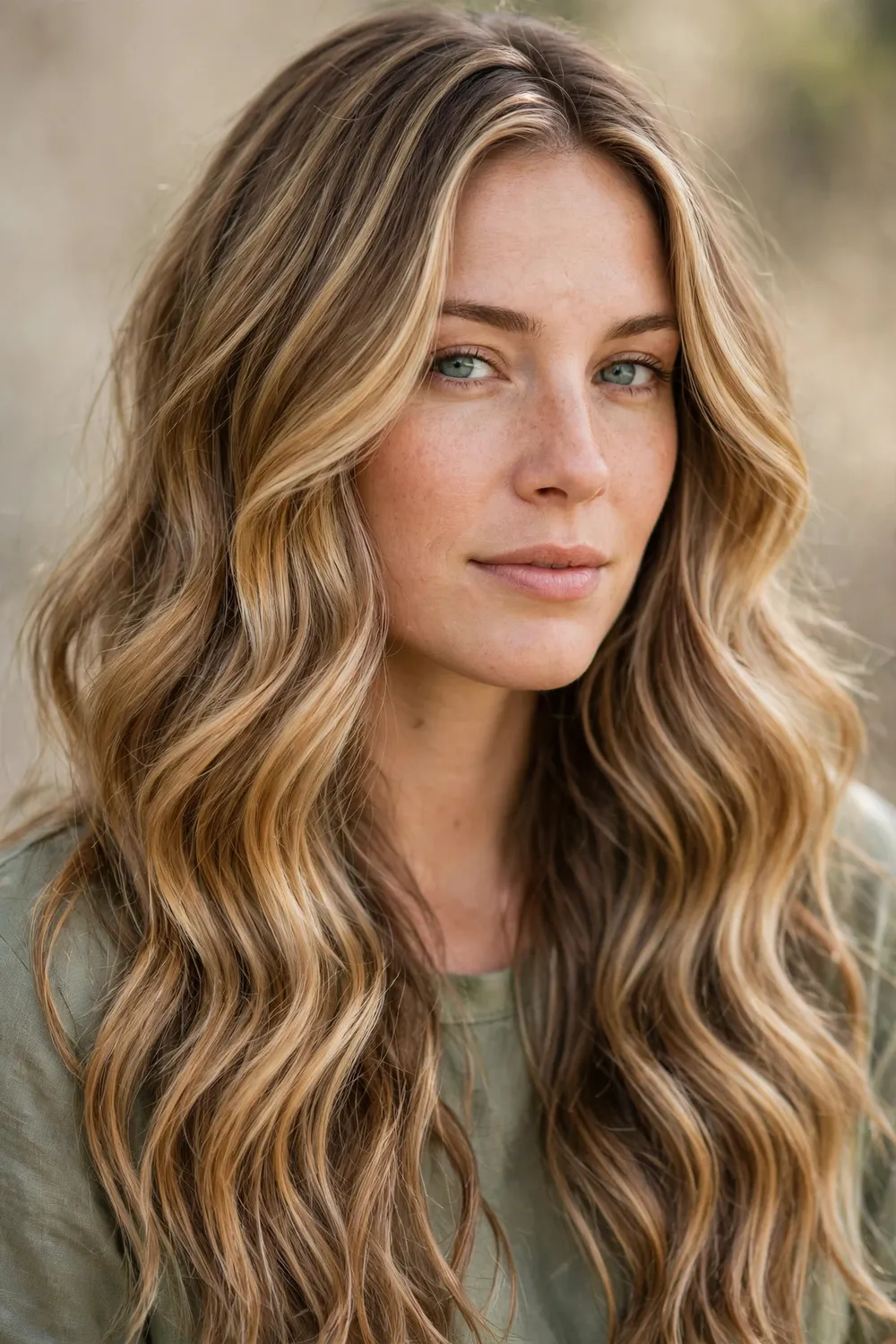
This is the low-effort blonde that looks like you spent a month somewhere sunny. Hand-painted caramel sweeps through the mid-lengths and ends while the roots stay your natural shade, so there is no harsh regrowth line and no reason to rush back to the salon. It suits medium to long hair best — straight layers show off the painted ribbons, waves make them look even more natural — and it flatters warm, golden and olive tan skin, since caramel sits close to your natural warmth. Ask for balayage in a warm caramel tone, concentrated from the ears down with a few pieces pulled higher around the face, plus a root shadow close to your base to blur the top. A demi-permanent gloss locks in the shine, and a weekly moisture mask keeps the lightened ends soft. Refresh it every ten to twelve weeks, mostly just a gloss.
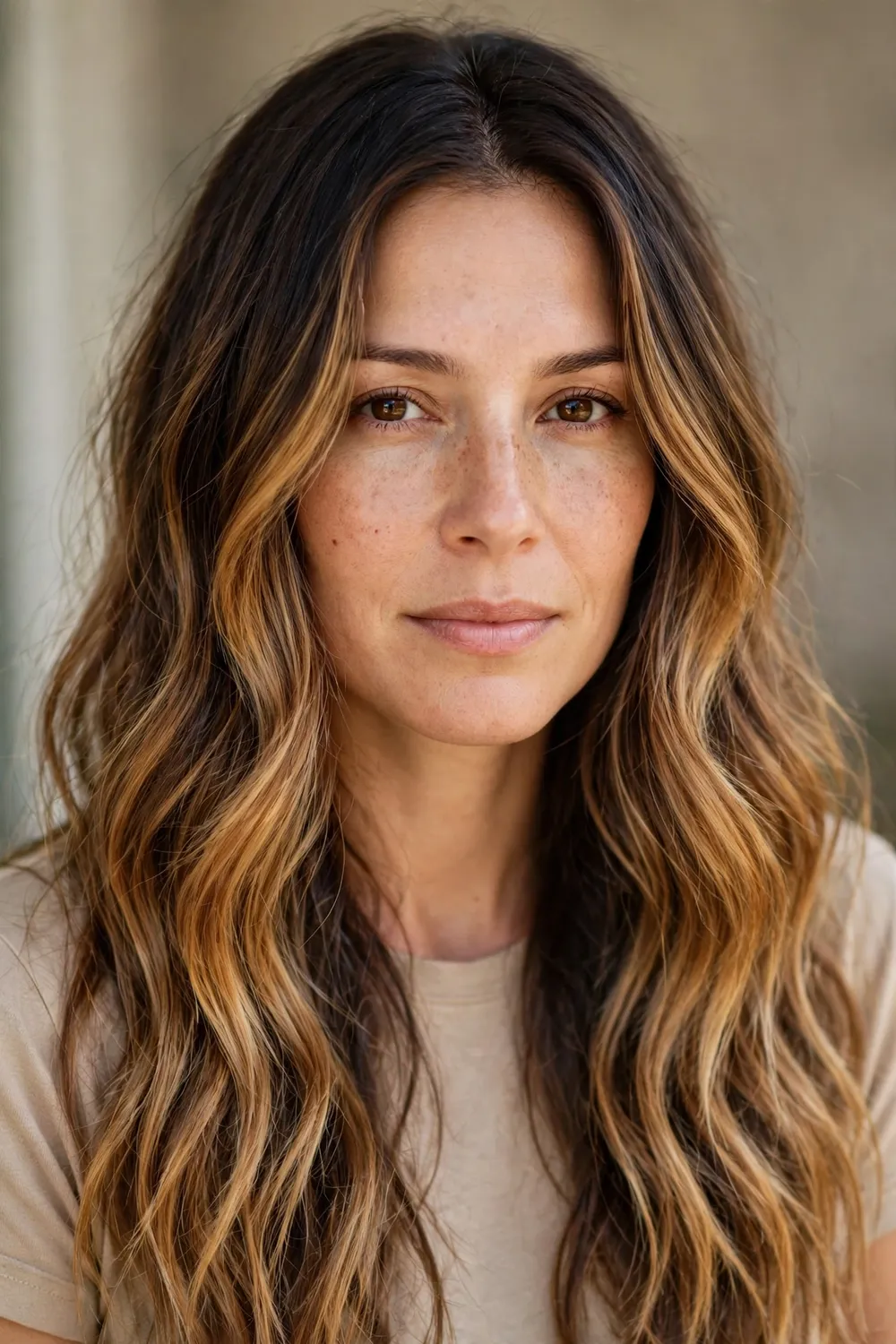
4. Butter Blonde Melt with a Root Shadow
A butter blonde melt is what happens when the colour fades so gradually from root to tip that you can’t tell where your natural hair ends and the blonde begins. The root shadow — a darker tone smudged at the top — does the hard work, softening the regrowth line and giving the blonde a lived-in, expensive finish instead of a blocky one. It suits long and medium hair, straight or wavy, and warm or neutral skin tones, because butter blonde is creamy rather than icy. Ask your colourist for a root shadow one to two levels darker than your base, then a butter blonde melt through the lengths, with the lightest pieces around the face. A glossing treatment every six to eight weeks keeps the tone from going flat or yellow. Grow-out is the whole point here — even two or three months in, it still looks deliberate.
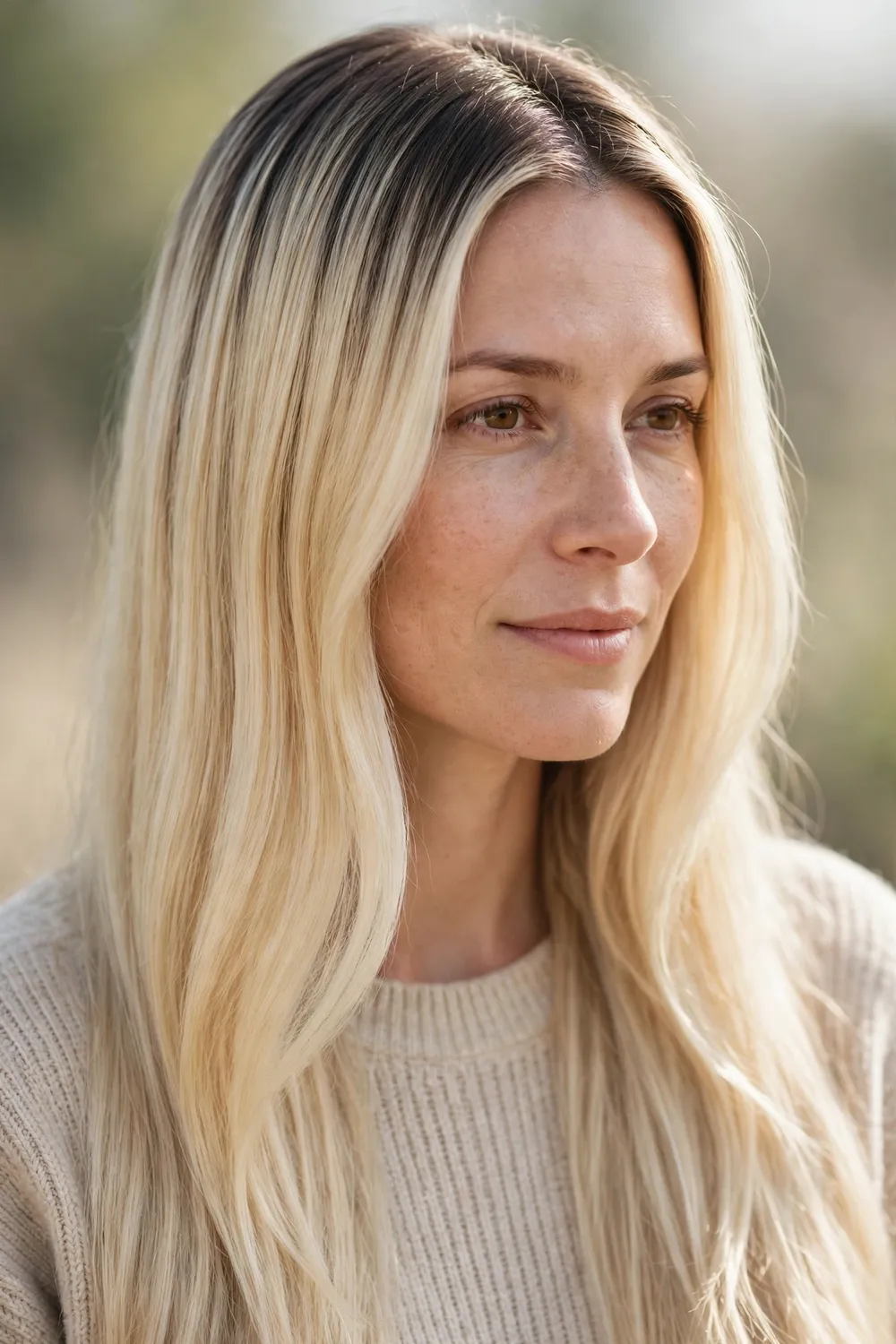
7. Toffee and Vanilla Dimension on Long Layers
Long layers are made for this kind of contrast: a deep toffee base running underneath, with vanilla blonde pieces sliced through the top layers so every movement catches a different shade. The result is rich rather than stripey, and it gives long hair a depth that a single all-over colour never manages. It suits warm and golden tan skin, and anyone whose hair is long enough to layer — the longer the layers, the more the two tones can play against each other. Ask for a toffee base close to your natural depth, then fine vanilla slices through the crown and face-framing layers, leaving the underlayers darker so the blonde floats on top. A shine gloss finishes it; without one, the vanilla can look dry. Toner every six weeks keeps the vanilla creamy, and because the base is dark, the grow-out stays soft for months.
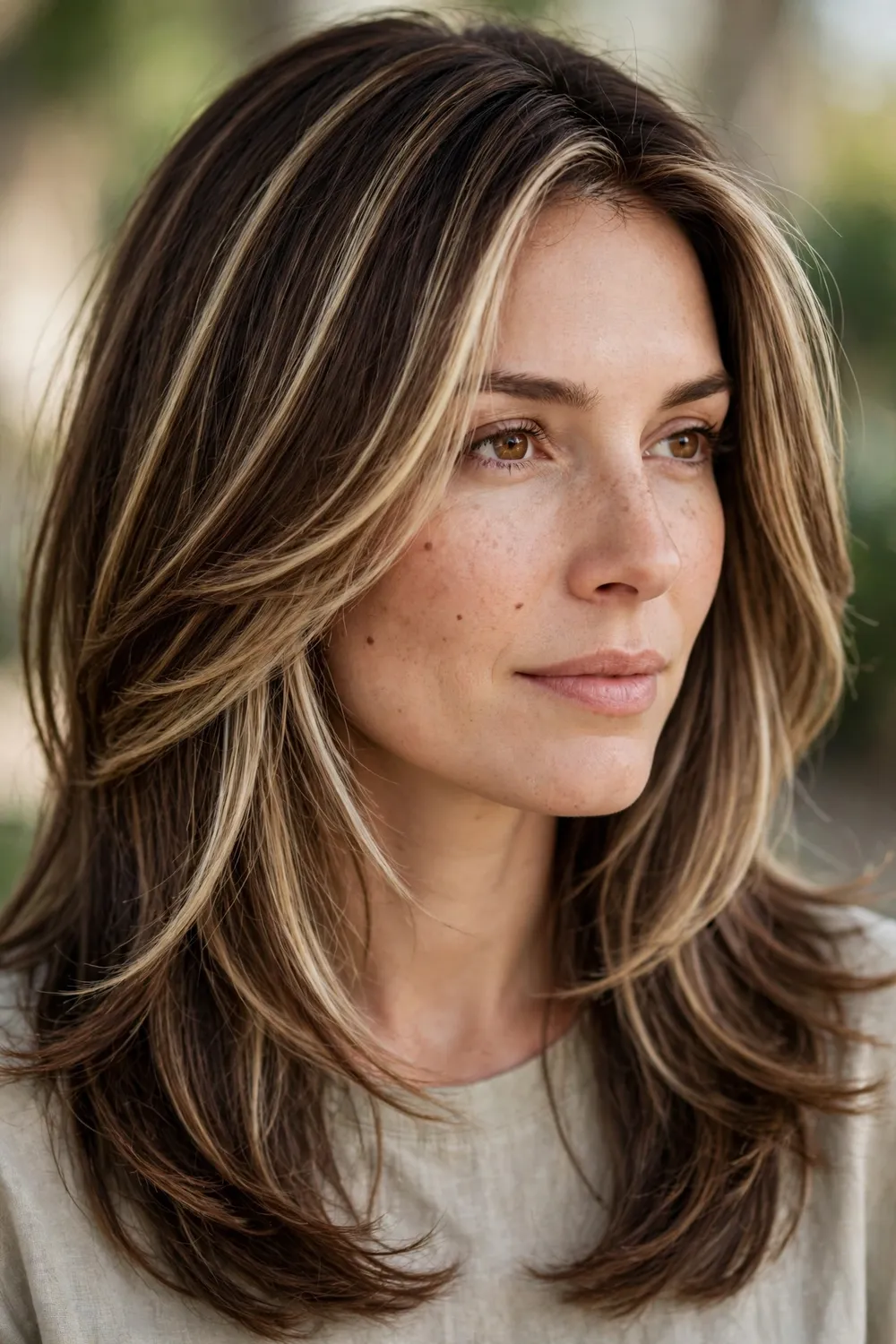
14. Apricot Blonde Veil
Apricot blonde is a sheer wash of warm peachy gold — lighter than honey, softer than copper — laid over brunette hair like a veil, so your base colour still shows through underneath. It’s a brilliant first step into blonde for dark hair, because it doesn’t demand much lifting and the result reads as a glow rather than a colour change. It suits warm and golden tan skin beautifully, and works on straight, wavy and curly hair from shoulder length down. Ask for a sheer apricot glaze or a low-lift balayage in a warm peach tone, painted through the lengths rather than foiled at the root, so the colour sits like a filter over your natural shade. A gloss every six weeks keeps the apricot from fading to flat beige. Maintenance is gentle — a tone refresh, not a full redo — and the grow-out is almost invisible.
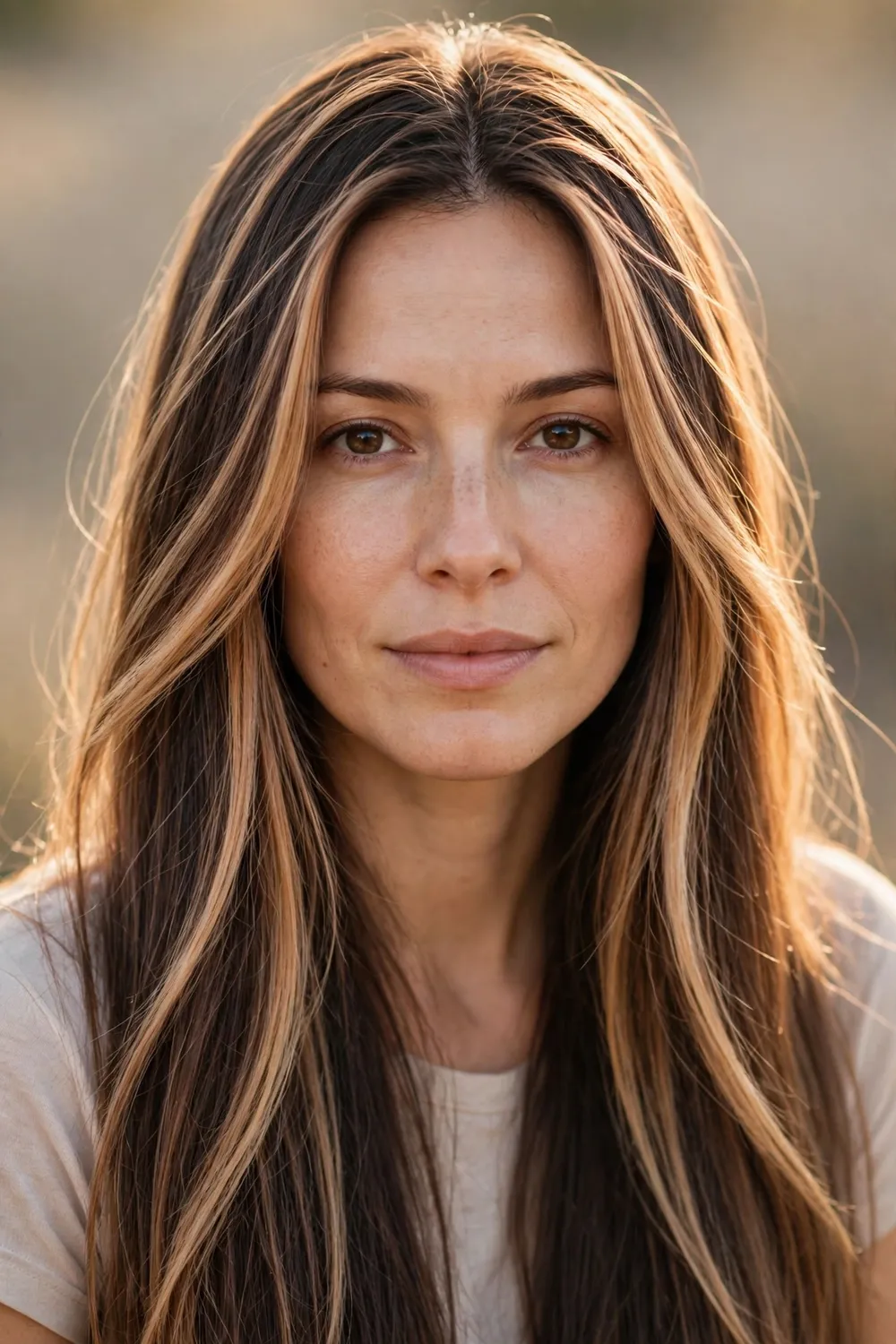
17. Cinnamon-Kissed Blonde Dimension
This one is all about the secret ingredient: tiny cinnamon lowlights threaded through golden blonde, so the blonde looks deeper, warmer and far more interesting than blonde alone. The cinnamon pieces — a soft reddish brown — stop the colour from reading flat or washed out, and they add a warm glow that flatters golden and warm tan skin in particular. It works on medium to long hair, straight or wavy, and on heart-shaped and oval faces, where the warmth around the cheeks softens the jawline. Ask your colourist for blonde highlights in a warm honey tone, with a few cinnamon lowlights woven in between — not chunky, just enough to catch the light. A colour-protecting shampoo and a gloss every six to eight weeks keep both tones true. Grow-out is soft, since nothing here is lifted to the root.
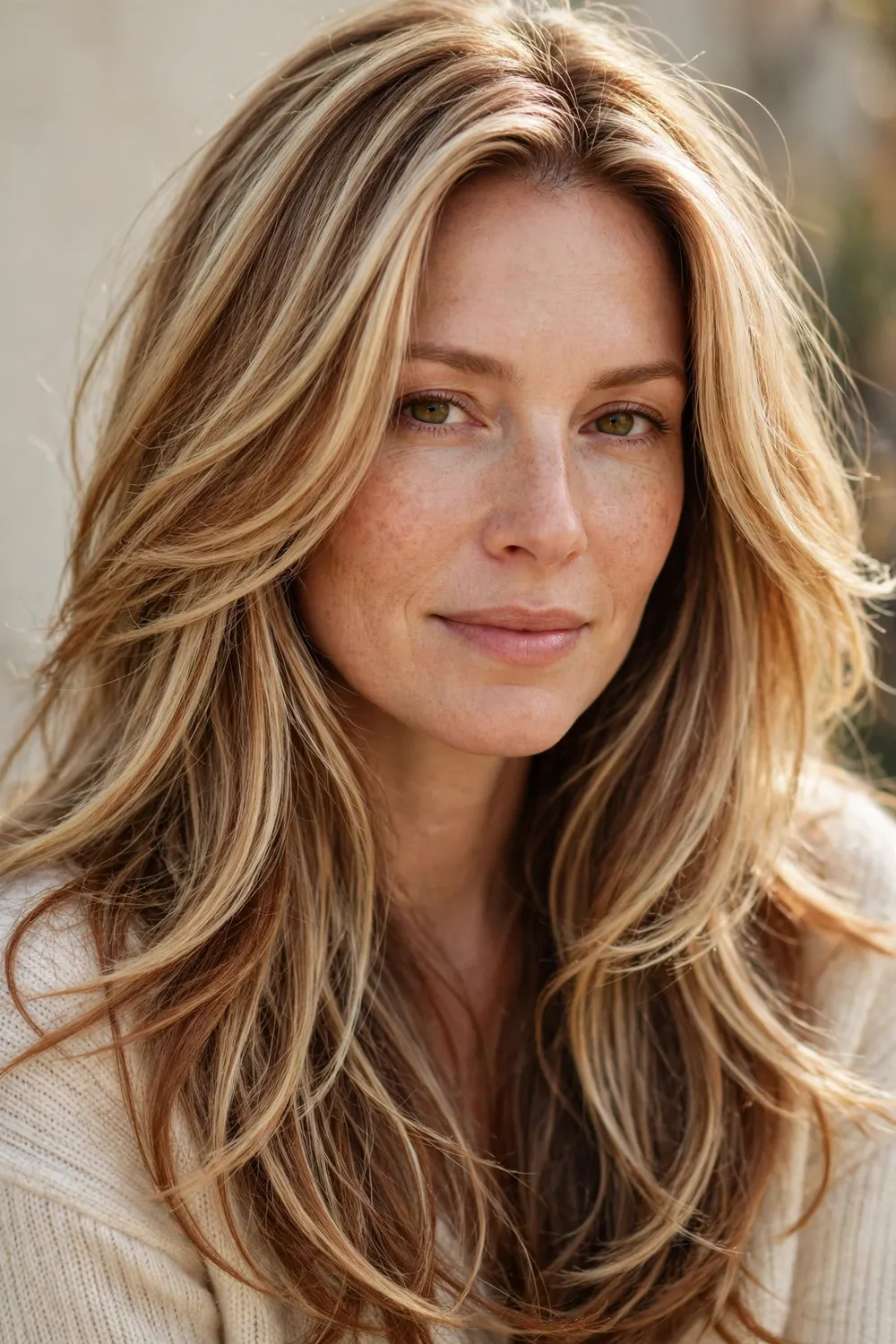
19. Butterscotch Swirl Around the Jawline
Butterscotch blonde has a warm, almost caramelised richness, and here it’s placed in a swirl around the jawline — a curve of lighter pieces that follows the shape of your face and draws the eye to your cheekbones. It’s especially flattering on heart-shaped faces, where the brightness at the jaw balances a wider forehead, and it suits warm and golden tan skin, medium to long hair, and loose waves that let the swirl move. Ask for butterscotch pieces — a level 7 warm gold — concentrated around the jawline and the front layers, with the brightness starting below the cheekbone rather than at the temples. A gloss keeps the tone rich instead of brassy. Because the colour sits low on the face and away from the root, touch-ups are simple: a toner every six to eight weeks, and a full refresh only when the swirl starts to fade.
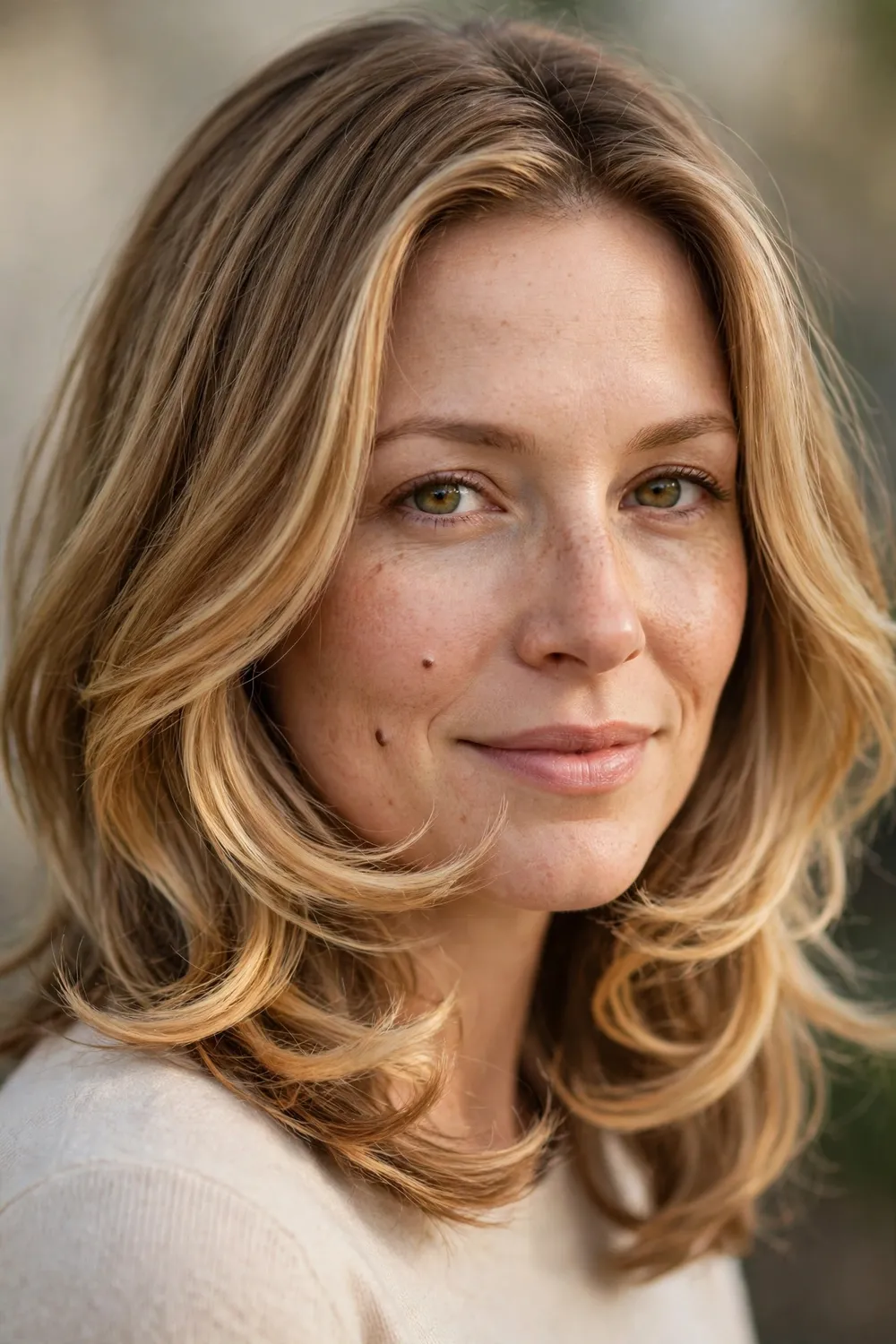
25. Glossed Honey Blonde with Lowlights
This is honey blonde done properly: bright golden pieces through the top layers, then lowlights — strands kept a shade or two darker than your base — woven in underneath to give the blonde something to sit against. The gloss on top is what makes it: it seals the colour, adds mirror shine and stops the honey from fading to a dull yellow. It suits warm and golden tan skin, and medium to long hair in any texture, because the lowlights keep the look grounded rather than stripey. Ask for honey highlights with lowlights in a tone just darker than your natural colour, placed through the underlayers and the back, then a clear or warm gloss over everything. Refresh the gloss every six weeks; the lowlights mean the grow-out stays soft and the colour keeps its depth for a good two to three months.
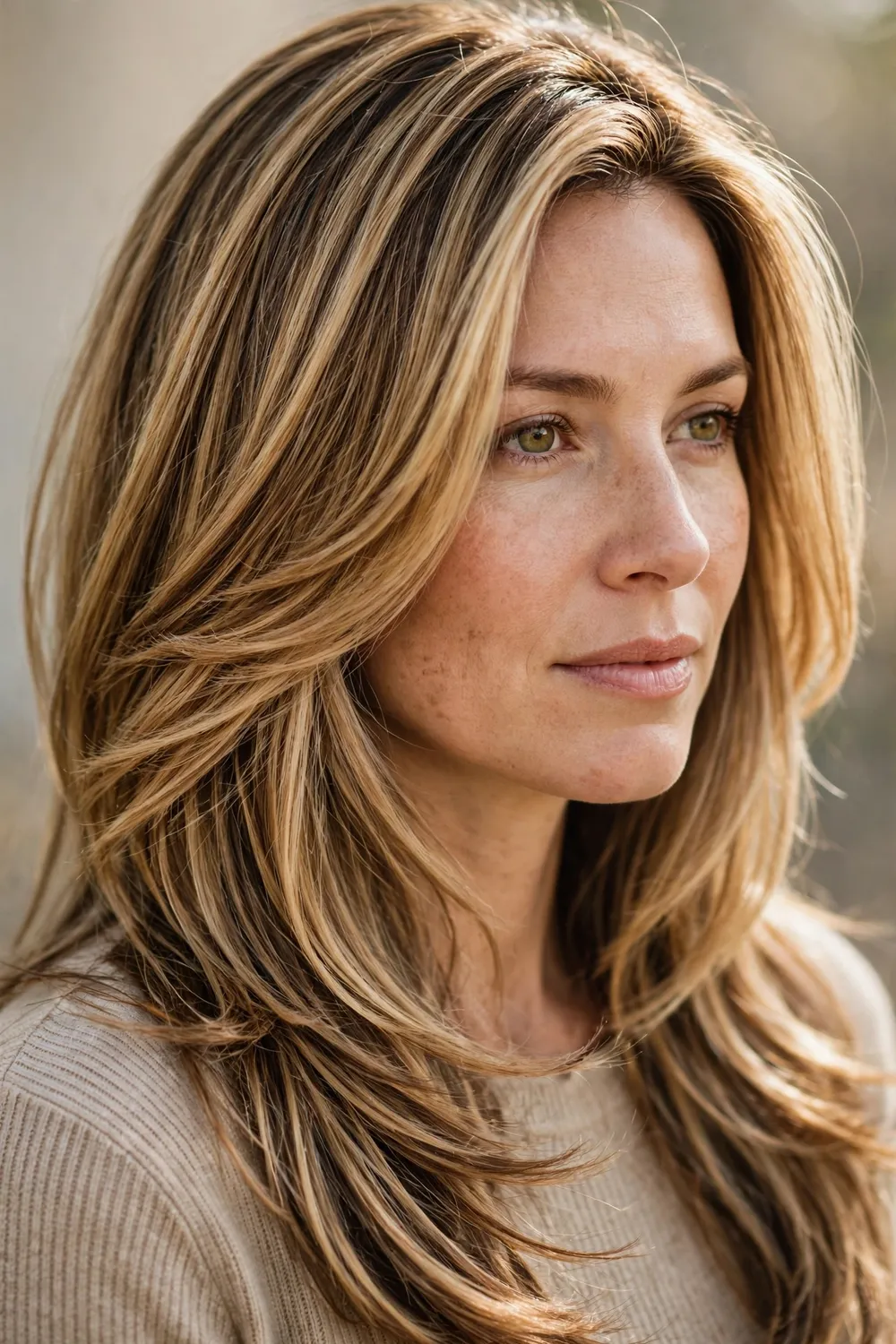
26. Classic Blonde Highlights on Dark Brown Hair
Classic highlights on dark brown hair are the most asked-for blonde in the salon for a reason: fine, evenly spaced foils lift the brown a few shades, and the contrast between the dark base and the blonde is what gives the hair its shine and movement. It suits dark brown hair of any texture — foil placement can be adjusted for thick, coarse or fine hair — and warm, golden and olive tan skin, since the blonde is kept warm rather than icy. Ask for fine foils in a warm honey or caramel tone, woven closely through the top layers and around the face, and be clear that you want lift, not bleach: two to three levels is enough, and it keeps the hair healthier. A purple shampoo once a week stops the blonde drifting brassy, and a gloss every six to eight weeks keeps it bright. Expect a touch-up every eight to ten weeks as the roots show.
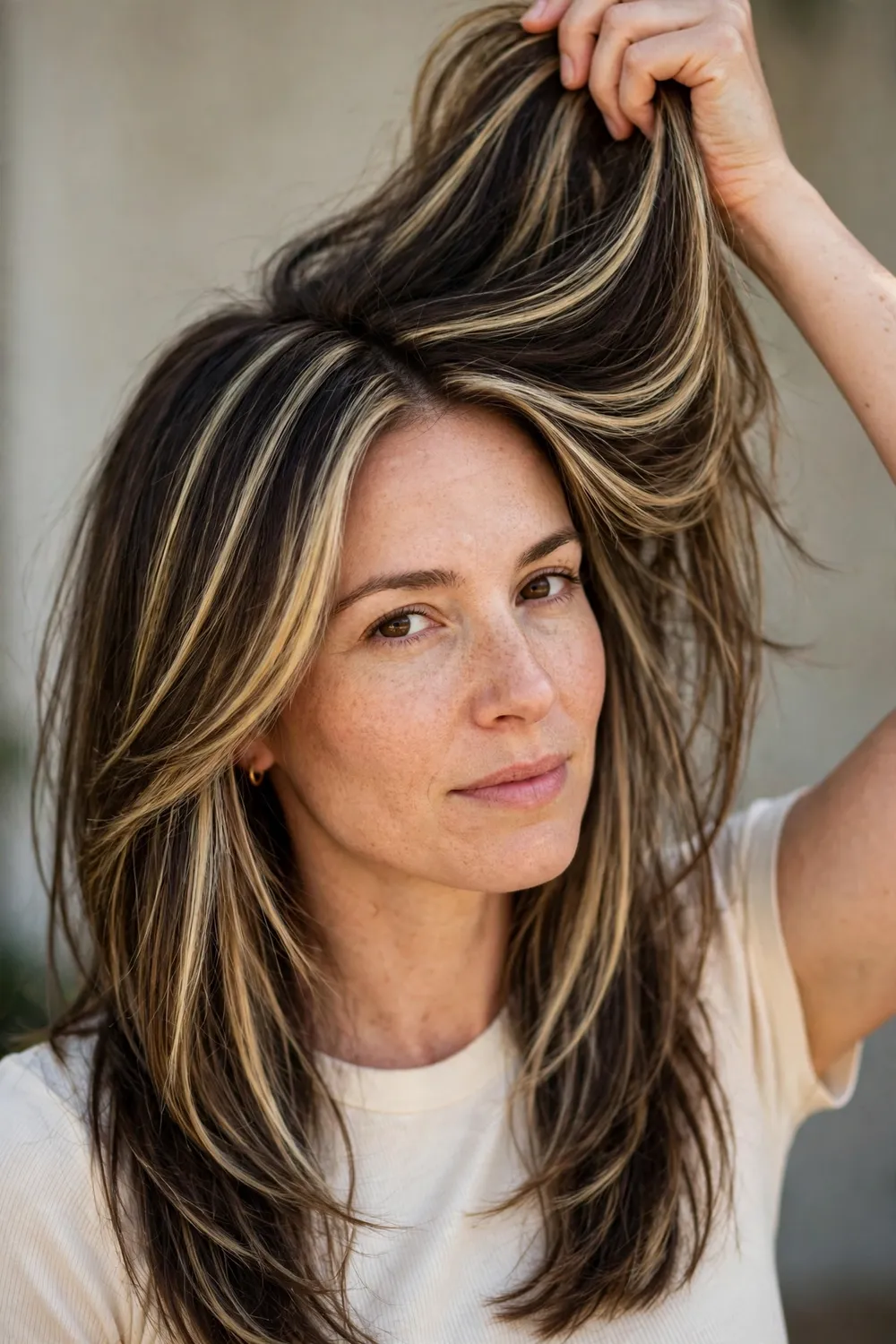
27. Strawberry Blonde Highlights
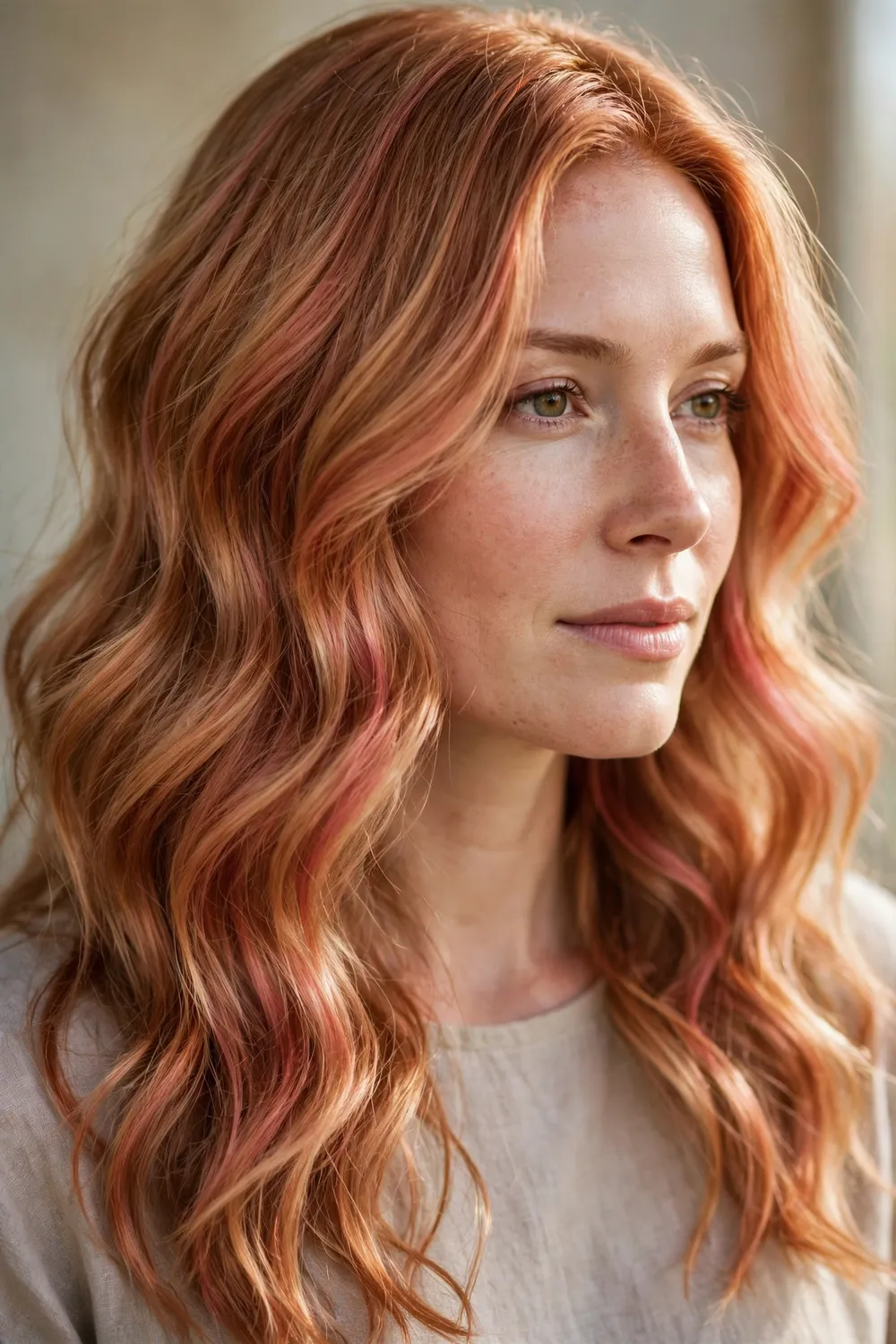
Strawberry blonde sits in the sweet spot between blonde and red — warm, golden and just pink enough to catch the light — and as highlights it adds a glow that plain blonde never quite manages. It flatters fair skin with warm undertones especially, but it also softens golden tan skin, and it works on straight, wavy and curly hair from chin length down. Ask your colourist for strawberry blonde highlights in a warm copper-gold tone, woven finely through the top layers and around the face rather than painted in big chunks, so the colour reads as a shimmer. A colour-protecting shampoo and lukewarm washes matter here more than most, because red tones fade fastest. A gloss every four to six weeks keeps the strawberry fresh, and since the base stays your natural shade, the grow-out is gentle.
Cool & Neutral Blonde Highlights
2. Beige Babylights at the Part
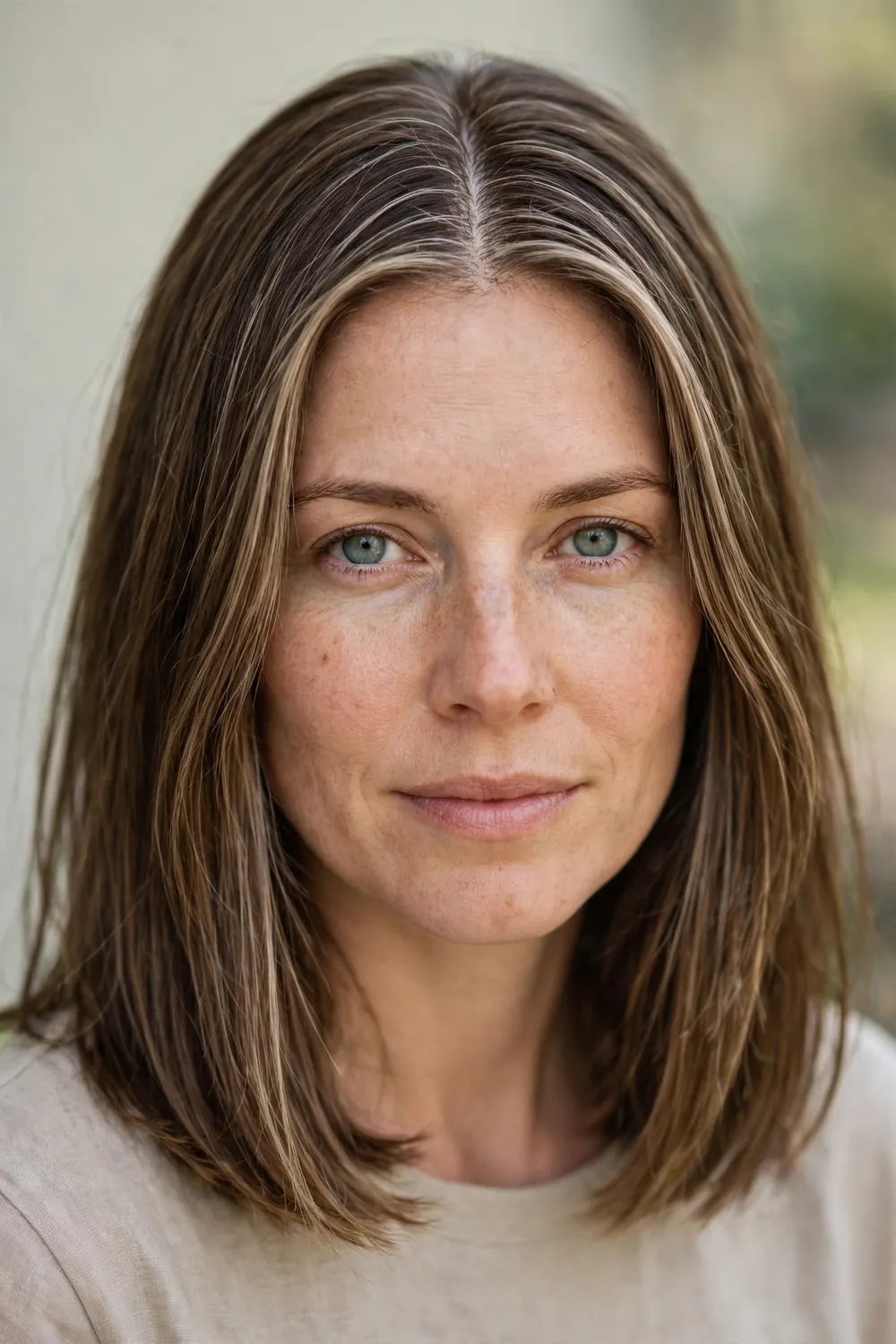
Babylights are the finest highlights there are — threads so thin they look like the sun did the work — and placing them right at the part is the quietest way to brighten your whole face. Because the strands are so fine and the tone is beige rather than gold, there’s no stripe and no harsh line, just a soft airiness around the crown that makes hair look thicker and skin look fresher. It suits fine and medium hair especially, any length from a bob up, and fair to medium skin with neutral or cool undertones. Ask for babylights in a cool beige tone, woven tightly at the part and through the crown, keeping the lift gentle — one to two levels only. A violet-toned shampoo once every ten days stops the beige drifting warm. Grow-out is the easiest of any highlight here, because the strands are so fine they simply blend away.
5. Champagne Money Piece
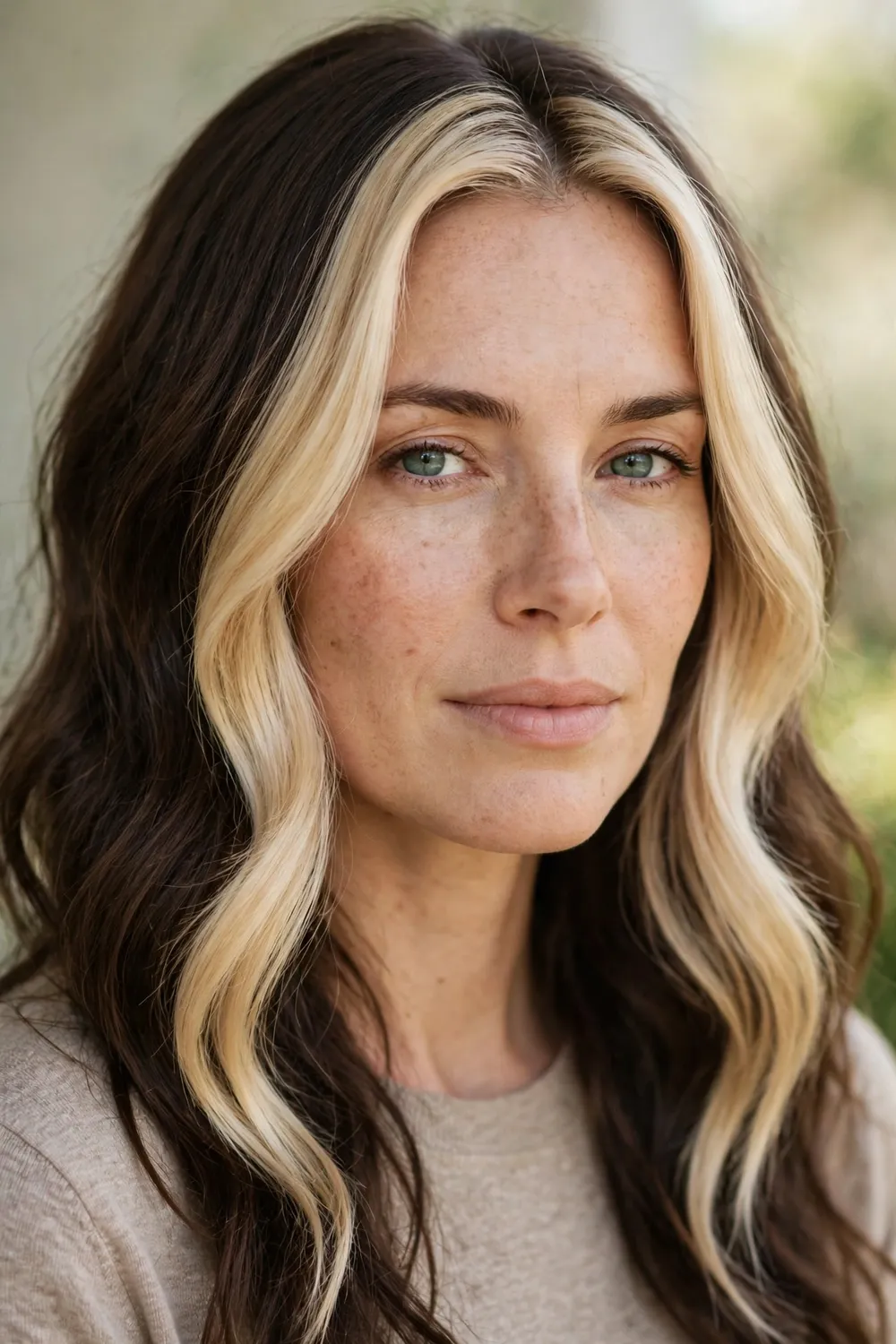
The money piece is the boldest strip of blonde in this whole list — a wide, bright section framing your face from the cheekbone down — and champagne is the shade that keeps it elegant rather than harsh. It’s a cool, pale gold with a hint of pink, and it lights up the eyes and cheekbones the moment you walk into a room. It suits fair and medium skin with neutral or cool undertones, and works on straight, wavy or curly hair, though it shows best on longer lengths where the piece can fall properly. Ask for a champagne money piece — a level 9 cool gold — starting at the cheekbone, not the temple, with the rest of your hair kept a shade or two darker so the piece stands out. A purple shampoo once a week and a gloss every six weeks keep it from going yellow. Roots show fast here, so plan a touch-up every six to eight weeks.
8. Golden Wheat Contour Pieces
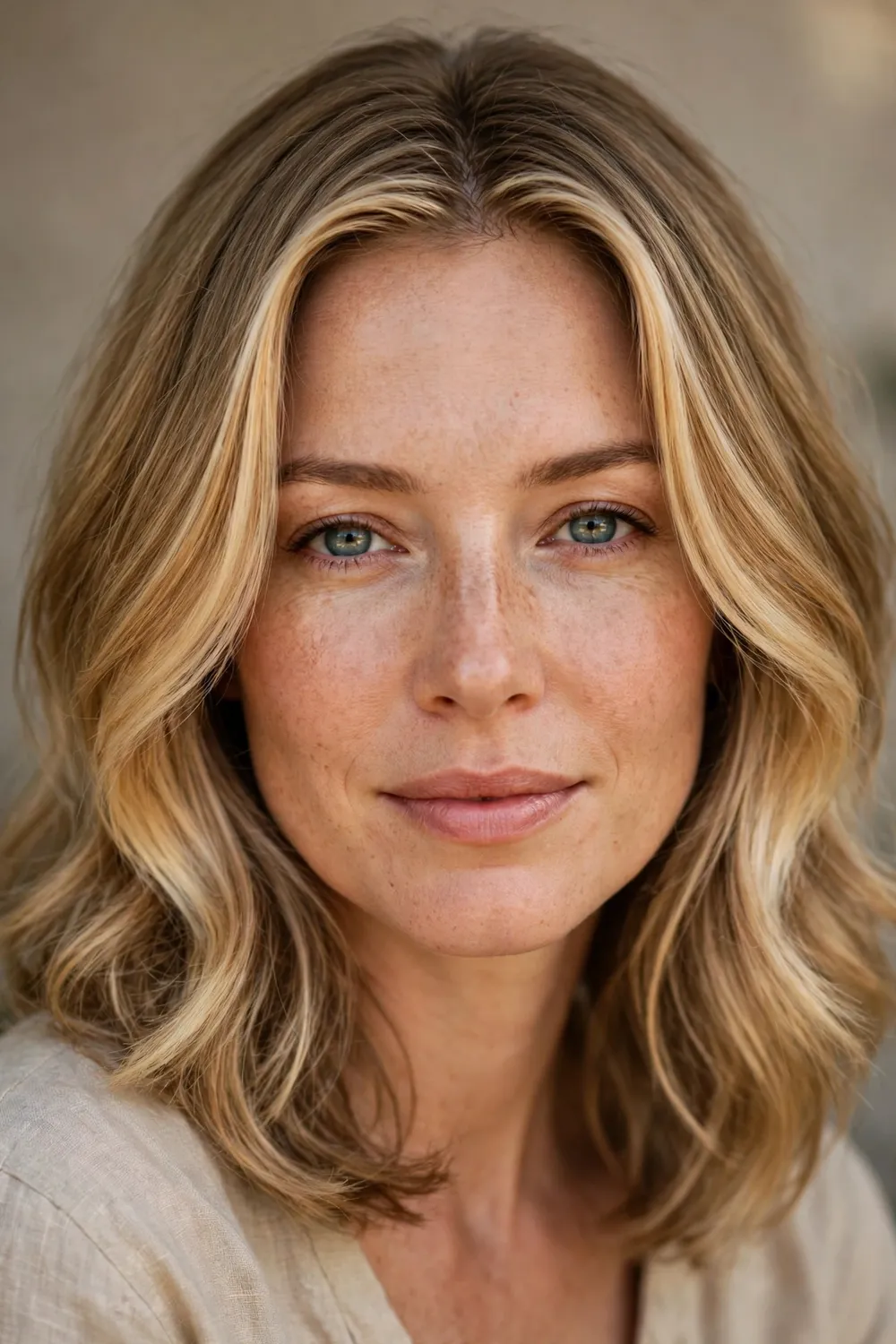
Contour highlights work the way contour makeup does: lighter pieces placed at the temples and along the cheekbones to shape the face, while the rest of the hair stays a shade deeper. Golden wheat — a warm, sunny blonde that’s neither honey nor platinum — is the tone that does this without looking painted on, and it flatters warm, golden and olive tan skin in particular. It suits oval, round and heart-shaped faces, and medium to long hair, straight or wavy, where the contour pieces can fall naturally. Ask for golden wheat pieces at the temples and cheekbones, blended into the front layers, with the brightness sitting below the cheekbone on heart-shaped faces. A gloss keeps the wheat tone bright and the finish soft. Because the pieces sit around the face rather than through the whole head, the grow-out is gentle and touch-ups are quick.
15. Pearl Beige Highlights
Pearl beige is the coolest blonde in this group — a pale, almost silvery beige with a soft lustre — and woven through layers it gives hair a luminous, almost lit-from-within quality. It suits fair and medium skin with cool or neutral undertones, and anyone whose tan runs cooler or more olive than golden, since the pearl tone balances the skin instead of fighting it. It works on straight and wavy hair from shoulder length down, where the layers let the pearl pieces catch the light. Ask for pearl beige highlights in fine foils through the layers, with a cool toner to keep the shade from warming up, and a root shadow if you want the grow-out to stay soft. Purple shampoo once a week is non-negotiable — without it, pearl turns brassy fast. Plan a toner refresh every four to six weeks and a full touch-up every eight to ten.
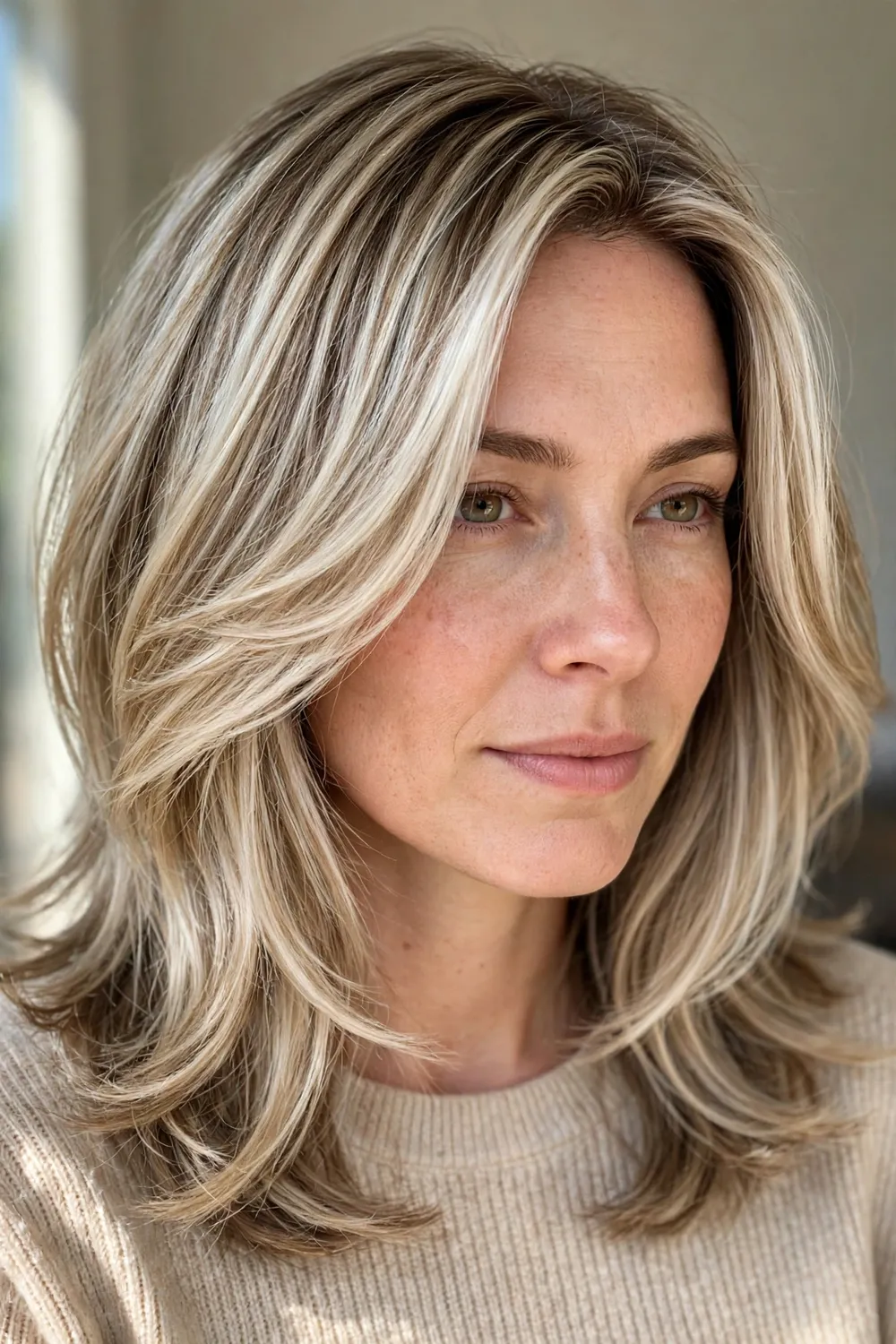
20. Ash-Beige Ribbons for Cooler Tan Undertones
If your tan has a cooler or olive undertone, warm blonde can clash with your skin — ash-beige is the answer. It’s a muted, smoky beige with just enough warmth to stop it looking grey, and as ribbons through the hair it adds dimension without pulling your complexion orange. It suits olive and cooler tan skin best, and medium to long hair in any texture, because the ribbons are placed through the layers rather than at the root. Ask for ash-beige ribbons — a level 8 cool beige — woven through the mid-lengths and ends, with a cool toner and a root shadow in a tone close to your base so nothing looks stripey. A purple shampoo once a week and a gloss every six weeks keep the ash from warming up. Grow-out is forgiving thanks to the root shadow, so eight to ten weeks between visits is realistic.
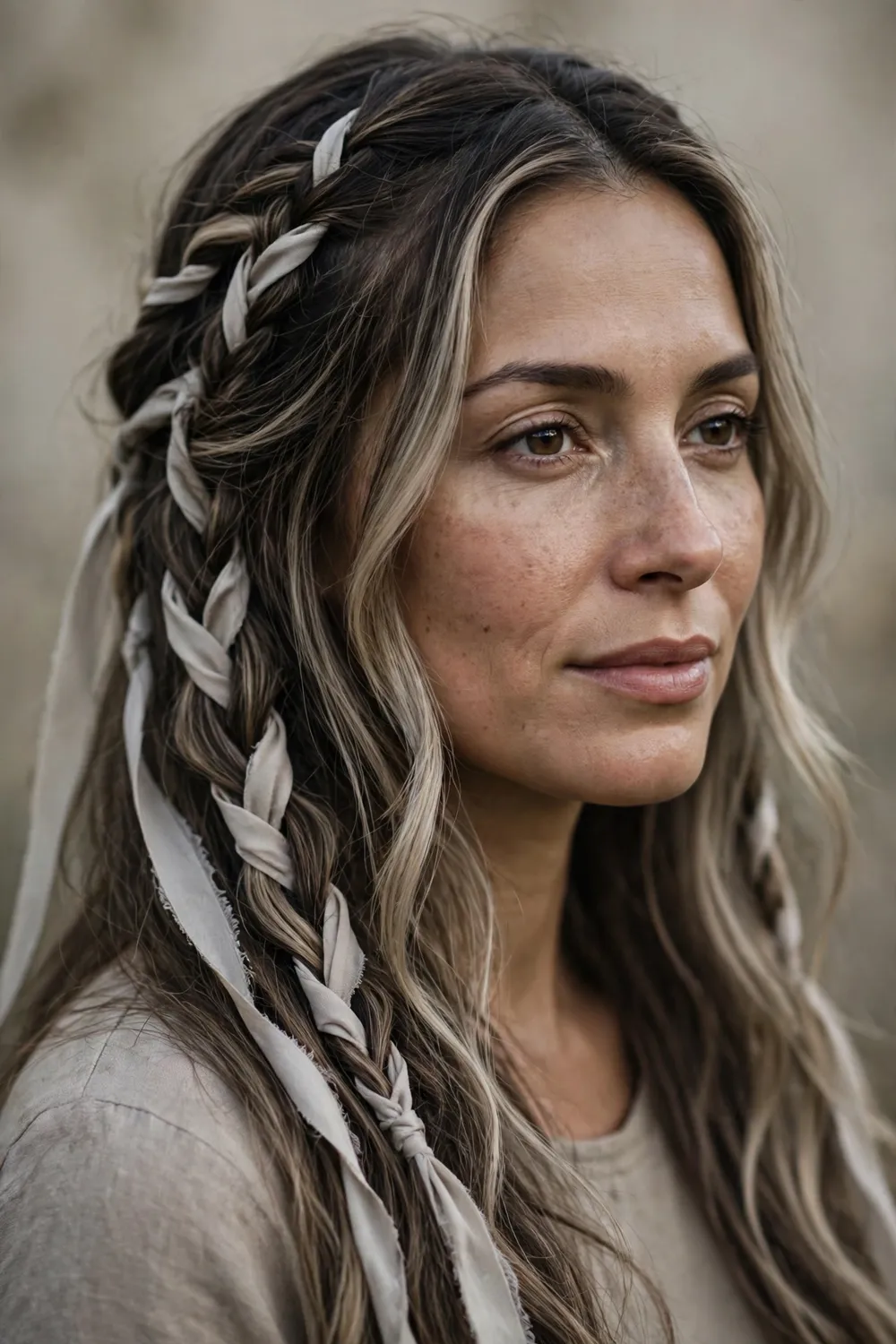
28. Ash Blonde Highlights for Cool Skin
Ash blonde is the coolest blonde most people can wear every day — a soft, smoky silver-blonde. On cool, fair skin it looks almost made for you: the ashy tone picks up the pink and blue undertones in your complexion instead of fighting them, and it keeps the whole look calm rather than brassy. It suits straight and wavy hair from shoulder length down, and works beautifully on fine hair, where the cool dimension adds thickness. Ask your colourist for ash blonde highlights in fine foils, toned cool, not blue, with a root shadow so the grow-out stays soft. Purple shampoo once a week is essential — ash fades warm fast. A toner refresh every four to six weeks keeps the silver true, and touch-ups every eight to ten weeks.
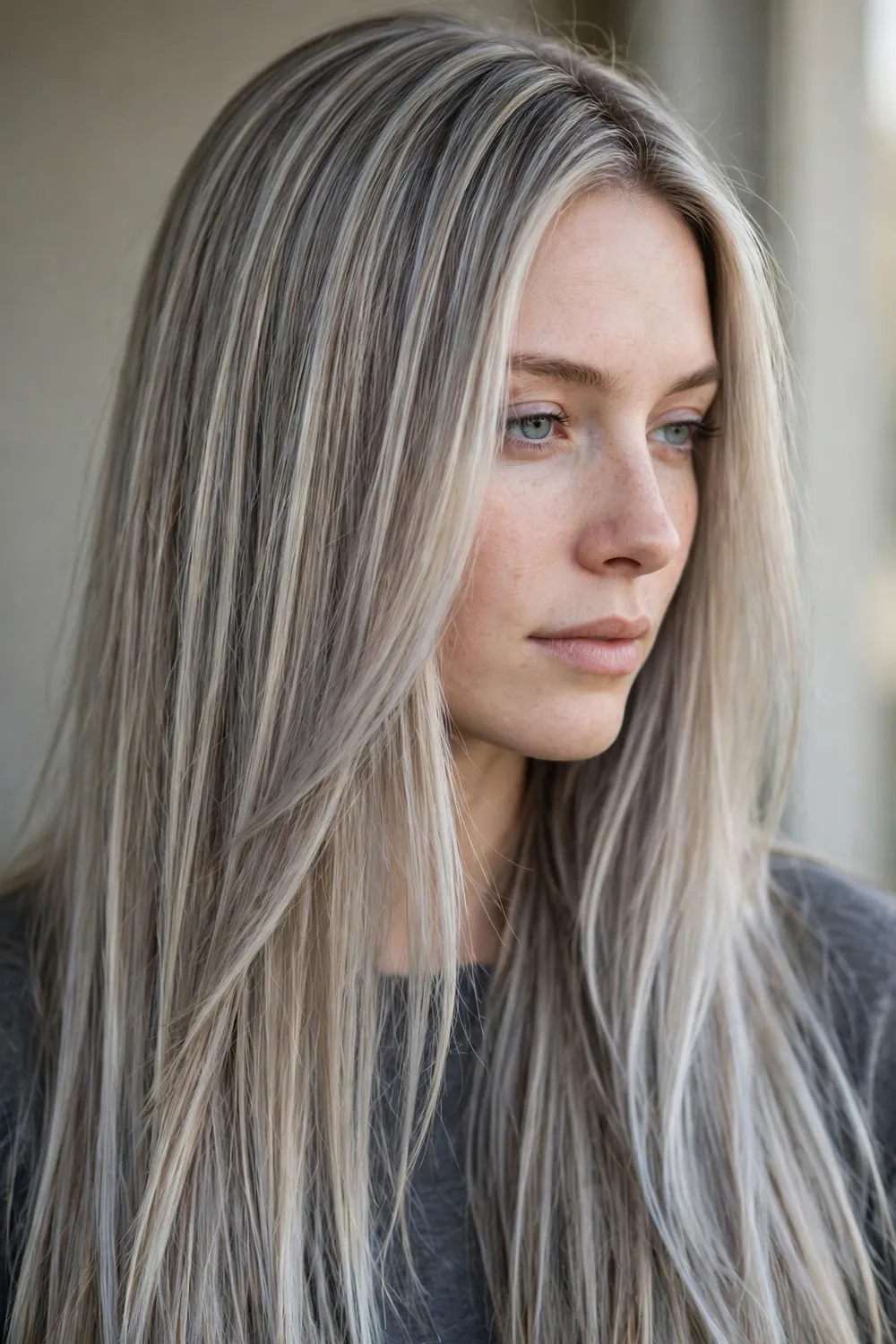
29. Platinum Blonde Highlights
Platinum highlights are the boldest blonde in this list — near-white strands that catch the light like ice — and as highlights, not a full colour, you get the drama without the full commitment. They suit fair and medium skin with cool undertones best, and they look striking on straight hair, where the pale strands read as clean lines, though they work on waves too. Ask your colourist for platinum highlights in fine foils, lifted to a pale level 10 and toned violet to keep them icy, not yellow. A bond-building treatment during the service protects the hair, and purple shampoo once a week keeps the tone bright. Roots show quickly, so plan a touch-up every six weeks, plus a weekly moisture mask for the lightened strands.
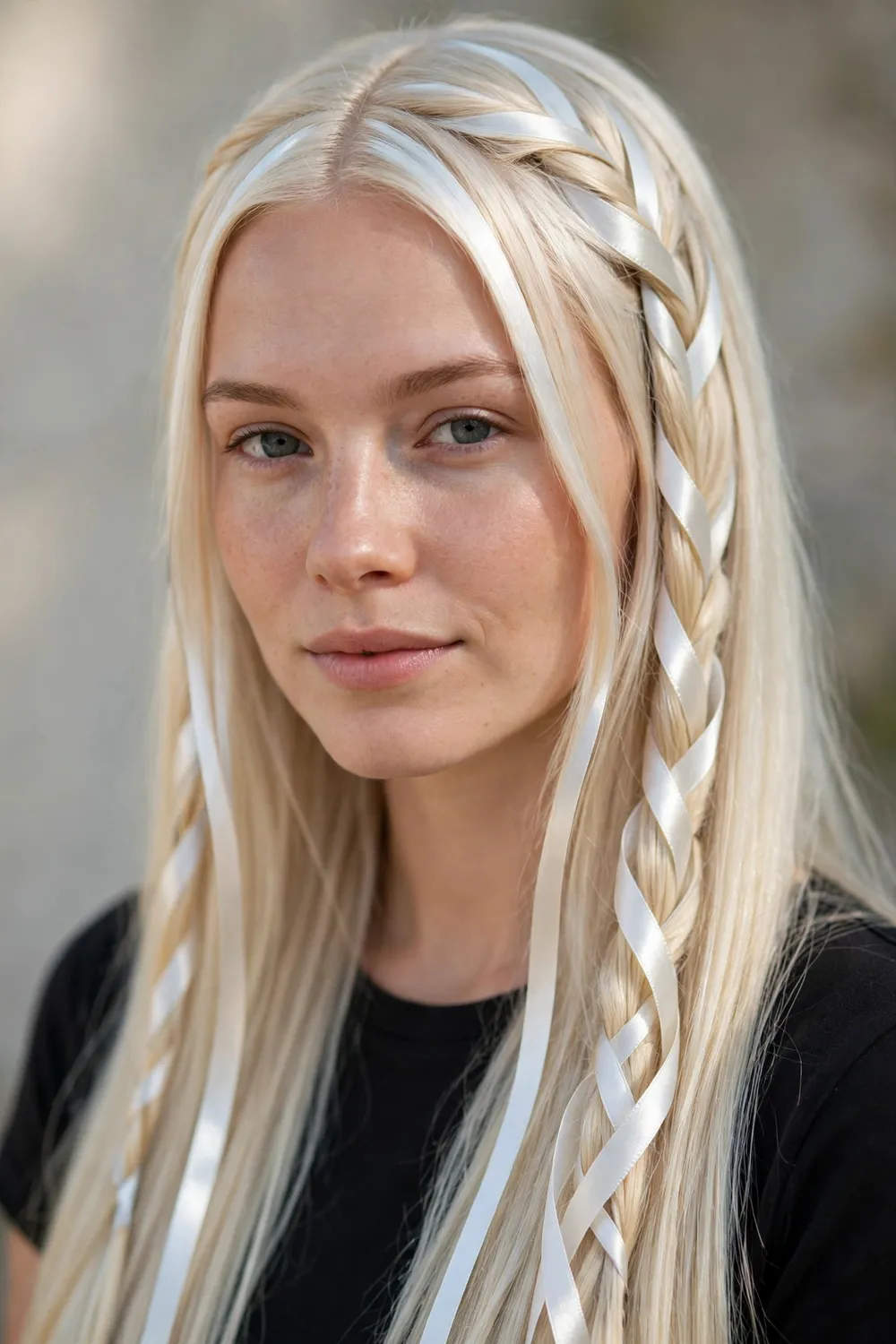
Soft & Lived-In Highlights
6. Sandy Ribbon Highlights for Wavy Hair
Sandy beige ribbons are the quiet way to make natural waves look sunlit without committing to full blonde. The colourist weaves fine, soft ribbons through the mid-lengths and ends, leaving your roots and plenty of your base showing, so the result reads as depth rather than stripes. It suits wavy hair best — shoulder length or longer — because the bends catch the lighter pieces and make them move, and it flatters warm and neutral skin tones without washing you out. Ask for sandy beige babylights and balayage ribbons, painted freehand or in fine foils, kept a level or two lighter than your base. Finish with a sea-salt spray or light curl cream and air-dry for texture. Grow-out is gentle, with touch-ups every ten to twelve weeks.
9. Soft Frosted Ends with Warm Roots
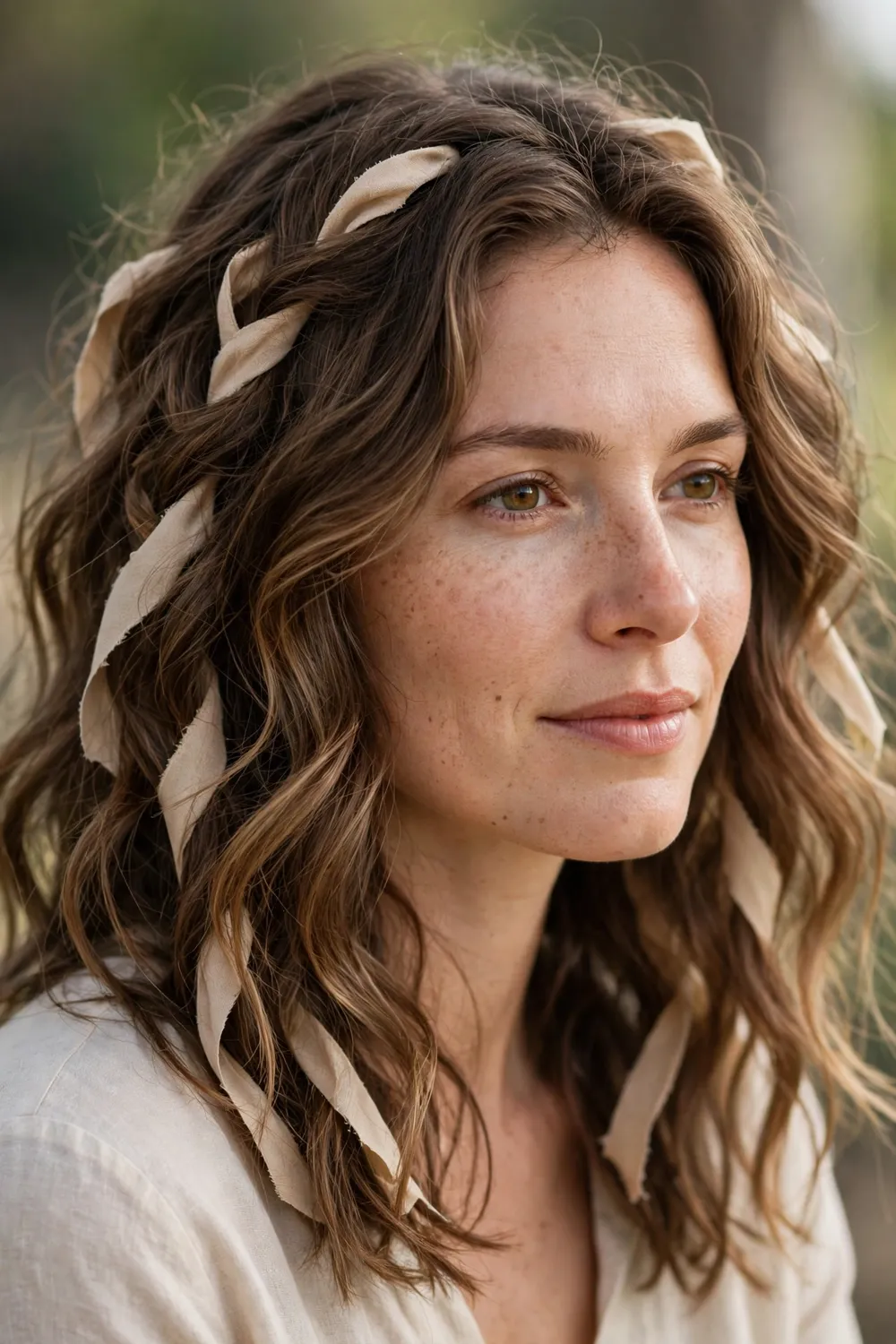
This one keeps your natural warmth at the roots and saves the lightest blonde for the ends, so it looks sun-kissed rather than salon-made. The colourist melts a warm brown or dark blonde root into pale beige ends, blending the join so there is no hard line when it grows. It suits long hair and brunettes best, especially if you want brightness without the upkeep of root touch-ups every few weeks. Ask for a root melt with frosted beige ends, the lightest pieces sitting from the cheekbone down, and a cool-toned gloss to stop the ends going yellow. Style it straight for a polished finish or waved for softness. Expect a gloss every six to eight weeks and a trim to keep the pale ends healthy.
12. Creamy Bronde Blend
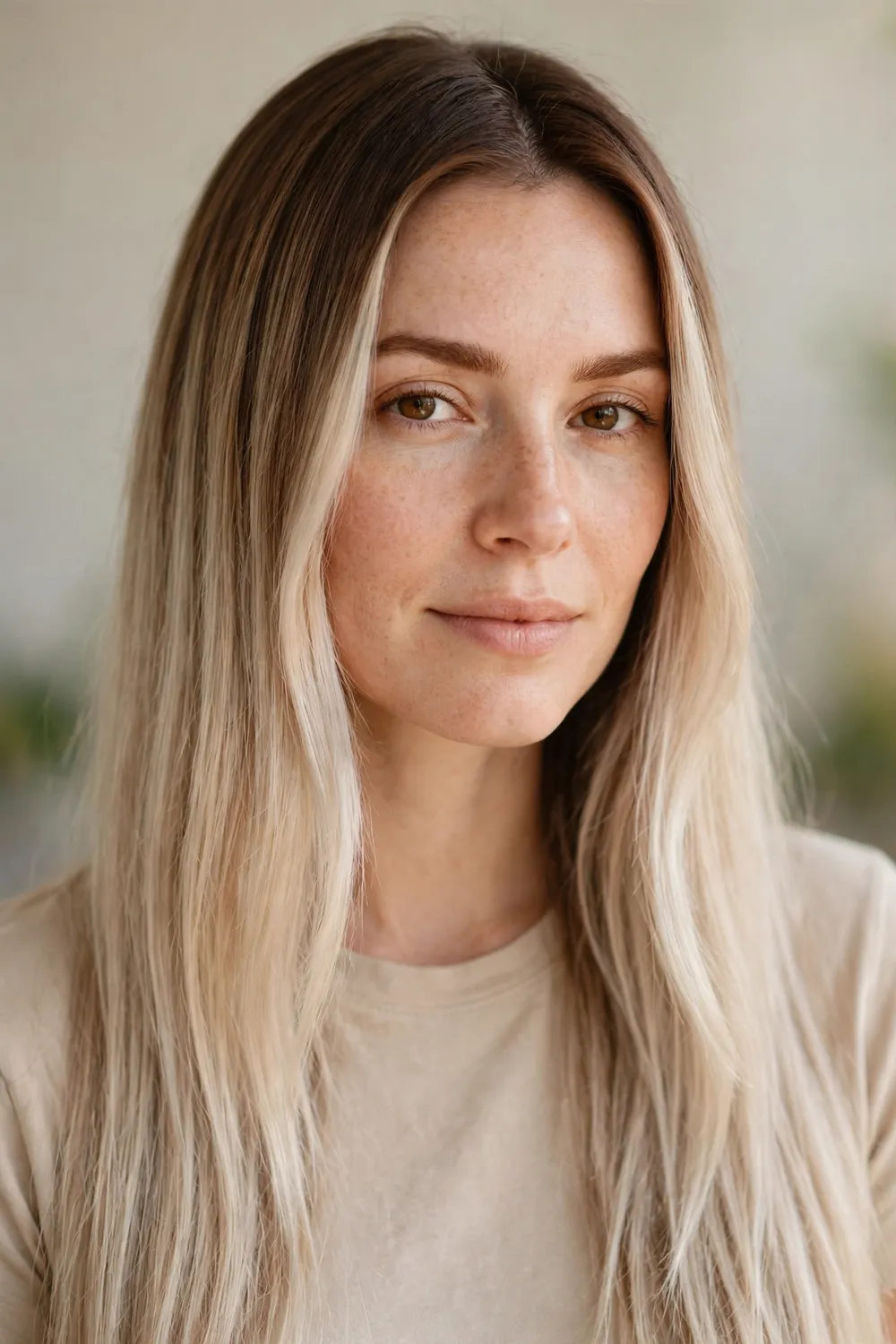
Bronde sits exactly between brown and blonde, which is why it suits so many people — it brightens without asking you to become blonde. The colourist blends creamy beige-blonde pieces through a light brown base, going lighter towards the front so your face gets the glow. It works on straight, wavy or loosely curled hair, shoulder length and beyond, and it is kind to warm, neutral and lightly tanned skin. Ask for a creamy bronde blend with babylights at the hairline and soft balayage through the lengths, finished with a neutral gloss so it stays creamy, not brassy. A Butterfly Haircut shows the dimension off beautifully, since the layers catch different tones. Touch-ups stretch to ten or twelve weeks easily.
13. Biscotti Beige Balayage
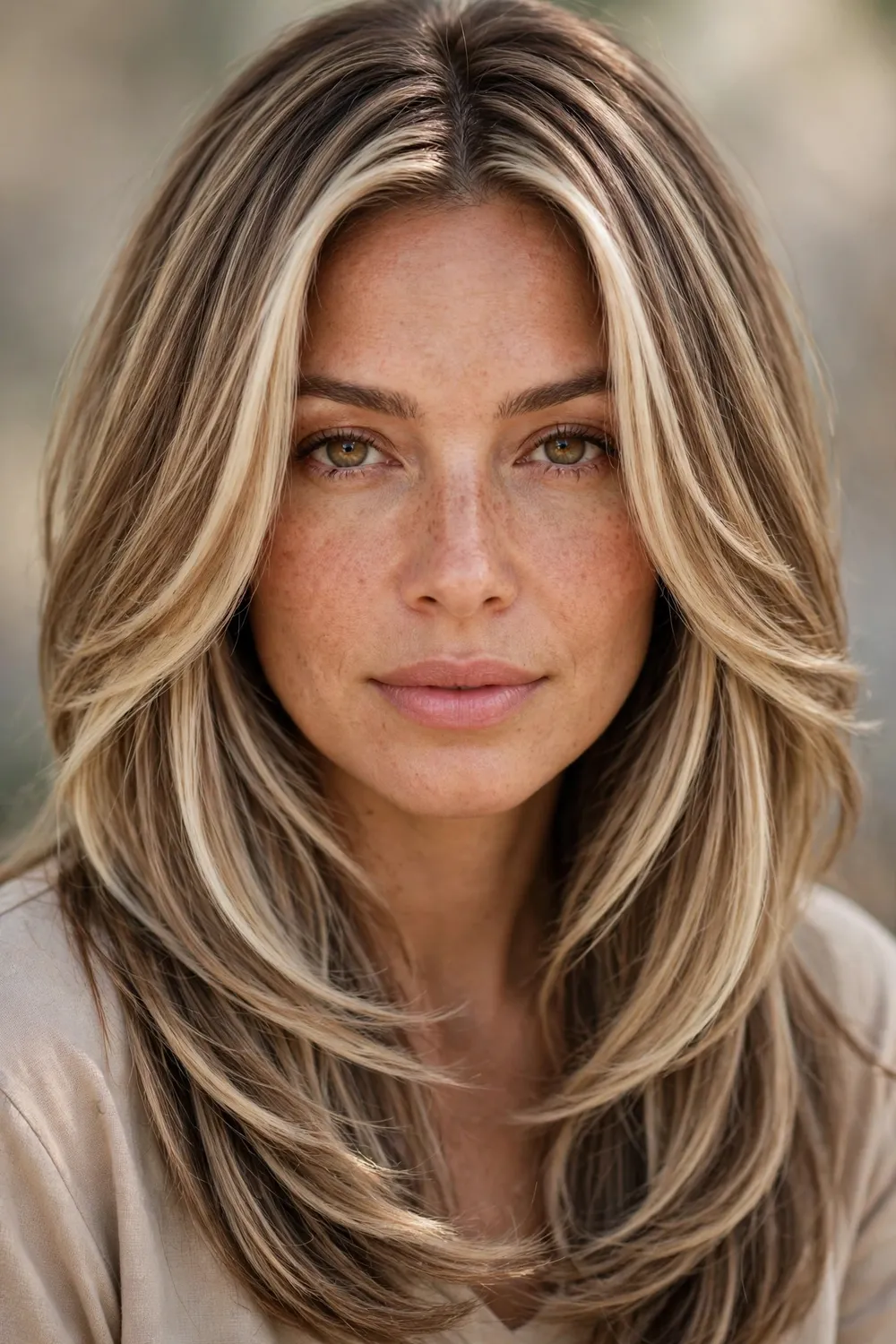
Biscotti beige is a toasted, biscuit-toned blonde that feels warm without turning orange — the kind of colour that looks expensive in daylight. The colourist hand-paints beige pieces through the lengths, keeping them softer near the roots and slightly brighter towards the ends, so the grow-out stays forgiving. It suits long layers and wavy hair best, and it is a strong match for olive and warm tan skin because the beige neutralises brassiness instead of fighting it. Ask for a biscotti beige balayage with a soft root shadow and a beige gloss, and keep the pieces fine rather than chunky. Finish with a shine serum for that glossy, toasted look. Maintenance is light: a gloss every six to eight weeks and foils every ten to twelve.
16. Beach-Glass Blonde Waves
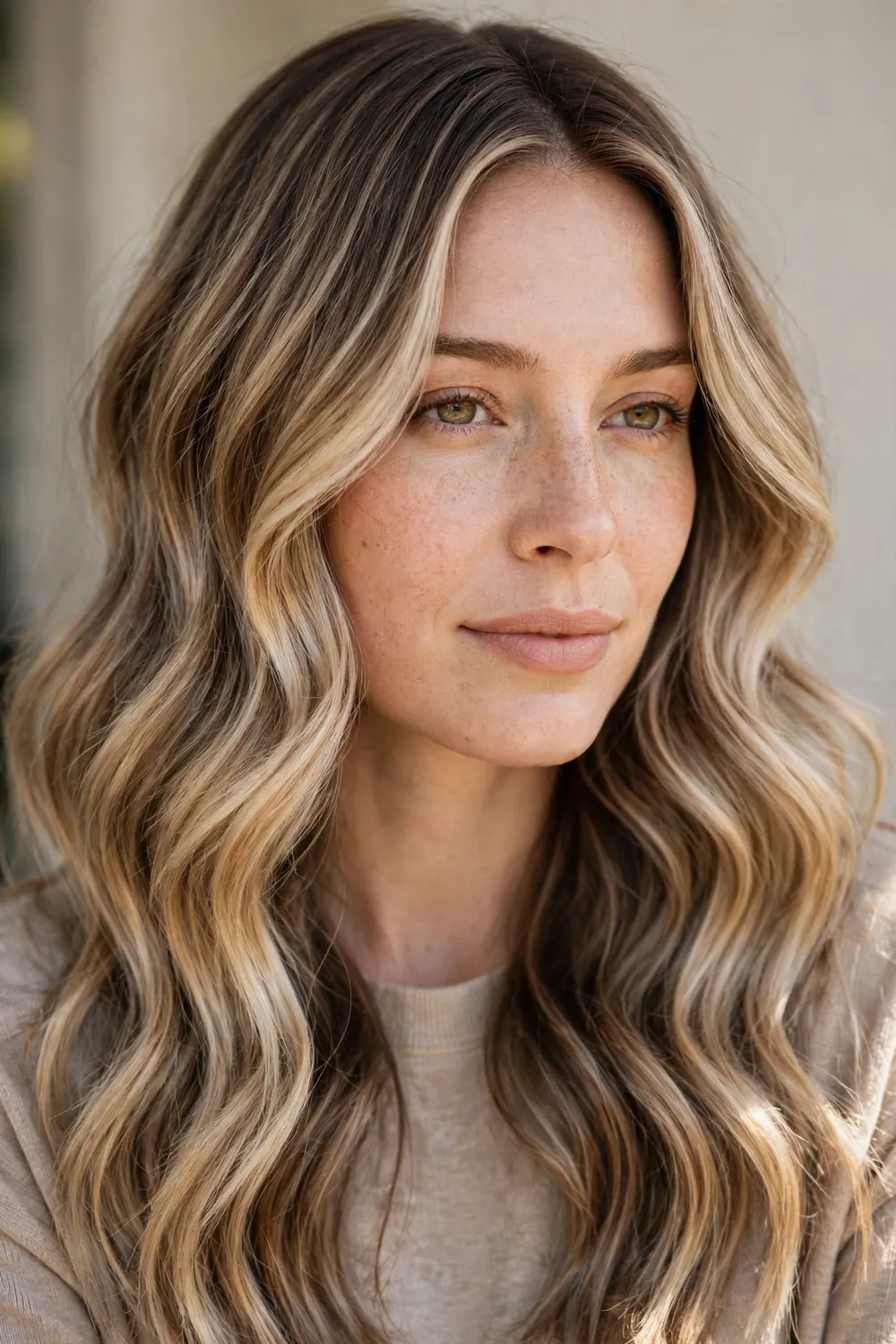
Beach-glass blonde is pale, airy and slightly translucent, like sunlight through sea glass — never solid or flat. The colourist paints fine, airy ribbons through loose waves, leaving gaps of your natural base between them so the blonde shimmers instead of blanketing the hair. It suits wavy and loosely curled hair past the shoulders, and it flatters fair to medium skin, especially with a light tan. Ask for fine beach-glass ribbons in a cool-neutral blonde, concentrated through the mid-lengths and ends, with a pearl gloss to keep the tone clean. Scrunch in a texture spray and let it air-dry for the full beach effect, and it pairs beautifully with loose Boho Braids. Grow-out is soft, with touch-ups every ten weeks or so.
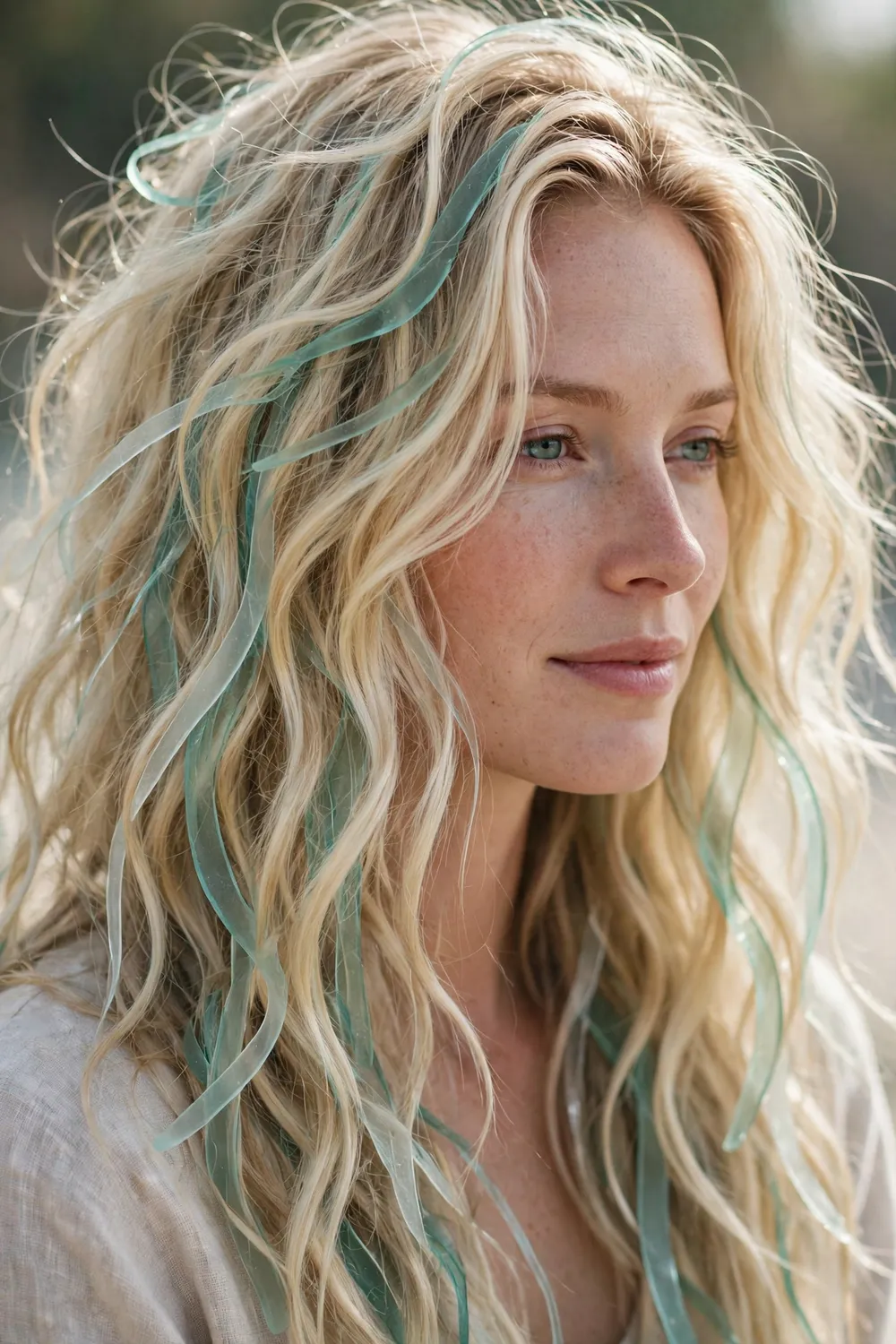
22. Halo Highlights with Darker Underlayers
A halo keeps the brightness where everyone sees it — around the face and along the outer layer — while darker hair hides underneath for contrast. The effect is striking when the hair moves, because the dark underlayers flash through the blonde like a shadow. It suits thick hair and dark bases best, and it works at almost any length past the chin, especially on heart-shaped faces where the bright frame softens the forehead. Ask for a bright blonde halo around the perimeter and crown, with the underlayers left two or three levels darker, and a gloss to blend the boundary. Style it with a loose wave so the layers separate. Grow-out is graceful, though the contrast means you will notice regrowth sooner than with a softer blend.
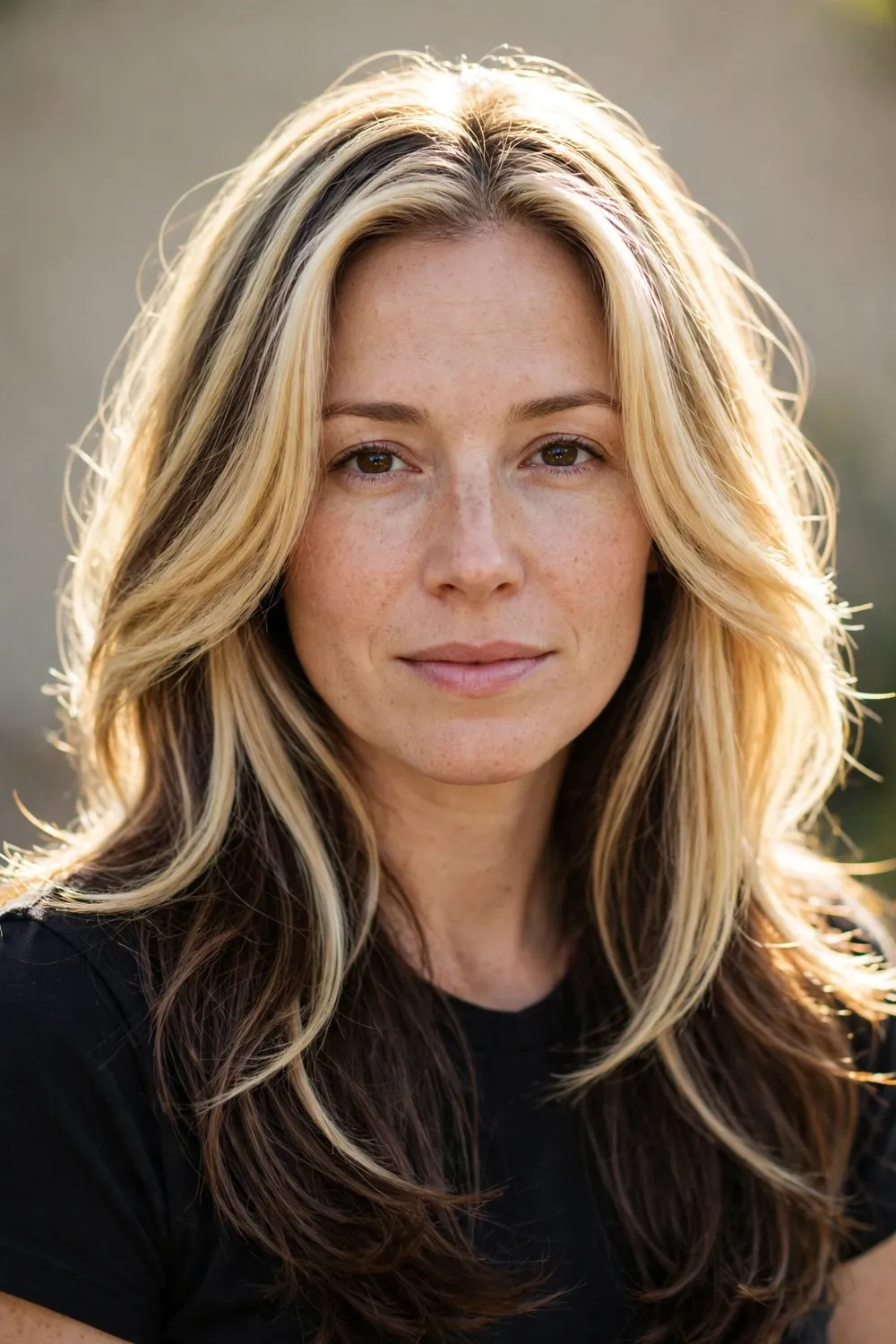
24. Golden Veil Highlights on Thick Hair
Thick hair can swallow fine highlights whole, which is why this sheer golden veil works so well — it is light, even and all over, rather than a few lonely streaks. The colourist weaves fine golden slices throughout the hair, from the part down through the lengths, so the blonde reads as a luminous layer over your base instead of stripes. It suits long, thick hair best, straight or wavy, and it glows on warm and golden tan skin. Ask for fine golden veil highlights with a warm gloss, keeping the tone golden rather than icy so it stays rich. Blow-dry smooth with a round brush for shine, or wear it wavy for movement. Expect touch-ups every eight to ten weeks, since regrowth shows more clearly on thick hair.
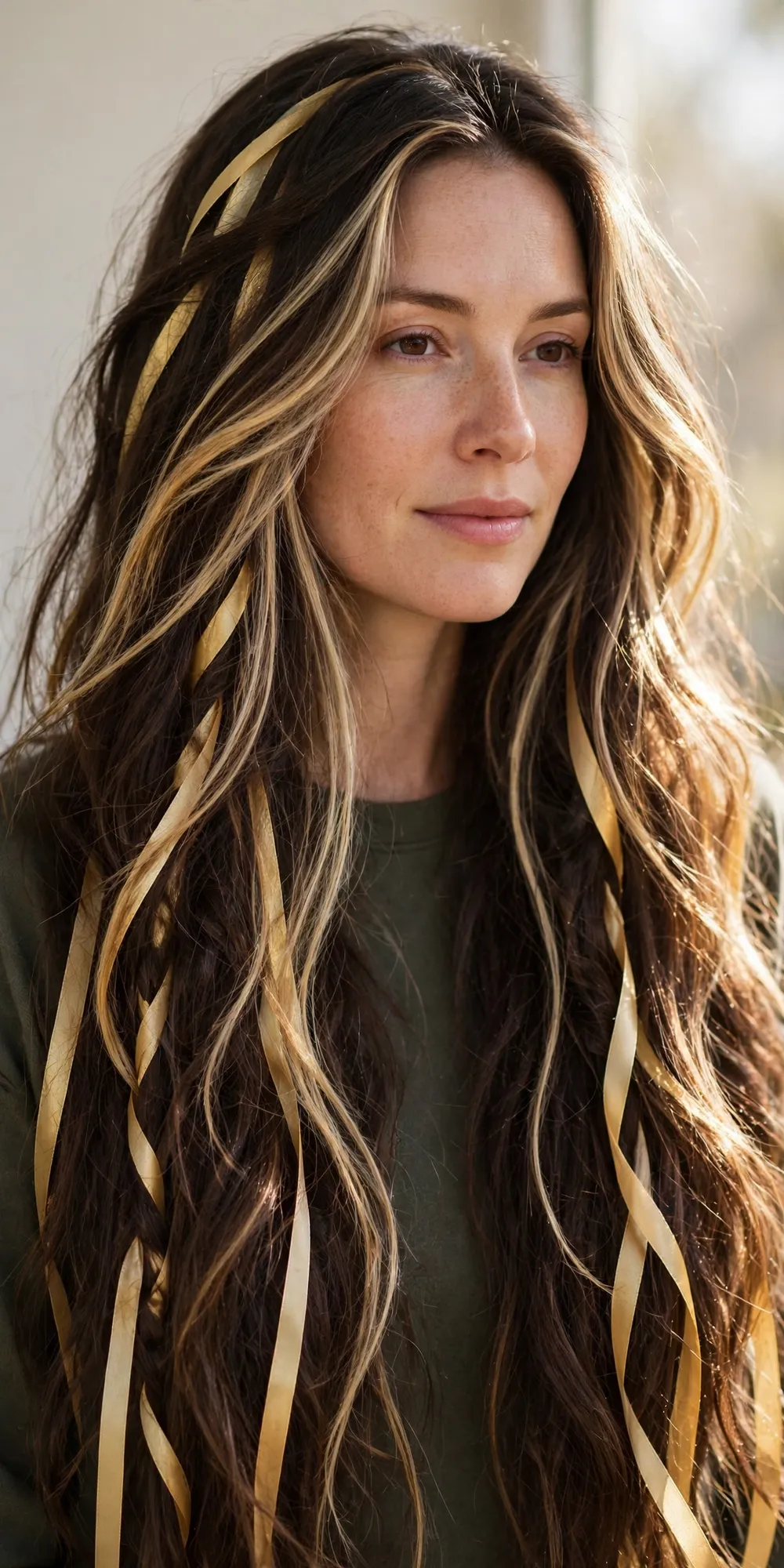
30. Short Blonde Bob with Highlights
A short bob with highlights proves blonde dimension is not just for long hair — on a bob, every piece of colour shows. The colourist adds soft, fine highlights through a chin- or jaw-length bob, brighter around the face and lighter at the ends, so the cut looks fuller and more textured. It suits fine to medium hair especially well, because the dimension creates the illusion of thickness, and it flatters oval, heart-shaped and square faces when the length sits at the jaw. Ask for dimensional blonde highlights with a root shadow, keeping the tone warm-neutral so it does not wash you out. Style it with a quick bend through the ends and a texturising spray. Touch-ups come every six to eight weeks, since short hair shows regrowth fast.
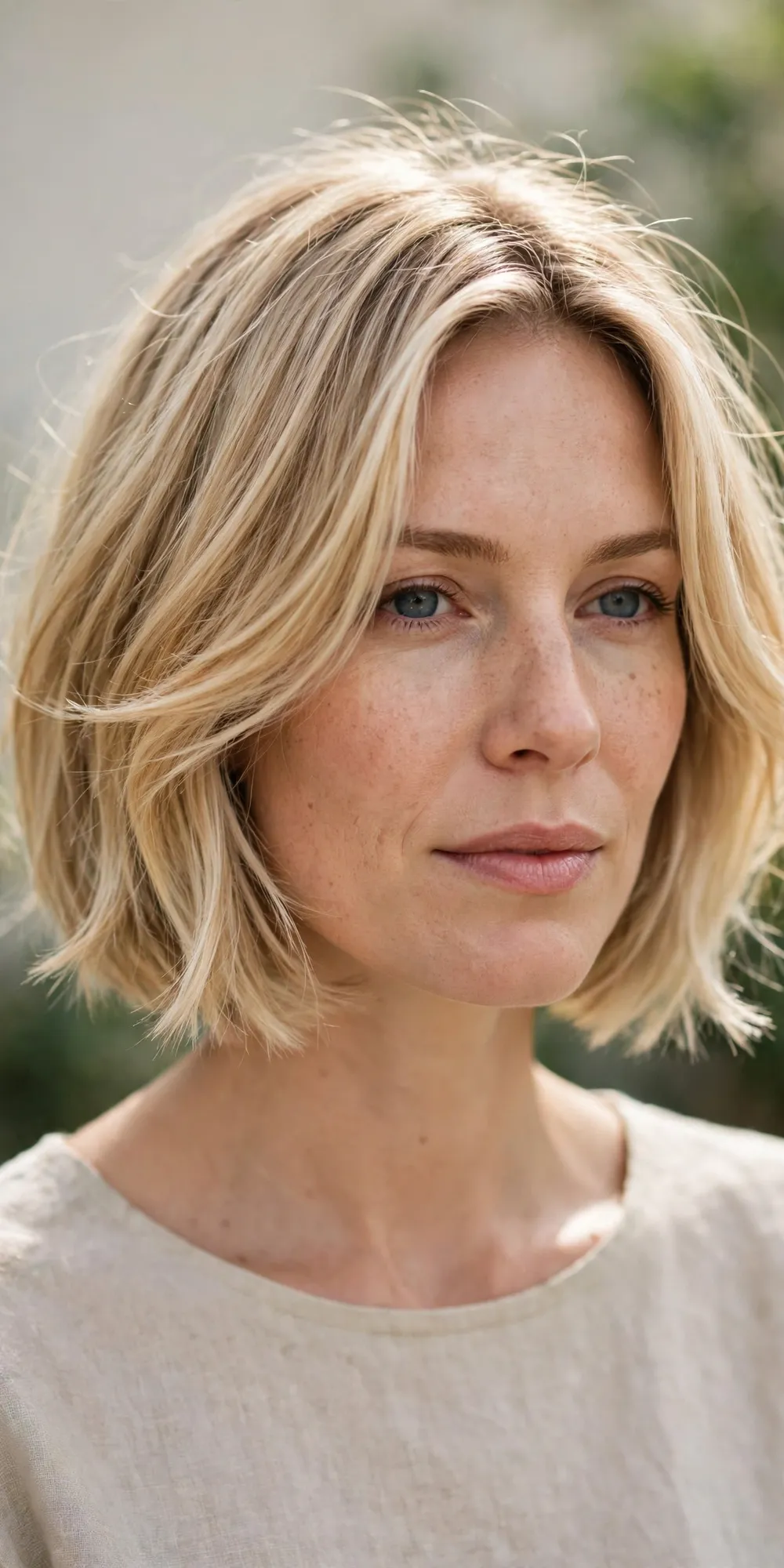
Bold & Statement Highlights
10. Sunlit Curtain Highlights
Sunlit curtain highlights fall on either side of a centre part like light through a window, brightening the face without lightening the whole head. The colourist places the brightest pieces along the parting and the front sections, fading them softer as they move back, so the front glows and the back stays deeper. It suits centre-parted hair best — long or medium length, straight or wavy — and it is especially flattering on heart-shaped faces, where the brightness balances a wider forehead. Ask for sunlit highlights framing the part, brightest from the cheekbone down, and pair them with Curtain Bangs for the full face-framing effect. A gloss keeps the tone sunny rather than brassy. Touch-ups every eight to ten weeks keep the front looking fresh.
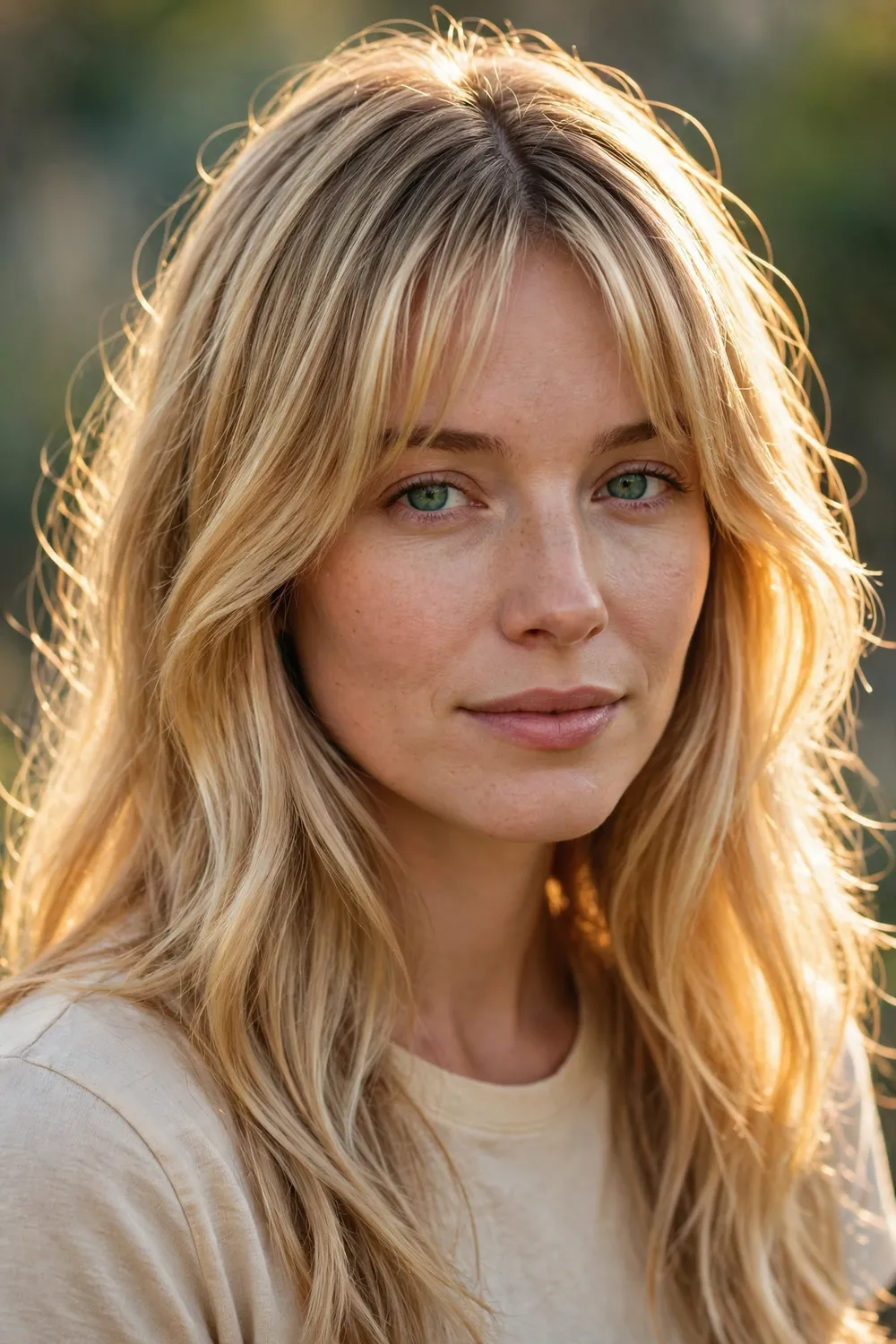
11. Rooted Honey Blonde Lob
A lob with rooted honey blonde is the low-drama way to go blonde — your natural root does the hard work of the grow-out for you. The colourist keeps a soft shadow at the roots and melts honey blonde through the lengths of a shoulder-grazing cut, with the brightest pieces around the face. It suits straight and wavy hair, fine to thick, and it warms up fair, medium and tanned skin without demanding a full-head commitment. Ask for a rooted honey blonde with a shadow root of two to three centimetres, the honey kept golden rather than pale. Blow-dry with a round brush for bounce, or add a loose wave for texture. The root shadow means you can stretch appointments to ten or twelve weeks, which is the whole point.
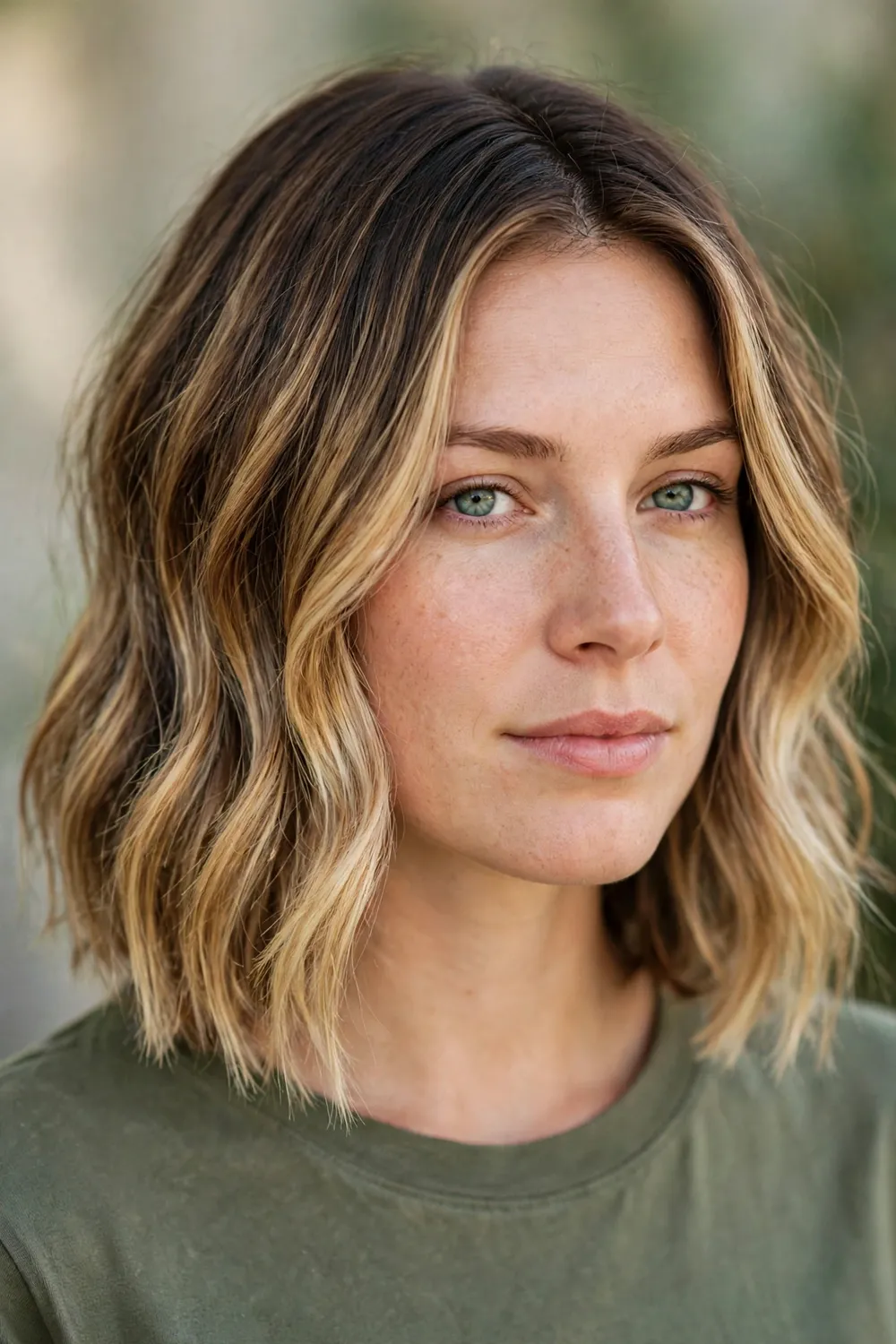
18. Almond Milk Highlights on Coarse Hair
Coarse hair needs a gentler hand with lightener, and almond milk blonde is the proof — soft, milky and never harsh. The colourist lifts in fine sections with a bond builder, taking it to a pale almond tone rather than forcing platinum in one sitting, which keeps the texture smooth instead of straw-like. It suits thick, coarse or wiry hair best, at medium to long lengths, and the soft neutral tone flatters warm and neutral skin without clashing. Ask for almond milk highlights with a bond-building treatment, a slow lift and a milky neutral gloss, and be honest if your hair has been coloured before. Finish with a smoothing cream and a weekly moisture mask. Plan for a gloss every six weeks and a longer appointment than usual.
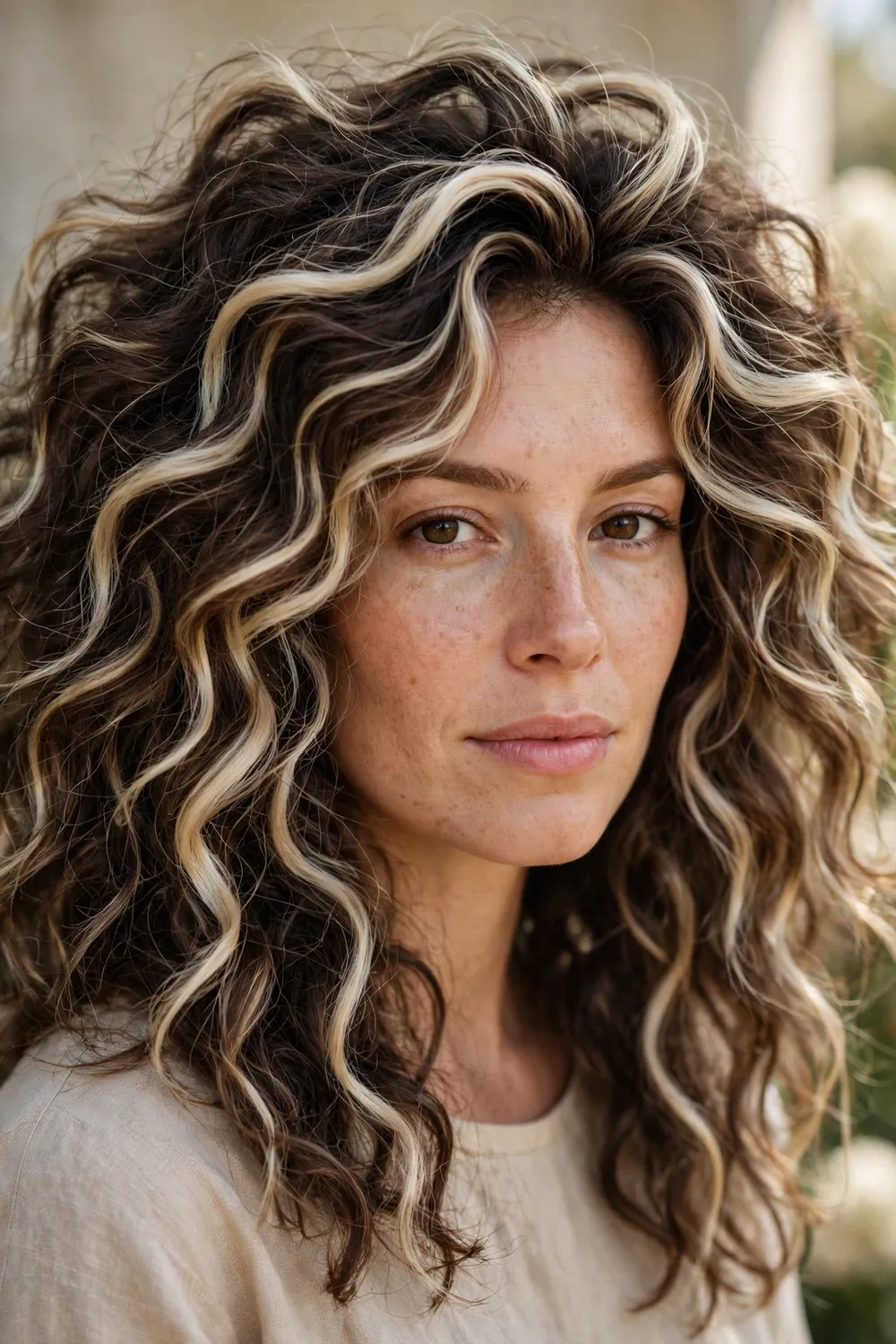
21. Platinum Peekaboo Panels
Peekaboo panels hide the drama underneath — from the top, your hair looks like its usual self, until you move and platinum flashes through. The colourist lightens hidden panels beneath the top layers, usually around the nape and behind the ears, leaving the surface untouched so the contrast stays a surprise. It suits medium to long hair, straight or wavy, and anyone who wants platinum without the full-head upkeep or the workplace conversation. Ask for platinum peekaboo panels under the crown and at the nape, lifted carefully to a clean pale blonde and toned icy. Wear it down for the occasional flash, or tie it up to show the panels off. Grow-out is easy since the roots stay hidden, but the panels need purple shampoo to stay icy.
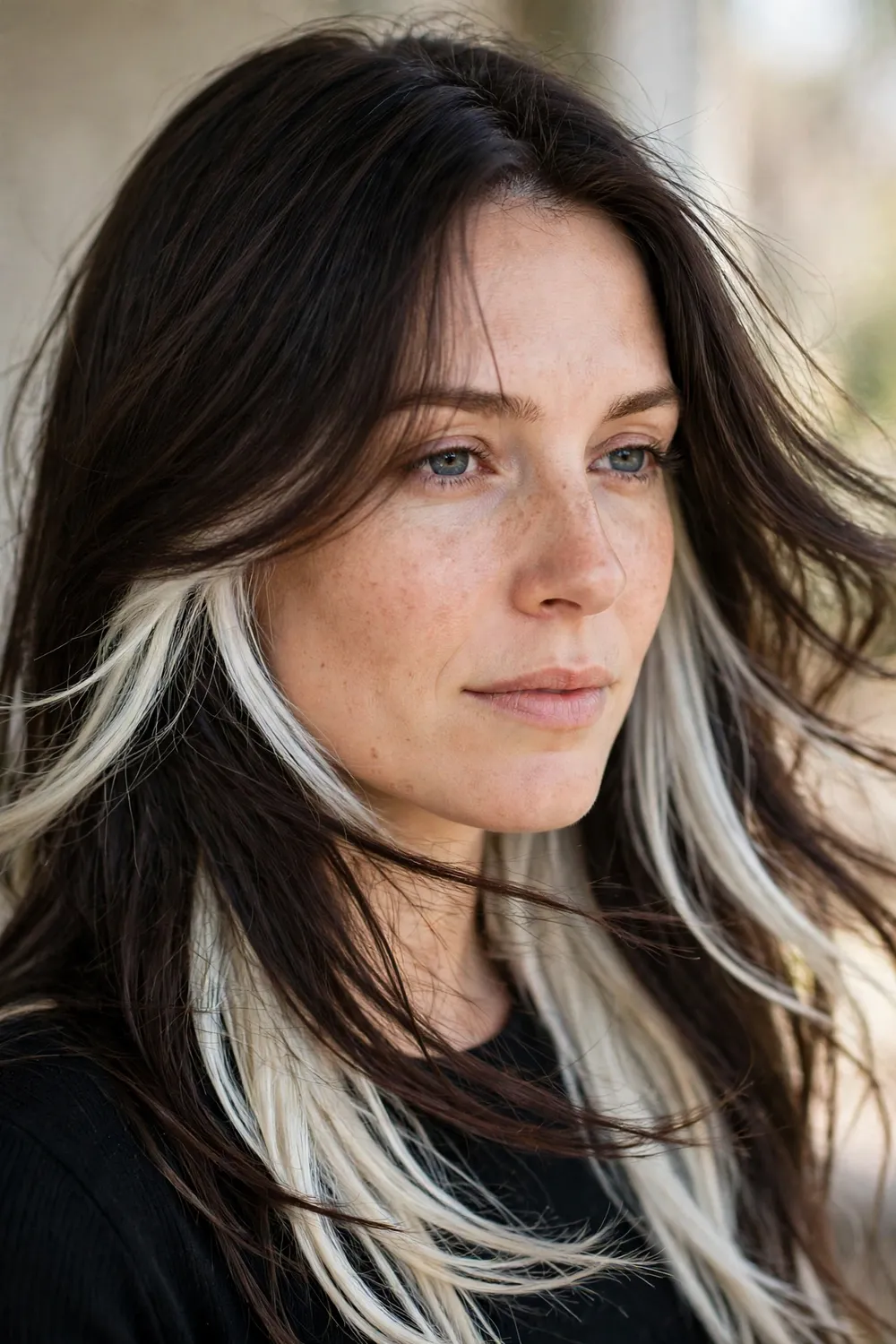
23. Caramelized Fringe Pieces
A fringe is the first thing people notice, so caramel highlights through it are a small change with a big payoff. The colourist weaves warm caramel pieces through a soft fringe — curtain, wispy or side-swept — so the fringe catches the light as you move. It suits medium and long hair with any fringe style, and it is kind to warm and olive skin because the caramel warms the face rather than washing it out. Ask for caramelized pieces through the fringe only, a shade or two lighter than your base, blended into the face-framing layers so there is no stripe. Style the fringe with a round brush for a soft bend. The fringe grows fast, so expect a tidy-up and a gloss every six to eight weeks.
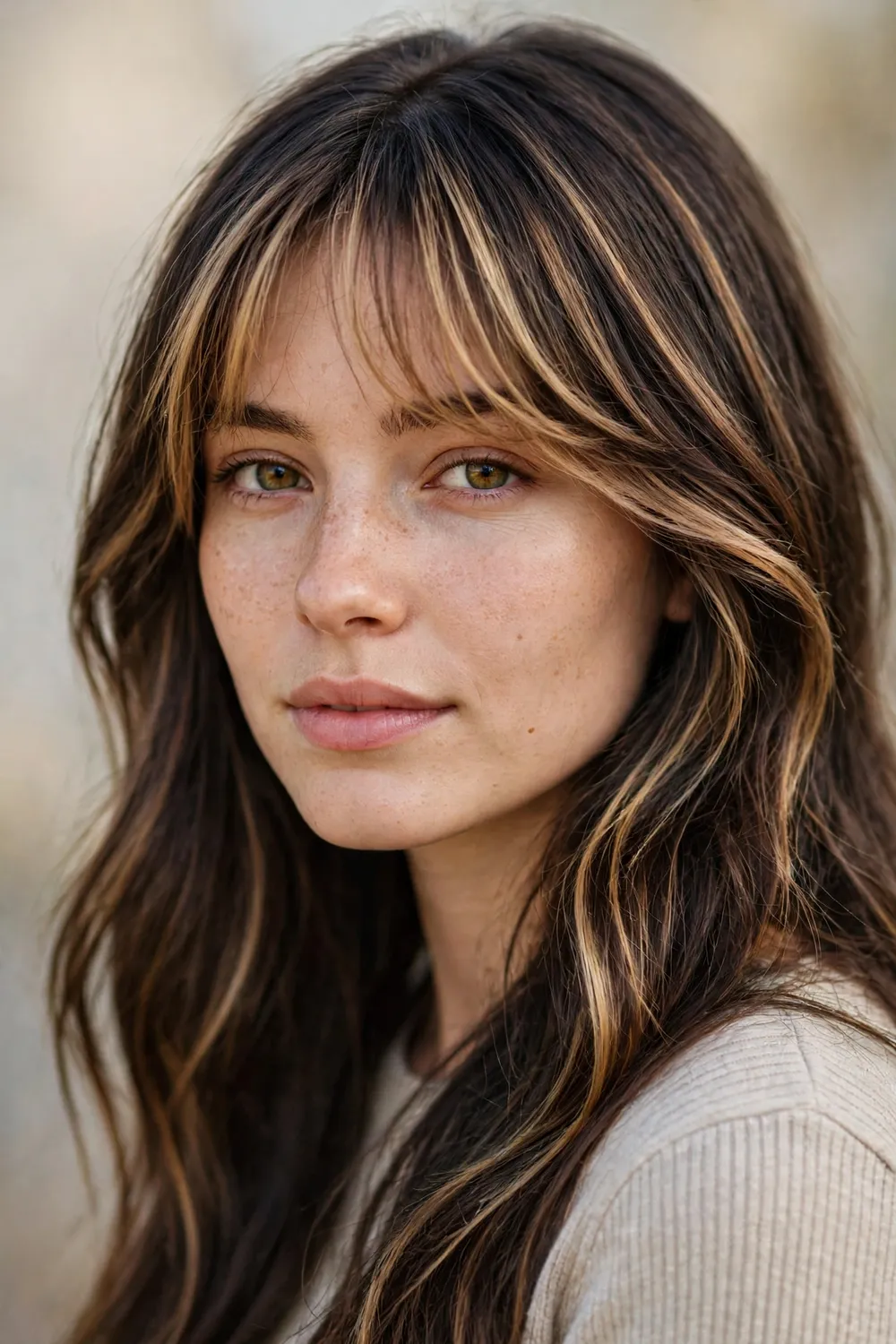
31. Blonde Highlights for Curly Hair
Curly hair should never be highlighted like straight hair — the colour must follow the curl, or it lands wrong when the hair springs up. The colourist paints highlights onto individual curls, choosing surface curls that catch the light, and leaves the curls underneath darker for depth. It suits all curl types, from loose waves to tight coils, and the dimension makes curls look fuller and more defined. Ask for highlights painted curl by curl, a technique sometimes called curl-by-curl balayage, with a gloss matched to your skin tone and a deep conditioning treatment in the same visit. Scrunch in a curl cream and diffuse for definition. Touch-ups every ten to twelve weeks, with a moisture mask in between, keep the curls healthy.
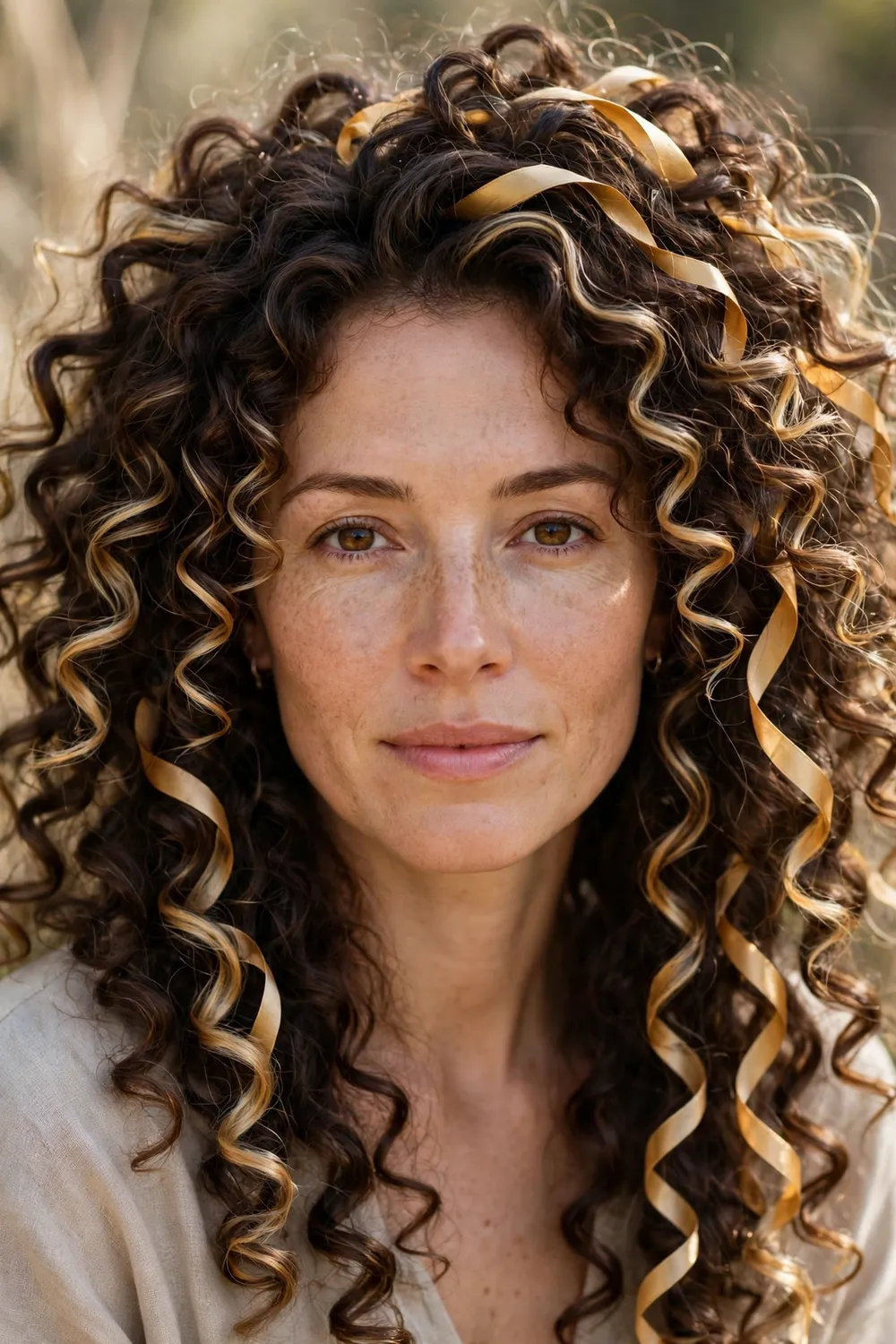
32. Blonde Highlights with Curtain Bangs
Curtain bangs and blonde highlights were made for each other — the bangs frame the face, and the highlights make sure the frame gets noticed. The colourist places the brightest blonde through the bangs and the face-framing layers, softening into the lengths so the colour feels like one flowing idea rather than two separate ones. It suits medium and long hair, straight or wavy, and it is a lovely choice for heart-shaped and oval faces, since the bangs soften the forehead and the brightness lifts the cheekbones. Ask for blonde highlights concentrated through the curtain bangs and front layers, with a root shadow so the grow-out stays gentle. Blow-dry the bangs with a round brush, flicking them away from the face. Plan a fringe trim every four to six weeks.
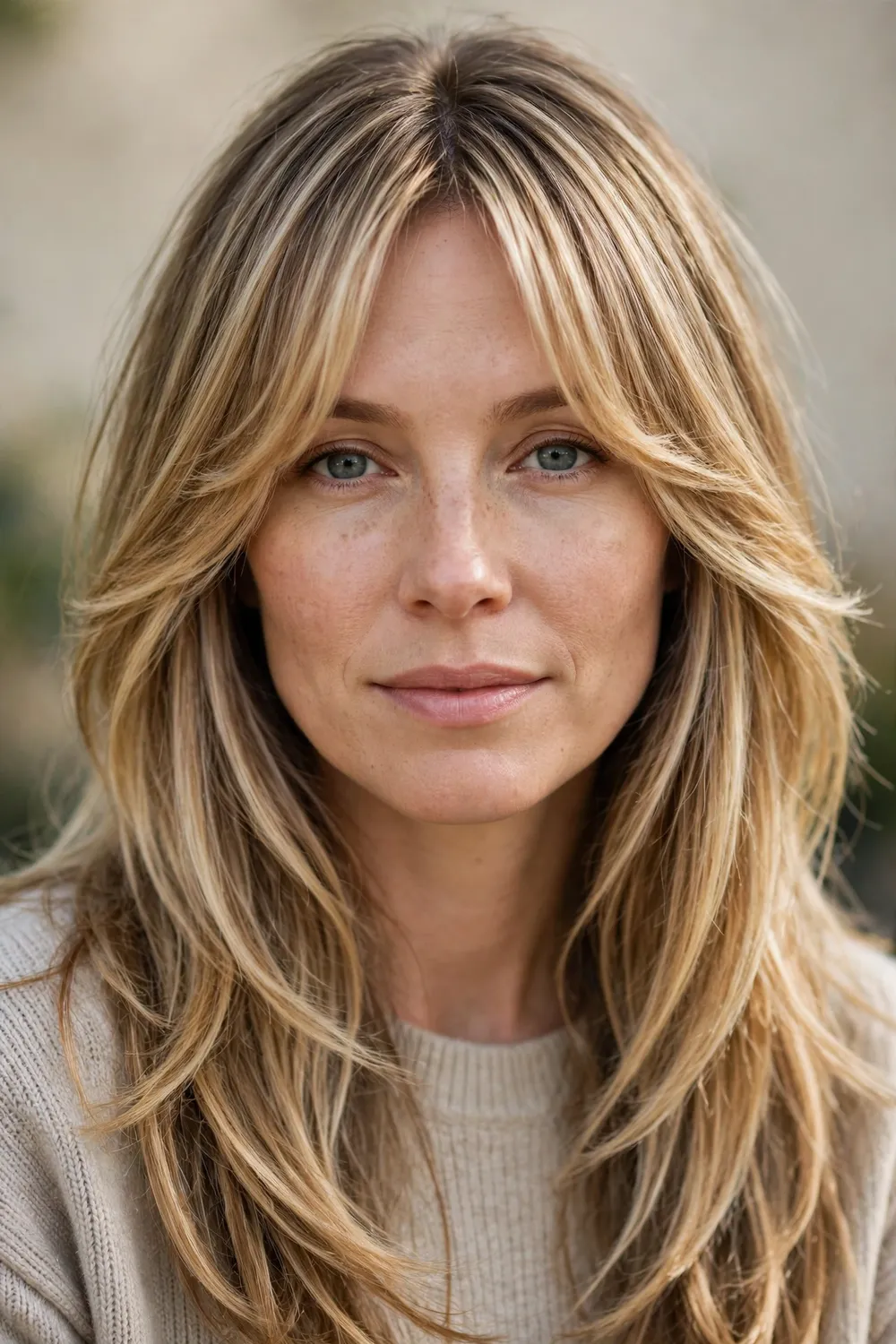
33. Brown Blonde Highlights for Brunettes
If you are a brunette who wants blonde without losing your depth, this is your middle ground — warm brown-blonde pieces that lift your natural colour rather than replacing it. The colourist adds golden and honey-blonde highlights through a brown base, keeping them finer near the roots and slightly bolder through the ends, so the result looks sun-kissed rather than striped. It suits all brown bases, from light chestnut to deep espresso, and it flatters warm and olive skin beautifully. Ask for brown blonde highlights with a warm gloss, the pieces woven finely so they blend, and a root shadow if you want the grow-out to be invisible. Style it wavy to show the dimension off. Touch-ups every eight to twelve weeks are plenty.
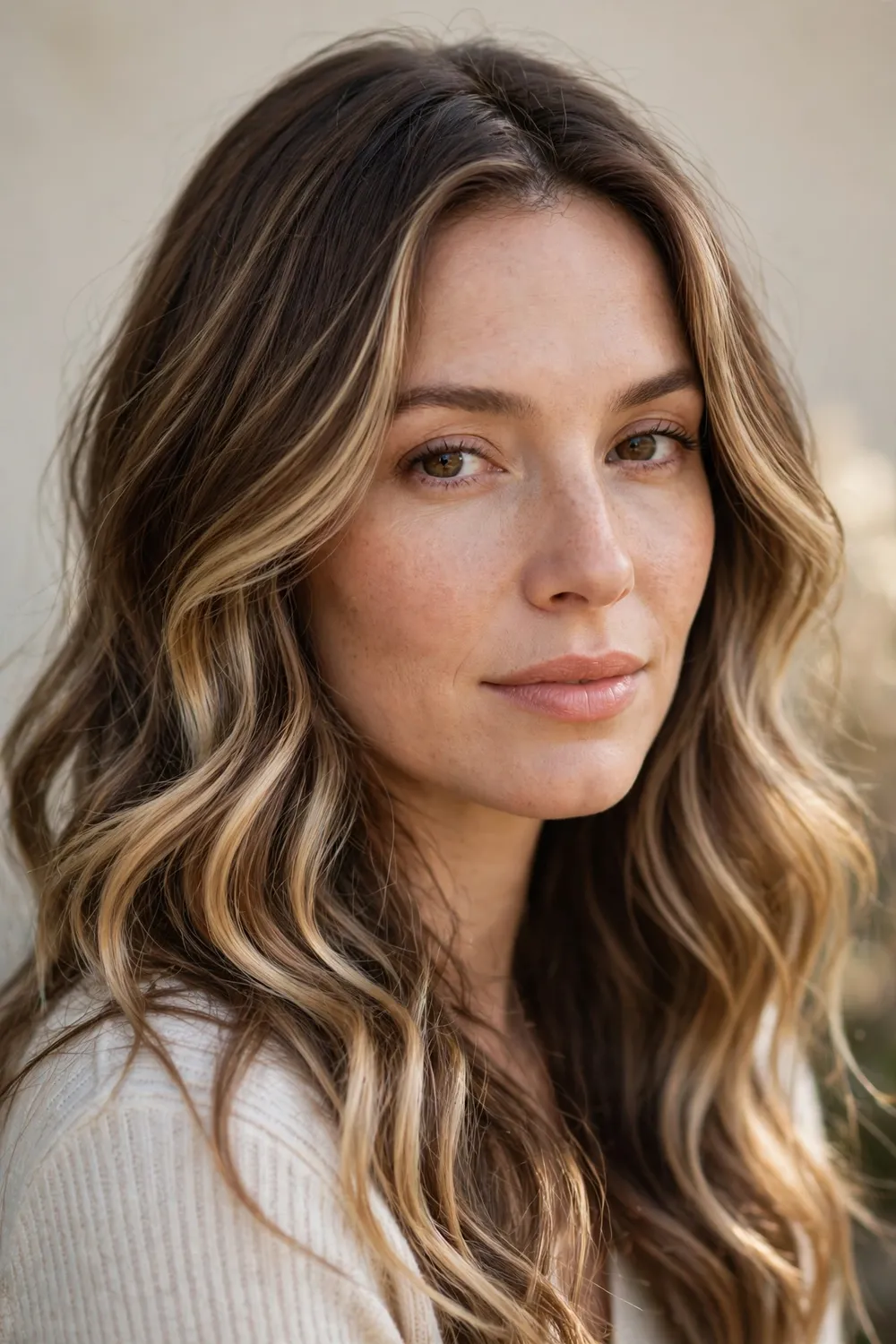
How to Choose the Right Blonde for Your Skin Tone
Start with your undertone, not your tan. If your skin is warm or golden tan, with veins that look greenish and gold jewellery suiting you best, lean into honey, caramel and butter blonde — those warm tones sit naturally against your skin and will not make you look washed out. If your tan is olive, with a slightly green or grey cast, go for beige, champagne and biscotti instead of gold, since those neutral tones calm the olive cast rather than competing with it. Cooler tans — skin that burns before it tans, with pink or blue undertones — suit pearl, ash-beige and platinum accents best, but keep some depth at the roots so the blonde does not look flat or grey against your skin. If blonde still feels too light against your skin, warmer colour families such as Red Hair Color Ideas may suit you better. And before any colour goes on, ask for a patch test at least 48 hours ahead — a small dab of colour behind the ear — because even gentle lightener can irritate skin, and it is far better to find that out before your whole head is involved.
How to Ask Your Colourist for Blonde Highlights
Walk in with two photos, not ten. One should show the tone you want — honey, ash, platinum — and the other should show the placement, whether that is face-framing pieces, all-over dimension or a soft root shadow. Tell your colourist where you part your hair and how you usually wear it, because highlights placed for a centre part look wrong on a side part, and vice versa. If you have a heart-shaped face, ask for the brightest pieces to start below the cheekbone rather than at the temples, so the brightness lifts your face instead of widening the forehead. Finally, agree on the maintenance level before the foils go in — say honestly how often you will come back and how much upkeep you will actually do at home, because a colourist who knows you want low maintenance will build you a softer grow-out than one who thinks you will be back in six weeks.
How to Care for Blonde Highlights
Blonde highlights fade fast if you treat them like uncoloured hair, so a few habits make all the difference. Wash in lukewarm water, never hot, and use a sulphate-free shampoo made for coloured hair so you are not stripping the toner out with every wash. Use purple shampoo once every seven to ten days — more often than that and it can leave a grey cast — to keep brassiness at bay. Book a gloss every six to eight weeks to refresh the tone and add shine, and use a weekly moisture mask, since lightened hair dries out faster than virgin hair. Apply heat protectant every single time you use a straightener or curling iron, no exceptions, because heat is what turns blonde yellow and brittle. And plan touch-ups every eight to twelve weeks, depending on how soft your grow-out is, rather than waiting until the roots are impossible to ignore.
5 Mistakes That Ruin Blonde Highlights
- Too much brightness at the temples. Piling the lightest blonde right at the hairline widens the forehead and makes the colour look harsh, especially on heart-shaped faces — keep the brightest pieces below the cheekbone.
- Icy blonde on warm tan skin. Platinum against golden skin can look grey and washed out; warm tans need honey, caramel or beige tones to stay flattering.
- No root shadow. Skipping the shadow root leaves a hard line of regrowth within weeks and turns a soft blend into obvious stripes.
- Skipping toner or gloss. Lightener alone is raw and yellow — without toner and regular glossing, blonde goes brassy fast and never looks finished.
- Hot-water washing. Hot water opens the hair cuticle and strips toner out with every wash, so blonde fades to yellow far sooner than it should.
Frequently Asked Questions
Will blonde highlights work on tan skin, or do they need to be very warm?
Blonde highlights work beautifully on tan skin — they do not need to be very warm, but they do need to be the right warm. Honey, caramel, butter and biscotti tones sit naturally against a golden tan, while olive tans look better with beige and champagne. The mistake is going icy or platinum all over a warm tan, which can look grey and washed out, so keep the tone warm or neutral and save the icy pieces for accents.
Where should highlights sit on a heart-shaped face?
On a heart-shaped face, the brightest highlights should start below the cheekbone and run through the mid-lengths and ends. Brightness at the temples only widens the forehead, which is already the widest part of a heart-shaped face, so ask your colourist to keep the hairline pieces softer and place the real brightness lower down. Face-framing ribbons that begin at the cheekbone also draw the eye towards the eyes and lips rather than the forehead.
Is balayage better than foils for blonde highlights?
Neither is better in general — it depends on the result you want. Balayage gives a softer, more lived-in blend with a gentler grow-out, which suits low-maintenance blonde, while foils give brighter, more precise lift and work better for very light blonde or for grey coverage. Many colourists combine the two, using foils around the face for brightness and balayage through the lengths for softness, so ask for the technique that matches your maintenance level rather than choosing one by name.
Can I get blonde highlights on dark brown hair without going orange?
Yes, but it takes patience and the right colourist. Dark brown hair lifts through orange before it reaches blonde, so the lightener needs enough time and sometimes a second session to get past that stage, followed by a toner that neutralises the remaining warmth. Ask for a slow lift with a bond builder, a warm-neutral gloss rather than an icy one, and be prepared for two appointments if your hair is very dark — rushing the lift is what leaves hair orange.
How do I stop blonde highlights from turning yellow or brassy?
Brassiness comes from the warm pigment left behind when hair is lightened, plus sun, heat and hard water. Use purple shampoo once every seven to ten days to neutralise the yellow, wash in lukewarm water, and always use heat protectant before styling tools. A gloss every six to eight weeks is the real fix, though — it re-tones the blonde and seals the cuticle, so the colour stays clean far longer than purple shampoo alone can manage.
How often do blonde highlights need a touch-up?
It depends on how soft your grow-out is. A rooted or balayage blonde with a shadow root can go ten to twelve weeks between appointments, while brighter, high-contrast blonde with foils usually needs a touch-up every six to eight weeks. A gloss every six to eight weeks keeps the tone fresh between full appointments, and it is worth booking the gloss even when the roots still look fine, since tone fades faster than roots grow.
Do blonde highlights damage your hair?
Lightening does change the hair — it opens the cuticle and removes some of the hair’s natural strength — so there is always some damage, but it can be kept small. A good colourist uses a bond builder, lifts slowly rather than forcing the hair to platinum in one go, and follows with a deep conditioning treatment. At home, weekly moisture masks, heat protectant and gentle handling matter just as much, and hair that is already very damaged or over-processed should be strengthened first before more lightener goes on.
Final Word
Blonde highlights are one of the kindest ways to change your hair — they brighten your face, add movement to your cut and grow out gracefully when they are placed well. Pick the tone that suits your skin, be honest with your colourist about the upkeep you will actually do, and give the colour a little care between appointments. And if you want more ideas before your next salon visit, browse more hairstyle ideas on our blog.